著名医師による解説が無料で読めます
すると翻訳の精度が向上します
目的:多くの抗うつ薬は利用可能ですが、それらは常に適切に使用されるとは限りません。抗うつ薬を適切に使用するために、線形用量反応関係の古い概念は、十分な抗うつ薬効果を達成するために線形に増加します。さらに、双極性うつ病の患者における抗うつ薬の安全かつ適切な使用に関する継続的な議論があります。抗うつ薬は、双極性うつ病患者の特定の条件下で使用できます。これらの無視されているが、抗うつ薬の控えめな想起ではないが、ここで議論されている。 方法:物語の定性的レビュー結果:選択的セロトニン再取り込み阻害剤(SSRI)などの抗うつ薬の用量反応関係は線形ではありません。それらはベル型である可能性があり、有効性は最初は用量の増加とともに増加しますが、特定のポイントを超えて用量が増加すると減少します。国際的な診断基準を使用しているにもかかわらず、うつ病と診断された手術的に診断された双極性双極性IIのうつ病、潜在双極IIうつ病、または真のうつ病であるかどうかは不確実性が残っています。さらに、手術的に診断された双極性IIうつ病は、潜在的な双極性極性Iのうつ病、真の双極IIうつ病、または誤った軽many性エピソードを伴ううつ病である可能性があります。man病/軽many式スイッチは、三環系抗うつ薬を投与された患者で発生する可能性が最も高く、その後、セロトニンおよびノルアドレナリンの再取り込み阻害剤とSSRIを投与された患者がその順に発生する可能性が最も高くなります。また、これらのスイッチは、双極Iのうつ病患者で発生する可能性が最も高く、その後、双極IIのうつ病と真のうつ病の患者がその順に発生する可能性が最も高くなります。 結論:双極性うつ病と抗うつ薬の診断サブタイプを考慮すると、最適な治療戦略の決定に役立つ可能性があります。
目的:多くの抗うつ薬は利用可能ですが、それらは常に適切に使用されるとは限りません。抗うつ薬を適切に使用するために、線形用量反応関係の古い概念は、十分な抗うつ薬効果を達成するために線形に増加します。さらに、双極性うつ病の患者における抗うつ薬の安全かつ適切な使用に関する継続的な議論があります。抗うつ薬は、双極性うつ病患者の特定の条件下で使用できます。これらの無視されているが、抗うつ薬の控えめな想起ではないが、ここで議論されている。 方法:物語の定性的レビュー結果:選択的セロトニン再取り込み阻害剤(SSRI)などの抗うつ薬の用量反応関係は線形ではありません。それらはベル型である可能性があり、有効性は最初は用量の増加とともに増加しますが、特定のポイントを超えて用量が増加すると減少します。国際的な診断基準を使用しているにもかかわらず、うつ病と診断された手術的に診断された双極性双極性IIのうつ病、潜在双極IIうつ病、または真のうつ病であるかどうかは不確実性が残っています。さらに、手術的に診断された双極性IIうつ病は、潜在的な双極性極性Iのうつ病、真の双極IIうつ病、または誤った軽many性エピソードを伴ううつ病である可能性があります。man病/軽many式スイッチは、三環系抗うつ薬を投与された患者で発生する可能性が最も高く、その後、セロトニンおよびノルアドレナリンの再取り込み阻害剤とSSRIを投与された患者がその順に発生する可能性が最も高くなります。また、これらのスイッチは、双極Iのうつ病患者で発生する可能性が最も高く、その後、双極IIのうつ病と真のうつ病の患者がその順に発生する可能性が最も高くなります。 結論:双極性うつ病と抗うつ薬の診断サブタイプを考慮すると、最適な治療戦略の決定に役立つ可能性があります。
OBJECTIVES: Although many antidepressants are available, they are not always used appropriately. For appropriate use of antidepressants, the old concept of a linear dose-response relationship, in which the dose is linearly increased to achieve a sufficient antidepressant effect, should be reconsidered. Furthermore, there is ongoing debate on the safe and appropriate use of antidepressants in patients with bipolar depression. Antidepressants may be used under certain conditions in patients with bipolar depression. These neglected-but not negligible-aspects of antidepressants have been discussed herein. METHODS: A narrative qualitative review RESULTS: Dose-response relationships of antidepressants such as selective serotonin reuptake inhibitors (SSRIs) are not linear. They may be bell-shaped, with efficacy initially increasing with an increase in dose but decreasing when the dose is increased beyond a certain point. Despite using international diagnostic criteria, uncertainty remains on whether operationally diagnosed depression is latent bipolar I depression, latent bipolar II depression, or true depression. Furthermore, operationally diagnosed bipolar II depression may be latent bipolar I depression, true bipolar II depression, or depression with false hypomanic episodes. Manic/hypomanic switches are most likely to occur in patients receiving tricyclic antidepressants, followed by those receiving serotonin and noradrenaline reuptake inhibitors and SSRIs, in that order. Also, these switches are most likely to occur in patients with bipolar I depression, followed by those with bipolar II depression and true depression, in that order. CONCLUSIONS: Considering the diagnostic subtype of bipolar depression and antidepressant properties may help to determine the optimal treatment strategy.
医師のための臨床サポートサービス
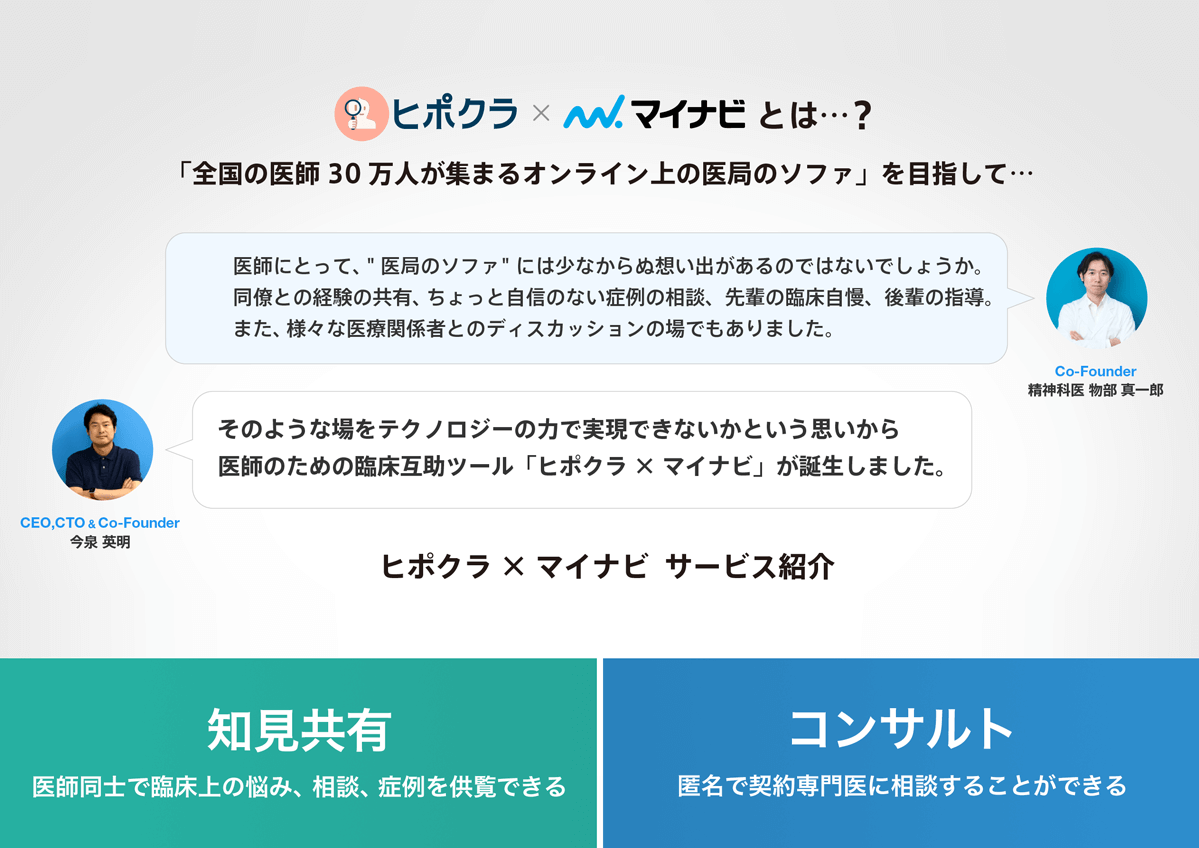
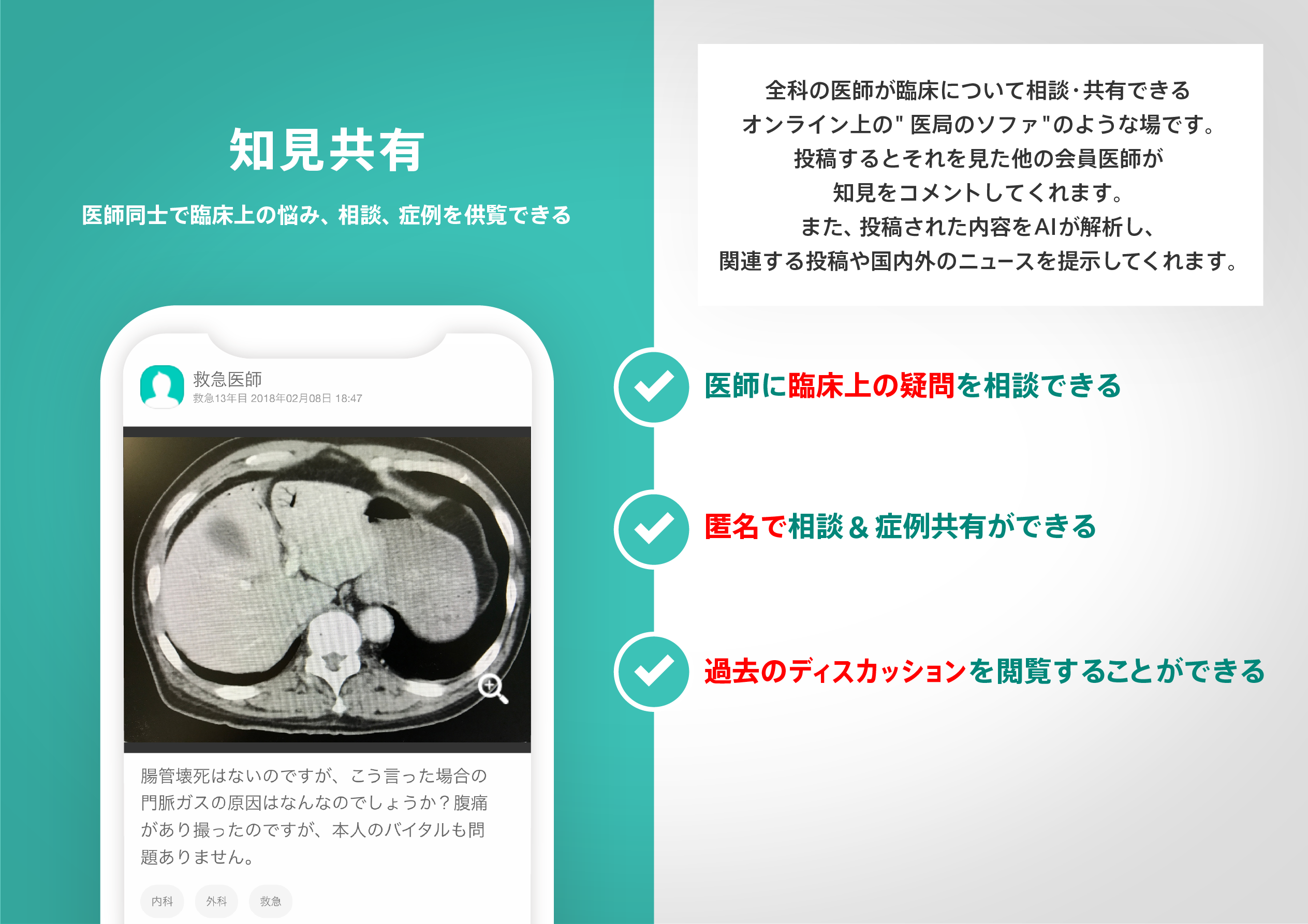
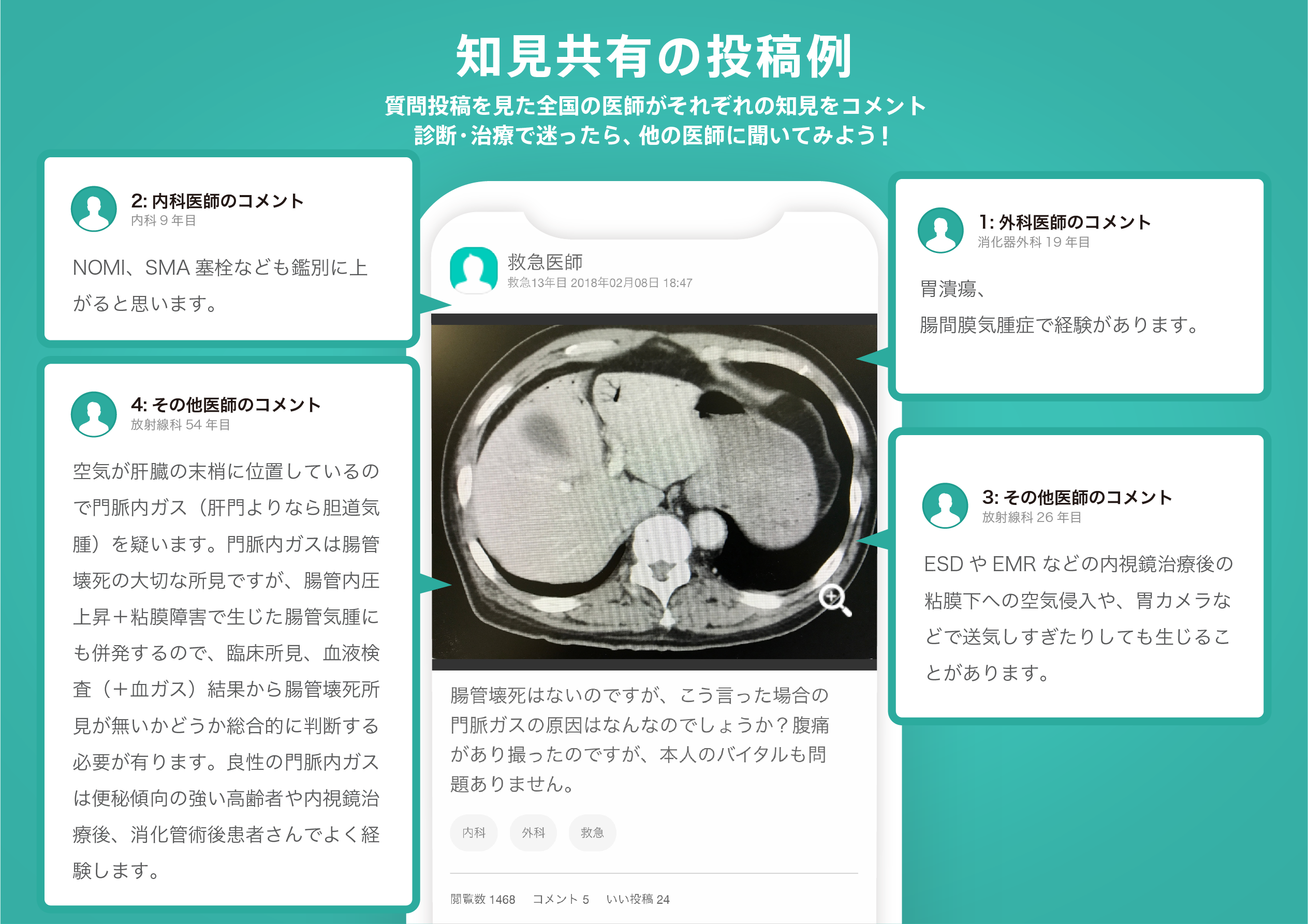
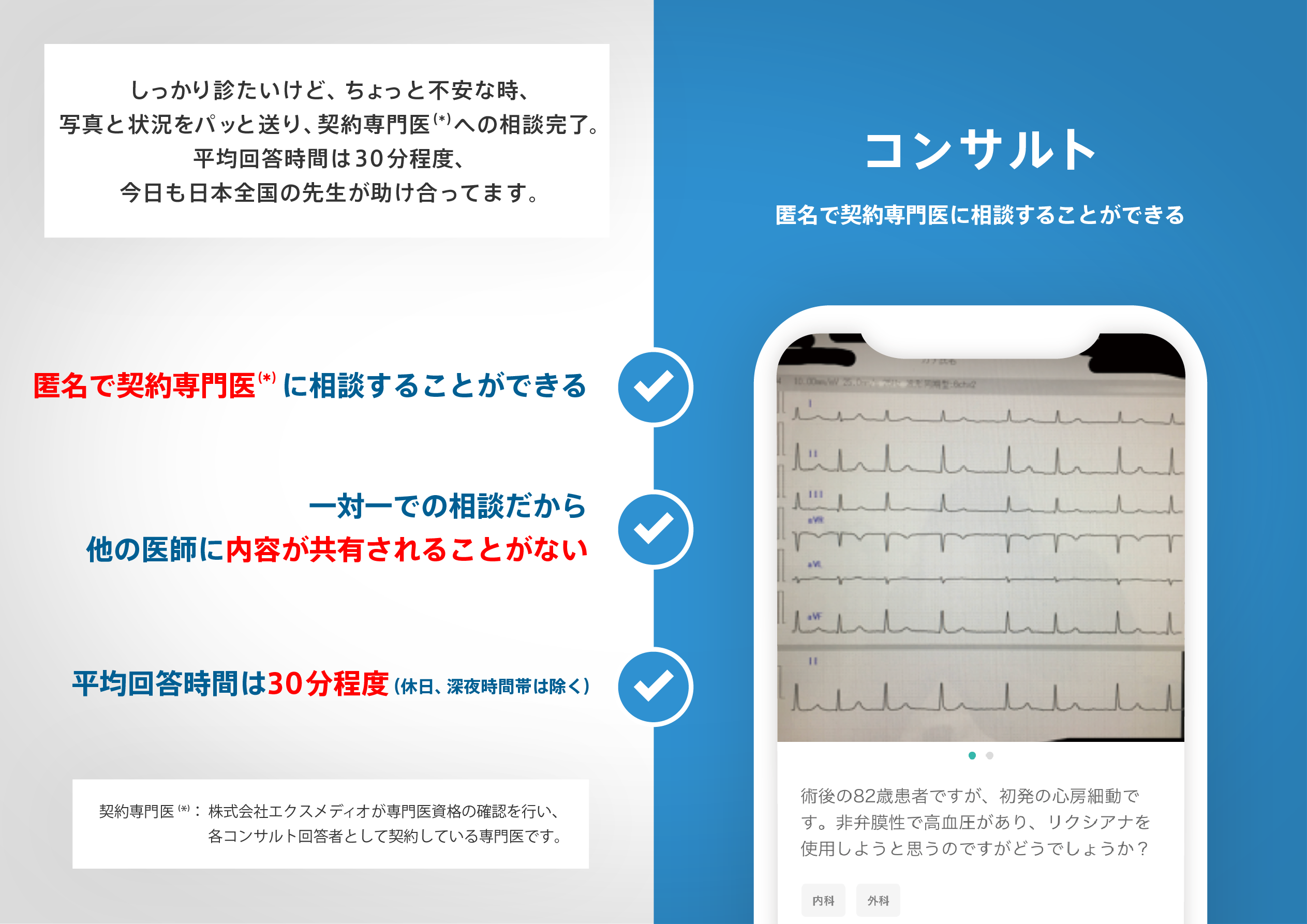
ヒポクラ x マイナビのご紹介

無料会員登録していただくと、さらに便利で効率的な検索が可能になります。