著名医師による解説が無料で読めます
すると翻訳の精度が向上します
Klebsiella属を含むKlebsiella属の最近の再分類、および菌血症と死亡率との関連が懸念を引き起こしました。Klebsiella sppを調べました。浸潤性K. variicola疾患の発生を含む、戦場外傷患者の間の感染。51人の負傷した軍人(2009-2014)から収集されたKlebsiella分離株は、ポリメラーゼ連鎖反応(PCR)およびパルスフィールドゲル電気泳動を使用して検査されました。K. variicola分離株は、弦テストにより粘度弾力性の表現型について評価されました。患者は重傷を負い、主に爆風の負傷により負傷し、すべてがクレブシエラ分離の前に抗生物質を投与されました。多剤耐性クレブシエラ分離株は、23人(45%)の患者で同定されました。ただし、多剤耐性クレブシエラの有無にかかわらず患者を比較した場合、有意差はありませんでした。最初に肺炎K.と同定された合計237個の分離株が分析され、141個の臨床分離株が感染症に関連していました(残りは、監視径部スワブを介して収集された分離株をコロニー化しました)。PCRシーケンスを使用して、221(93%)の分離株がK. pneumoniae、10(4%)がK. variicola、6(3%)がK. quasipneumoniaeであると確認されました。5つのK. variicola分離株は感染症に関連していた。肺炎K.と比較して、K。variicola分離株に感染すると、血液による可能性が高く(4/5対24/134、p = 0.04)、多剤耐性(0/5対99/134、pの可能性が低くなります。<0.01)。No K. variicola分離株は、高粘度粘度の表現型を実証しました。K. variicola分離株は頻繁に血流感染から分離されましたが、多剤耐性である可能性は低くなりました。K. variicolaの診断を促進し、大規模な前向き研究における臨床的意義を明確にするには、さらなる作業が必要です。
Klebsiella属を含むKlebsiella属の最近の再分類、および菌血症と死亡率との関連が懸念を引き起こしました。Klebsiella sppを調べました。浸潤性K. variicola疾患の発生を含む、戦場外傷患者の間の感染。51人の負傷した軍人(2009-2014)から収集されたKlebsiella分離株は、ポリメラーゼ連鎖反応(PCR)およびパルスフィールドゲル電気泳動を使用して検査されました。K. variicola分離株は、弦テストにより粘度弾力性の表現型について評価されました。患者は重傷を負い、主に爆風の負傷により負傷し、すべてがクレブシエラ分離の前に抗生物質を投与されました。多剤耐性クレブシエラ分離株は、23人(45%)の患者で同定されました。ただし、多剤耐性クレブシエラの有無にかかわらず患者を比較した場合、有意差はありませんでした。最初に肺炎K.と同定された合計237個の分離株が分析され、141個の臨床分離株が感染症に関連していました(残りは、監視径部スワブを介して収集された分離株をコロニー化しました)。PCRシーケンスを使用して、221(93%)の分離株がK. pneumoniae、10(4%)がK. variicola、6(3%)がK. quasipneumoniaeであると確認されました。5つのK. variicola分離株は感染症に関連していた。肺炎K.と比較して、K。variicola分離株に感染すると、血液による可能性が高く(4/5対24/134、p = 0.04)、多剤耐性(0/5対99/134、pの可能性が低くなります。<0.01)。No K. variicola分離株は、高粘度粘度の表現型を実証しました。K. variicola分離株は頻繁に血流感染から分離されましたが、多剤耐性である可能性は低くなりました。K. variicolaの診断を促進し、大規模な前向き研究における臨床的意義を明確にするには、さらなる作業が必要です。
Recent reclassification of the Klebsiella genus to include Klebsiella variicola, and its association with bacteremia and mortality, has raised concerns. We examined Klebsiella spp. infections among battlefield trauma patients, including occurrence of invasive K. variicola disease. Klebsiella isolates collected from 51 wounded military personnel (2009-2014) through the Trauma Infectious Disease Outcomes Study were examined using polymerase chain reaction (PCR) and pulsed-field gel electrophoresis. K. variicola isolates were evaluated for hypermucoviscosity phenotype by the string test. Patients were severely injured, largely from blast injuries, and all received antibiotics prior to Klebsiella isolation. Multidrug-resistant Klebsiella isolates were identified in 23 (45%) patients; however, there were no significant differences when patients with and without multidrug-resistant Klebsiella were compared. A total of 237 isolates initially identified as K. pneumoniae were analyzed, with 141 clinical isolates associated with infections (remaining were colonizing isolates collected through surveillance groin swabs). Using PCR sequencing, 221 (93%) isolates were confirmed as K. pneumoniae, 10 (4%) were K. variicola, and 6 (3%) were K. quasipneumoniae. Five K. variicola isolates were associated with infections. Compared to K. pneumoniae, infecting K. variicola isolates were more likely to be from blood (4/5 versus 24/134, p = 0.04), and less likely to be multidrug-resistant (0/5 versus 99/134, p<0.01). No K. variicola isolates demonstrated the hypermucoviscosity phenotype. Although K. variicola isolates were frequently isolated from bloodstream infections, they were less likely to be multidrug-resistant. Further work is needed to facilitate diagnosis of K. variicola and clarify its clinical significance in larger prospective studies.
医師のための臨床サポートサービス
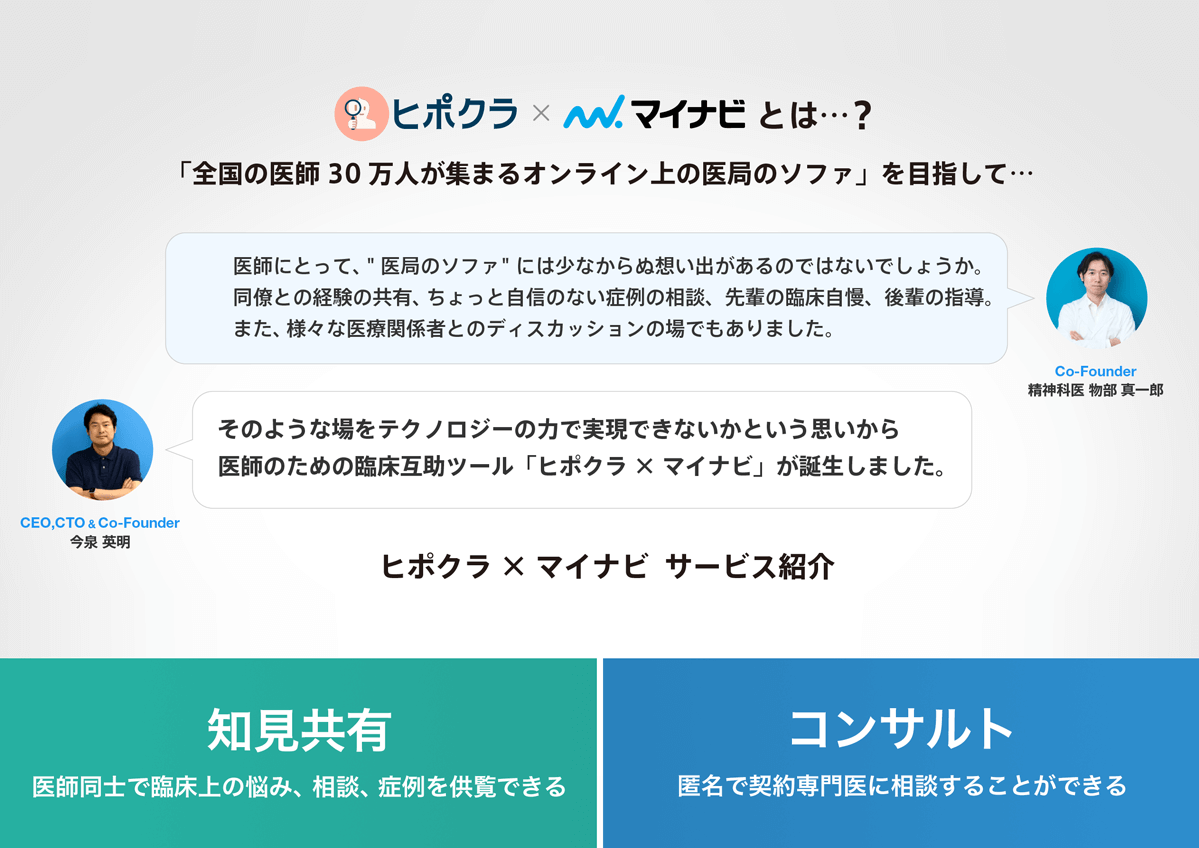
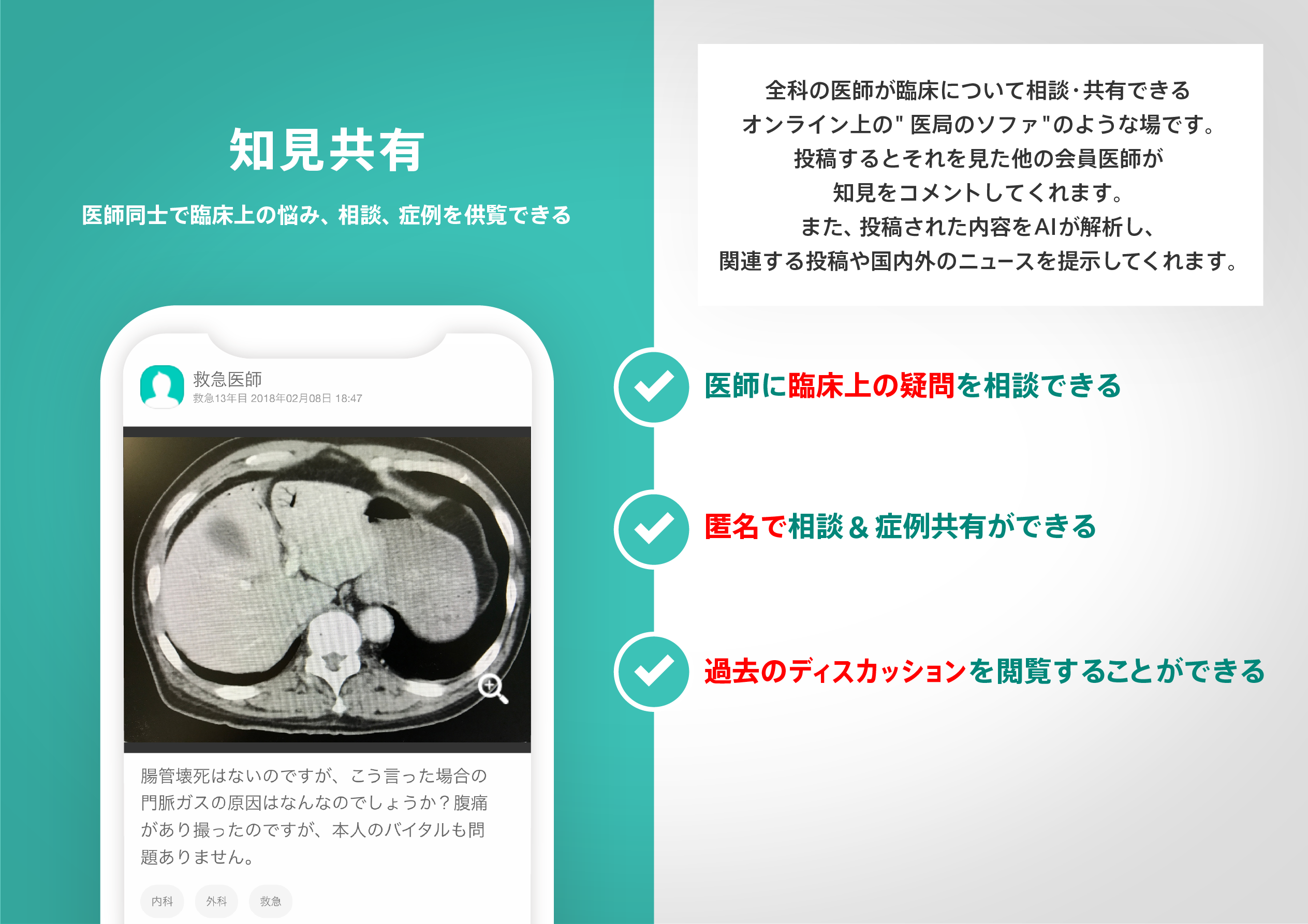
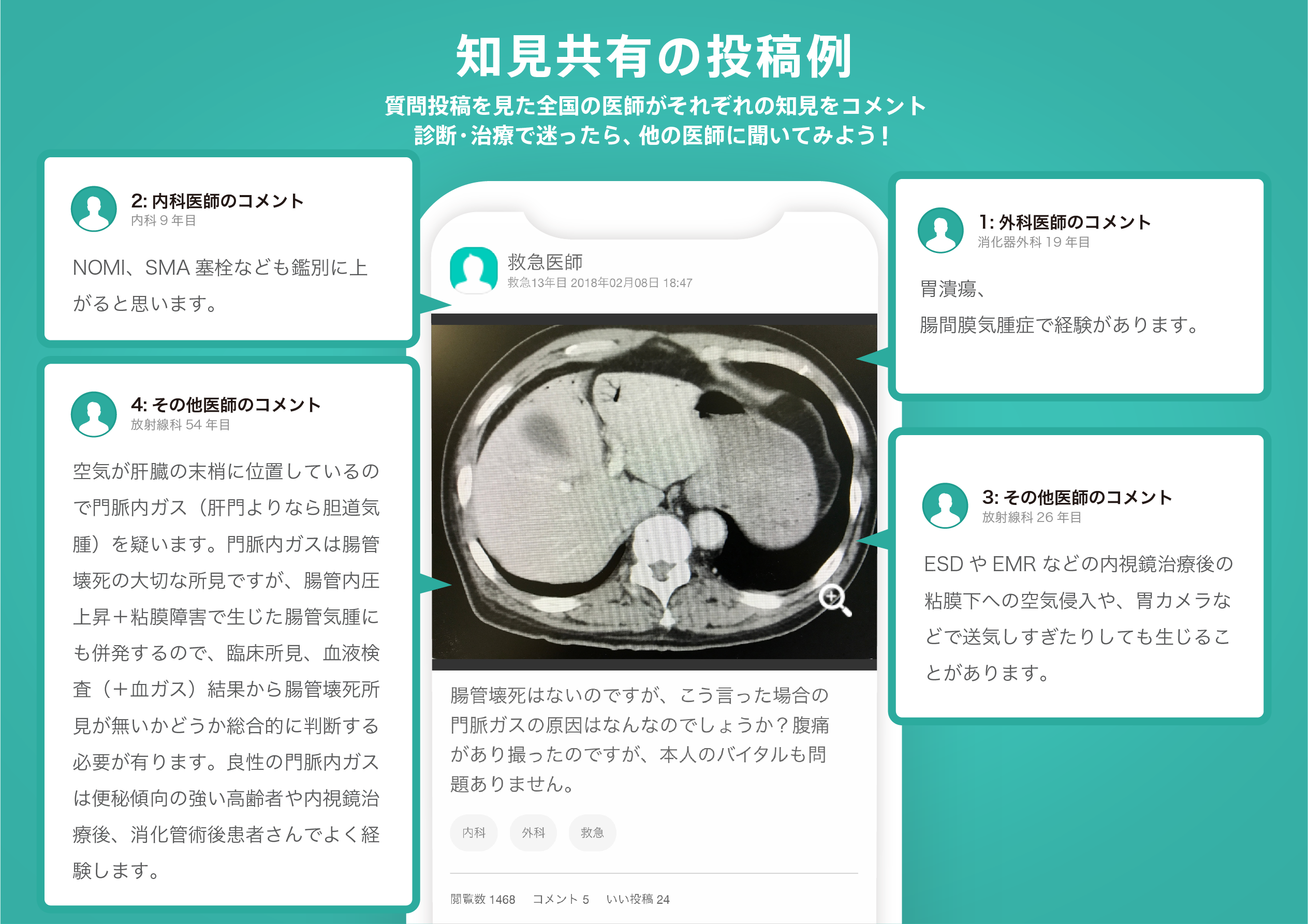
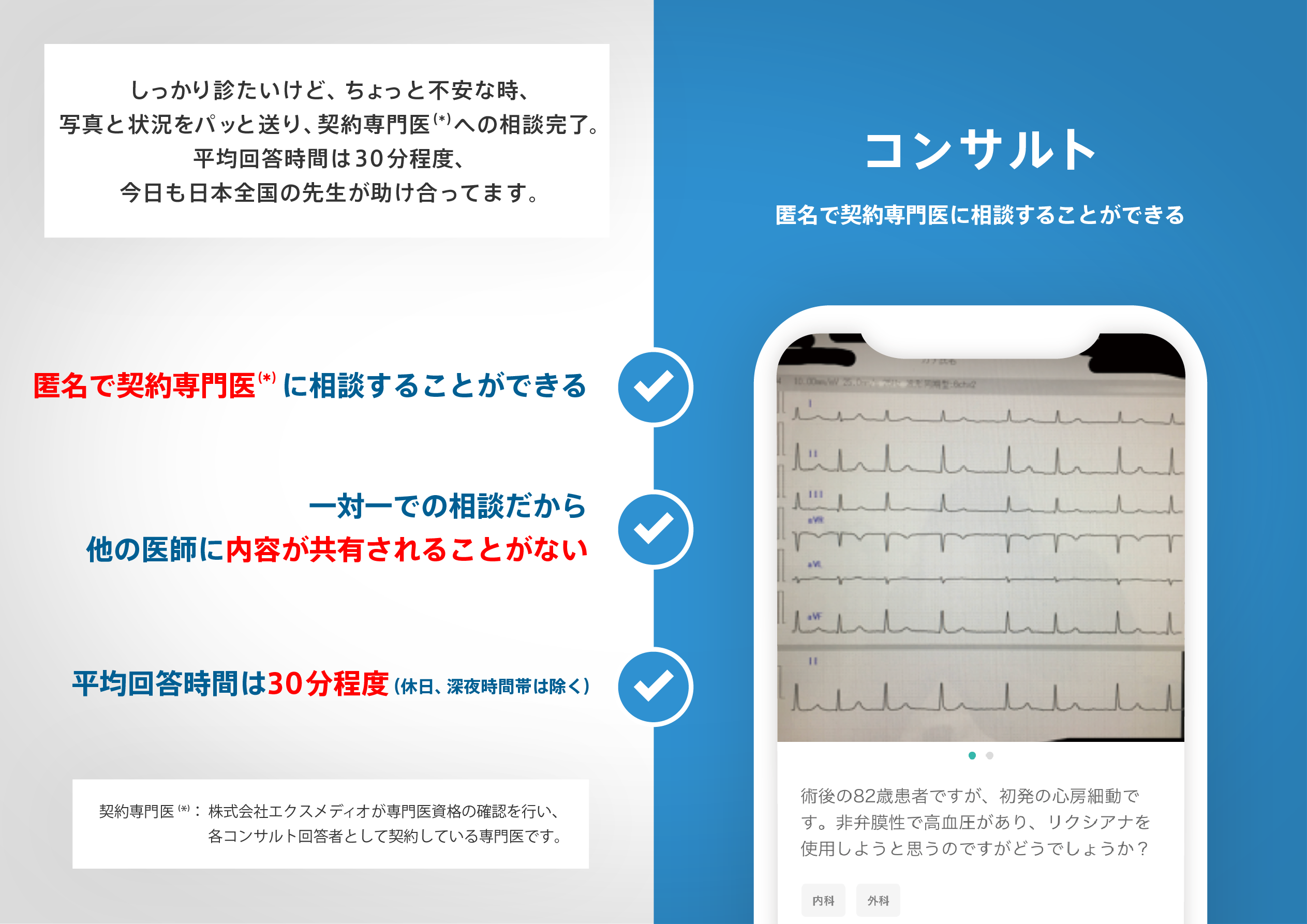
ヒポクラ x マイナビのご紹介

無料会員登録していただくと、さらに便利で効率的な検索が可能になります。