著名医師による解説が無料で読めます
すると翻訳の精度が向上します
子どもたちは、動詞の形態と語彙の意味論の類型的な類型組織を考えると、母国語に固有の方法で動詞の学習にアプローチします。親子の相互作用は、子どもたちの社会的認知能力がトークン間の予測的な関係を追跡し、周囲の言語のパターンと規則性から言語の一般化を抽出することを可能にする分野です。現在の研究では、ヘブライ語動詞のシステムが、幼少期の経時的にネットワークとしてどのように発達するか、およびネットワークの複雑さの増加における入出力適応の動的な役割を調べます。焦点は、1歳; 8-2; 2の間の自然な相互作用における2つの親子ダイアドの密なコーパスのヘブライ動詞の形態学的成分にあります。91時間のコーパスには、CDとCSに371,547ワードトークン、62,824の動詞トークン、および1,410の動詞タイプ(補題)が含まれていました。ネットワーク分析は、動詞の根と動詞パターンの間の関係の変化する分布と緊急の体系性を調査するために採用されました。ネットワーク内のリンクされたノードを表すためにセムのルートとパターンの形態学的構造をとると、調査結果は、子供のネットワークがノードの程度とノードの中心性の点で年齢とともに変化し、それぞれリンケージレベルと構成の重要性を表すことを示しています。ネットワークの成長の可能性を表すように、ネットワーク密度の観点から。(i)開発による動詞の使用の変化、(ii)CS適応、および(iii)CDS適応に関する3つの主要な仮説を提出しました。最初に、子供が個々の構造を使用して表現された句読点開発を経ることを示します。短期間、両親の使用パターンはより一貫性があります。第二に、時間とCDに比べて動的なネットワークシステム内のCS適応に関して、子供は現在のCDSの使用と以前の過去の使用からなる当面の経験に順応していると結論付けます。最後に、親は(意図せずに)子供の言語知識に3つの方法で適応することを示しています。まず、子どもの現在の使用に関連することです。第二に、以前の経験を拡大することにより、子供たちがすでにさらされている使用法に基づいています。そして第三に、親が子供のスピーチで限られたネットワークを経験したとき、彼らは将来の相互作用でシステムを拡大する機会を彼らに提供することを示します。
子どもたちは、動詞の形態と語彙の意味論の類型的な類型組織を考えると、母国語に固有の方法で動詞の学習にアプローチします。親子の相互作用は、子どもたちの社会的認知能力がトークン間の予測的な関係を追跡し、周囲の言語のパターンと規則性から言語の一般化を抽出することを可能にする分野です。現在の研究では、ヘブライ語動詞のシステムが、幼少期の経時的にネットワークとしてどのように発達するか、およびネットワークの複雑さの増加における入出力適応の動的な役割を調べます。焦点は、1歳; 8-2; 2の間の自然な相互作用における2つの親子ダイアドの密なコーパスのヘブライ動詞の形態学的成分にあります。91時間のコーパスには、CDとCSに371,547ワードトークン、62,824の動詞トークン、および1,410の動詞タイプ(補題)が含まれていました。ネットワーク分析は、動詞の根と動詞パターンの間の関係の変化する分布と緊急の体系性を調査するために採用されました。ネットワーク内のリンクされたノードを表すためにセムのルートとパターンの形態学的構造をとると、調査結果は、子供のネットワークがノードの程度とノードの中心性の点で年齢とともに変化し、それぞれリンケージレベルと構成の重要性を表すことを示しています。ネットワークの成長の可能性を表すように、ネットワーク密度の観点から。(i)開発による動詞の使用の変化、(ii)CS適応、および(iii)CDS適応に関する3つの主要な仮説を提出しました。最初に、子供が個々の構造を使用して表現された句読点開発を経ることを示します。短期間、両親の使用パターンはより一貫性があります。第二に、時間とCDに比べて動的なネットワークシステム内のCS適応に関して、子供は現在のCDSの使用と以前の過去の使用からなる当面の経験に順応していると結論付けます。最後に、親は(意図せずに)子供の言語知識に3つの方法で適応することを示しています。まず、子どもの現在の使用に関連することです。第二に、以前の経験を拡大することにより、子供たちがすでにさらされている使用法に基づいています。そして第三に、親が子供のスピーチで限られたネットワークを経験したとき、彼らは将来の相互作用でシステムを拡大する機会を彼らに提供することを示します。
Children approach verb learning in ways that are specific to their native language, given the differential typological organization of verb morphology and lexical semantics. Parent-child interaction is the arena where children's socio-cognitive abilities enable them to track predictive relationships between tokens and extract linguistic generalizations from patterns and regularities in the ambient language. The current study examines how the system of Hebrew verbs develops as a network over time in early childhood, and the dynamic role of input-output adaptation in the network's increasing complexity. Focus is on the morphological components of Hebrew verbs in a dense corpus of two parent-child dyads in natural interaction between the ages 1;8-2;2. The 91-hour corpus contained 371,547 word tokens, 62,824 verb tokens, and 1,410 verb types (lemmas) in CDS and CS together. Network analysis was employed to explore the changing distributions and emergent systematicity of the relations between verb roots and verb patterns. Taking the Semitic root and pattern morphological constructs to represent linked nodes in a network, findings show that children's networks change with age in terms of node degree and node centrality, representing linkage level and construct importance respectively; and in terms of network density, as representing network growth potential. We put forward three main hypotheses followed by findings concerning (i) changes in verb usage through development, (ii) CS adaptation, and (iii) CDS adaptation: First, we show that children go through punctuated development, expressed by their using individual constructs for short periods of time, whereas parents' patterns of usage are more coherent. Second, regarding CS adaptation within a dynamic network system relative to time and CDS, we conclude that children are attuned to their immediate experience consisting of current CDS usage as well as previous usage in the immediate past. Finally, we show that parents (unintentionally) adapt to their children's language knowledge in three ways: First, by relating to their children's current usage. Second, by expanding on previous experience, building upon the usage their children have already been exposed to. And third, we show that when parents experience a limited network in the speech of their children, they provide them with more opportunities to expand their system in future interactions.
医師のための臨床サポートサービス
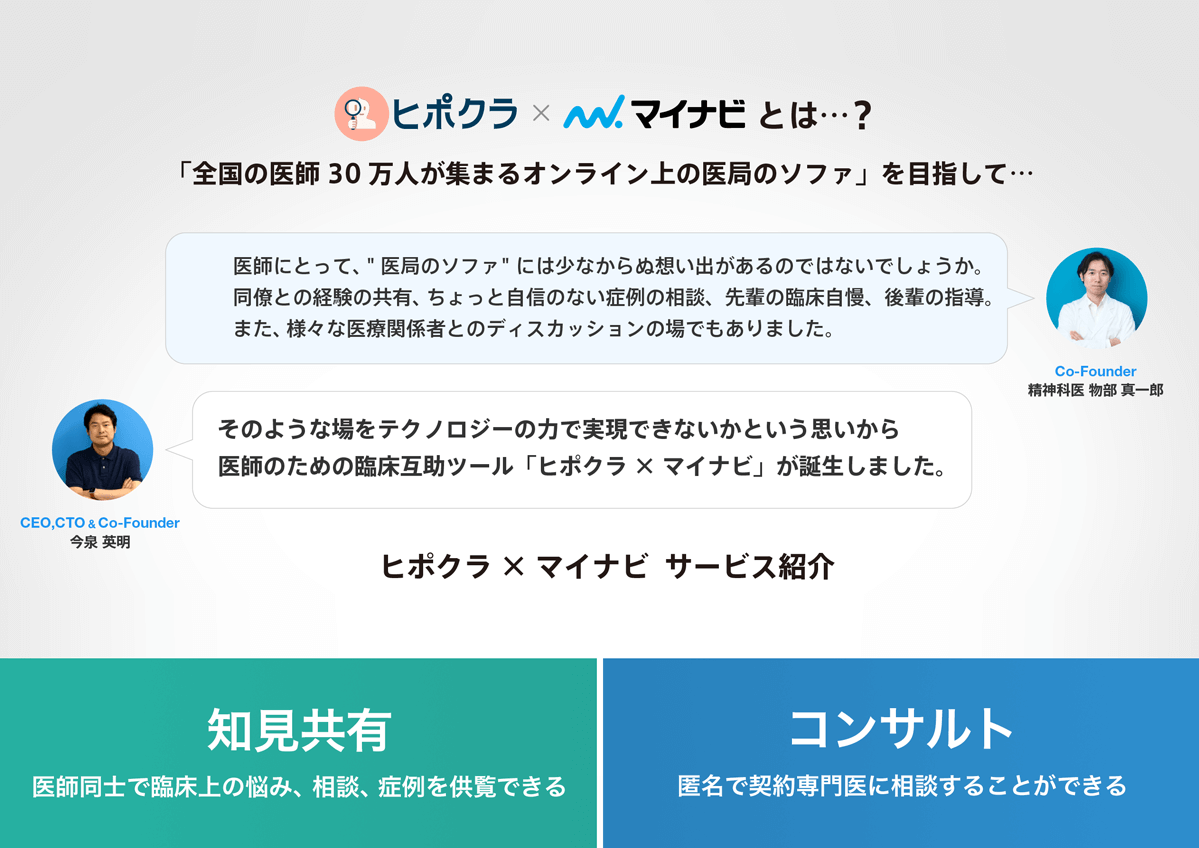
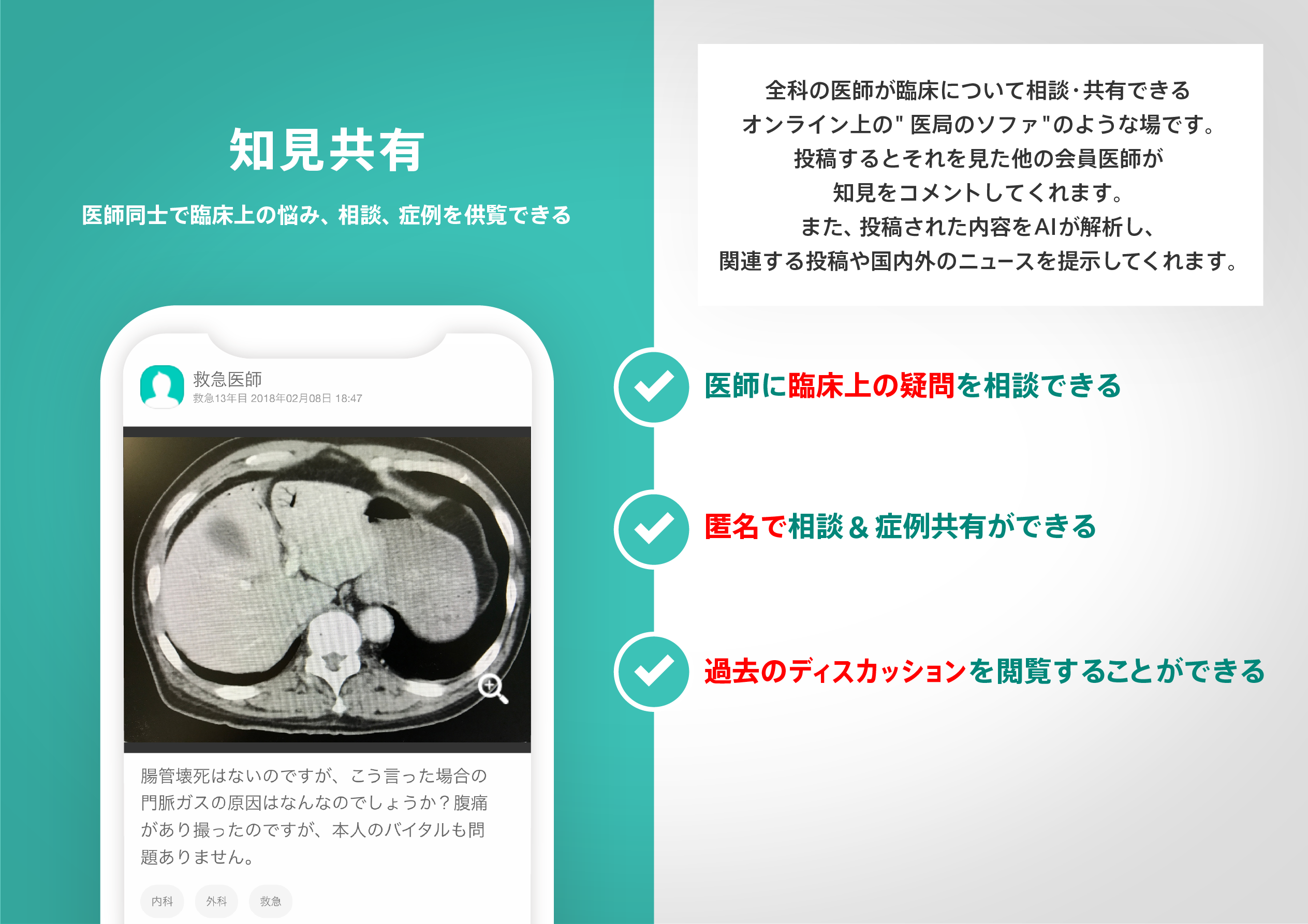
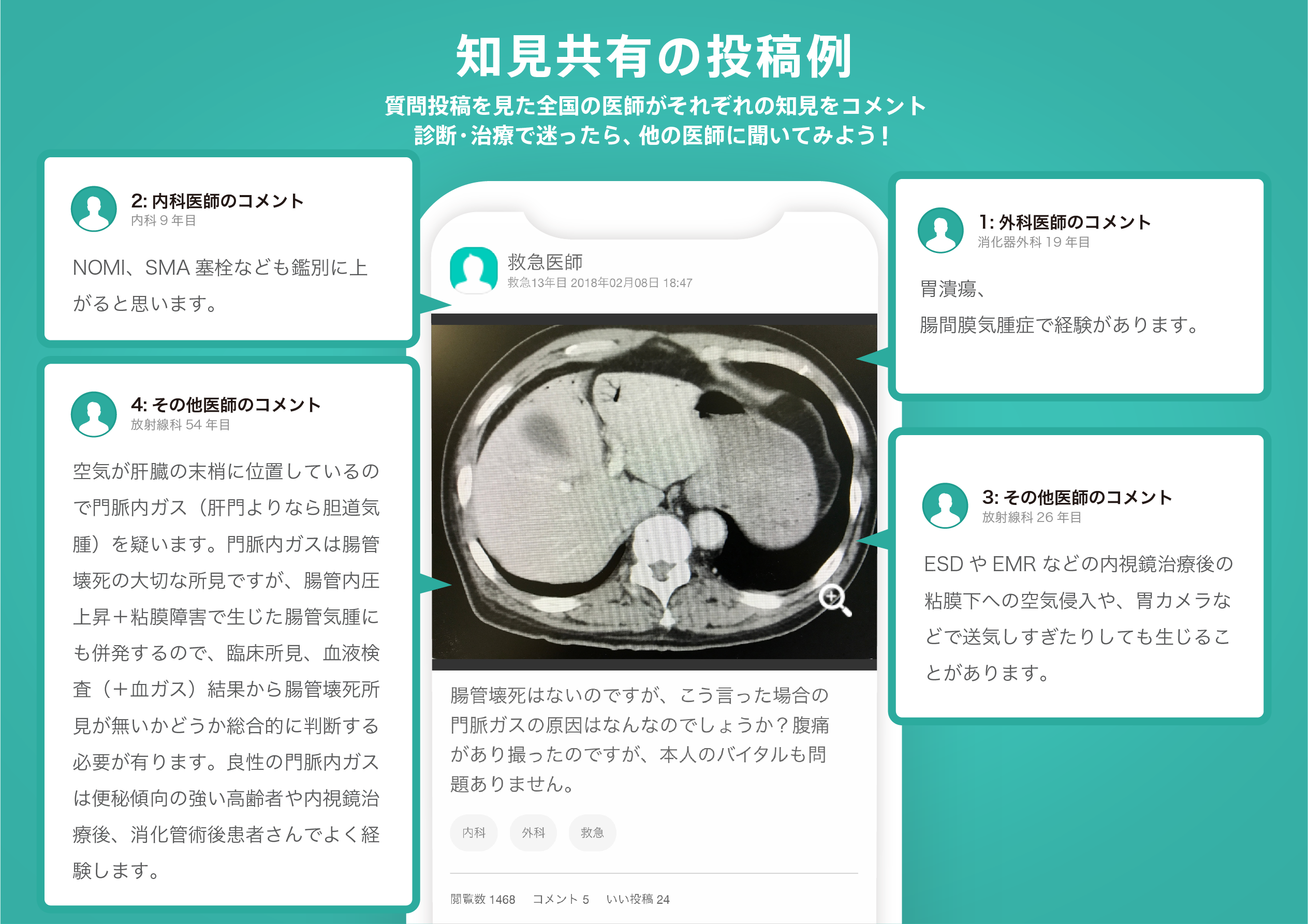
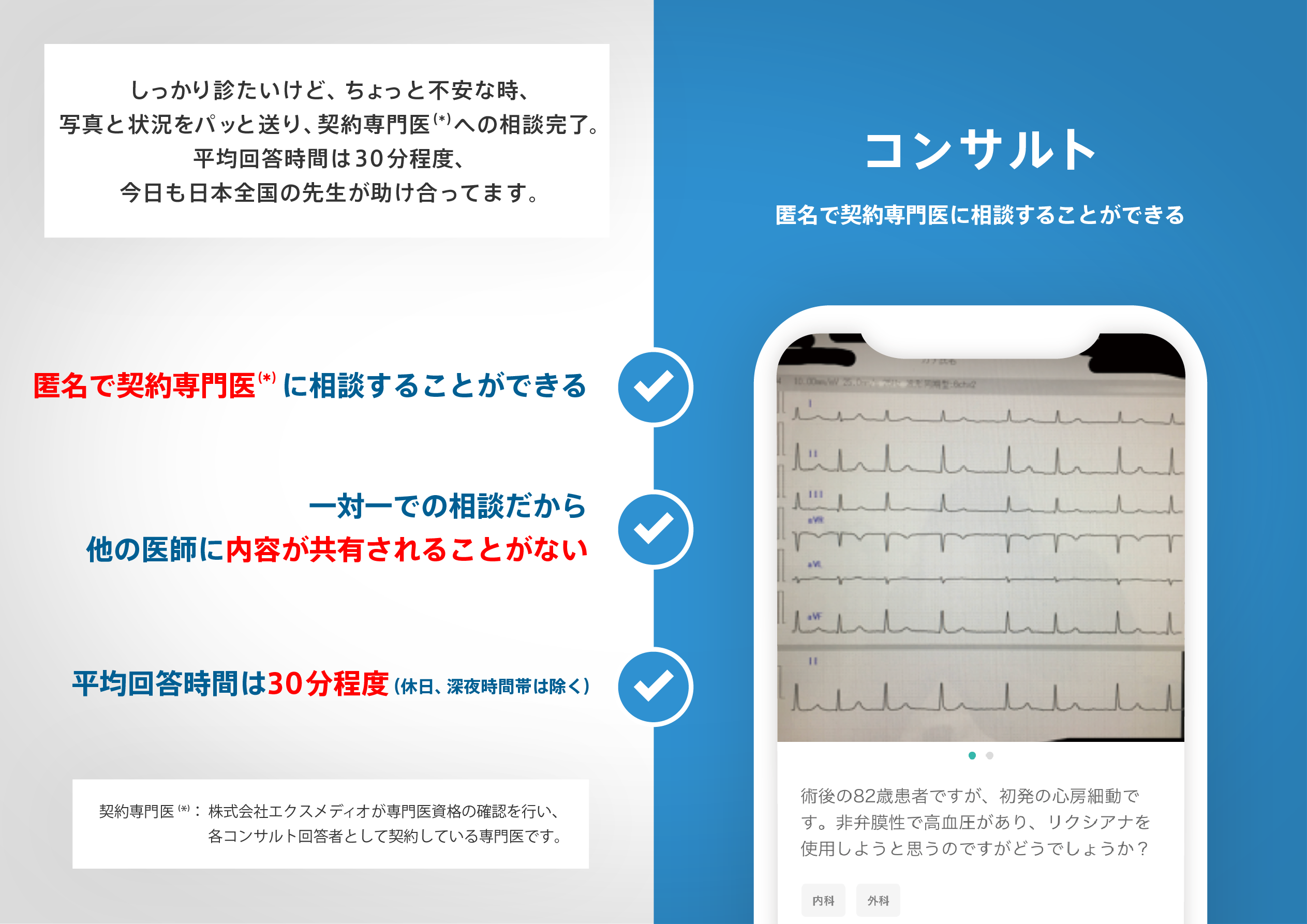
ヒポクラ x マイナビのご紹介

無料会員登録していただくと、さらに便利で効率的な検索が可能になります。