著名医師による解説が無料で読めます
すると翻訳の精度が向上します
背景:筋肉の品質測定を促進する方法は、サルコペニアの診断を改善する可能性があります。現在の研究は、細胞の健康、特に細胞膜の完全性と細胞機能の指標として生体電気インピーダンス分析(BIA)を通じて得られた位相角(PHA)に焦点を当てています。したがって、現在の研究は、PHAと筋肉の質と筋肉関連のパラメーターとの関係を評価し、PHAに関連する因子を決定することを目的としています。さらに、サルコペニアを予測するためのPHAのカットオフ値を決定しようとしました。 方法:1年生の大学生(830人の男子学生、18.5±0.6歳、422人の女子学生、18.3±0.5歳)およびコミュニティに住む高齢者(70人の男性個人、74.4±5.5歳、97人の女性、73.1±6.4歳)が含まれていました。PHAおよびその他の体組成データはBIAを使用して測定されましたが、筋肉の品質は、上肢の筋肉量で手裂強度を分割することによって計算されました。次に、PHAと前述のパラメーターの関係を分析し、その後、筋細胞症を予測するためのPHAのカットオフ値を調べました。 結果:複数の線形回帰分析により、年齢、骨格筋腫瘤指数(SMI)、および筋肉の質が両方の性別のPHAと独立して関連していることが明らかになりました[男性(年齢:標準化された回帰係数= -0.43、P <0.001、SMI:β= 0.61、P <0.001、P <0.001)の筋肉品質:β= 0.13、P <0.001)。 SMI:β= 0.52、p <0.001、筋肉の質:β= 0.09、p = 0.007)]。サルコペニアの参加者は、それがない患者と比較してPHAが有意に低かった(サルコペニア対非サルコペニア:若い男性の参加者、5.51±0.41°対6.25±0.50°、P <0.001;若い女性参加者、4.88±0.16°対5.88±0.16°vs。5.37±0.44°、P = 0.20; 3±0.42°、p = 0.009)。高齢の男性の参加者では有意な発見は観察されませんでしたが、同じ傾向が認められました。受信機の手術特性(ROC)曲線分析は、PHAが若い男性、高齢の男性、若い女性、および高齢の女性の参加者のサルコペニアに対して良好な予測能力を持っていることを示しています(ROC曲線の下の領域は0.882、0.838、0.865、および0.850、5.95°、5.02°、および4.20°、および4.20°、5.02°、および4.20°の5.02°、5.02°、5.02°、5.02°、5.02°、5.02°、5.02°、4.04°、5.02°、4.02°、4.02°、4.02°、4.04°、0.850の領域を示しています。 結論:PHAは筋肉の質を反映し、サルコペニアを検出する際に良好な精度を示し、筋肉の質を容易に測定するための指標としての有用性を示唆し、サルコペニアの診断を改善する可能性があります。
背景:筋肉の品質測定を促進する方法は、サルコペニアの診断を改善する可能性があります。現在の研究は、細胞の健康、特に細胞膜の完全性と細胞機能の指標として生体電気インピーダンス分析(BIA)を通じて得られた位相角(PHA)に焦点を当てています。したがって、現在の研究は、PHAと筋肉の質と筋肉関連のパラメーターとの関係を評価し、PHAに関連する因子を決定することを目的としています。さらに、サルコペニアを予測するためのPHAのカットオフ値を決定しようとしました。 方法:1年生の大学生(830人の男子学生、18.5±0.6歳、422人の女子学生、18.3±0.5歳)およびコミュニティに住む高齢者(70人の男性個人、74.4±5.5歳、97人の女性、73.1±6.4歳)が含まれていました。PHAおよびその他の体組成データはBIAを使用して測定されましたが、筋肉の品質は、上肢の筋肉量で手裂強度を分割することによって計算されました。次に、PHAと前述のパラメーターの関係を分析し、その後、筋細胞症を予測するためのPHAのカットオフ値を調べました。 結果:複数の線形回帰分析により、年齢、骨格筋腫瘤指数(SMI)、および筋肉の質が両方の性別のPHAと独立して関連していることが明らかになりました[男性(年齢:標準化された回帰係数= -0.43、P <0.001、SMI:β= 0.61、P <0.001、P <0.001)の筋肉品質:β= 0.13、P <0.001)。 SMI:β= 0.52、p <0.001、筋肉の質:β= 0.09、p = 0.007)]。サルコペニアの参加者は、それがない患者と比較してPHAが有意に低かった(サルコペニア対非サルコペニア:若い男性の参加者、5.51±0.41°対6.25±0.50°、P <0.001;若い女性参加者、4.88±0.16°対5.88±0.16°vs。5.37±0.44°、P = 0.20; 3±0.42°、p = 0.009)。高齢の男性の参加者では有意な発見は観察されませんでしたが、同じ傾向が認められました。受信機の手術特性(ROC)曲線分析は、PHAが若い男性、高齢の男性、若い女性、および高齢の女性の参加者のサルコペニアに対して良好な予測能力を持っていることを示しています(ROC曲線の下の領域は0.882、0.838、0.865、および0.850、5.95°、5.02°、および4.20°、および4.20°、5.02°、および4.20°の5.02°、5.02°、5.02°、5.02°、5.02°、5.02°、5.02°、4.04°、5.02°、4.02°、4.02°、4.02°、4.04°、0.850の領域を示しています。 結論:PHAは筋肉の質を反映し、サルコペニアを検出する際に良好な精度を示し、筋肉の質を容易に測定するための指標としての有用性を示唆し、サルコペニアの診断を改善する可能性があります。
BACKGROUND: Methods that facilitate muscle quality measurement may improve the diagnosis of sarcopenia. Current research has focused on the phase angle (PhA) obtained through bioelectrical impedance analysis (BIA) as an indicator of cellular health, particularly cell membrane integrity and cell function. The current study therefore aimed to evaluate the relationship between the PhA and muscle quality and muscle-related parameters and to determine factors associated with the PhA. Moreover, we attempted to determine the cut-off value of PhA for predicting sarcopenia. METHODS: First-year university students (830 male students, 18.5 ± 0.6 years old; 422 female students, 18.3 ± 0.5 years old) and community-dwelling elderly individuals (70 male individuals, 74.4 ± 5.5 years old; 97 female individuals, 73.1 ± 6.4 years old) were included. PhA and other body composition data were measured using BIA, while muscle quality was calculated by dividing handgrip strength by upper limbs muscle mass. The relationship between PhA and the aforementioned parameters were then analysed, after which the cut-off value of PhA for predicting sarcopenia was examined. RESULTS: Multiple linear regression analysis revealed that age, skeletal muscle mass index (SMI), and muscle quality were independently associated with PhA in both sexes [male (age: standardized regression coefficient (β) = -0.43, P < 0.001, SMI: β = 0.61, P < 0.001, muscle quality: β = 0.13, P < 0.001) and female (age: β = -0.56, P < 0.001, SMI: β = 0.52, P < 0.001, muscle quality: β = 0.09, P = 0.007)]. Participants with sarcopenia had a significantly lower PhA compared with those without it (sarcopenia vs. non-sarcopenia: young male participants, 5.51 ± 0.41° vs. 6.25 ± 0.50°, P < 0.001; young female participants, 4.88 ± 0.16° vs. 5.37 ± 0.44°, P = 0.005; elderly female participants: 4.14 ± 0.29° vs. 4.63 ± 0.42°, P = 0.009). Although no significant findings were observed in elderly male participants, the same tendency was noted. Receiver operating characteristic (ROC) curve analysis indicated that PhA had good predictive ability for sarcopenia in young male, elderly male, young female, and elderly female participants (area under the ROC curve of 0.882, 0.838, 0.865, and 0.850, with cut-off PhA values of 5.95°, 5.04°, 5.02°, and 4.20° for predicting sarcopenia, respectively). CONCLUSIONS: The PhA reflected muscle quality and exhibited good accuracy in detecting sarcopenia, suggesting its utility as an index for easily measuring muscle quality, which could improve the diagnosis of sarcopenia.
医師のための臨床サポートサービス
ヒポクラ x マイナビのご紹介


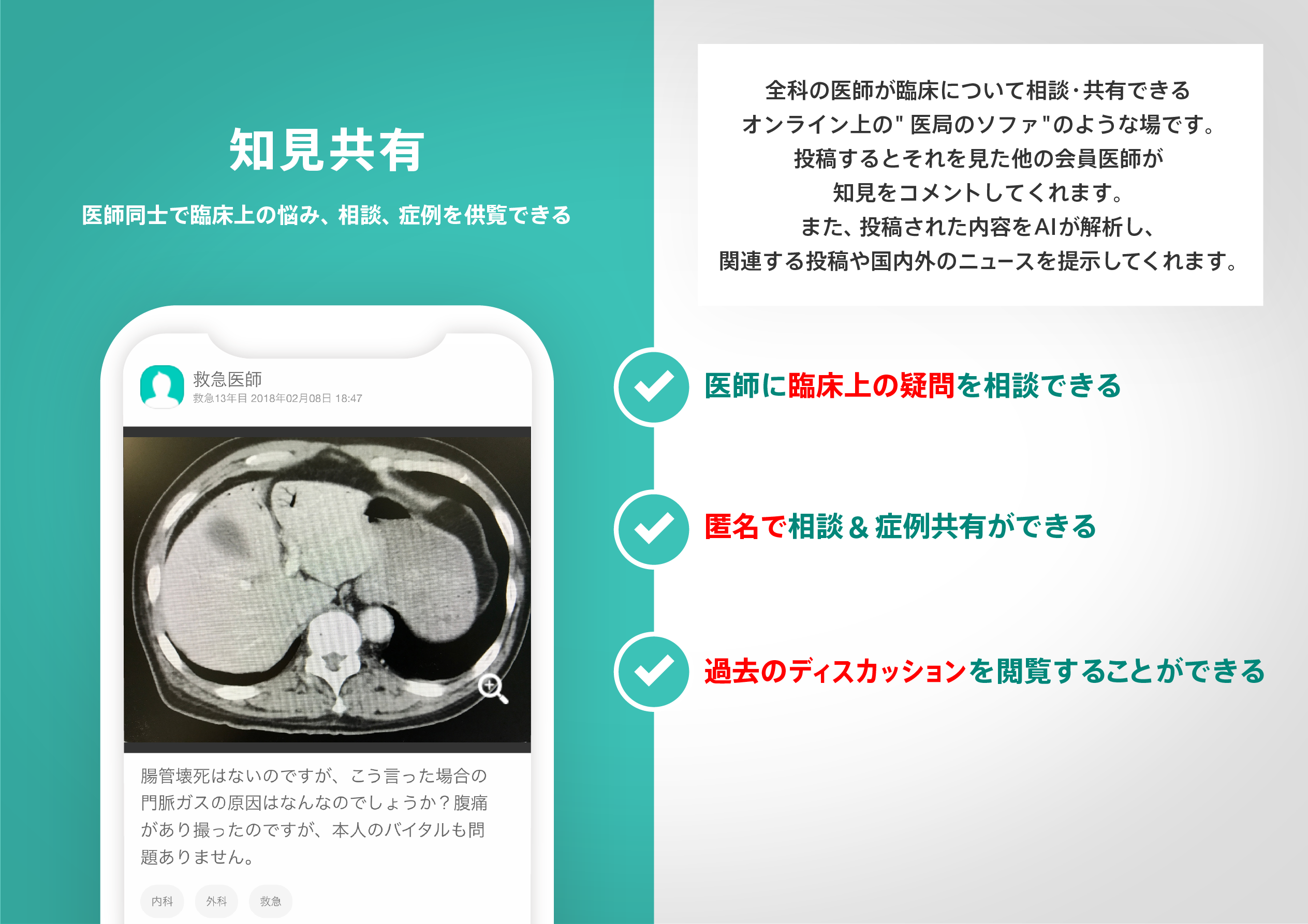
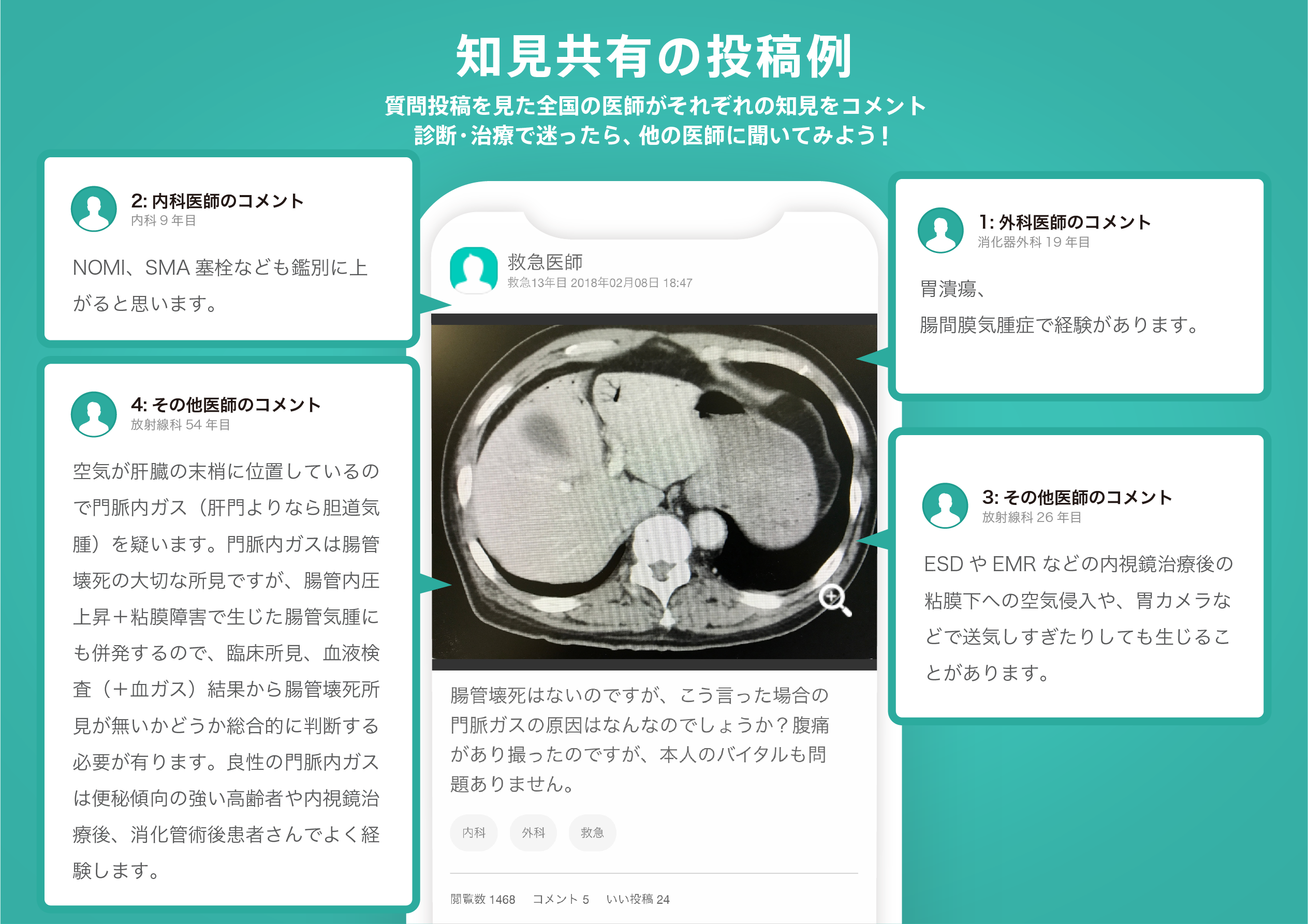

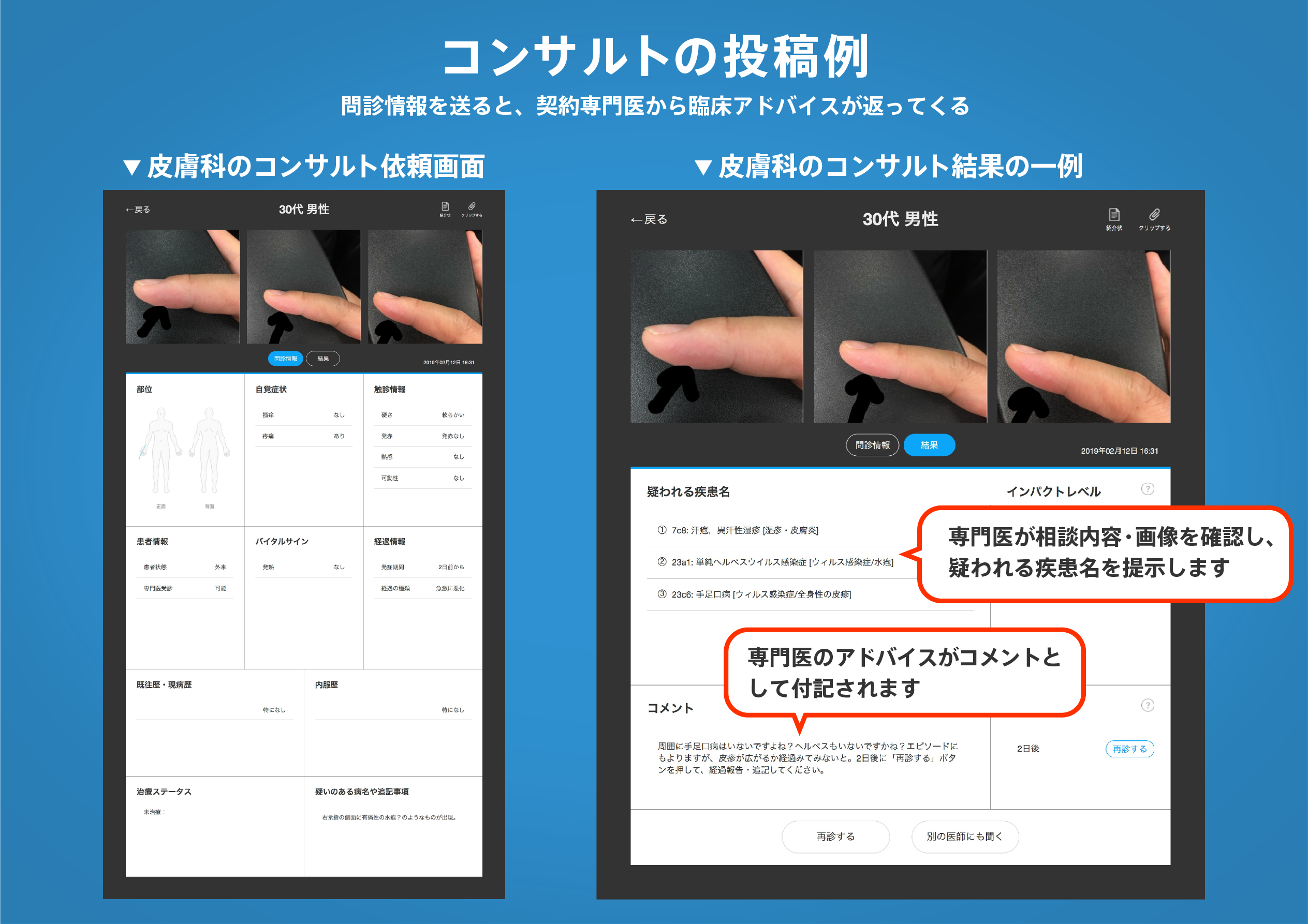

無料会員登録していただくと、さらに便利で効率的な検索が可能になります。