著名医師による解説が無料で読めます
すると翻訳の精度が向上します
背景:顎関節障害(TMD)は、痛み、関節音、下顎運動障害の主な症状を伴う一般的で一般的な疾患であり、患者の精神的健康と生活の質に深刻な影響を与えます。近年、TMDの治療に温かい針鍼(WNA)を利用する研究が増えており、研究の質が徐々に向上しました。しかし、証拠に基づいた医療からの証拠は不足しています。この研究の目的は、TMDの治療に対するWNAの有効性を理解するために、系統的レビューおよびメタ分析法を使用することです。方法と分析。5つの英語データベース(PubMed、Embase、Cochrane Library、Web of Science、およびMedline)と4つの中国のデータベース(CNKI(CNKI)を含む9つの電子データベースからのTMDの治療のために、WNAのランダム化比較試験(RCT)を検索しました。)、中国のVIP情報、Wanfangデータベース、および中国の生物医学文献データベース(CBM))の開始から2021年5月まで。含まれたRCTは、WNAを鍼治療、電気協同組合、薬理療法、またはその他の治療と比較しました。総有効率や硬化率などの結果指標を評価しました。すべての分析は、Revmanソフトウェアv5.3およびStata16を使用して実施されました。測定カウントデータは、相対リスク(RR)を有効性統計として使用し、各効果サイズにはポイント推定値と95%信頼区間(CI)が与えられました。 結果:メタ分析には、合計670人の患者を対象とした10の研究が含まれていました。これには、実験群の340人の患者と対照群の330人の患者が含まれていました。このレビューのデータは、WNAが鍼治療のみ、TDP、薬物療法、および超音波療法を組み合わせた鍼治療療法などの治療よりも優れていることを示しました(RR = 1.20; 95%CI、1.06〜1.35;およびP =0.003)およびTMDの治療のための硬化率(RR = 1.82; 95%CI、1.46〜2.28、およびP <0.00001)。 結論:この系統的レビューとメタ分析は、TMDの治療に対するWNAの有効性に関する新しい証拠を提供します。ただし、上記の結論は、より大きなサンプルと高品質のRCTの多施設前向き研究によってさらに検証する必要があります。プロトコル登録番号:inplasy202160030。
背景:顎関節障害(TMD)は、痛み、関節音、下顎運動障害の主な症状を伴う一般的で一般的な疾患であり、患者の精神的健康と生活の質に深刻な影響を与えます。近年、TMDの治療に温かい針鍼(WNA)を利用する研究が増えており、研究の質が徐々に向上しました。しかし、証拠に基づいた医療からの証拠は不足しています。この研究の目的は、TMDの治療に対するWNAの有効性を理解するために、系統的レビューおよびメタ分析法を使用することです。方法と分析。5つの英語データベース(PubMed、Embase、Cochrane Library、Web of Science、およびMedline)と4つの中国のデータベース(CNKI(CNKI)を含む9つの電子データベースからのTMDの治療のために、WNAのランダム化比較試験(RCT)を検索しました。)、中国のVIP情報、Wanfangデータベース、および中国の生物医学文献データベース(CBM))の開始から2021年5月まで。含まれたRCTは、WNAを鍼治療、電気協同組合、薬理療法、またはその他の治療と比較しました。総有効率や硬化率などの結果指標を評価しました。すべての分析は、Revmanソフトウェアv5.3およびStata16を使用して実施されました。測定カウントデータは、相対リスク(RR)を有効性統計として使用し、各効果サイズにはポイント推定値と95%信頼区間(CI)が与えられました。 結果:メタ分析には、合計670人の患者を対象とした10の研究が含まれていました。これには、実験群の340人の患者と対照群の330人の患者が含まれていました。このレビューのデータは、WNAが鍼治療のみ、TDP、薬物療法、および超音波療法を組み合わせた鍼治療療法などの治療よりも優れていることを示しました(RR = 1.20; 95%CI、1.06〜1.35;およびP =0.003)およびTMDの治療のための硬化率(RR = 1.82; 95%CI、1.46〜2.28、およびP <0.00001)。 結論:この系統的レビューとメタ分析は、TMDの治療に対するWNAの有効性に関する新しい証拠を提供します。ただし、上記の結論は、より大きなサンプルと高品質のRCTの多施設前向き研究によってさらに検証する必要があります。プロトコル登録番号:inplasy202160030。
BACKGROUND: Temporomandibular joint disorders (TMDs) are a common and prevalent disease with main symptoms of pain, joint sounds, and mandibular movement disorders, which seriously affects the mental health and quality of life of the sufferers. In recent years, there have been an increasing number of studies utilizing warm needle acupuncture (WNA) for the treatment of TMD, and the quality of the studies has gradually improved. However, evidence from evidence-based medicine is lacking. This study aims to use a systematic review and meta-analysis method to understand the efficacy of WNA for the treatment of TMD. Methods and Analysis. We searched randomized controlled trials (RCTs) of WNA for the treatment of TMD from 9 electronic databases, including 5 English databases (PubMed, EMBASE, Cochrane Library, Web of Science, and MEDLINE) and 4 Chinese databases (Chinese National Knowledge Infrastructure (CNKI), Chinese VIP Information, Wanfang Database, and Chinese Biomedical Literature Database (CBM)) from their inception to May 2021. The included RCTs compared WNA with acupuncture, electroacupuncture, pharmacological therapy, or other therapies. And outcome indicators such as total effective rate and cure rate were assessed. All analyses were conducted using RevMan software V5.3 and Stata16. Measurement count data used the relative risk (RR) as the efficacy statistic, and each effect size was given its point estimate value and 95% confidence interval (CI). RESULTS: The meta-analysis included 10 studies with a total of 670 patients, which included 340 patients in the experimental group and 330 patients in the control group. The data in this review showed that WNA is superior to treatments such as acupuncture alone, acupuncture therapy combined with TDP, drug therapy, and ultrasonic therapy in terms of effective rate (RR = 1.20; 95% CI, 1.06 to 1.35; and P = 0.003) and cure rate (RR = 1.82; 95% CI, 1.46 to 2.28; and P < 0.00001) for the treatment of TMD. CONCLUSIONS: This systematic review and meta-analysis provides new evidence for the effectiveness of WNA for the treatment of TMD. However, the above conclusions need to be further verified by multicenter prospective studies of larger samples and higher-quality RCTs. Protocol registration number: INPLASY202160030.
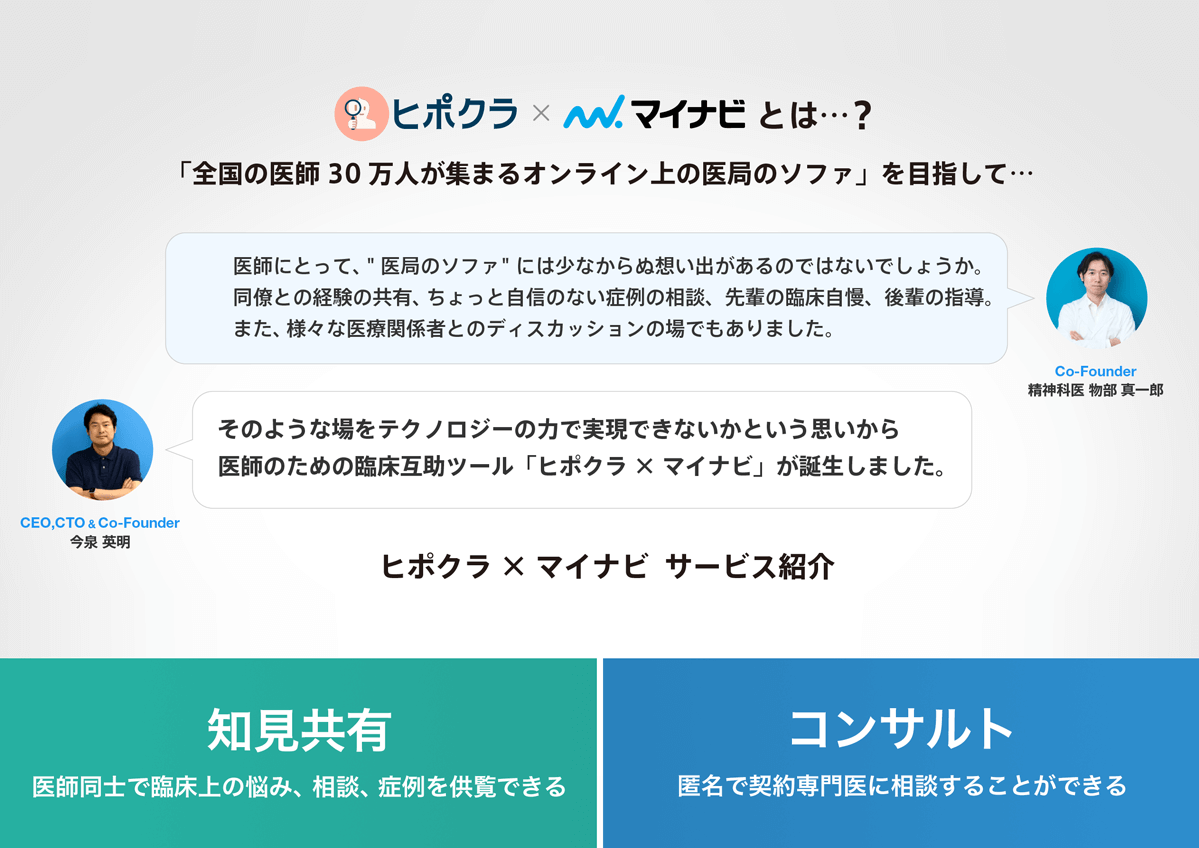
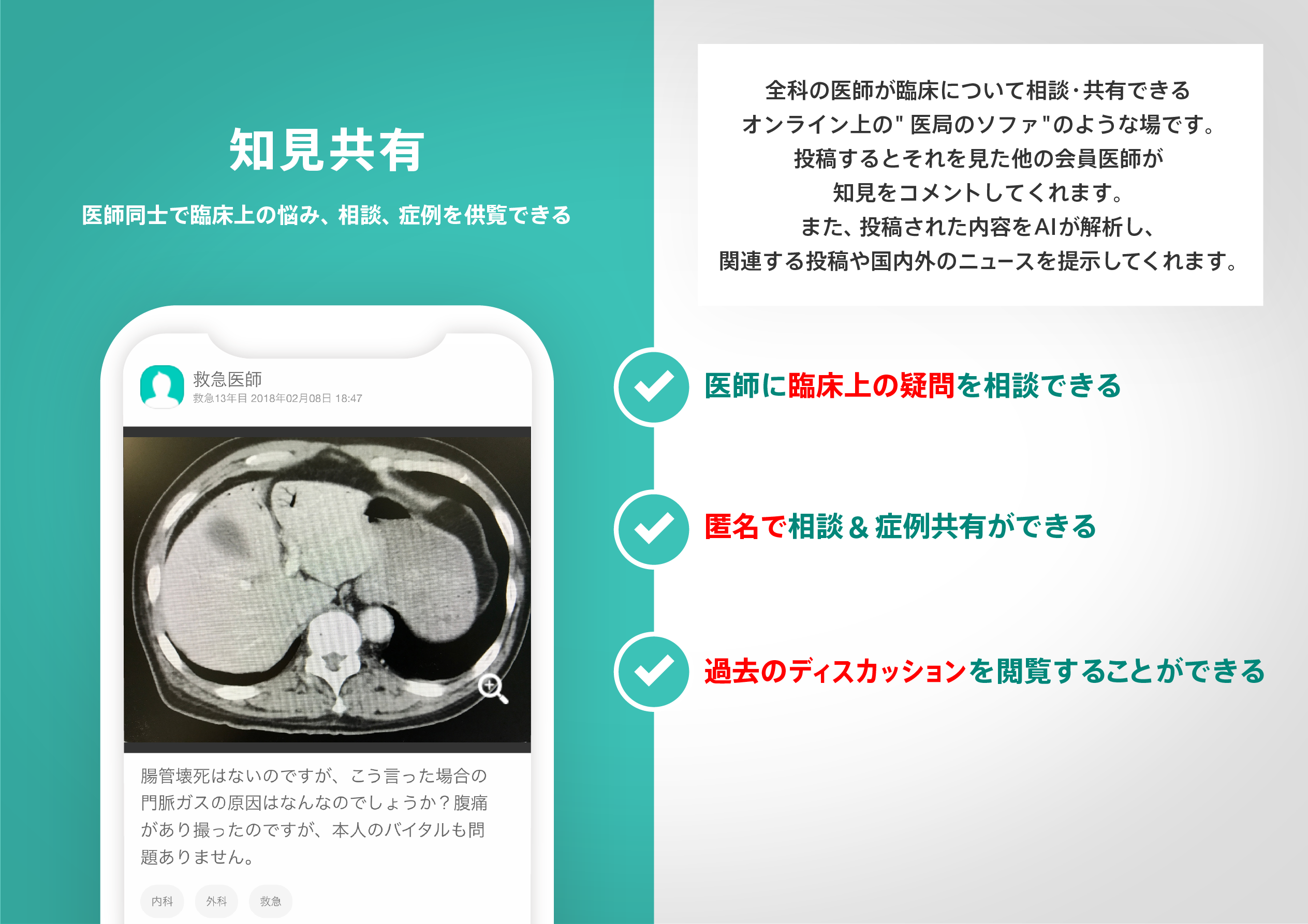
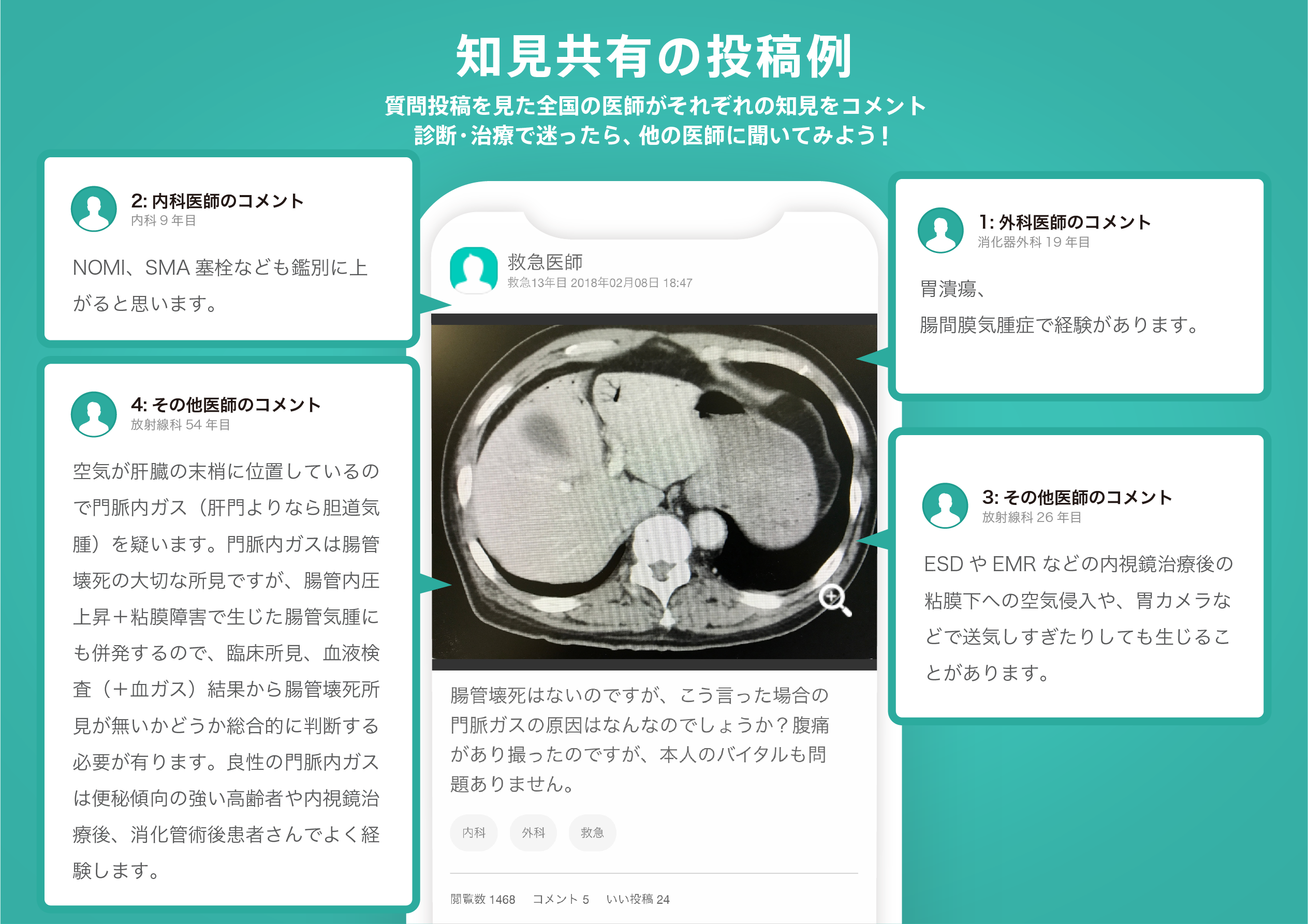
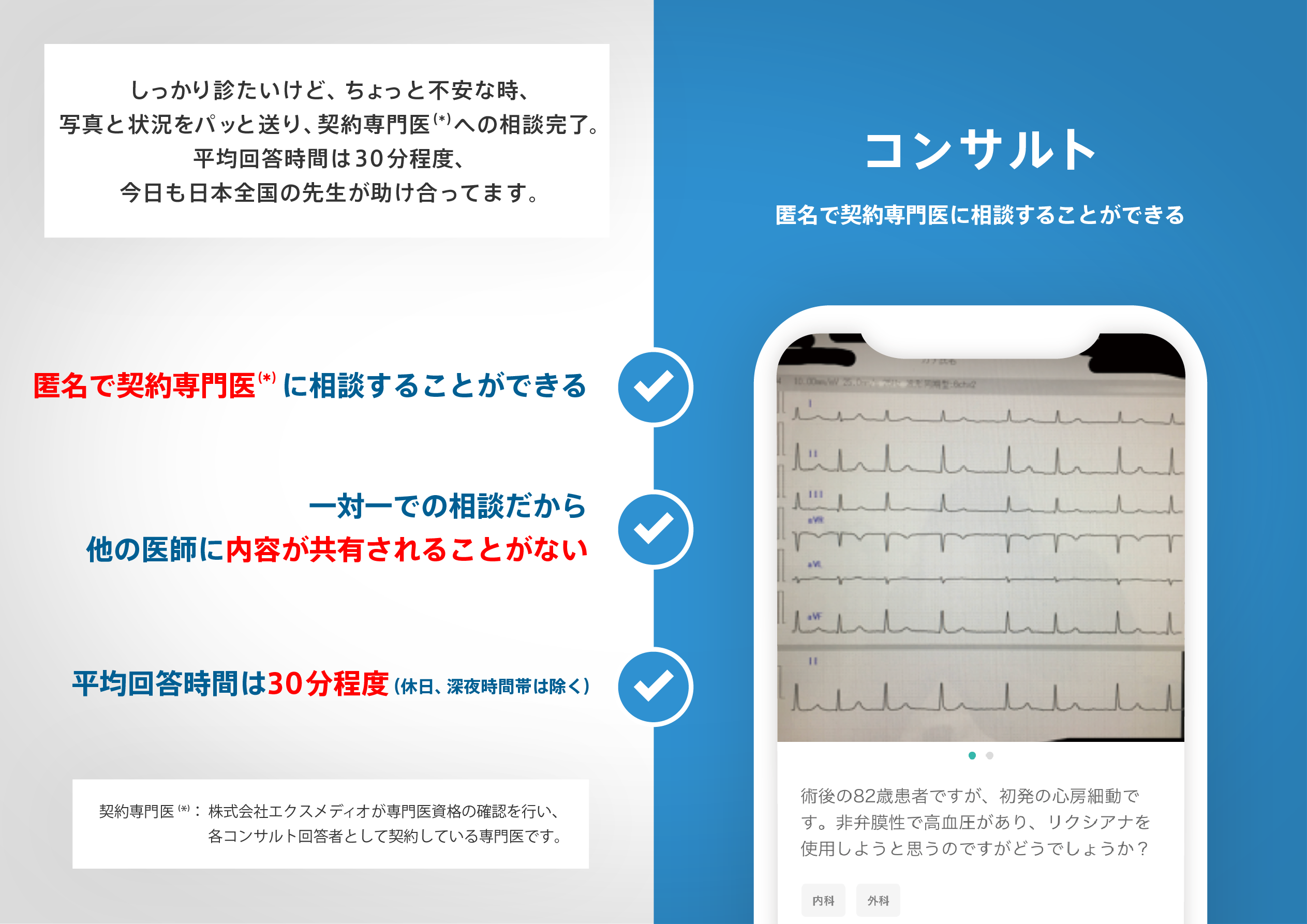
医師のための臨床サポートサービス
ヒポクラ x マイナビのご紹介

無料会員登録していただくと、さらに便利で効率的な検索が可能になります。