著名医師による解説が無料で読めます
すると翻訳の精度が向上します
心房細動(AF)は最も一般的な心臓の不整脈であり、カテーテルマッピングは、AFドライバーがアブレーションの標的となることを検出するための効果的なアプローチであることが証明されています。ドライバーの間で、いわゆるローターが最も注目を集めています。その識別と空間的位置は、どの患者固有のメカニズムが作用しているかを理解し、アブレーションの実行を導くのに役立ちます。多電極カテーテルによるローター検出は、電極間間隔、カテーテルのカバレッジ、心内膜カテーテル距離などのいくつかの構造パラメーターの影響を受ける可能性があるため、この研究では、異なるカテーテル形状の能力をテストするためのツールを提案しました。条件。電気リモデリングを考慮する修正されたコートマンチのイオン性心房モデルと組み合わせたモノドメイン方程式の溶液に基づくアプローチを適用して、2Dモデルのスパイラル波のダイナミクスを7.75秒間シミュレートしました。開発されたフレームワークにより、2 kHzでのユニポーラ信号の取得が可能になりました。2つの高密度多極カテーテルがシミュレートされ(Advisor™HD GridおよびPentaray®)、シミュレートされたスパイラル波がより長く持続する2D領域に配置されました。その後、カテーテルの構成は、電極の数、電極間距離、位置、および心房壁距離を変更して、ローター検出にどのように影響するかを評価することにより変更されました。壁と接触し、そこから1 mmの距離で、すべての構成は、ジオメトリ、カバレッジ、および電極間距離に関係なく、ローターを正しく検出しました。Hdgrid様の形状では、3〜6 mmから6 mmから電極間距離の増加により、LA壁から2 mmの距離でローター検出障害が発生しました。電極間距離に関係なく、ペンタレイのような構成では、ローター検出は3 mm心内膜キャテター距離で失敗しました。このカテーテルの非対称性により、回転依存性ローター検出が生じました。結論として、私たちが開発した計算フレームワークは、臨床設定に似たパラメーター構成で設計された現実的なカテーテル型に基づいています。結果は、マッピングカテーテルのジオメトリと場所がAFドライバーの検出にどのように影響するかを調査するのに適していることを示したため、新しいマッピングキャテターを設計およびテストするための信頼できるツールです。
心房細動(AF)は最も一般的な心臓の不整脈であり、カテーテルマッピングは、AFドライバーがアブレーションの標的となることを検出するための効果的なアプローチであることが証明されています。ドライバーの間で、いわゆるローターが最も注目を集めています。その識別と空間的位置は、どの患者固有のメカニズムが作用しているかを理解し、アブレーションの実行を導くのに役立ちます。多電極カテーテルによるローター検出は、電極間間隔、カテーテルのカバレッジ、心内膜カテーテル距離などのいくつかの構造パラメーターの影響を受ける可能性があるため、この研究では、異なるカテーテル形状の能力をテストするためのツールを提案しました。条件。電気リモデリングを考慮する修正されたコートマンチのイオン性心房モデルと組み合わせたモノドメイン方程式の溶液に基づくアプローチを適用して、2Dモデルのスパイラル波のダイナミクスを7.75秒間シミュレートしました。開発されたフレームワークにより、2 kHzでのユニポーラ信号の取得が可能になりました。2つの高密度多極カテーテルがシミュレートされ(Advisor™HD GridおよびPentaray®)、シミュレートされたスパイラル波がより長く持続する2D領域に配置されました。その後、カテーテルの構成は、電極の数、電極間距離、位置、および心房壁距離を変更して、ローター検出にどのように影響するかを評価することにより変更されました。壁と接触し、そこから1 mmの距離で、すべての構成は、ジオメトリ、カバレッジ、および電極間距離に関係なく、ローターを正しく検出しました。Hdgrid様の形状では、3〜6 mmから6 mmから電極間距離の増加により、LA壁から2 mmの距離でローター検出障害が発生しました。電極間距離に関係なく、ペンタレイのような構成では、ローター検出は3 mm心内膜キャテター距離で失敗しました。このカテーテルの非対称性により、回転依存性ローター検出が生じました。結論として、私たちが開発した計算フレームワークは、臨床設定に似たパラメーター構成で設計された現実的なカテーテル型に基づいています。結果は、マッピングカテーテルのジオメトリと場所がAFドライバーの検出にどのように影響するかを調査するのに適していることを示したため、新しいマッピングキャテターを設計およびテストするための信頼できるツールです。
Atrial fibrillation (AF) is the most common cardiac arrhythmia and catheter mapping has been proved to be an effective approach for detecting AF drivers to be targeted by ablation. Among drivers, the so-called rotors have gained the most attention: their identification and spatial location could help to understand which patient-specific mechanisms are acting, and thus to guide the ablation execution. Since rotor detection by multi-electrode catheters may be influenced by several structural parameters including inter-electrode spacing, catheter coverage, and endocardium-catheter distance, in this study we proposed a tool for testing the ability of different catheter shapes to detect rotors in different conditions. An approach based on the solution of the monodomain equations coupled with a modified Courtemanche ionic atrial model, that considers an electrical remodeling, was applied to simulate spiral wave dynamics on a 2D model for 7.75 s. The developed framework allowed the acquisition of unipolar signals at 2 KHz. Two high-density multipolar catheters were simulated (Advisor™ HD Grid and PentaRay®) and placed in a 2D region in which the simulated spiral wave persists longer. The configuration of the catheters was then modified by changing the number of electrodes, inter-electrodes distance, position, and atrial-wall distance for assessing how they would affect the rotor detection. In contact with the wall and at 1 mm distance from it, all the configurations detected the rotor correctly, irrespective of geometry, coverage, and inter-electrode distance. In the HDGrid-like geometry, the increase of the inter-electrode distance from 3 to 6 mm caused rotor detection failure at 2 mm distance from the LA wall. In the PentaRay-like configuration, regardless of inter-electrode distance, rotor detection failed at 3 mm endocardium-catheter distance. The asymmetry of this catheter resulted in rotation-dependent rotor detection. To conclude, the computational framework we developed is based on realistic catheter shapes designed with parameter configurations which resemble clinical settings. Results showed it is well suited to investigate how mapping catheter geometry and location affect AF driver detection, therefore it is a reliable tool to design and test new mapping catheters.
医師のための臨床サポートサービス
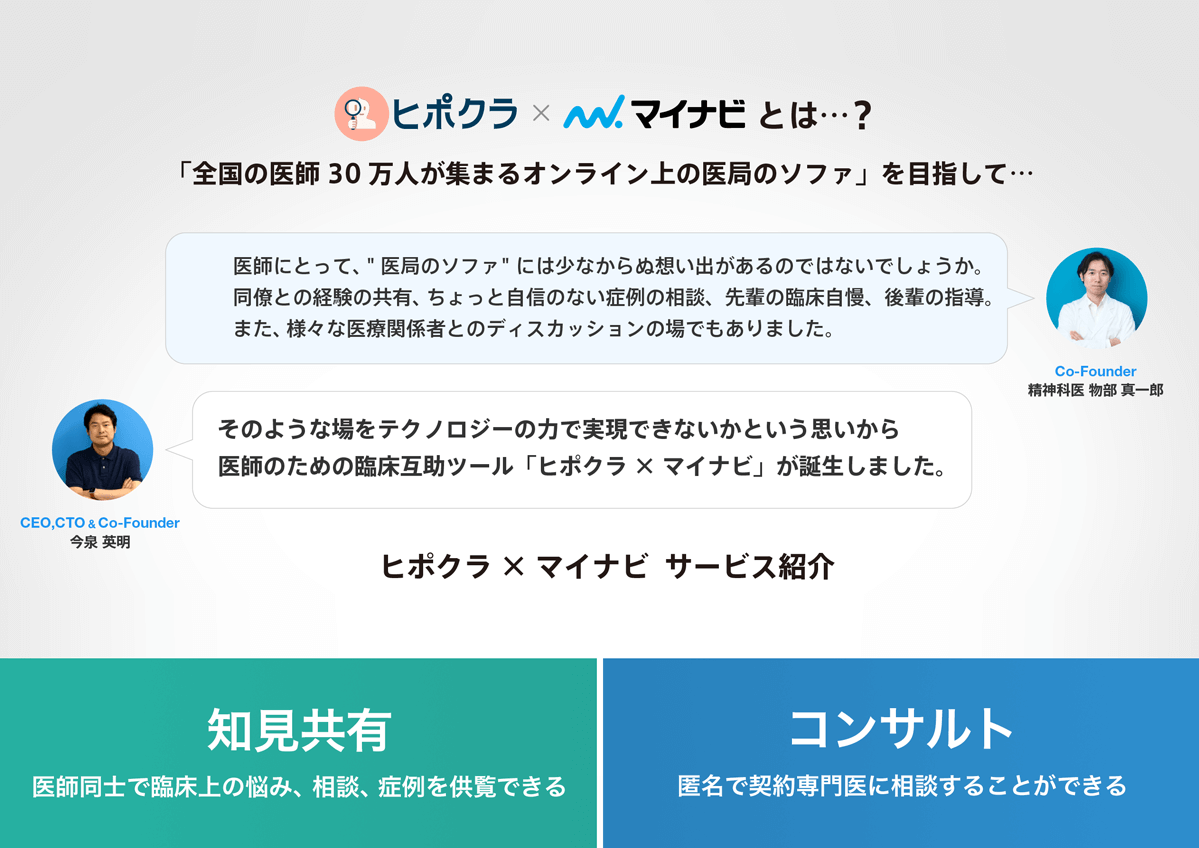
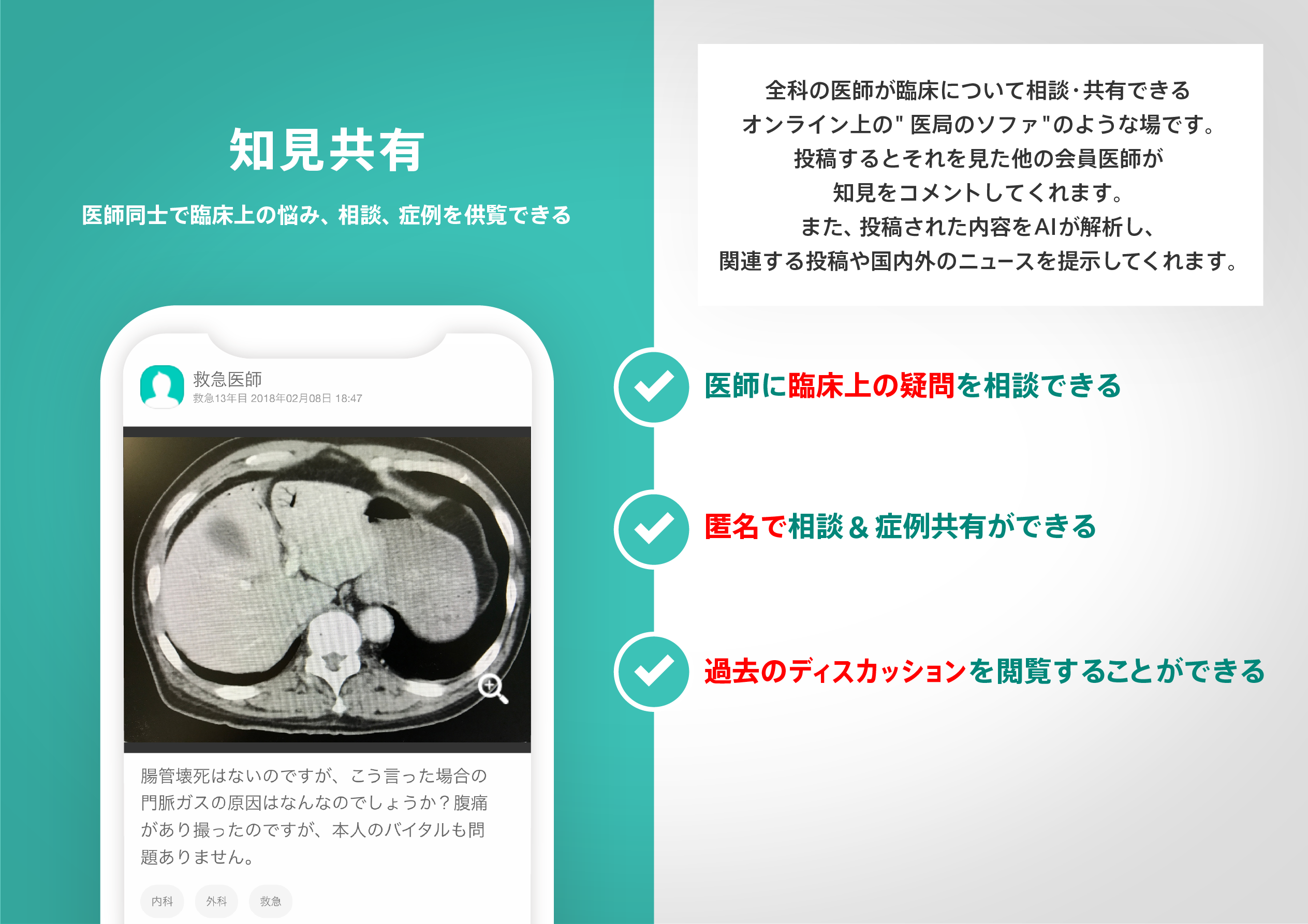
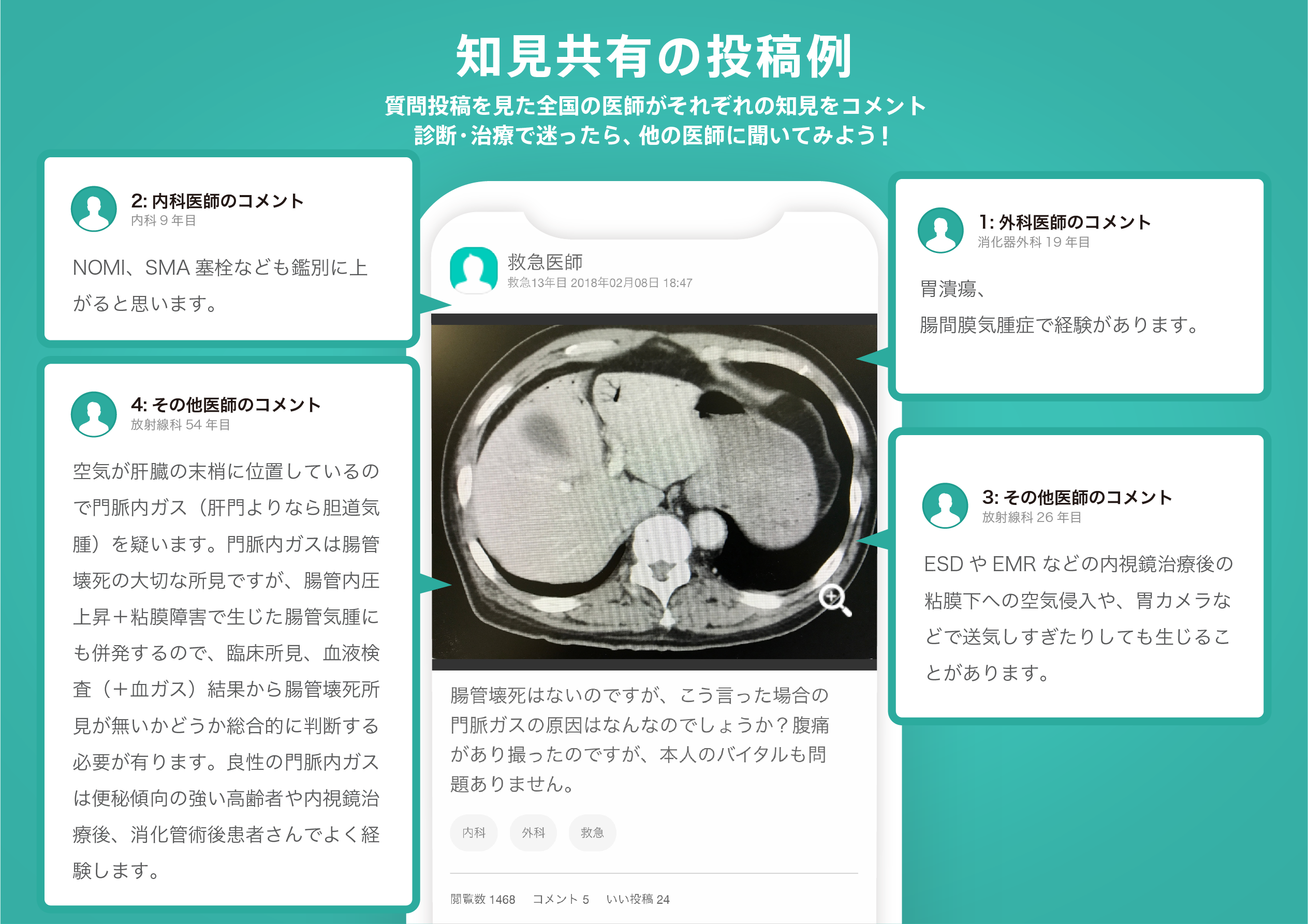
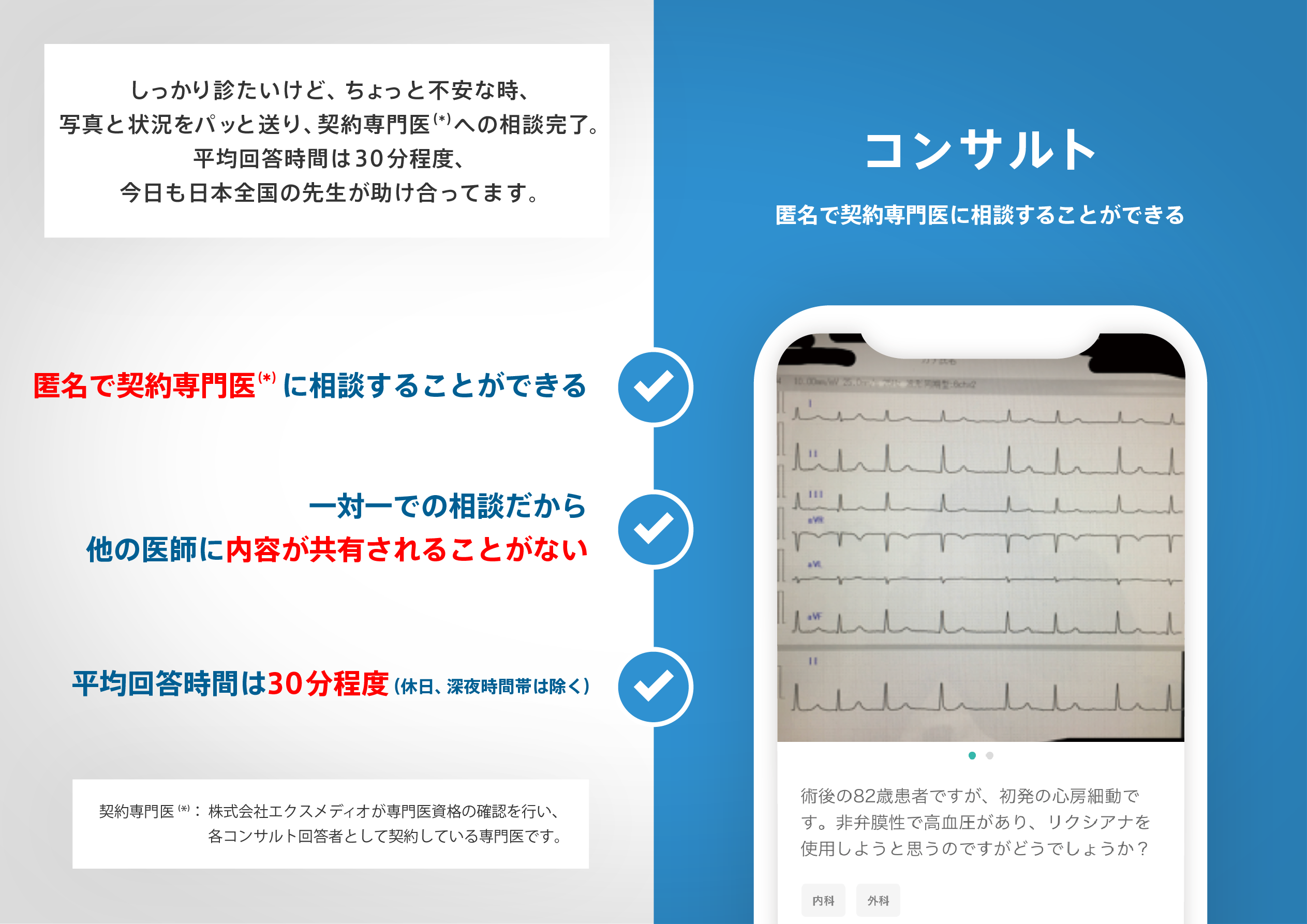
ヒポクラ x マイナビのご紹介

無料会員登録していただくと、さらに便利で効率的な検索が可能になります。