著名医師による解説が無料で読めます
すると翻訳の精度が向上します
エチレン/エタン分離のために、アルミナサポート上のPAN(ポリアクリロニトリル)ポリマー前駆体でCMS(炭素分子ふるい)膜が開発されました。熱分解の前にPAN前駆体に優れた熱特性を提供するために、治療前のプロセスとしての安定化が実行されました。安定化条件を調整することは、PAN前駆体に由来するCMS膜を正常に準備するために非常に重要でした。PAN前駆体の安定化と熱分解プロセスは細かく調整され、安定化温度と時間、および熱分解温度、加熱速度、浸漬時間の観点から最適化されました。250°Cを超えるパンは、熱安定性と炭素収量の改善を示しました。安定化されたPANに由来するCMS膜は、それぞれエチレン浸透(0.71 GPU)とエチレン/エタン選択性(7.62)の合理的な分離性能を示しました。熱分解温度を上げ、時間を浸すことで、ガス浸透の増加が生じ、膜選択性が低下しました。この傾向は、他のポリマー前駆体に由来するCMS膜とは反対でした。最適化された分離性能(2.97 GPUのエチレン透過および7.25のエチレン/エタン選択性)は、浸漬時間が1時間で、650°Cの熱分解温度で達成できます。PAN前駆体に由来するCMS膜の分離性能は、他のポリマー前駆体のそれに匹敵し、上限のトレードオフに関してそれらを上回りました。
エチレン/エタン分離のために、アルミナサポート上のPAN(ポリアクリロニトリル)ポリマー前駆体でCMS(炭素分子ふるい)膜が開発されました。熱分解の前にPAN前駆体に優れた熱特性を提供するために、治療前のプロセスとしての安定化が実行されました。安定化条件を調整することは、PAN前駆体に由来するCMS膜を正常に準備するために非常に重要でした。PAN前駆体の安定化と熱分解プロセスは細かく調整され、安定化温度と時間、および熱分解温度、加熱速度、浸漬時間の観点から最適化されました。250°Cを超えるパンは、熱安定性と炭素収量の改善を示しました。安定化されたPANに由来するCMS膜は、それぞれエチレン浸透(0.71 GPU)とエチレン/エタン選択性(7.62)の合理的な分離性能を示しました。熱分解温度を上げ、時間を浸すことで、ガス浸透の増加が生じ、膜選択性が低下しました。この傾向は、他のポリマー前駆体に由来するCMS膜とは反対でした。最適化された分離性能(2.97 GPUのエチレン透過および7.25のエチレン/エタン選択性)は、浸漬時間が1時間で、650°Cの熱分解温度で達成できます。PAN前駆体に由来するCMS膜の分離性能は、他のポリマー前駆体のそれに匹敵し、上限のトレードオフに関してそれらを上回りました。
For ethylene/ethane separation, a CMS (carbon molecular sieve) membrane was developed with a PAN (polyacrylonitrile) polymer precursor on an alumina support. To provide an excellent thermal property to PAN precursor prior to the pyrolysis, the stabilization as a pre-treatment process was carried out. Tuning the stabilization condition was very important to successfully preparing the CMS membrane derived from the PAN precursor. The stabilization and pyrolysis processes for the PAN precursor were finely tuned, and optimized in terms of stabilization temperature and time, as well as pyrolysis temperature, heating rate, and soaking time. The PAN stabilized at >250 °C showed improved thermal stability and carbon yield. The CMS membrane derived from stabilized PAN showed reasonable separation performance for ethylene permeance (0.71 GPU) and ethylene/ethane selectivity (7.62), respectively. Increasing the pyrolysis temperature and soaking time gave rise to an increase in the gas permeance, and a reduction in the membrane selectivity. This trend was opposite to that for the CMS membranes derived from other polymer precursors. The optimized separation performance (ethylene permeance of 2.97 GPU and ethylene/ethane selectivity of 7.25) could be achieved at the pyrolysis temperature of 650 °C with a soaking time of 1 h. The separation performance of the CMS membrane derived from the PAN precursor was comparable to that of other polymer precursors, and surpassed them regarding the upper bound trade off.
医師のための臨床サポートサービス
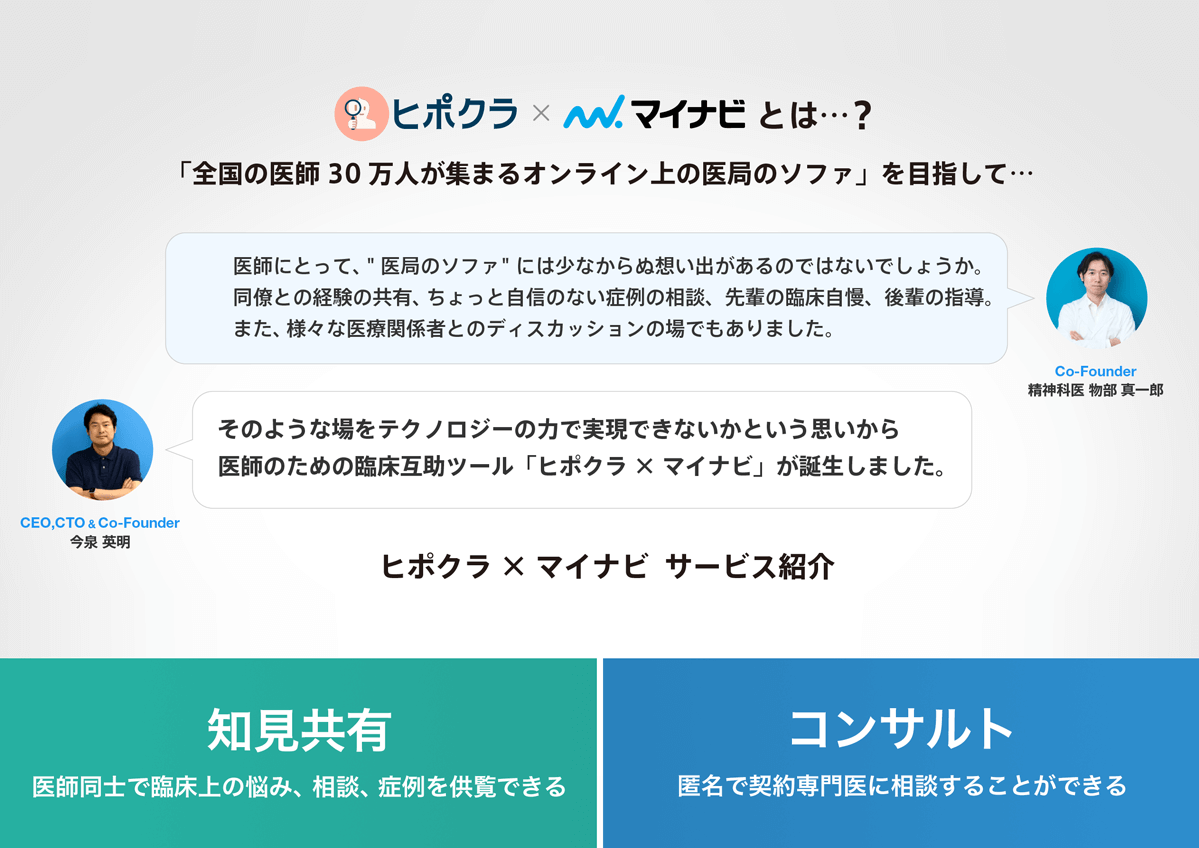
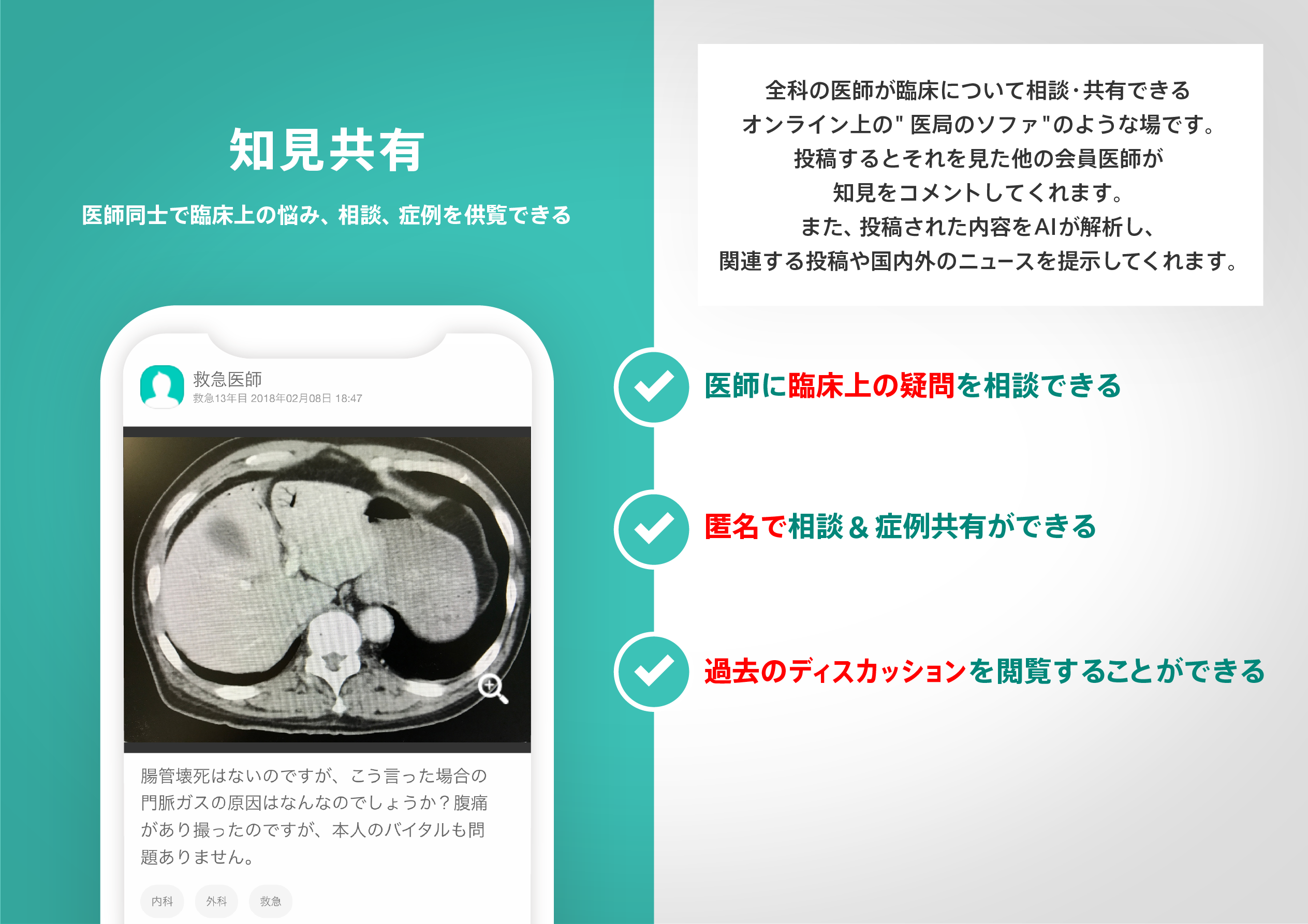
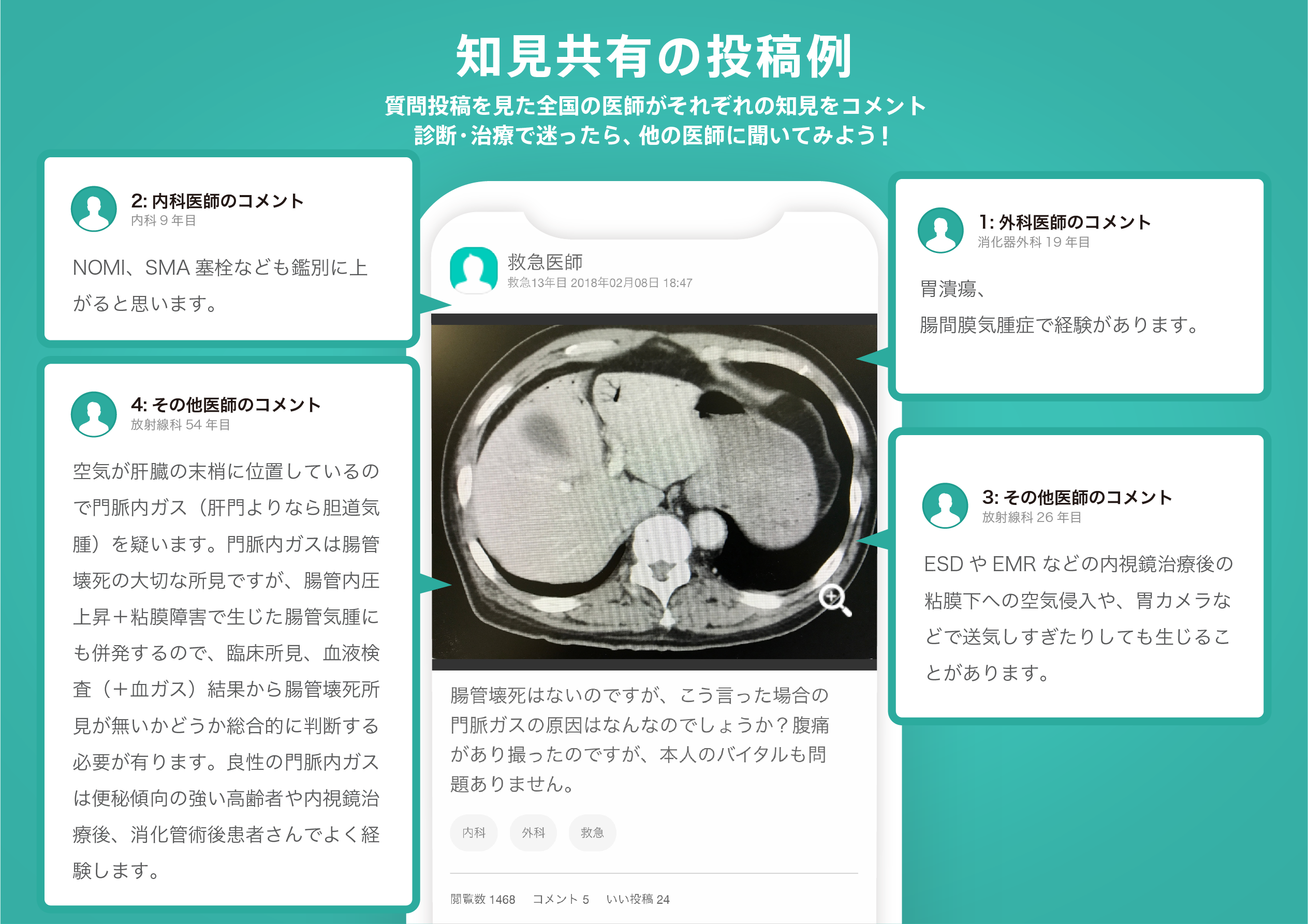
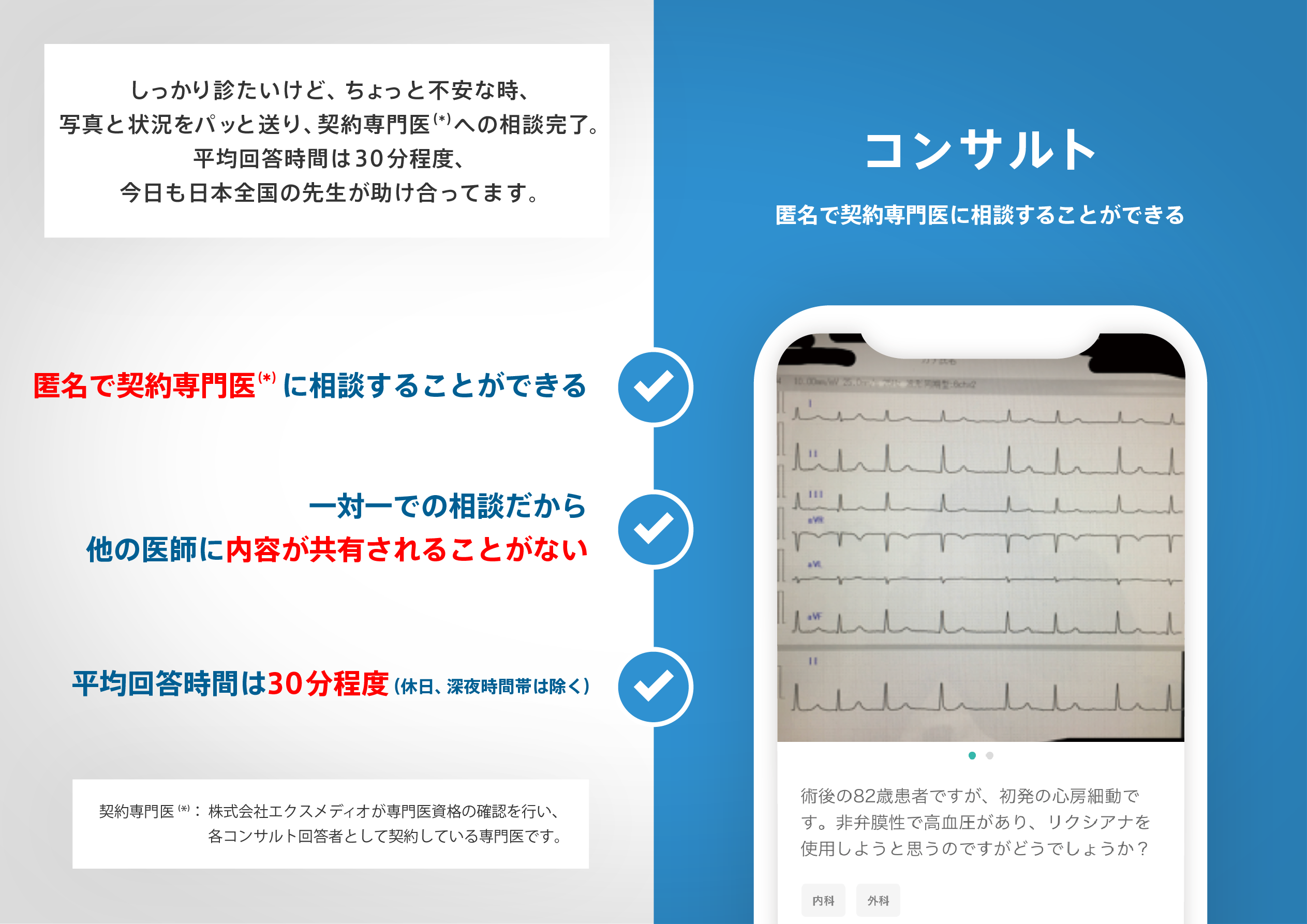
ヒポクラ x マイナビのご紹介

無料会員登録していただくと、さらに便利で効率的な検索が可能になります。