著名医師による解説が無料で読めます
すると翻訳の精度が向上します
背景:つま先のアクセサリー骨、ゴツゴド骨、およびビファラン症は、足の最も一般的な発達的変動です。これらの骨は、痛みを伴う症候群に関連している可能性があります。しかし、報告された有病率は大きく異なるため、それらの臨床的重要性はよく理解されていません。したがって、トルコの被験者のこれらのバリアントを調査することを目指しました。 方法:合計1651フィートのX線写真が遡及的に評価されました。トルコ人の被験者における付属細胞、ゴミ骨、およびビファランギズムの有病率、性別、および両側性について、足のX線写真を調べました。 結果:アクセサリー骨(26.1%)とセサモイド骨(8%)が検出されました。最も一般的な付属品は、OS Trigonum(9.8%)、アクセサリーnavicular骨(7.9%)、およびPeroneum(5.8%)でした。また、OS Supratalare(0.48%)、Os Calcanei Secundarium(0.42%)OS subfibulare(0.42%)、OS Supranaviculare(0.36%)、Os Vesalianum(0.30%)、OS subtibiale(0.24%)、OS Intermetataryum(0.12%)、およびOSサブカルシ(0.12%)。X線写真の0.7%で、1.8%でBipartite Hallux SesamoidとHalluxの中毒性セサモイド骨を観察しました。中足骨のゴミ骨の発生率は、それぞれ2番目、3番目、4番目、および5桁目で0.6%、0.06%、0.6%、および5.8%として発見されました。2番目、3番目、4番目、および5番目のつま先で、それぞれ0.5%、1.7%、3.5%、および37.6%で二匹のつま先を観察しました。 結論:この研究は、トルコの被験者における広範囲の患者のシリーズにおける足と足首の最も一般的なバリアントの発生率に関する最初の詳細な報告です。私たちの研究の調査結果は、誤診の減少に貢献します。 臨床的関連性:この研究の結果は、足に痛みと不快感を伴う障害の診断と管理において臨床医を助ける可能性のある解剖学的データを提供する可能性があります。これらのバリアントの知識は、それらを骨折と誤解するのを防ぐために重要です。
背景:つま先のアクセサリー骨、ゴツゴド骨、およびビファラン症は、足の最も一般的な発達的変動です。これらの骨は、痛みを伴う症候群に関連している可能性があります。しかし、報告された有病率は大きく異なるため、それらの臨床的重要性はよく理解されていません。したがって、トルコの被験者のこれらのバリアントを調査することを目指しました。 方法:合計1651フィートのX線写真が遡及的に評価されました。トルコ人の被験者における付属細胞、ゴミ骨、およびビファランギズムの有病率、性別、および両側性について、足のX線写真を調べました。 結果:アクセサリー骨(26.1%)とセサモイド骨(8%)が検出されました。最も一般的な付属品は、OS Trigonum(9.8%)、アクセサリーnavicular骨(7.9%)、およびPeroneum(5.8%)でした。また、OS Supratalare(0.48%)、Os Calcanei Secundarium(0.42%)OS subfibulare(0.42%)、OS Supranaviculare(0.36%)、Os Vesalianum(0.30%)、OS subtibiale(0.24%)、OS Intermetataryum(0.12%)、およびOSサブカルシ(0.12%)。X線写真の0.7%で、1.8%でBipartite Hallux SesamoidとHalluxの中毒性セサモイド骨を観察しました。中足骨のゴミ骨の発生率は、それぞれ2番目、3番目、4番目、および5桁目で0.6%、0.06%、0.6%、および5.8%として発見されました。2番目、3番目、4番目、および5番目のつま先で、それぞれ0.5%、1.7%、3.5%、および37.6%で二匹のつま先を観察しました。 結論:この研究は、トルコの被験者における広範囲の患者のシリーズにおける足と足首の最も一般的なバリアントの発生率に関する最初の詳細な報告です。私たちの研究の調査結果は、誤診の減少に貢献します。 臨床的関連性:この研究の結果は、足に痛みと不快感を伴う障害の診断と管理において臨床医を助ける可能性のある解剖学的データを提供する可能性があります。これらのバリアントの知識は、それらを骨折と誤解するのを防ぐために重要です。
BACKGROUND: Accessory ossicles, sesamoid bones, and biphalangism of toes are the most common developmental variations of the foot. These bones may be associated with painful syndromes; however, their clinical importance is not well understood because the reported prevalence varies widely. Therefore, we aimed to investigate these variants in Turkish subjects. METHODS: A total of 1651 foot radiographs were retrospectively assessed. Radiographs of feet were examined regarding the prevalence, sex, and bilaterality of accessory ossicles, sesamoid bones, and biphalangism in Turkish subjects. RESULTS: Accessory ossicles (26.1%) and sesamoid bones (8%) were detected. The most common accessory ossicles were os trigonum (9.8%), accessory navicular bone (7.9%), and os peroneum (5.8%). Also, we detected os supratalare (0.48%), os calcanei secundarium (0.42%) os subfibulare (0.42%), os supranaviculare (0.36%), os vesalianum (0.30%), os subtibiale (0.24%), os intermetatarseum (0.12%), and os subcalcis (0.12%). We observed bipartite hallux sesamoid in 1.8% and interphalangeal sesamoid bone of the hallux in 0.7% of radiographs. Incidences of metatarsophalangeal sesamoid bones were found as 0.6%, 0.06%, 0.6%, and 5.8% in the second, third, fourth, and fifth digit, respectively. We observed biphalangeal toe in 0.5%, 1.7%, 3.5%, and 37.6% in the second, third, fourth, and fifth toe, respectively. CONCLUSION: This study is the first detailed report on the incidence of the most common variants of the foot and ankle in a wide-ranging patients' series in Turkish subjects. Our study's findings will contribute to reducing misdiagnosis. CLINICAL RELEVANCE: The results of this study may provide anatomical data that could help clinicians in the diagnosis and management of disorders that present with pain and discomfort in the feet. Knowledge of these variants is important to prevent misinterpreting them as fractures.
医師のための臨床サポートサービス
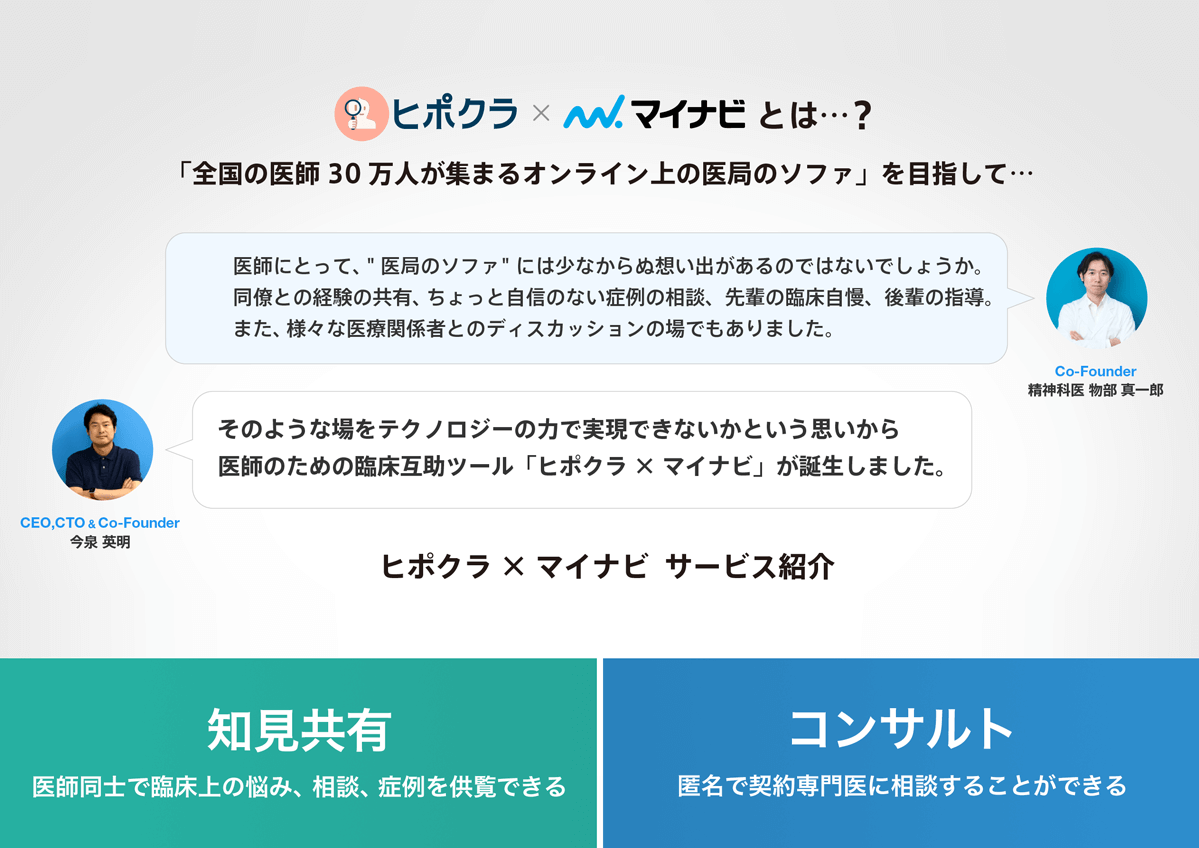
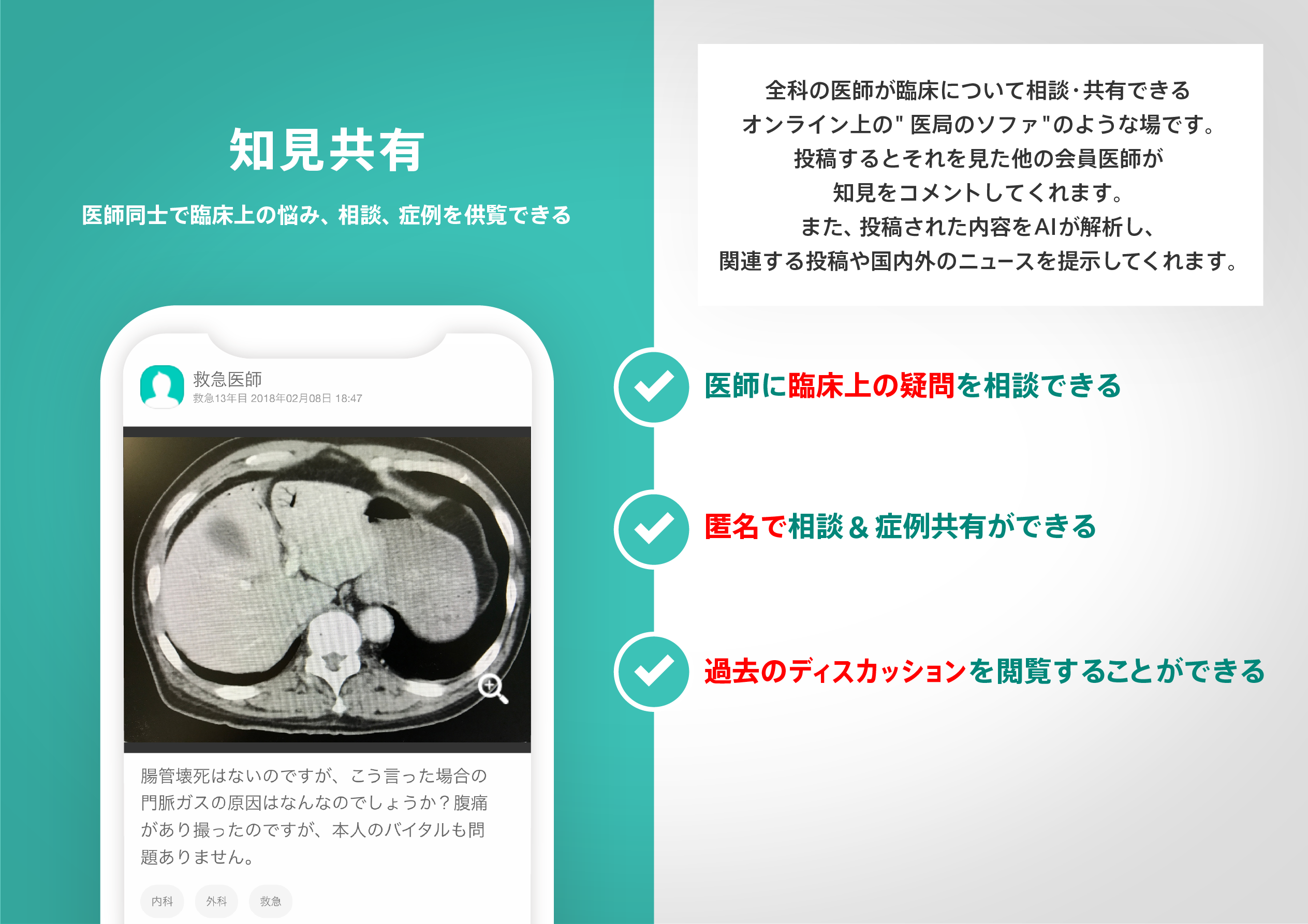
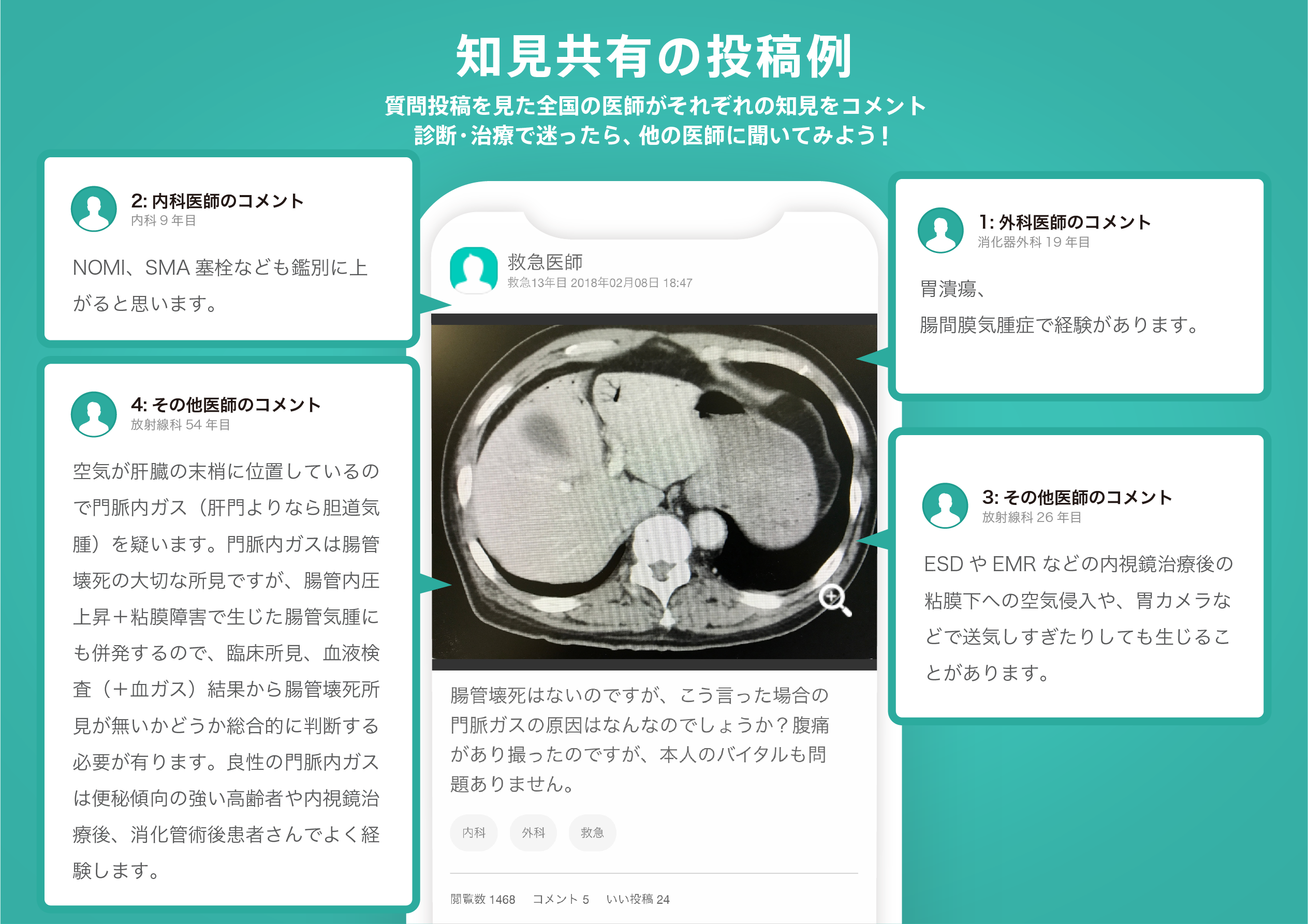
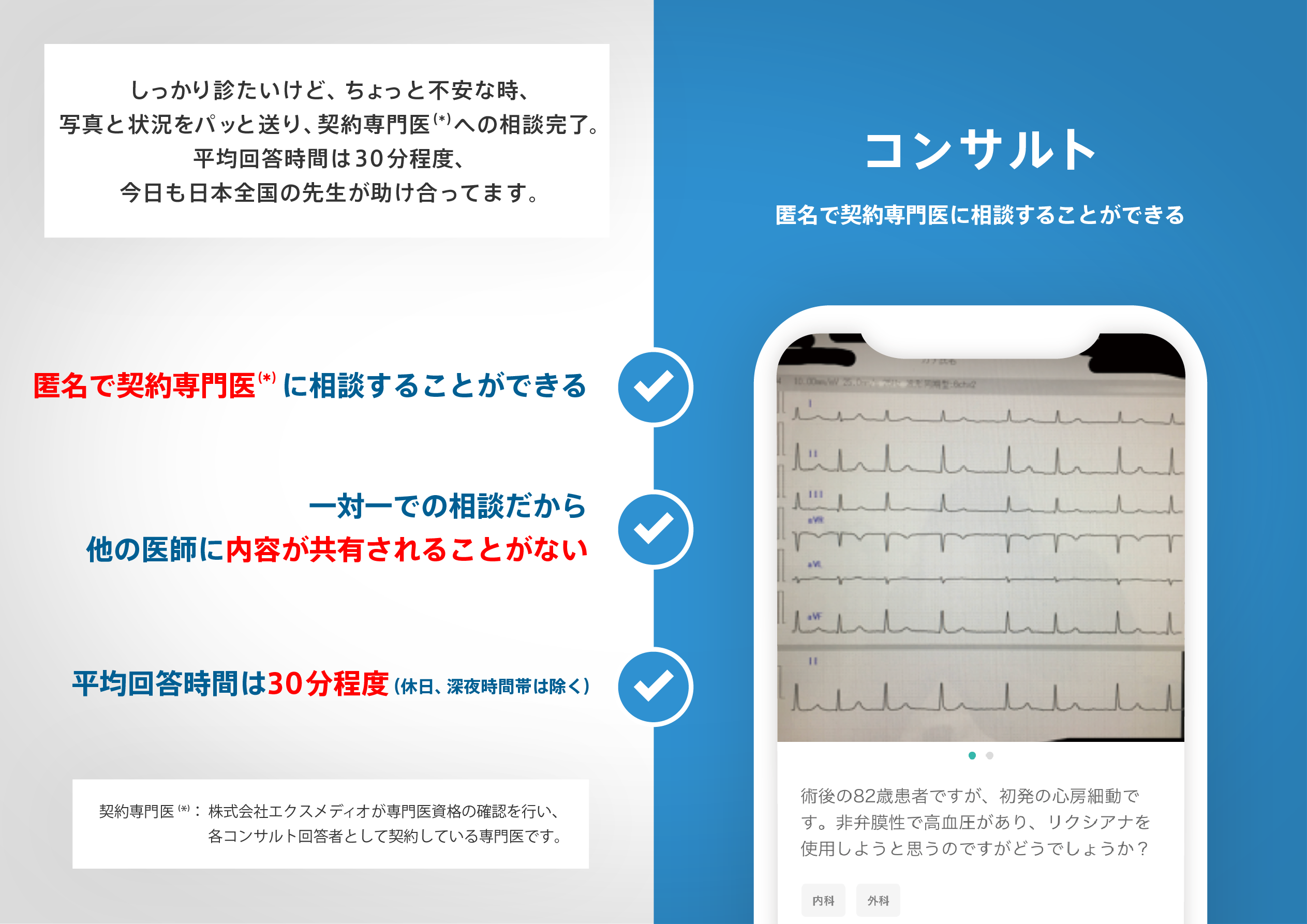
ヒポクラ x マイナビのご紹介

無料会員登録していただくと、さらに便利で効率的な検索が可能になります。