著名医師による解説が無料で読めます
すると翻訳の精度が向上します
その配列に基づいて、Cordyceps CicadaeとTolypocladium dujiaolongaeの分子同定が行われ、化学パターン認識方法と組み合わせた高性能液体クロマトグラフィー(HPLC)フィンガープリントが、C. cicadeeを、そのなければ、そのなければ、そのなければ、そのなければ、その肉int. dujiaolongaeを区別しました。C. cicadaeの10バッチからのゲノムDNAとT. dujiaolongaeの5つのバッチを抽出し、その配列をPCRによって増幅し、配列決定しました。これら2つの種の安定した微分部位を比較し、系統樹をMega 7.0を介して構築しました。HPLCを使用してC. cicadaeおよびT. dujiaolongaeの指紋を確立し、類似性評価、クラスター分析(CA)、主成分分析(PCA)、および部分的最小二乗判別分析(PLS-DA)を適用して、化学物質を調査しました。パターン認識。結果は、これら2つの種の供給源が異なっており、C。cicadaeとT. dujiao-longaeのシーケンスに115の安定した微分部位があったことを示しました。系統樹はそれらを効果的に区別できます。C. cicadaeの18バッチとT. dujiaolongaeの5つのバッチのHPLCフィンガープリントが確立されました。CA、PCA、およびPLS-DAの結果は一貫しており、それらをよく区別することができ、C。cicadaeとT. dujiaolongaeの間に化学成分に大きな違いがあったことを示しています。PLS-DAの結果は、ウリジン、グアノシン、アデノシン、N〜6-(2-ヒドロキシエチル)アデノシンなどの6つの成分が2つの種の主な微分マーカーであることを示しました。化学パターン認識法と組み合わせたその配列とHPLCフィンガープリントは、C。cicadaeおよびT. dujiaolongaeの識別と分化方法として機能します。
その配列に基づいて、Cordyceps CicadaeとTolypocladium dujiaolongaeの分子同定が行われ、化学パターン認識方法と組み合わせた高性能液体クロマトグラフィー(HPLC)フィンガープリントが、C. cicadeeを、そのなければ、そのなければ、そのなければ、そのなければ、その肉int. dujiaolongaeを区別しました。C. cicadaeの10バッチからのゲノムDNAとT. dujiaolongaeの5つのバッチを抽出し、その配列をPCRによって増幅し、配列決定しました。これら2つの種の安定した微分部位を比較し、系統樹をMega 7.0を介して構築しました。HPLCを使用してC. cicadaeおよびT. dujiaolongaeの指紋を確立し、類似性評価、クラスター分析(CA)、主成分分析(PCA)、および部分的最小二乗判別分析(PLS-DA)を適用して、化学物質を調査しました。パターン認識。結果は、これら2つの種の供給源が異なっており、C。cicadaeとT. dujiao-longaeのシーケンスに115の安定した微分部位があったことを示しました。系統樹はそれらを効果的に区別できます。C. cicadaeの18バッチとT. dujiaolongaeの5つのバッチのHPLCフィンガープリントが確立されました。CA、PCA、およびPLS-DAの結果は一貫しており、それらをよく区別することができ、C。cicadaeとT. dujiaolongaeの間に化学成分に大きな違いがあったことを示しています。PLS-DAの結果は、ウリジン、グアノシン、アデノシン、N〜6-(2-ヒドロキシエチル)アデノシンなどの6つの成分が2つの種の主な微分マーカーであることを示しました。化学パターン認識法と組み合わせたその配列とHPLCフィンガープリントは、C。cicadaeおよびT. dujiaolongaeの識別と分化方法として機能します。
Based on ITS sequences, the molecular identification of Cordyceps cicadae and Tolypocladium dujiaolongae was carried out, and high-performance liquid chromatography(HPLC) fingerprint combined with chemical pattern recognition method was established to differentiate C. cicadae from its adulterant T. dujiaolongae. The genomic DNA from 10 batches of C. cicadae and five batches of T. dujiaolongae was extracted, and ITS sequences were amplified by PCR and sequenced. The stable differential sites of these two species were compared and the phylogenetic tree was constructed via MEGA 7.0. HPLC was used to establish the fingerprints of C. cicadae and T. dujiaolongae, and similarity evaluation, cluster analysis(CA), principal component analysis(PCA), and partial least squares discriminant analysis(PLS-DA) were applied to investigate the chemical pattern recognition. The result showed that the sources of these two species were different, and there were 115 stable differential sites in ITS sequences of C. cicadae and T. dujiao-longae. The phylogenetic tree could distinguish them effectively. HPLC fingerprints of 18 batches of C. cicadae and 5 batches of T. dujiaolongae were established. The results of CA, PCA, and PLS-DA were consistent, which could distinguish them well, indicating that there were great differences in chemical components between C. cicadae and T. dujiaolongae. The results of PLS-DA showed that six components such as uridine, guanosine, adenosine, and N~6-(2-hydroxyethyl) adenosine were the main differential markers of the two species. ITS sequences and HPLC fingerprint combined with the chemical pattern recognition method can serve as the identification and differentiation methods for C. cicadae and T. dujiaolongae.
医師のための臨床サポートサービス
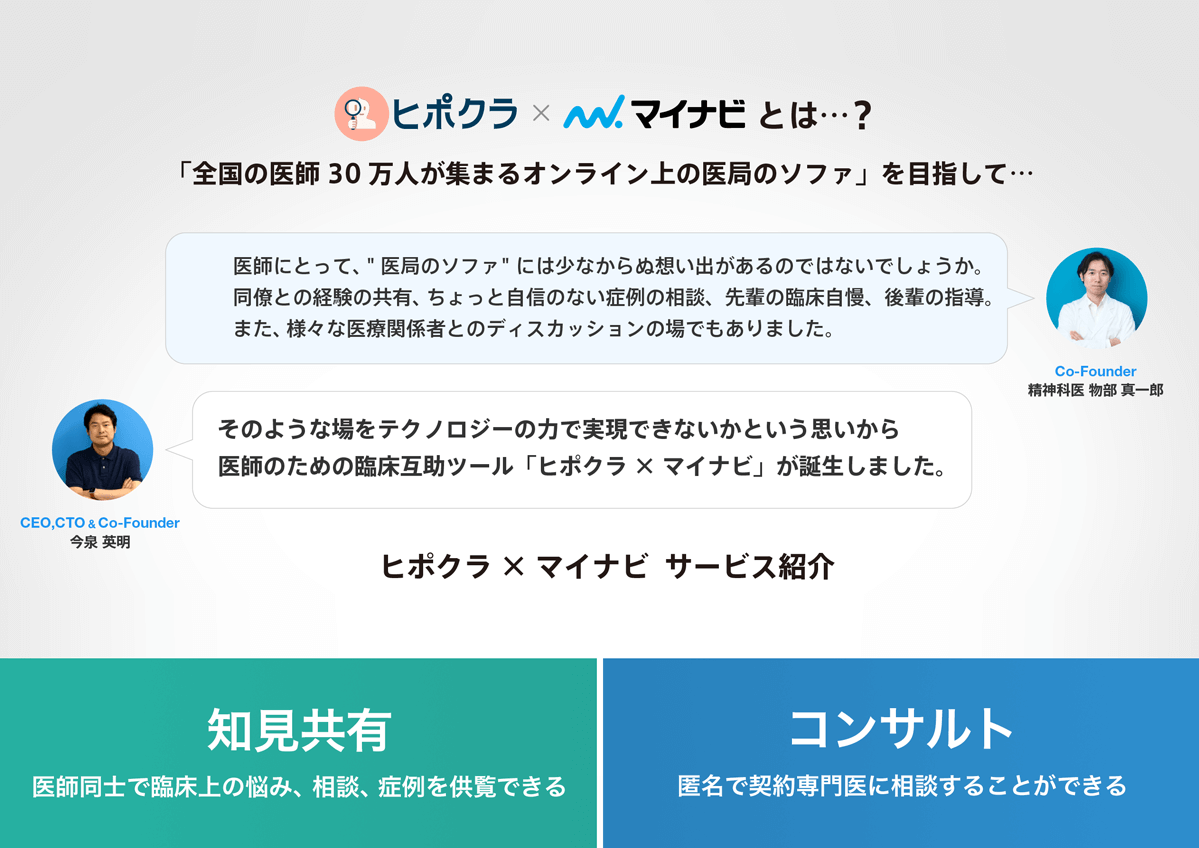
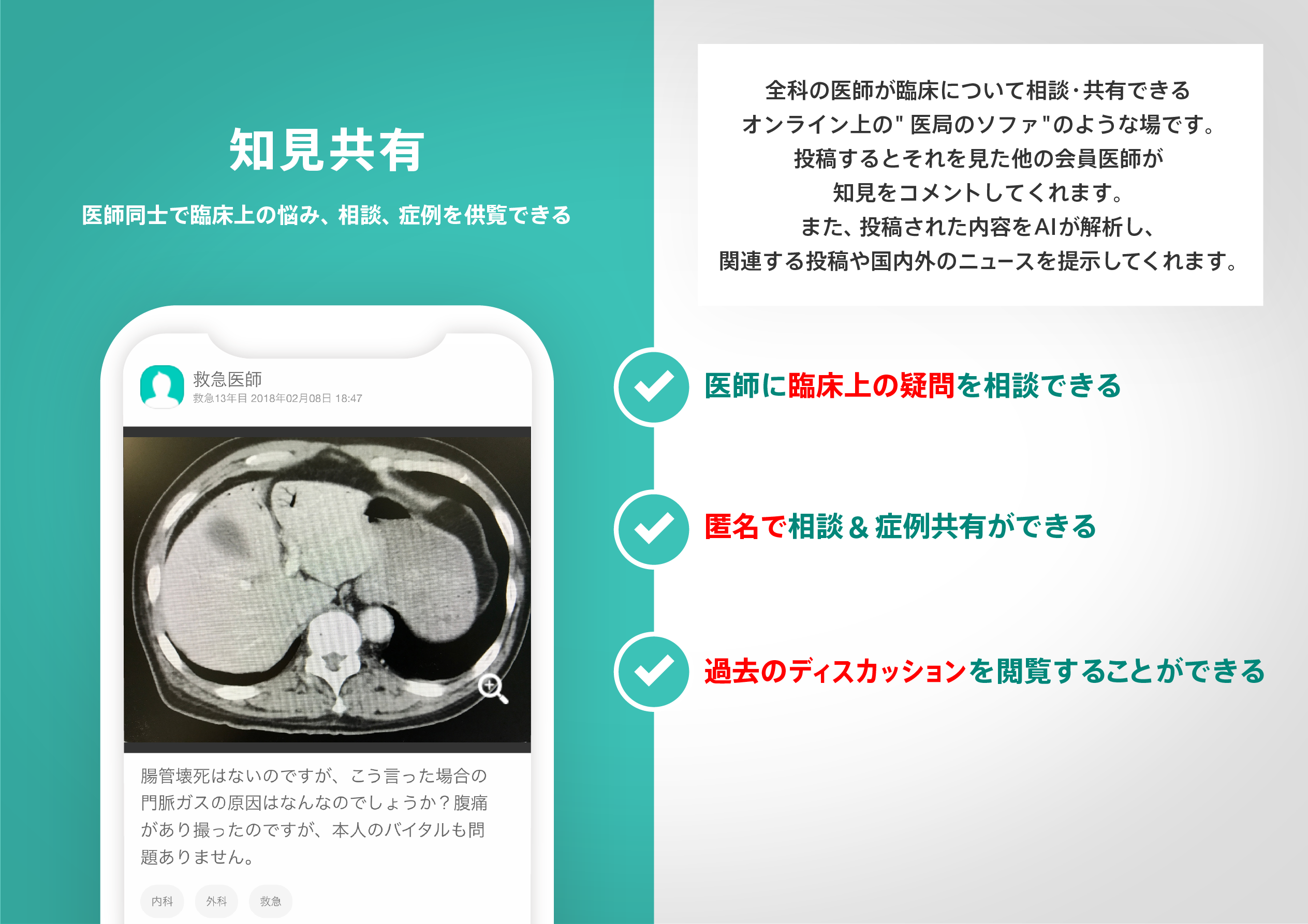
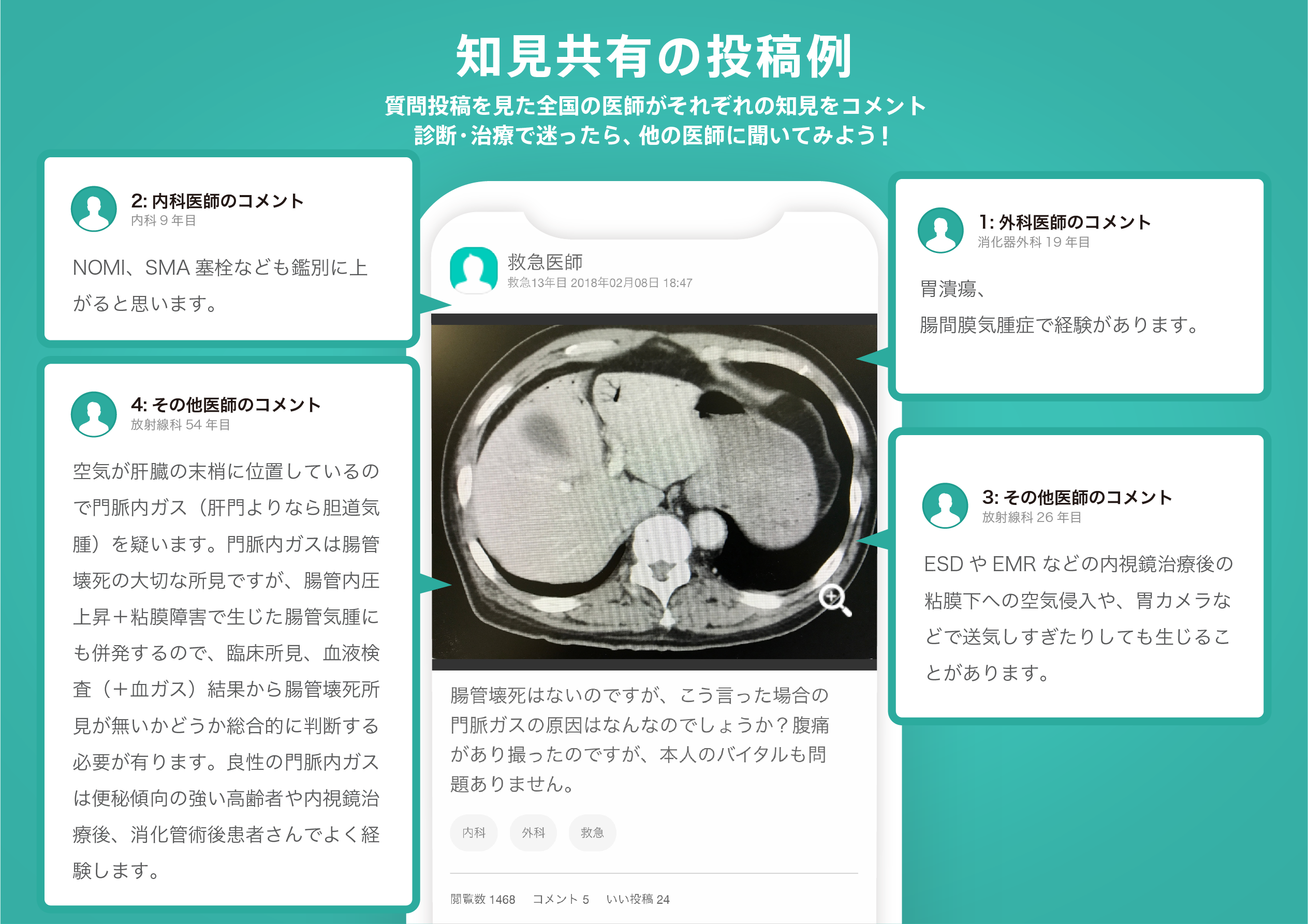
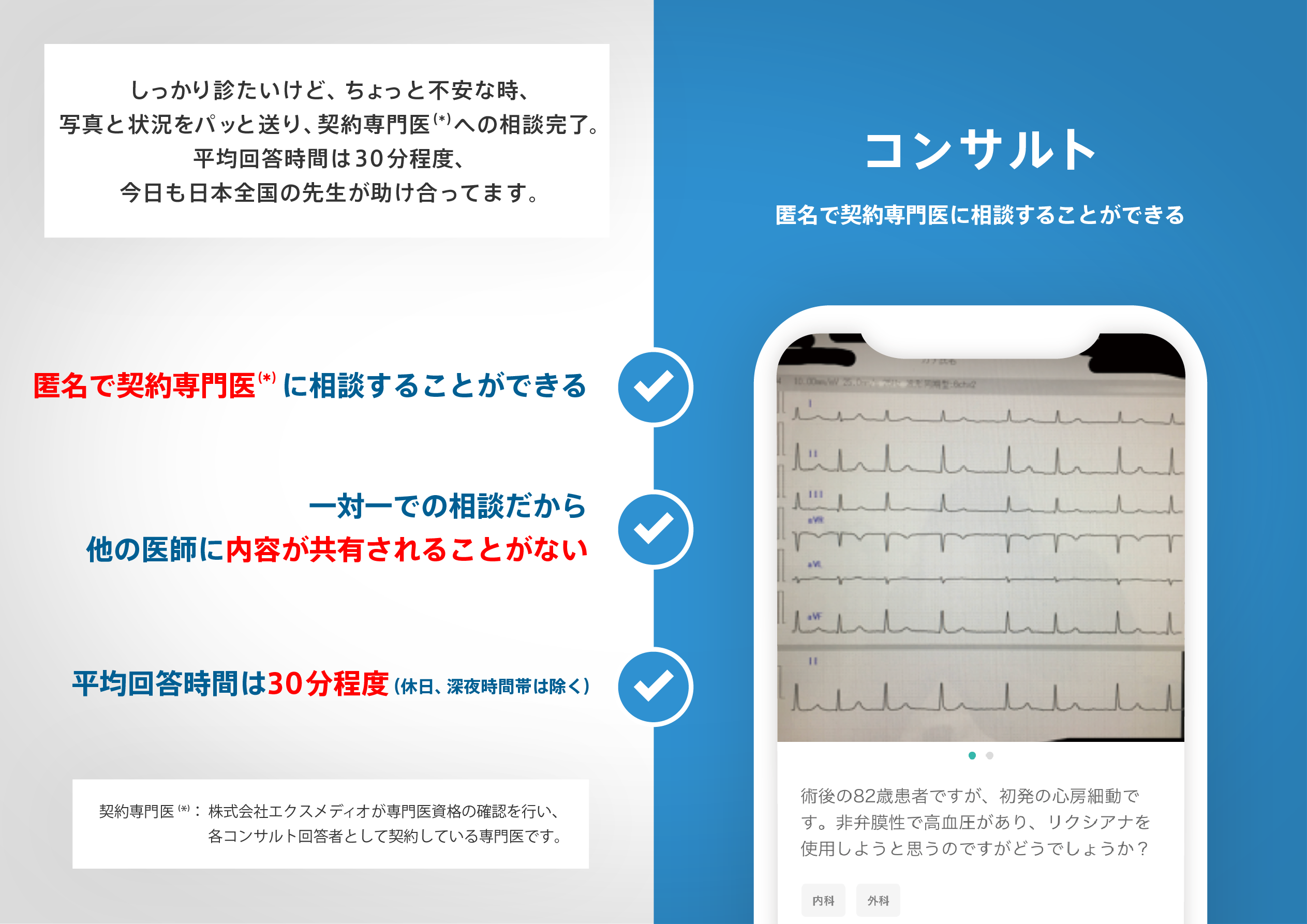
ヒポクラ x マイナビのご紹介

無料会員登録していただくと、さらに便利で効率的な検索が可能になります。