著名医師による解説が無料で読めます
すると翻訳の精度が向上します
即時象牙質シーリング(IDS)では、歯の調製直後、印象の直前に、粘着系を象牙質に適用することが含まれます。これは、遅延象牙質シーリング(DDS)と代替と見なされました。これは、暫定段階に続いて、間接復元の直前にハイブリダイゼーションが実行される手法であると考えられていました。この研究の目的は、系統的レビューとメタ分析を通じて、修復の結合強度をIDSおよびDDS技術の象牙質と比較することを目的としています。次のPicosフレームワークが使用されました。人口、間接的な修復。介入、ID;コントロール、DDS;結果、結合強度。および研究デザイン、in vitro研究。PubMed(Medline)、Cochrane Library、ISI Web of Science、Scielo、Scopus、およびEmbaseは、2022年1月までに2人のレビュアー(L.H.およびR.B.)によってスクリーニングされました。DDS技術と比較したIDS技術のヒト象牙質への結合強度を研究するin vitro論文が考慮されました。メタ分析は、ソフトウェアプログラム(Review Manager v5.4.1、Cochrane Collaboration)を使用して実行されました。比較は、結合に使用される接着剤(2段階のエッチングアンドリンジ、3ステップエッチングリンス、ワンステップのセルフエッチ、2段階のセルフエッチ、普遍的な接着剤)を考慮することによって行われました。すべてのデータベースで合計3717の論文が取得されました。フルテキスト評価の後、22の潜在的に適格な研究が定性分析について検討され、メタ分析のために合計21の記事が残りました。即時の結合強度の場合、使用された接着戦略に関係なく、IDS技術は象牙質への修復の結合強度を改善しました(p <0.001)。サブグループ分析を考慮して、2段階のエッチングリンスまたはワンステップの自己エッチング粘着システムを使用したIDS技術の使用は、DDS技術よりも利点を表していないようです(P = 0.07、p = 0.15)。一方、使用された接着戦略に関係なく、高齢の結合強度については、IDS手法により、象牙質への結合強度が改善されました(p = 0.001)。サブグループ分析では、この改善が3段階のエッチングとリンジの接着系(p <0.001)の場合、または接着系と流れ可能な樹脂の層(p = 0.01)の層の組み合わせの場合にのみ観察されることを示しています。in vitroの証拠は、IDS技術を使用すると、使用される接着戦略に関係なく、象牙質の結合強度が樹脂ベースの修復物を改善することを示唆しています。3段階のエッチとリンジの接着システムの使用または接着系と流れ可能な樹脂の層の組み合わせは、長期的に結合強度を大幅に強化するようです。
即時象牙質シーリング(IDS)では、歯の調製直後、印象の直前に、粘着系を象牙質に適用することが含まれます。これは、遅延象牙質シーリング(DDS)と代替と見なされました。これは、暫定段階に続いて、間接復元の直前にハイブリダイゼーションが実行される手法であると考えられていました。この研究の目的は、系統的レビューとメタ分析を通じて、修復の結合強度をIDSおよびDDS技術の象牙質と比較することを目的としています。次のPicosフレームワークが使用されました。人口、間接的な修復。介入、ID;コントロール、DDS;結果、結合強度。および研究デザイン、in vitro研究。PubMed(Medline)、Cochrane Library、ISI Web of Science、Scielo、Scopus、およびEmbaseは、2022年1月までに2人のレビュアー(L.H.およびR.B.)によってスクリーニングされました。DDS技術と比較したIDS技術のヒト象牙質への結合強度を研究するin vitro論文が考慮されました。メタ分析は、ソフトウェアプログラム(Review Manager v5.4.1、Cochrane Collaboration)を使用して実行されました。比較は、結合に使用される接着剤(2段階のエッチングアンドリンジ、3ステップエッチングリンス、ワンステップのセルフエッチ、2段階のセルフエッチ、普遍的な接着剤)を考慮することによって行われました。すべてのデータベースで合計3717の論文が取得されました。フルテキスト評価の後、22の潜在的に適格な研究が定性分析について検討され、メタ分析のために合計21の記事が残りました。即時の結合強度の場合、使用された接着戦略に関係なく、IDS技術は象牙質への修復の結合強度を改善しました(p <0.001)。サブグループ分析を考慮して、2段階のエッチングリンスまたはワンステップの自己エッチング粘着システムを使用したIDS技術の使用は、DDS技術よりも利点を表していないようです(P = 0.07、p = 0.15)。一方、使用された接着戦略に関係なく、高齢の結合強度については、IDS手法により、象牙質への結合強度が改善されました(p = 0.001)。サブグループ分析では、この改善が3段階のエッチングとリンジの接着系(p <0.001)の場合、または接着系と流れ可能な樹脂の層(p = 0.01)の層の組み合わせの場合にのみ観察されることを示しています。in vitroの証拠は、IDS技術を使用すると、使用される接着戦略に関係なく、象牙質の結合強度が樹脂ベースの修復物を改善することを示唆しています。3段階のエッチとリンジの接着システムの使用または接着系と流れ可能な樹脂の層の組み合わせは、長期的に結合強度を大幅に強化するようです。
Immediate dentin sealing (IDS) involves applying an adhesive system to dentin directly after tooth preparation, before impression. This was considered an alternate to delayed dentin sealing (DDS), a technique in which hybridization is performed following the provisional phase and just before the indirect restoration luting procedure. This study aimed to compare the bond strength of restorations to dentin of the IDS and the DDS techniques throughout a systematic review and meta-analysis. The following PICOS framework was used: population, indirect restorations; intervention, IDS; control, DDS; outcomes, bond strength; and study design, in vitro studies. PubMed (MedLine), The Cochrane Library, ISI Web of Science, Scielo, Scopus, and Embase were screened up to January 2022 by two reviewers (L.H. and R.B.). In vitro papers studying the bond strength to human dentin of the IDS technique compared to the DDS technique were considered. Meta-analyses were carried out by using a software program (Review Manager v5.4.1; The Cochrane Collaboration). Comparisons were made by considering the adhesive used for bonding (two-step etch-and-rinse, three step etch-and-rinse, one-step self-etch, two-step self-etch, and universal adhesives). A total of 3717 papers were retrieved in all databases. After full-text assessment, 22 potentially eligible studies were examined for qualitative analysis, leaving a total of 21 articles for the meta-analysis. For the immediate bond strength, regardless of the adhesive strategy used, the IDS technique improved the bond strength of restorations to the dentin (p < 0.001). Taking into account the subgroup analysis, it seems that the use of the IDS technique with a two-step etch-and-rinse or a one-step self-etch adhesive system does not represent any advantage over the DDS technique (p = 0.07, p = 0.15). On the other hand, for the aged bond strength, regardless of the adhesive strategy used, the IDS technique improved the bond strength of restorations to the dentin (p = 0.001). The subgroups analysis shows that this improvement is observed only when a three-step etch-and-rinse adhesive system (p < 0.001) or when a combination of an adhesive system plus a layer of flowable resin (p = 0.01) is used. The in vitro evidence suggests that the use of the IDS technique improves the bond strength of dentin to resin-based restorations regardless of the adhesive strategy used. The use of a three-step etch-and-rinse adhesive system or the combination of an adhesive system plus a layer of flowable resin seems to considerably enhance the bond strength in the long term.
医師のための臨床サポートサービス
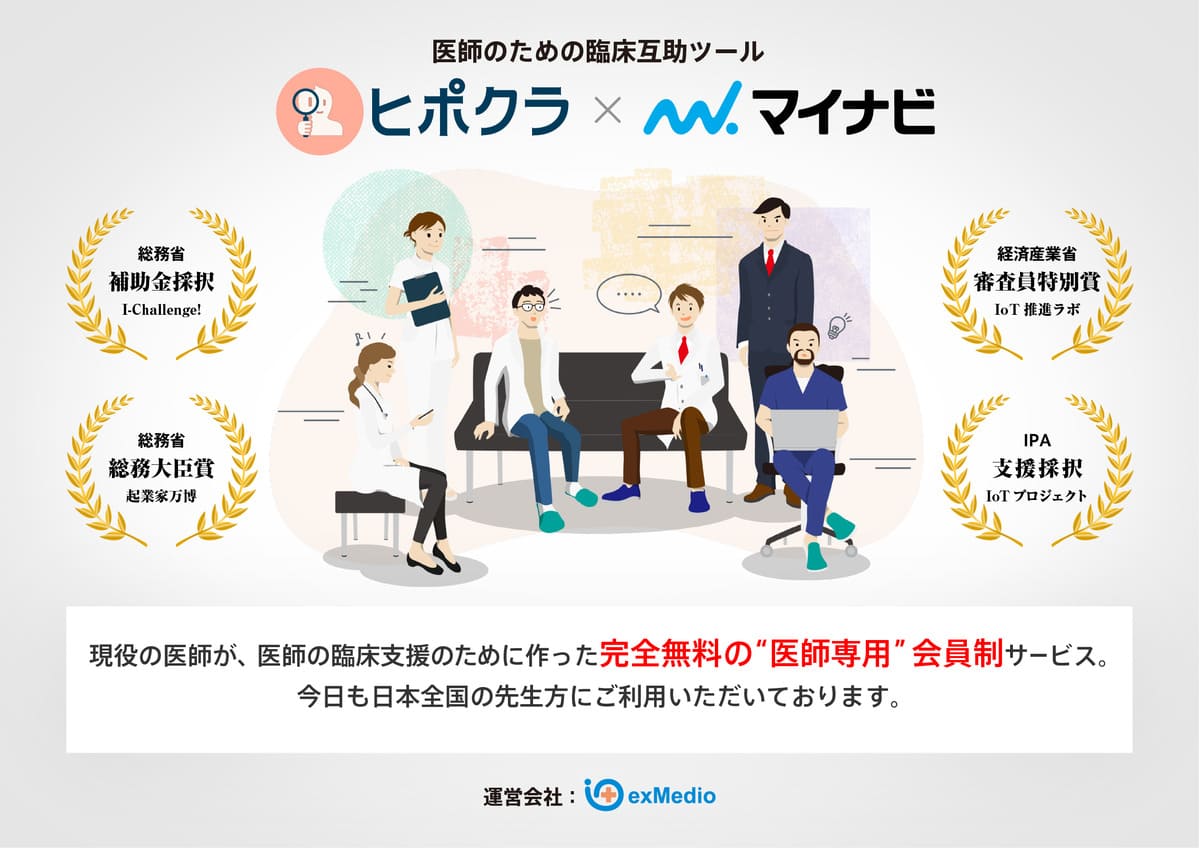
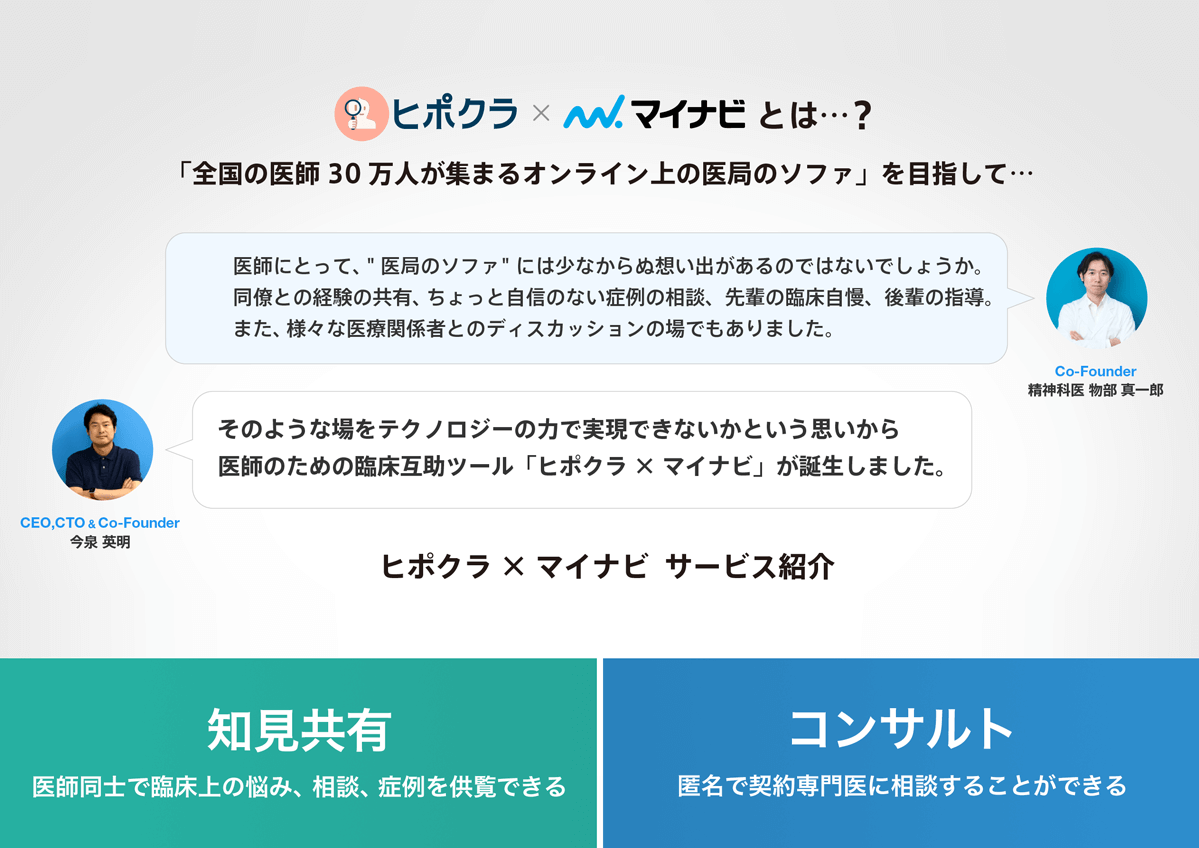
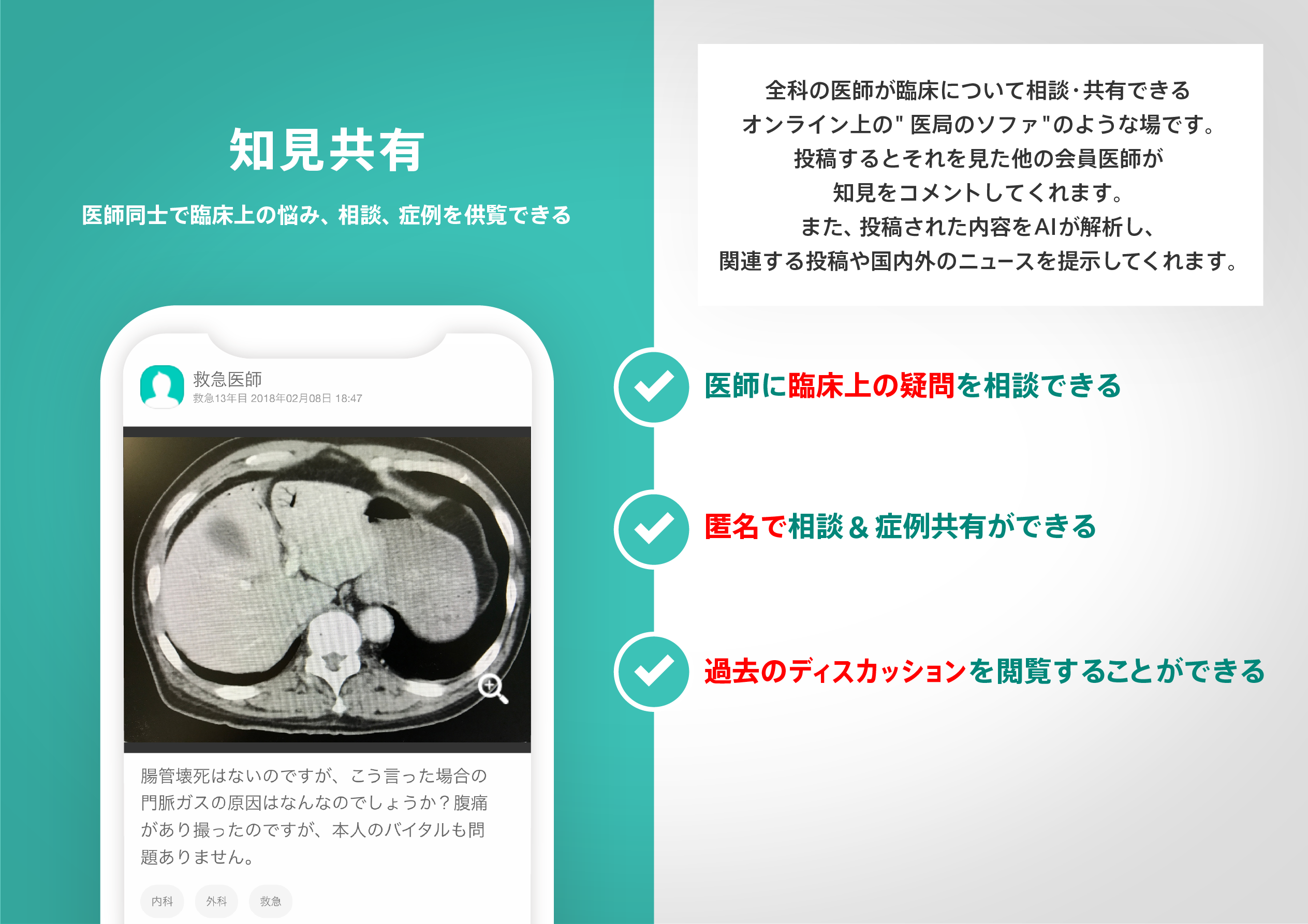
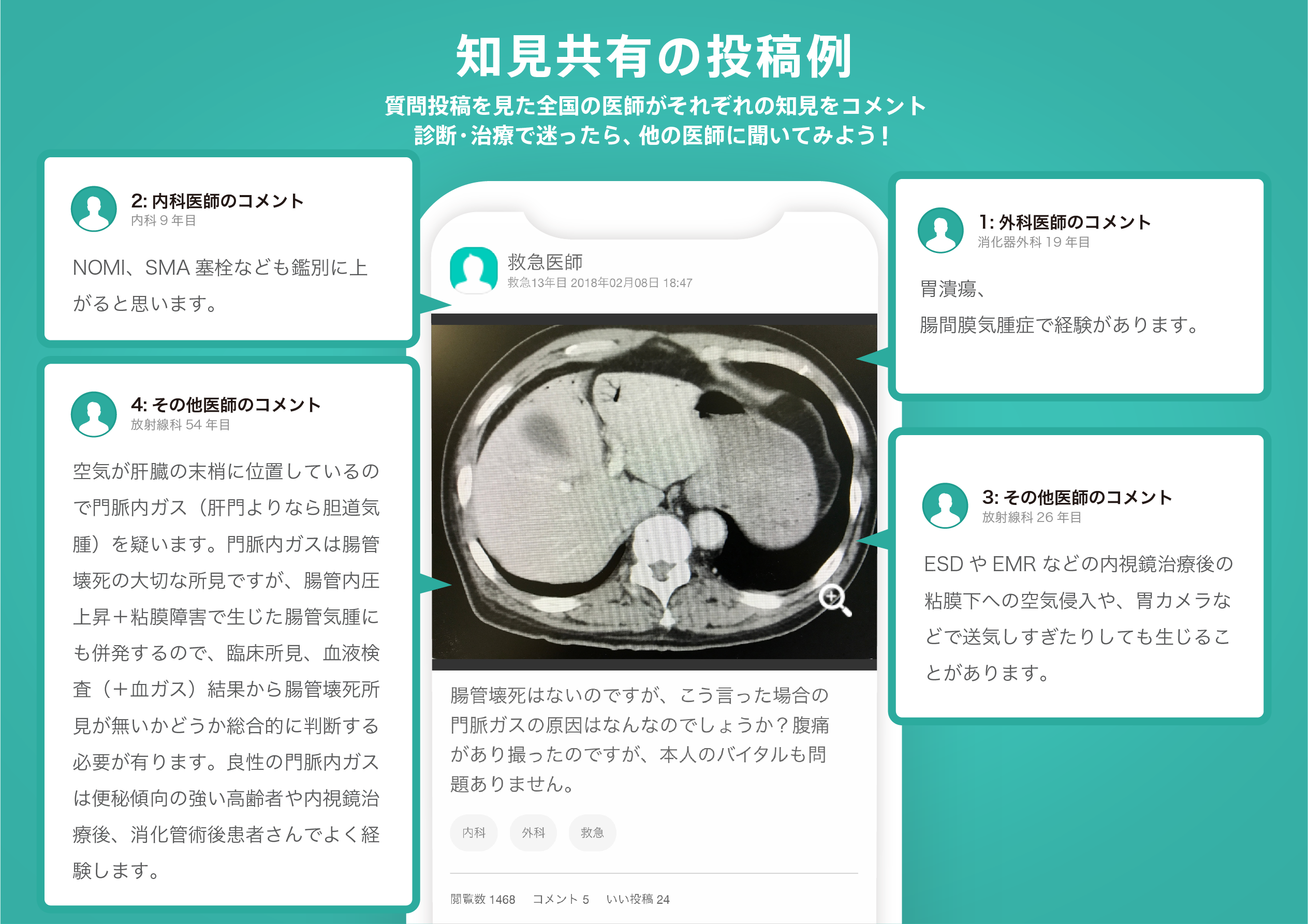
ヒポクラ x マイナビのご紹介
無料会員登録していただくと、さらに便利で効率的な検索が可能になります。