著名医師による解説が無料で読めます
すると翻訳の精度が向上します
目的:ミシガン州のハンドアンケート(MHQ)は、手の問題で一般的に使用される評価ですが、以前の研究は、サブスケール構造に関する矛盾する証拠を報告しています。Rasch Analysisは、アイテムと応答の確率モデリングを使用します。スケール項目がRaschモデルに適合できる場合、正確な統計推定値のために構成の妥当性と間隔レベルの測定の証拠を提供します。MHQでRasch分析を実施して、モデルの適合性、サブスケールの単次元性、人間の要因間のバイアス、および間隔メトリックへの変換を評価しました。 方法:RUMM2030ソフトウェアを使用して、親指基底関節変形性関節症の924人からMHQデータの二次ラシュ分析を実施しました。モデリングは、年齢、性別、仕事の種類、支配的な側面が最も影響を受けたかどうか、および外科的状態を含む最も影響を受けた手および人の要因の反応に基づいていました。分析計画は、必要に応じて反復調整を受けて、人とアイテムの適合の試験に関する公開された推奨事項に従いました。 結果:37項目のうち11項目は、スコアリングしきい値の整然とした進行を作成するために救助を必要としました。全体的な手関数と痛みのサブスケールのみがRaschモデルに適合する可能性があり、適合推定値の単次元性と良好な信頼性を示しています。日常生活サブスケールの活動を一方的および両側活動に分割することで、一方的な活動がモデルに適合することもできました。他のサブスケールでの永続的なミスフィットは、複数の人の要因にわたる局所依存と応答バイアスを示唆しました。 結論:MHQのこのラッシュ分析は、要約スコアとして使用すると、この広く使用されている結果評価の有効性と基本的な測定特性に関する懸念を引き起こします。
目的:ミシガン州のハンドアンケート(MHQ)は、手の問題で一般的に使用される評価ですが、以前の研究は、サブスケール構造に関する矛盾する証拠を報告しています。Rasch Analysisは、アイテムと応答の確率モデリングを使用します。スケール項目がRaschモデルに適合できる場合、正確な統計推定値のために構成の妥当性と間隔レベルの測定の証拠を提供します。MHQでRasch分析を実施して、モデルの適合性、サブスケールの単次元性、人間の要因間のバイアス、および間隔メトリックへの変換を評価しました。 方法:RUMM2030ソフトウェアを使用して、親指基底関節変形性関節症の924人からMHQデータの二次ラシュ分析を実施しました。モデリングは、年齢、性別、仕事の種類、支配的な側面が最も影響を受けたかどうか、および外科的状態を含む最も影響を受けた手および人の要因の反応に基づいていました。分析計画は、必要に応じて反復調整を受けて、人とアイテムの適合の試験に関する公開された推奨事項に従いました。 結果:37項目のうち11項目は、スコアリングしきい値の整然とした進行を作成するために救助を必要としました。全体的な手関数と痛みのサブスケールのみがRaschモデルに適合する可能性があり、適合推定値の単次元性と良好な信頼性を示しています。日常生活サブスケールの活動を一方的および両側活動に分割することで、一方的な活動がモデルに適合することもできました。他のサブスケールでの永続的なミスフィットは、複数の人の要因にわたる局所依存と応答バイアスを示唆しました。 結論:MHQのこのラッシュ分析は、要約スコアとして使用すると、この広く使用されている結果評価の有効性と基本的な測定特性に関する懸念を引き起こします。
OBJECTIVES: The Michigan Hand Questionnaire (MHQ) is a commonly used evaluation for hand problems, but previous work reports conflicting evidence regarding the subscale structures. Rasch analysis uses probabilistic modeling of items and responses: if scale items can be fit to the Rasch model, it provides evidence of construct validity and interval-level measurement for precise statistical estimates. We conducted Rasch analysis on the MHQ to evaluate model fit, unidimensionality of the subscales, bias across person factors, and conversion to interval metrics. METHODS: We conducted a secondary Rasch analysis of MHQ data from 924 persons with thumb basal joint osteoarthritis using the RUMM2030 software. Modeling was based on responses for the most affected hand and person factors including age, sex, type of work, whether the dominant side was the most affected, and surgical status. The analysis plan followed the published recommendations for examinations of person and item fit, with iterative adjustments as required. RESULTS: A total of 11 of the 37 items required rescoring to create orderly progression of scoring thresholds. Only the overall hand function and pain subscales could be fit to the Rasch model, demonstrating unidimensionality and good reliability of fit estimates. Dividing the activities of daily living subscale into unilateral and bilateral activities also allowed unilateral activities to fit the model. Persistent misfitting in other subscales suggested local dependency and response bias across multiple person factors. CONCLUSIONS: This Rasch analysis of the MHQ raises concerns regarding the validity and fundamental measurement properties of this widely used outcome evaluation when used as a summary score.
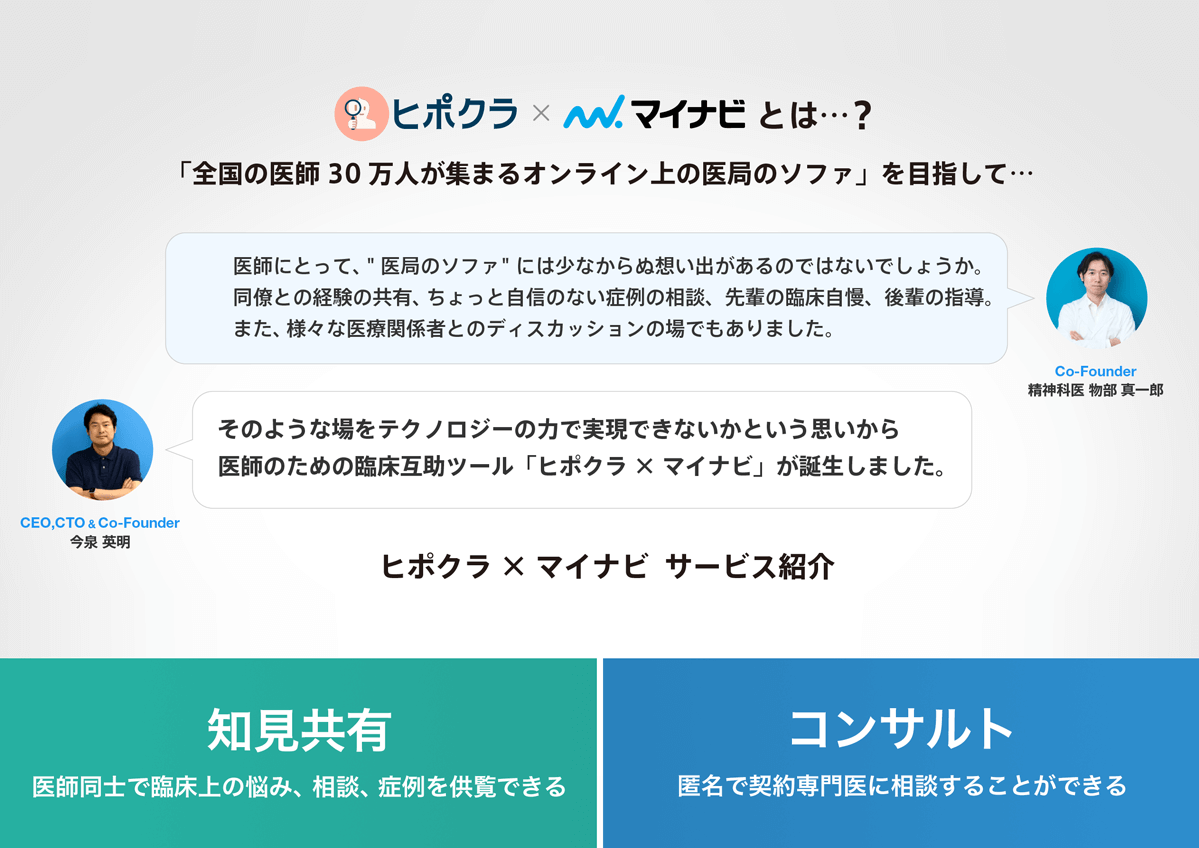
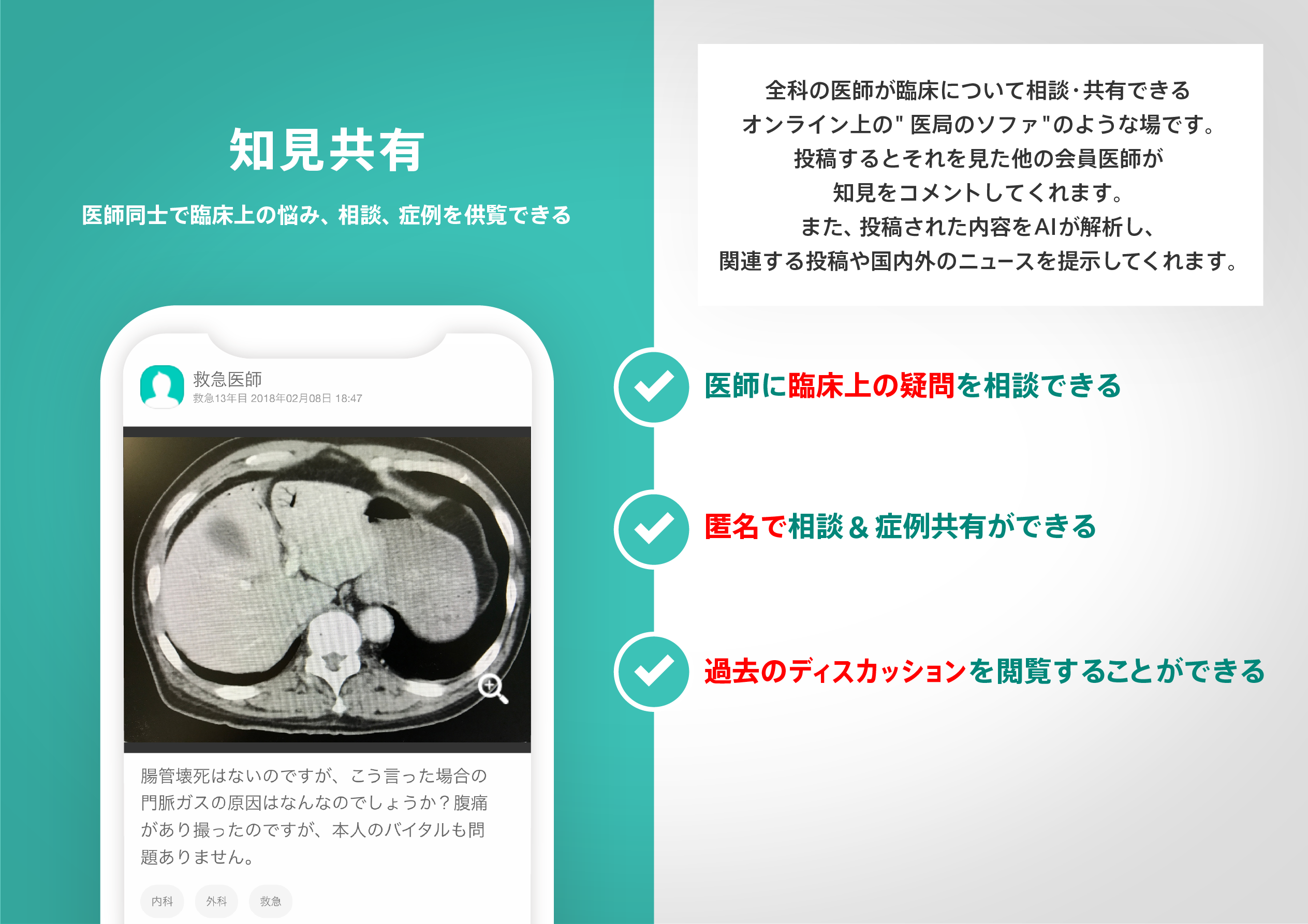
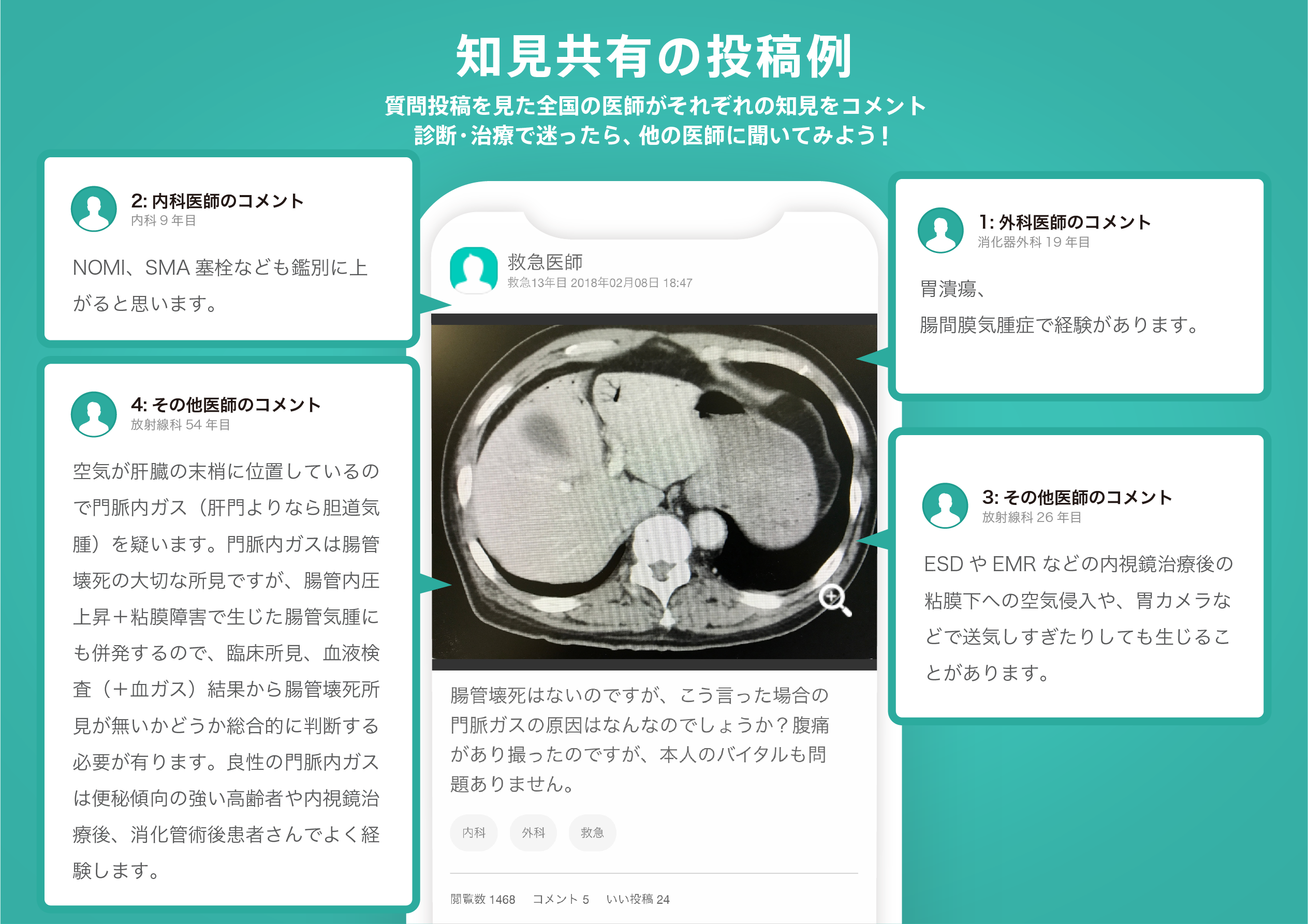
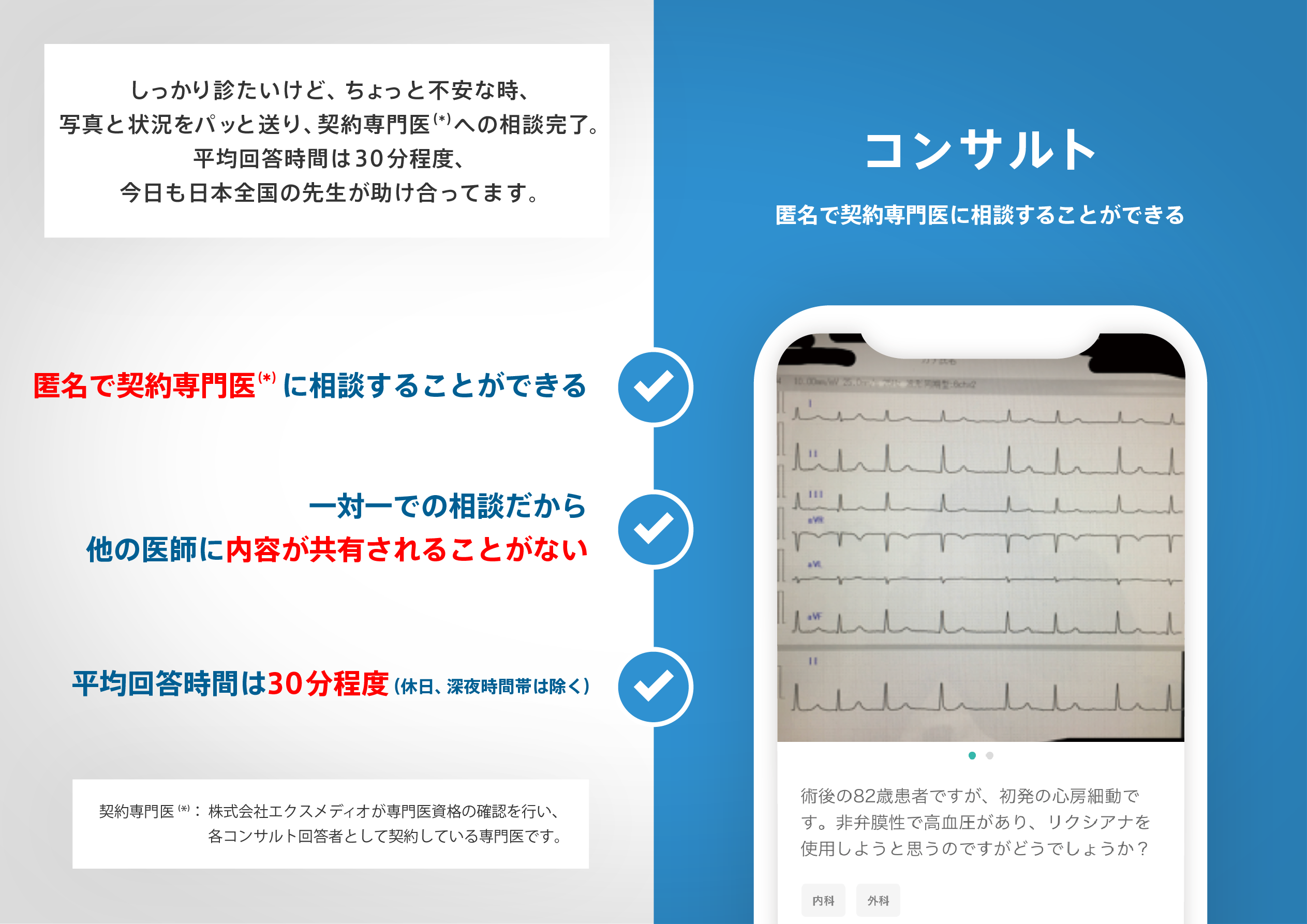
医師のための臨床サポートサービス
ヒポクラ x マイナビのご紹介

無料会員登録していただくと、さらに便利で効率的な検索が可能になります。