著名医師による解説が無料で読めます
すると翻訳の精度が向上します
食事パターンは、腎臓結石に関連することが証明されている腸内微生物叢と密接に関連しています。食事パターン、腸内微生物叢、腎臓結石の関連を評価するために、シュウ酸カルシウムの石と腎臓結石のない参加者の患者は、西中国病院で募集され、低腎症リスク(LNR)および高腎症リスク(HNR)に分割されました。食物頻度アンケートの結果に基づく栄養パターングループ。糞便サンプルのゲノムDNAは、16SリボソームRNA遺伝子配列決定のために抽出されました。非キドニーストーン(NS)グループは39のLNRおよび45 HNRの個人で構成され、腎臓ストーン(KS)グループは19 LNRと50のHNR個体で構成されていました。尿中のシュウ酸塩の分布(p <0.01)は、カルシウム(p = 0.741)ではなく4つのグループ間で有意に変化しました。KSおよびNSコントロールを持つ人々の食事パターンに有意差が見つかりました(x2 = 5.744、p = 0.017)。KS患者とNSコントロールのさまざまな食事パターングループの中で、46の識別細菌が見つかりました。Pseudomonas、Sphingomonas、HydrogenoaNeerobacterium、Faecalitaleaなどの腸内細菌だけでなく、炎症、脂質、およびミネラル代謝に関連する代謝経路も、HNR食事パターンのKS患者でより豊富であることがわかりました。G__Prevotellaceae_ucg_001、g__hgci_clade、およびg__bradyrhizobiumが水摂取に負の関係があるが、代わりに塩と肉の摂取量と正の相関があったことは注目に値します。私たちの研究では、シュウ酸カルシウムKSとNSの両方の個体のLNR対応物と比較して、HNR食事パターンには有意に異なる存在量がある腸内微生物叢が存在することが明らかになりました。食事パターンは、腸内微生物叢の恒常性を調節することにより、シュウ酸カルシウム結石の予防と管理に影響を与える可能性があります。
食事パターンは、腎臓結石に関連することが証明されている腸内微生物叢と密接に関連しています。食事パターン、腸内微生物叢、腎臓結石の関連を評価するために、シュウ酸カルシウムの石と腎臓結石のない参加者の患者は、西中国病院で募集され、低腎症リスク(LNR)および高腎症リスク(HNR)に分割されました。食物頻度アンケートの結果に基づく栄養パターングループ。糞便サンプルのゲノムDNAは、16SリボソームRNA遺伝子配列決定のために抽出されました。非キドニーストーン(NS)グループは39のLNRおよび45 HNRの個人で構成され、腎臓ストーン(KS)グループは19 LNRと50のHNR個体で構成されていました。尿中のシュウ酸塩の分布(p <0.01)は、カルシウム(p = 0.741)ではなく4つのグループ間で有意に変化しました。KSおよびNSコントロールを持つ人々の食事パターンに有意差が見つかりました(x2 = 5.744、p = 0.017)。KS患者とNSコントロールのさまざまな食事パターングループの中で、46の識別細菌が見つかりました。Pseudomonas、Sphingomonas、HydrogenoaNeerobacterium、Faecalitaleaなどの腸内細菌だけでなく、炎症、脂質、およびミネラル代謝に関連する代謝経路も、HNR食事パターンのKS患者でより豊富であることがわかりました。G__Prevotellaceae_ucg_001、g__hgci_clade、およびg__bradyrhizobiumが水摂取に負の関係があるが、代わりに塩と肉の摂取量と正の相関があったことは注目に値します。私たちの研究では、シュウ酸カルシウムKSとNSの両方の個体のLNR対応物と比較して、HNR食事パターンには有意に異なる存在量がある腸内微生物叢が存在することが明らかになりました。食事パターンは、腸内微生物叢の恒常性を調節することにより、シュウ酸カルシウム結石の予防と管理に影響を与える可能性があります。
The dietary patterns are closely associated with gut microbiota, which has been proved associated with kidney stones. To assess the association among the dietary patterns, gut microbiota, and kidney stones, patients with calcium oxalate stones and participants without kidney stones were recruited in West China Hospital and were divided into the low nephrolithiasis risk (LNR) and high nephrolithiasis risk (HNR) dietary pattern group based on the results of food frequency questionnaires. The genomic DNA of the fecal samples were extracted for 16S ribosomal RNA gene sequencing. The non-kidney stone (NS) group comprised 39 LNR and 45 HNR individuals, while the kidney stone (KS) group consisted of 19 LNR and 50 HNR individuals. The distribution of oxalate in urine (p < 0.01) but not calcium (p = 0.741) was significantly varied among the four groups. Significant difference was found in the dietary patterns of people with KS and NS controls (X2 = 5.744, p = 0.017). Forty-six discriminative bacteria were found among different dietary patterns groups in KS patients and NS controls. Not only gut bacteria such as Pseudomonas, Sphingomonas, Hydrogenoanaerobacterium, Faecalitalea, etc., but also metabolic pathways associated with inflammation, lipid, and mineral metabolism were found more abundant in KS patients with HNR dietary pattern. It is noteworthy that g__Prevotellaceae_UCG_001, g__hgcI_clade, and g__Bradyrhizobium were negatively related to water intake but instead had a positive correlation with salt and meat intake. Our study revealed that gut microbiota with significantly different abundance existed in the HNR dietary patterns compared to the LNR counterparts in both calcium oxalate KS and NS individuals. The dietary patterns may affect the prevention and management of calcium oxalate stones by regulating the homeostasis of gut microbiota.
医師のための臨床サポートサービス
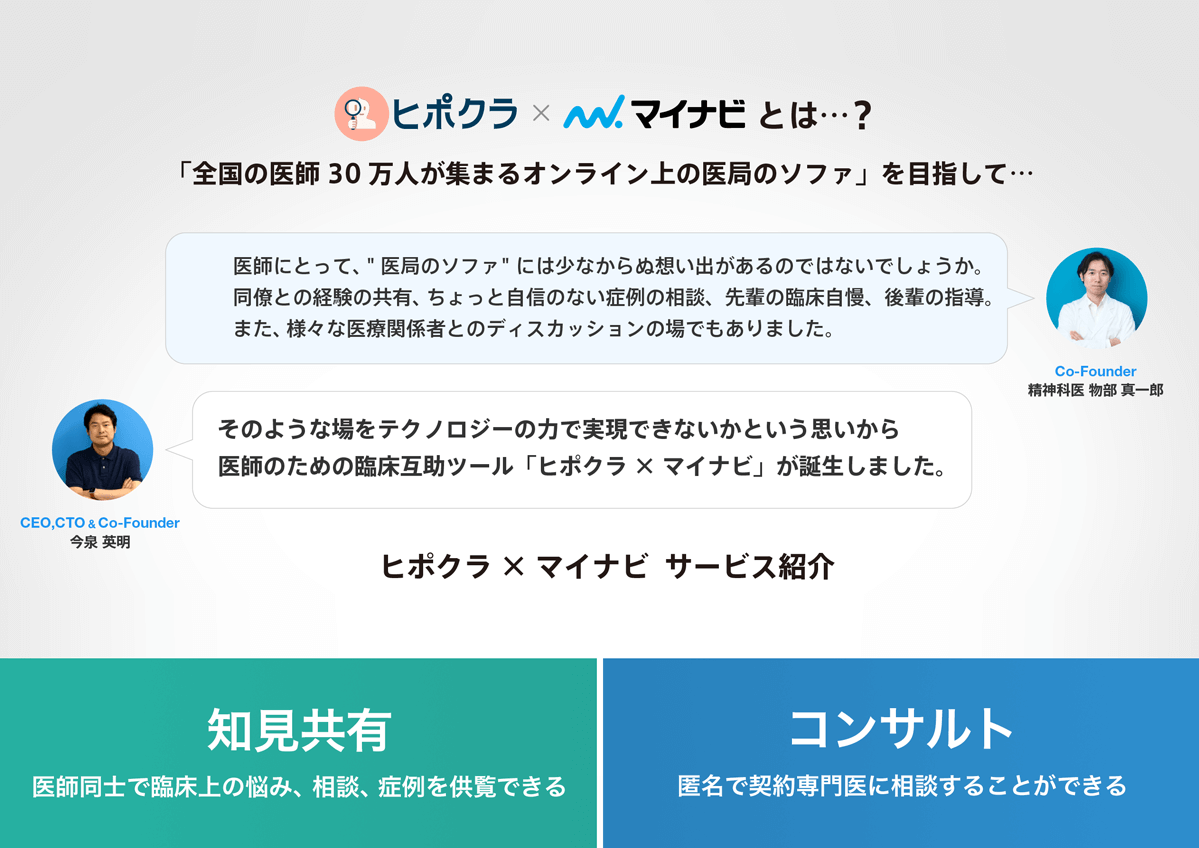
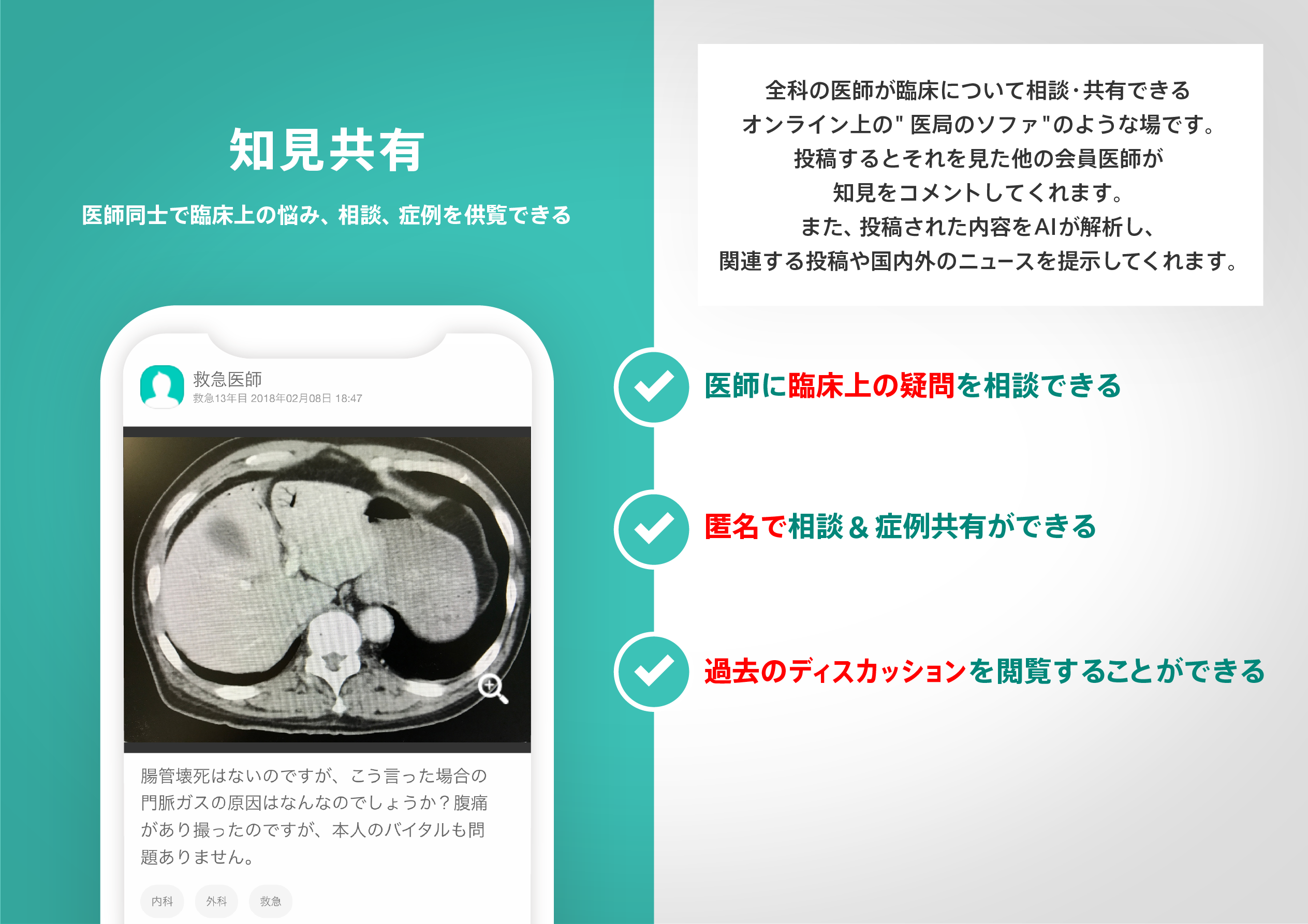
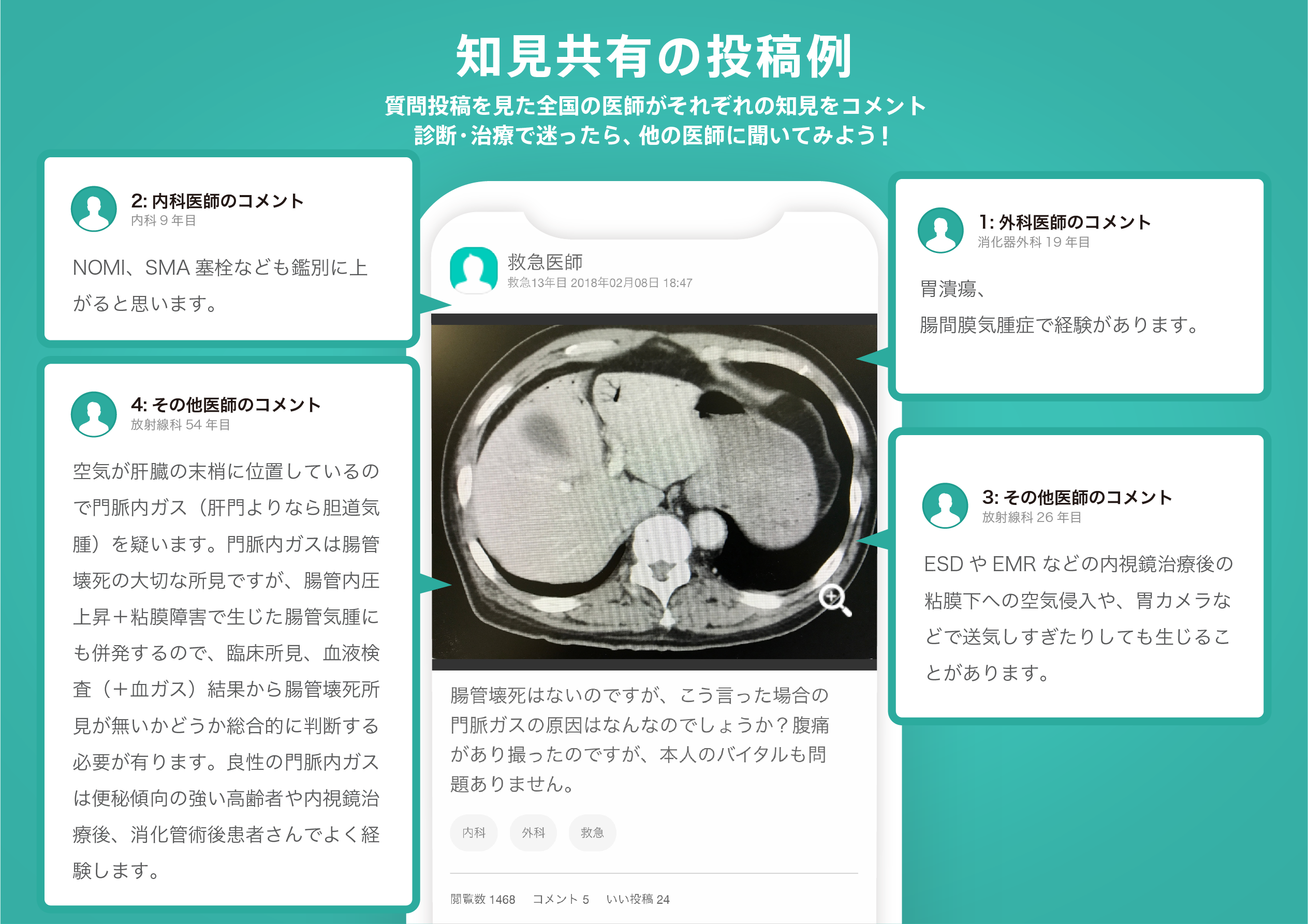
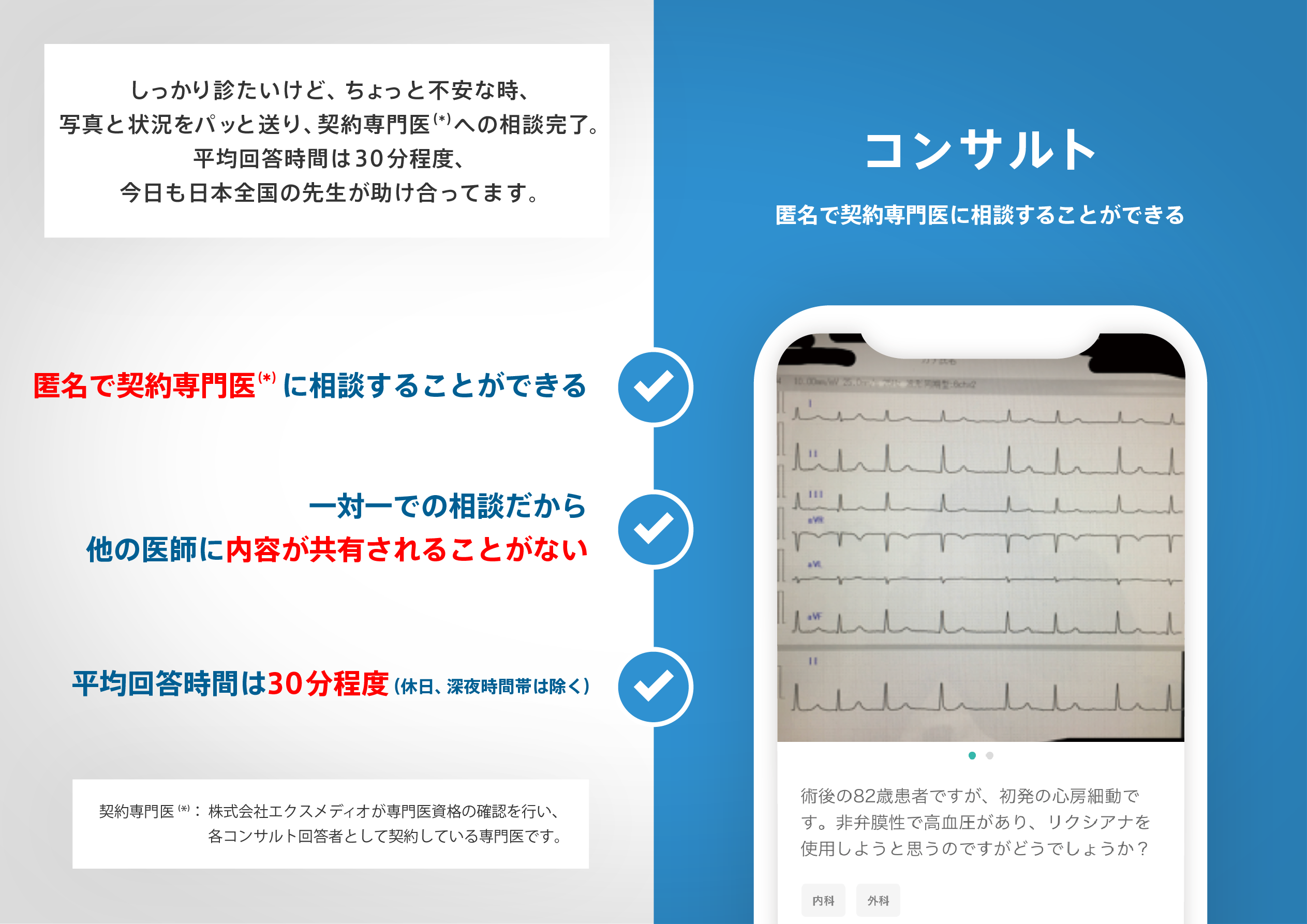
ヒポクラ x マイナビのご紹介

無料会員登録していただくと、さらに便利で効率的な検索が可能になります。