著名医師による解説が無料で読めます
すると翻訳の精度が向上します
背景:パキスタンでのタバコの使用の高い有病率は、パキスタンの個人、家族、社会に大きな健康と経済的負担をもたらします。ただし、パキスタンでのタバコ使用の主要なリスク要因の包括的な評価は、文献では非常に限られています。効果的なタバコ制御対策を特定して実装するには、タバコ使用の主要なリスク要因をよりよく理解する必要があります。 目的:パキスタンの成人の最近の大規模な全国代表サンプルにおけるタバコ喫煙の重要な社会経済的、人口統計学的、心理社会的決定要因を調査する。 方法:15〜49歳の2017-18パキスタン人口統計保健調査のN = 18,737人の参加者(15,057人の女性と3680人の男性)が喫煙の使用と関連要因に関するデータが含まれています。男性と女性の参加者の特性は、t検定(連続変数の場合)およびχ2テスト(カテゴリ変数の場合)を使用して比較されました。多変量ロジスティック回帰モデルを使用して、タバコの使用の性別固有の危険因子を特定しました。受信機の動作特性曲線テストを使用して、モデルの予測力を評価しました。 結果:男性と女性の両方の喫煙の可能性は、年齢、通常の居住地の州/地域、教育レベル、富、婚status状況などの要因と有意に関連していることがわかりました。たとえば、喫煙の確率は、45〜49歳の女性と男性の年齢(15〜19歳)からそれぞれ3.01および5.78に増加しました)と、教育の増加とともに(1.00 [教育なし]まで減少しました。高等教育の女性と男性の0.47および0.50)および富(最も貧しい女性と男性の場合は1.00 [貧しい]から0.43および0.47)。農村部の男性の喫煙の奇数比(0.67)は都市部の男性(1.00)のそれよりも有意に低かったが、農村部と都市の女性の間でオッズは有意な差はなかった。最後に、職業タイプ、メディアの影響、家庭内暴力などの要因は、パキスタンの女性のみの喫煙の可能性と関連していました。 結論:この研究は、パキスタンの成人のタバコの使用のリスクに寄与する性別固有の要因を特定し、パキスタンのタバコ消費を抑制するための政策介入は、社会人口学的および心理社会的特徴に基づいて特定の人口サブグループに合わせて調整されるべきであることを示唆しています。
背景:パキスタンでのタバコの使用の高い有病率は、パキスタンの個人、家族、社会に大きな健康と経済的負担をもたらします。ただし、パキスタンでのタバコ使用の主要なリスク要因の包括的な評価は、文献では非常に限られています。効果的なタバコ制御対策を特定して実装するには、タバコ使用の主要なリスク要因をよりよく理解する必要があります。 目的:パキスタンの成人の最近の大規模な全国代表サンプルにおけるタバコ喫煙の重要な社会経済的、人口統計学的、心理社会的決定要因を調査する。 方法:15〜49歳の2017-18パキスタン人口統計保健調査のN = 18,737人の参加者(15,057人の女性と3680人の男性)が喫煙の使用と関連要因に関するデータが含まれています。男性と女性の参加者の特性は、t検定(連続変数の場合)およびχ2テスト(カテゴリ変数の場合)を使用して比較されました。多変量ロジスティック回帰モデルを使用して、タバコの使用の性別固有の危険因子を特定しました。受信機の動作特性曲線テストを使用して、モデルの予測力を評価しました。 結果:男性と女性の両方の喫煙の可能性は、年齢、通常の居住地の州/地域、教育レベル、富、婚status状況などの要因と有意に関連していることがわかりました。たとえば、喫煙の確率は、45〜49歳の女性と男性の年齢(15〜19歳)からそれぞれ3.01および5.78に増加しました)と、教育の増加とともに(1.00 [教育なし]まで減少しました。高等教育の女性と男性の0.47および0.50)および富(最も貧しい女性と男性の場合は1.00 [貧しい]から0.43および0.47)。農村部の男性の喫煙の奇数比(0.67)は都市部の男性(1.00)のそれよりも有意に低かったが、農村部と都市の女性の間でオッズは有意な差はなかった。最後に、職業タイプ、メディアの影響、家庭内暴力などの要因は、パキスタンの女性のみの喫煙の可能性と関連していました。 結論:この研究は、パキスタンの成人のタバコの使用のリスクに寄与する性別固有の要因を特定し、パキスタンのタバコ消費を抑制するための政策介入は、社会人口学的および心理社会的特徴に基づいて特定の人口サブグループに合わせて調整されるべきであることを示唆しています。
BACKGROUND: The high prevalence of tobacco use in Pakistan poses a substantial health and economic burden to Pakistani individuals, families, and society. However, a comprehensive assessment of the key risk factors of tobacco use in Pakistan is very limited in the literature. A better understanding of the key risk factors of tobacco use is needed to identify and implement effective tobacco control measures. OBJECTIVES: To investigate the key socioeconomic, demographic, and psychosocial determinants of tobacco smoking in a recent large nationally representative sample of Pakistani adults. METHODS: N = 18,737 participants (15,057 females and 3680 males) from the 2017-18 Pakistan Demographic Health Survey, aged 15-49 years, with data on smoking use and related factors were included. Characteristics of male and female participants were compared using T-tests (for continuous variables) and χ2-tests (for categorical variables). Multivariable logistic regression models were used to identify gender-specific risk factors of tobacco use. The Receiver Operating Characteristic Curve test was used to evaluate the predictive power of models. RESULTS: We found that the probability of smoking for both males and females is significantly associated with factors such as their age, province/region of usual residence, education level, wealth, and marital status. For instance, the odds of smoking increased with age (from 1.00 [for ages 15-19 years] to 3.01 and 5.78 respectively for females and males aged 45-49 years) and decreased with increasing education (from 1.00 [for no education] to 0.47 and 0.50 for females and males with higher education) and wealth (from 1.00 [poorest] to 0.43 and 0.47 for richest females and males). Whilst the odd ratio of smoking for rural males (0.67) was significantly lower than that of urban males (1.00), the odds did not differ significantly between rural and urban females. Finally, factors such as occupation type, media influence, and domestic violence were associated with the probability of smoking for Pakistani females only. CONCLUSIONS: This study identified gender-specific factors contributing to the risk of tobacco usage in Pakistani adults, suggesting that policy interventions to curb tobacco consumption in Pakistan should be tailored to specific population sub-groups based on their sociodemographic and psychosocial features.
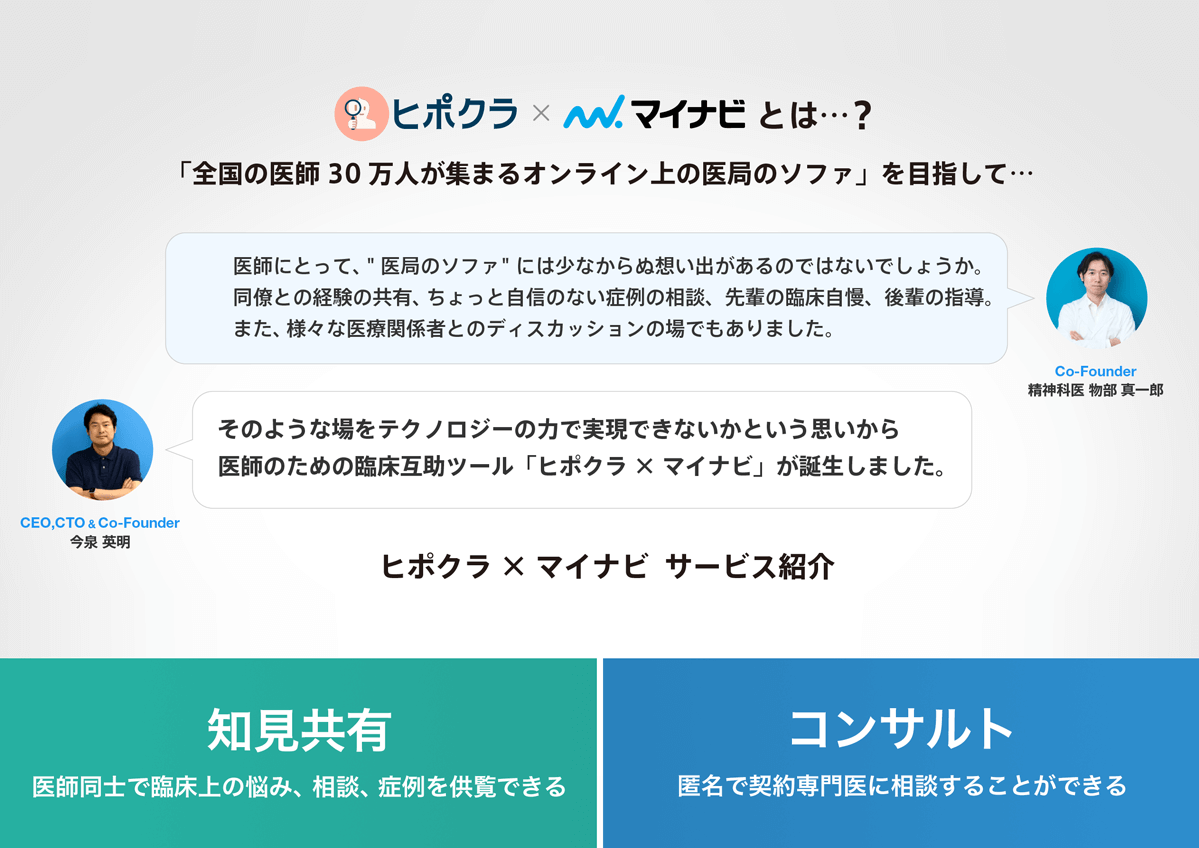
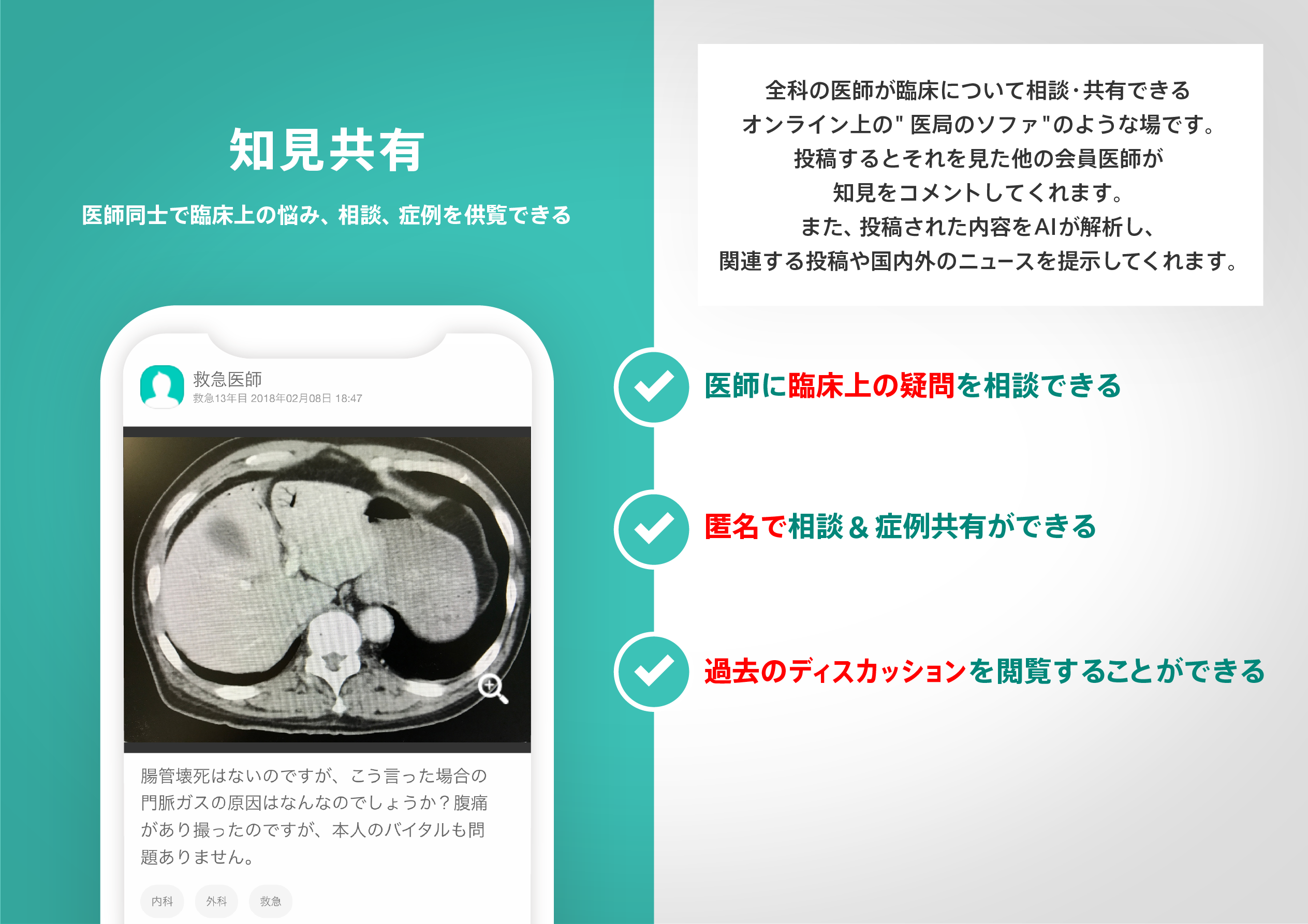
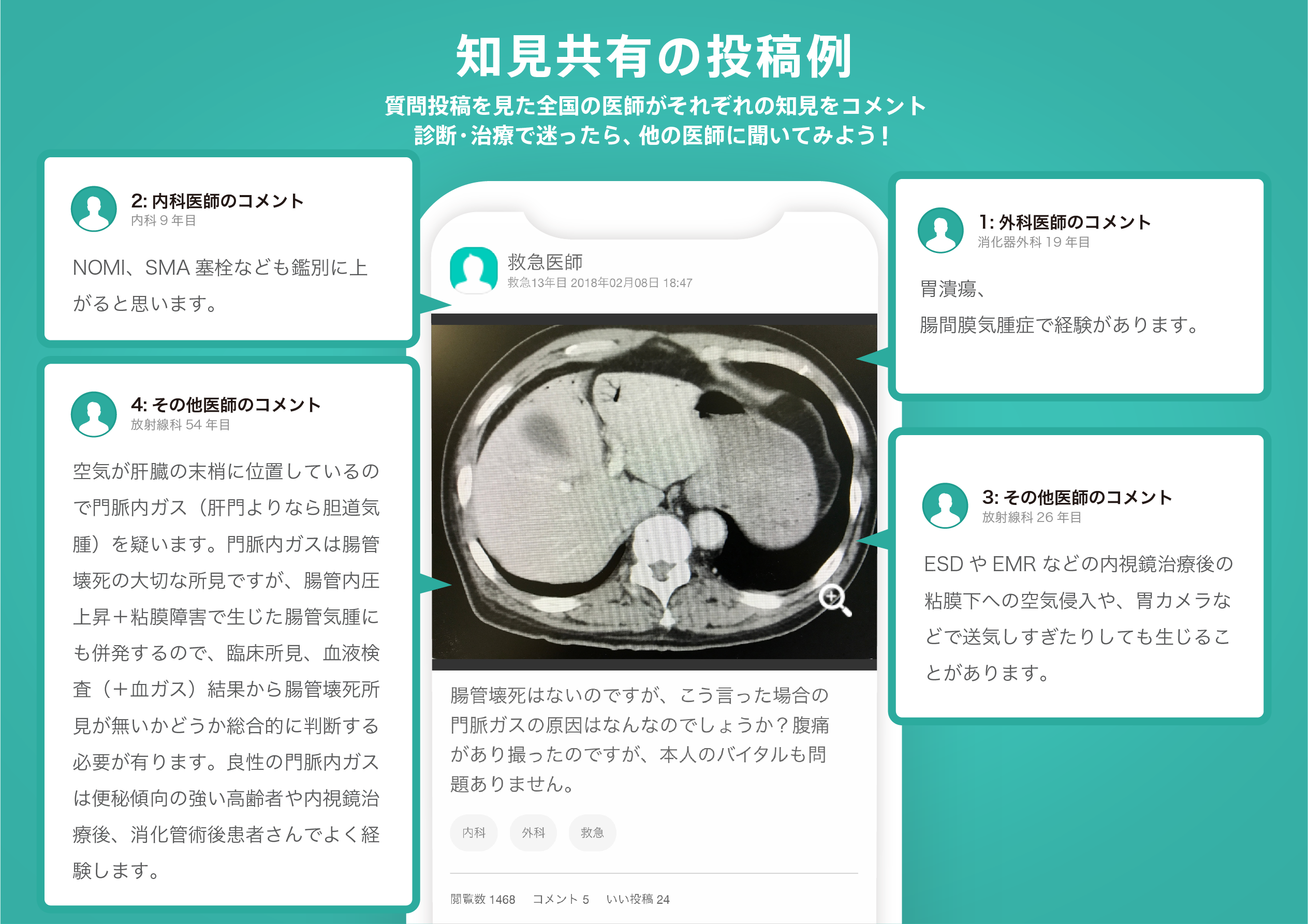
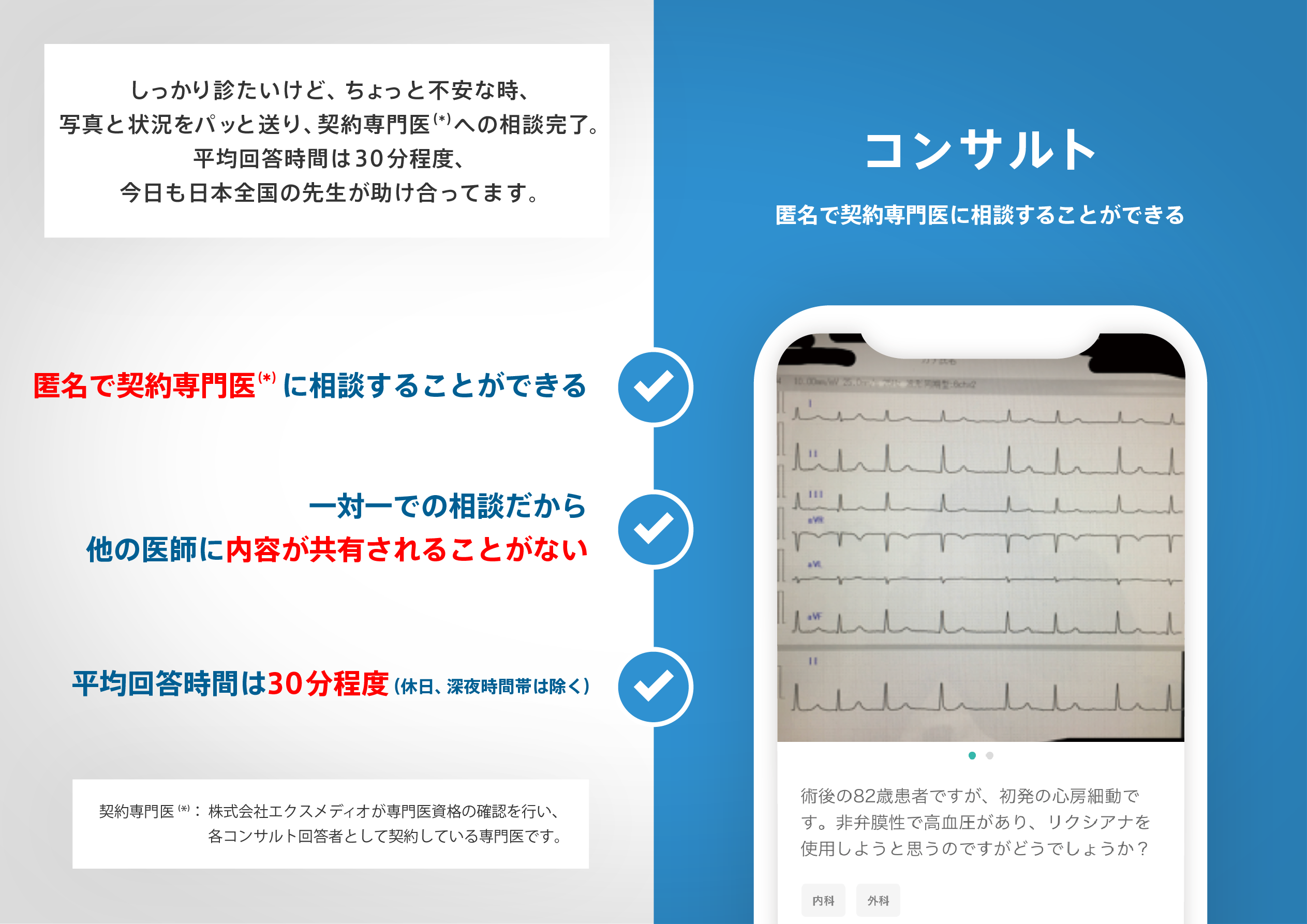
医師のための臨床サポートサービス
ヒポクラ x マイナビのご紹介

無料会員登録していただくと、さらに便利で効率的な検索が可能になります。