著名医師による解説が無料で読めます
すると翻訳の精度が向上します
2005年から2021年の間に麻生川医科大学病院で行われた尿管再建の外科的転帰を遡及的にレビューしました。年齢の中央値は57歳でした。尿管再建の理由は、9人の患者の骨盤手術による尿管損傷または狭窄、3の尿管の尿道性岩乳頭、1つの尿系結腸癌の尿管浸潤、卵巣癌が1つであることでした。尿管再建の部位は、2の近位尿管、3の中央、および10の遠位でした。外科的処置は、8人の患者(57%)のBoari Flap、4人(21%)の尿管根筋造体、1人(7%)の尿管が尿検査術を受けた尿管栄養素染色物質でした。、および残りの患者の両側尿管狭窄症のためにBoari Flapと組み合わせたTransureteroureterostomy(7%)。術後、ベシコウレテーター逆流、イレウス、および手術部位感染は、それぞれ3、2、および1患者で観察されました。患者は、腎ostomyまたは尿管カテーテル、または手術後の追加の処置を必要としませんでした。手術後の熱性尿路感染症のエピソードはありませんでした。平均推定糸球体ろ過率は、手術前に75.8および78.5 mL/min/1.73 m2を尊重し、手術後1〜101か月(18の中央値)でした。結論として、尿管再建手術後に満足のいく結果が達成されました。腎機能の悪化と尿路感染を防ぐために、各患者の尿管再建のための最も適切な手順を選択することの重要性を強調します。
2005年から2021年の間に麻生川医科大学病院で行われた尿管再建の外科的転帰を遡及的にレビューしました。年齢の中央値は57歳でした。尿管再建の理由は、9人の患者の骨盤手術による尿管損傷または狭窄、3の尿管の尿道性岩乳頭、1つの尿系結腸癌の尿管浸潤、卵巣癌が1つであることでした。尿管再建の部位は、2の近位尿管、3の中央、および10の遠位でした。外科的処置は、8人の患者(57%)のBoari Flap、4人(21%)の尿管根筋造体、1人(7%)の尿管が尿検査術を受けた尿管栄養素染色物質でした。、および残りの患者の両側尿管狭窄症のためにBoari Flapと組み合わせたTransureteroureterostomy(7%)。術後、ベシコウレテーター逆流、イレウス、および手術部位感染は、それぞれ3、2、および1患者で観察されました。患者は、腎ostomyまたは尿管カテーテル、または手術後の追加の処置を必要としませんでした。手術後の熱性尿路感染症のエピソードはありませんでした。平均推定糸球体ろ過率は、手術前に75.8および78.5 mL/min/1.73 m2を尊重し、手術後1〜101か月(18の中央値)でした。結論として、尿管再建手術後に満足のいく結果が達成されました。腎機能の悪化と尿路感染を防ぐために、各患者の尿管再建のための最も適切な手順を選択することの重要性を強調します。
We retrospectively reviewed the surgical outcome of ureteral reconstruction that was performed in Asahikawa Medical University Hospital between 2005 and 2021. A total of 14 patients (3 males, 11 females; 15 ureters) were included in this analysis. The median age was 57 years old. The reason for ureteral reconstruction was ureteral injury or stenosis due to pelvic surgery in 9 patients, transurethral lithotripsy for ureteral stone in 3, ureteral invasion of sigmoid colon cancer in one and ovarian cancer in one. The site of ureteral reconstruction was proximal ureter in 2, middle in 3 and distal in 10. The surgical procedure was ureteroneocystostomy with Boari flap in 8 patients (57%), ureteroureterostomy in 4 (21%), transureteroureterostomy in one (7%), and transureteroureterostomy combined with Boari flap for bilateral ureteral stenosis in the remaining patient (7%). Postoperatively, vesicoureteral reflux, ileus and surgical site infection were observed in 3, 2 and 1 patient, respectively. No patient required nephrostomy or ureteral catheter, or any additional procedure after the surgery. There was no episode of febrile urinary tract infection after the surgery. The mean estimated glomerular filtration rate was, respectivery 75.8 and 78.5 ml/min/1.73 m2 before surgery and at 1-101 months (median of 18) after the surgery. In conclusion, satisfactory outcome was achieved after ureteral reconstruction surgery. We emphasize the importance of selecting the most appropriate procedure for ureteral reconstruction in each patient to prevent renal function deterioration and urinary tract infection.
医師のための臨床サポートサービス
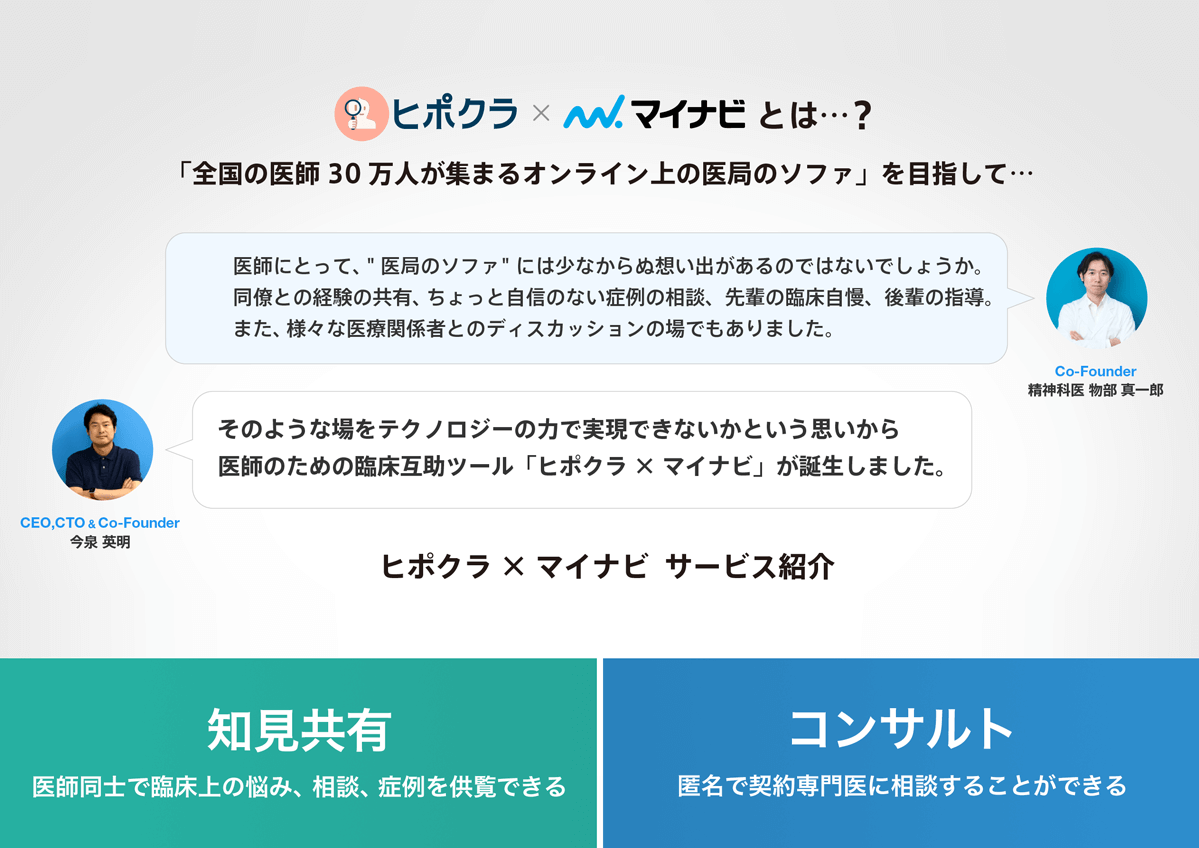
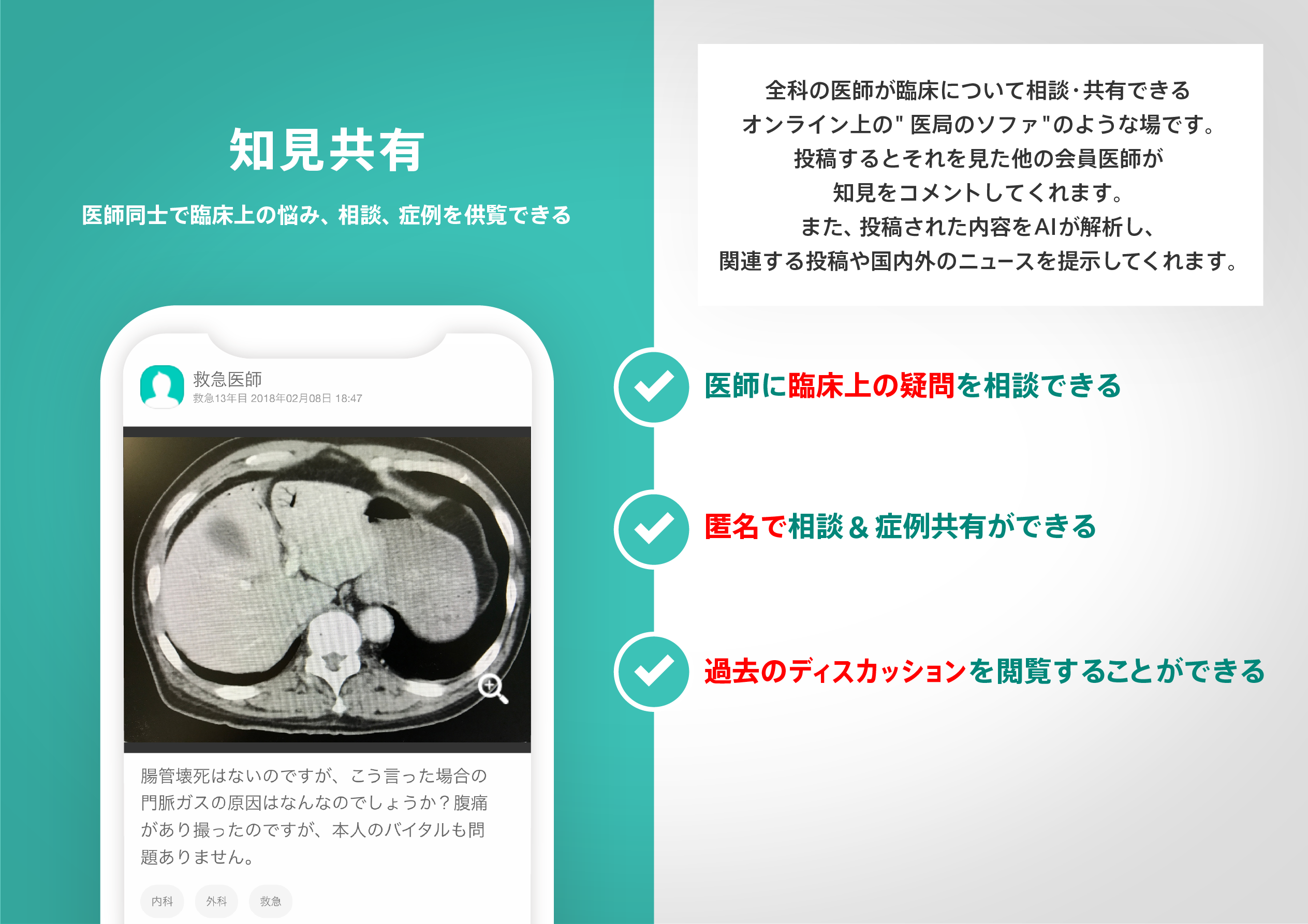
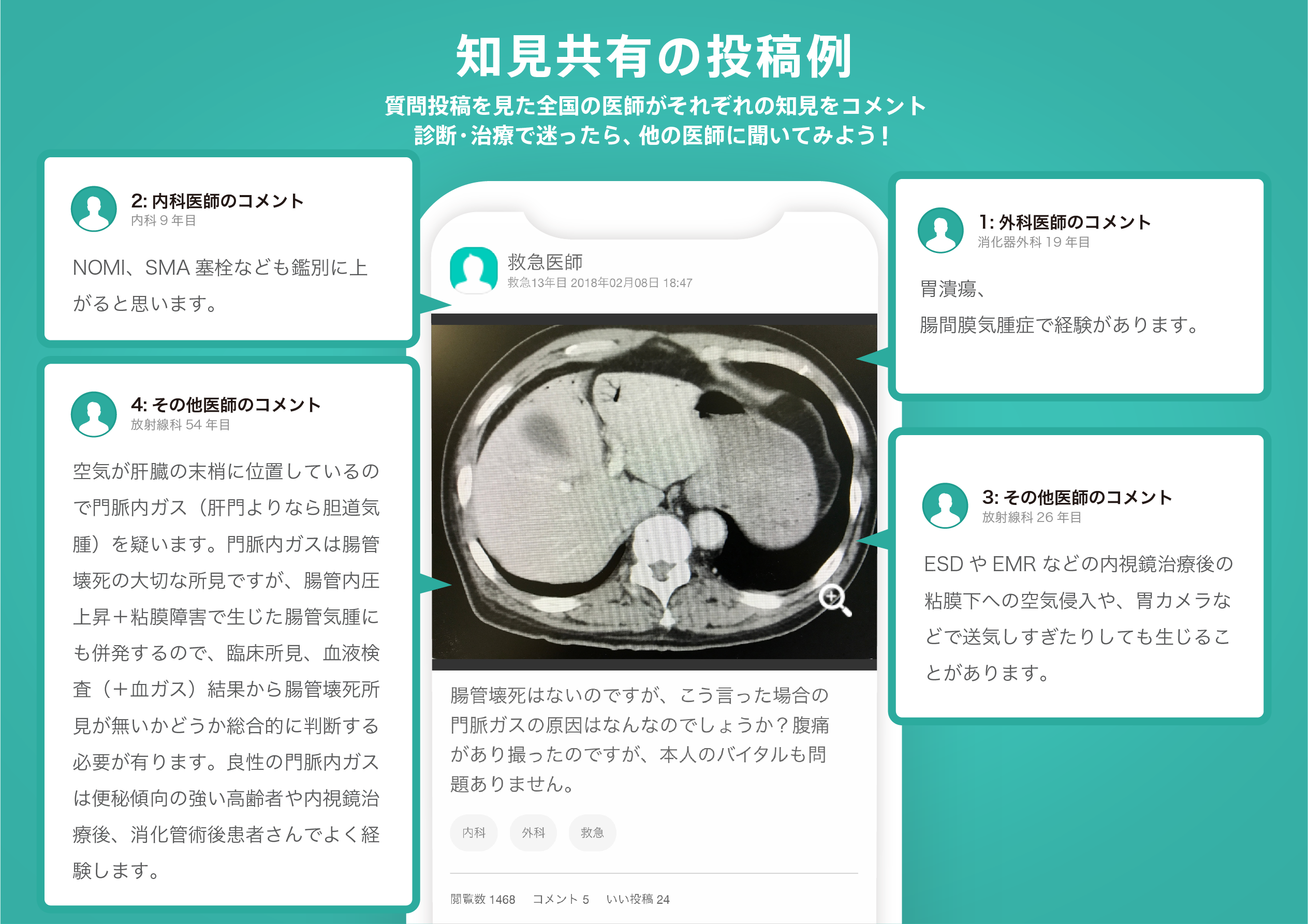
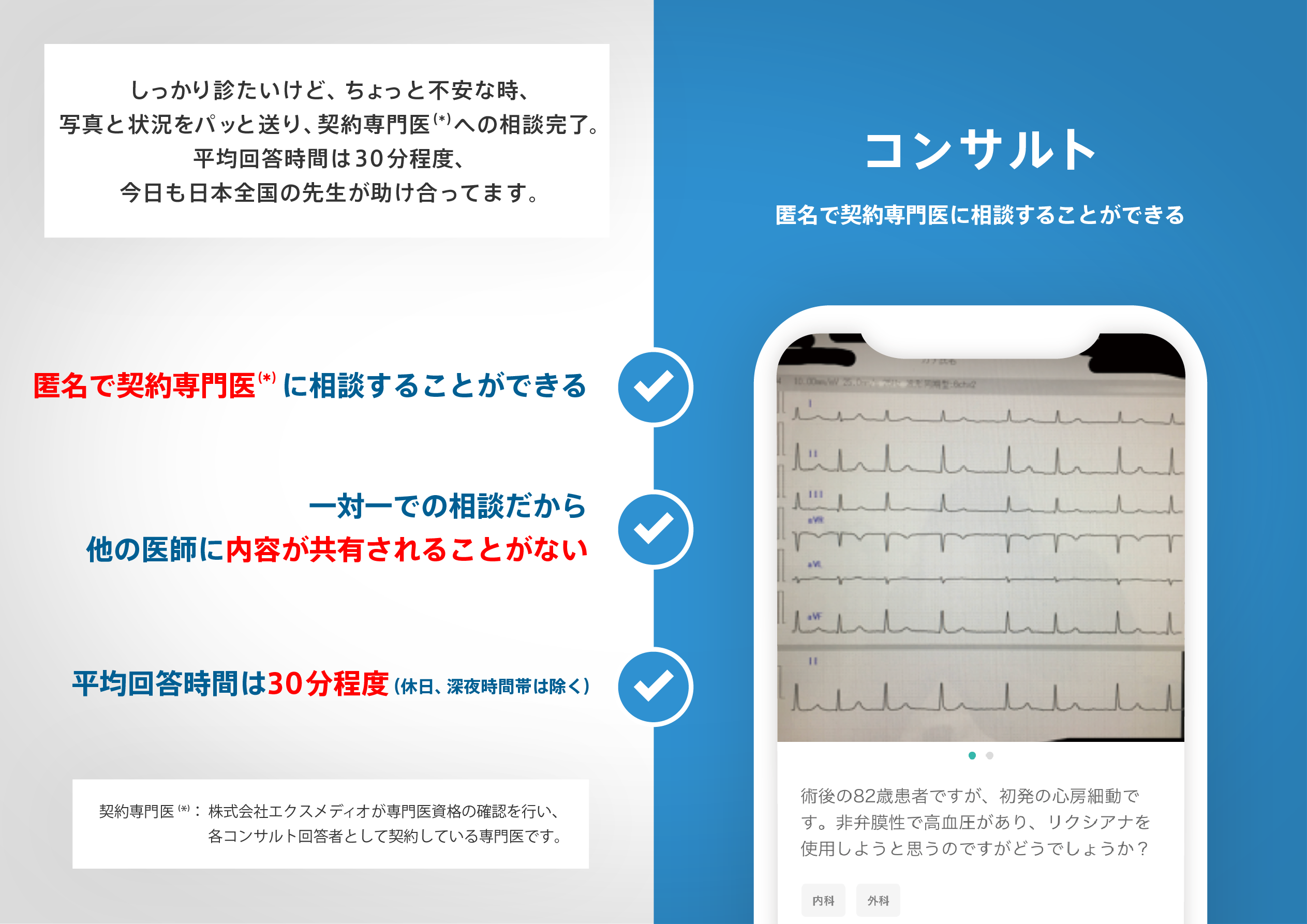
ヒポクラ x マイナビのご紹介

無料会員登録していただくと、さらに便利で効率的な検索が可能になります。