著名医師による解説が無料で読めます
すると翻訳の精度が向上します
Brutonのチロシンキナーゼ(BTK)は、B細胞抗原受容体(BCR)シグナル伝達形質導入において重要な役割を果たします。BTK阻害剤によるBCRシグナル伝達の制御は、炎症性および自己免疫疾患の治療に対する有望な治療アプローチです。2013年に異なる血液がんの治療のためにイブルチニブの承認を承認して以来、新しいBTK阻害剤を探索するために多大な努力が払われてきました。さまざまなリンパ腫および白血病に対する第1世代および第2世代の不可逆的なBTK阻害剤の顕著な効力と有効性にもかかわらず、ターゲット外毒性や原発性/後天性薬物耐性など、いくつかの臨床的制限もあります。BTKにおけるC481S変異による後天性薬剤耐性は、不可逆的阻害剤の主要な挑戦的な問題です。BTK C481S変異の後、不可逆的な共有結合阻害剤は、BTKとの共有結合を形成し、ドロップ活性を形成することはできません。したがって、突然変異問題を克服するために、新しいBTK阻害剤を開発する緊急の必要性があります。近年、いくつかの可逆的なBTK阻害剤が開発されており、臨床評価段階にあります。さらに、いくつかの可逆的なBTK-Protacsが調査され、開発中です。MK1026/ ARQ531、LOXO305、フェネブルチニブを含む多くの可逆的でないBTK阻害剤は、自己免疫疾患の臨床試験のさまざまな段階にあります。このレビューでは、特にBTK C481S変異とリンパ腫および自己免疫疾患の治療のための応用を標的とするNext Generation BTK阻害剤の発見と開発を要約しました。
Brutonのチロシンキナーゼ(BTK)は、B細胞抗原受容体(BCR)シグナル伝達形質導入において重要な役割を果たします。BTK阻害剤によるBCRシグナル伝達の制御は、炎症性および自己免疫疾患の治療に対する有望な治療アプローチです。2013年に異なる血液がんの治療のためにイブルチニブの承認を承認して以来、新しいBTK阻害剤を探索するために多大な努力が払われてきました。さまざまなリンパ腫および白血病に対する第1世代および第2世代の不可逆的なBTK阻害剤の顕著な効力と有効性にもかかわらず、ターゲット外毒性や原発性/後天性薬物耐性など、いくつかの臨床的制限もあります。BTKにおけるC481S変異による後天性薬剤耐性は、不可逆的阻害剤の主要な挑戦的な問題です。BTK C481S変異の後、不可逆的な共有結合阻害剤は、BTKとの共有結合を形成し、ドロップ活性を形成することはできません。したがって、突然変異問題を克服するために、新しいBTK阻害剤を開発する緊急の必要性があります。近年、いくつかの可逆的なBTK阻害剤が開発されており、臨床評価段階にあります。さらに、いくつかの可逆的なBTK-Protacsが調査され、開発中です。MK1026/ ARQ531、LOXO305、フェネブルチニブを含む多くの可逆的でないBTK阻害剤は、自己免疫疾患の臨床試験のさまざまな段階にあります。このレビューでは、特にBTK C481S変異とリンパ腫および自己免疫疾患の治療のための応用を標的とするNext Generation BTK阻害剤の発見と開発を要約しました。
Bruton's tyrosine kinase (BTK) plays a vital role in B-cell antigen receptor (BCR) signalling transduction pathway. Controlling BCR signalling by BTK inhibitors is a promising therapeutic approach for the treatment of inflammatory and autoimmune diseases. Since the approval of ibrutinib for the treatment of different haematological cancers in 2013, great efforts have been made to explore new BTK inhibitors. Despite the remarkable potency and efficacy of first and second generation irreversible BTK inhibitors against various lymphomas and leukaemia, there are also some clinical limitations, such as off-target toxicity and primary/acquired drug resistance. Acquired drug resistance due to the C481S mutation in BTK is the major challenging problem of irreversible inhibitors. After, the BTK C481S mutation, the irreversible covalent inhibitors cannot form covalent bond with BTK and drop activities. Hence, there is an urgent need to develop novel BTK inhibitors to overcome the mutation problem. In recent years, a few reversible BTK inhibitors have been developed and are under clinical evaluation stages. In addition, a few reversible BTK-PROTACs have been explored and under developments. A number of reversible non-covalent BTK inhibitors, including MK1026/ ARQ531, LOXO305, fenebrutinib are at different stages of clinical trials for autoimmune diseases. In this review, we summarized the discovery and development of nextgeneration BTK inhibitors, especially targeting BTK C481S mutation and their applications for the treatment of lymphomas and autoimmune diseases.
医師のための臨床サポートサービス
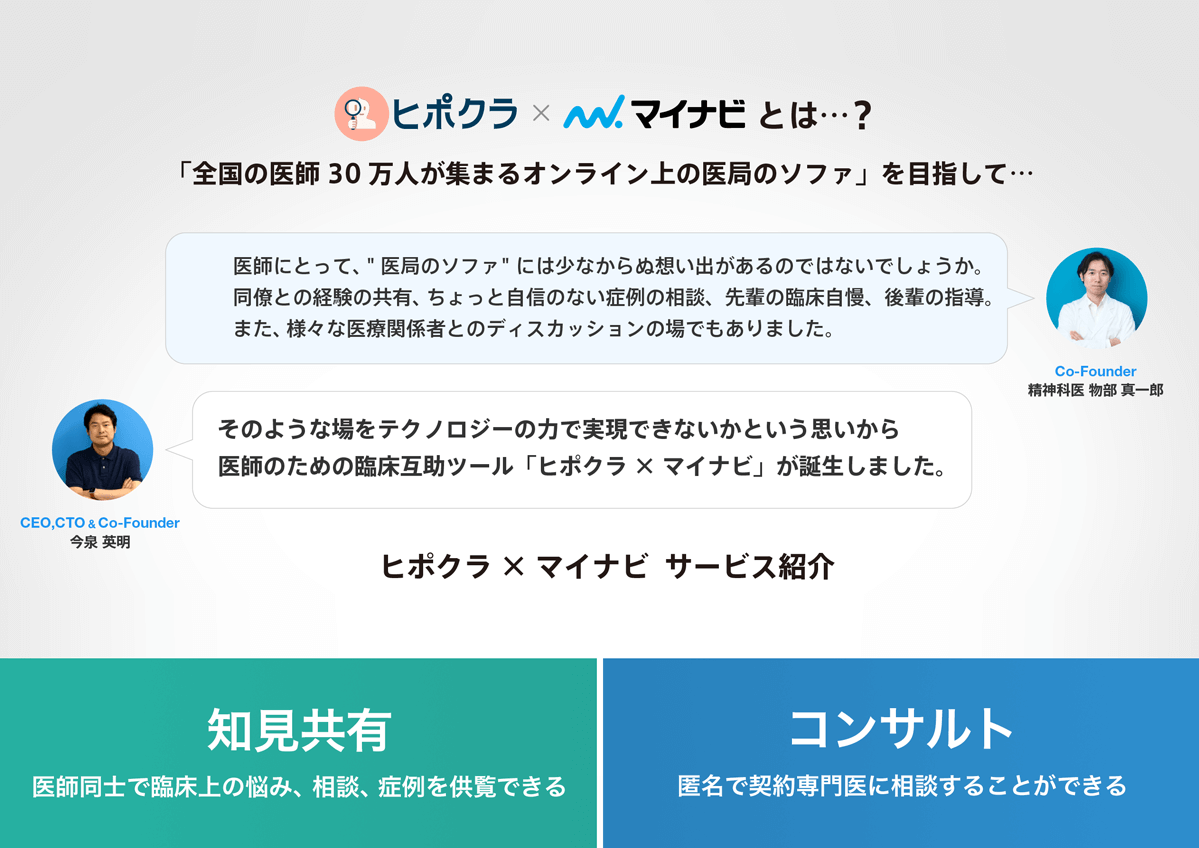
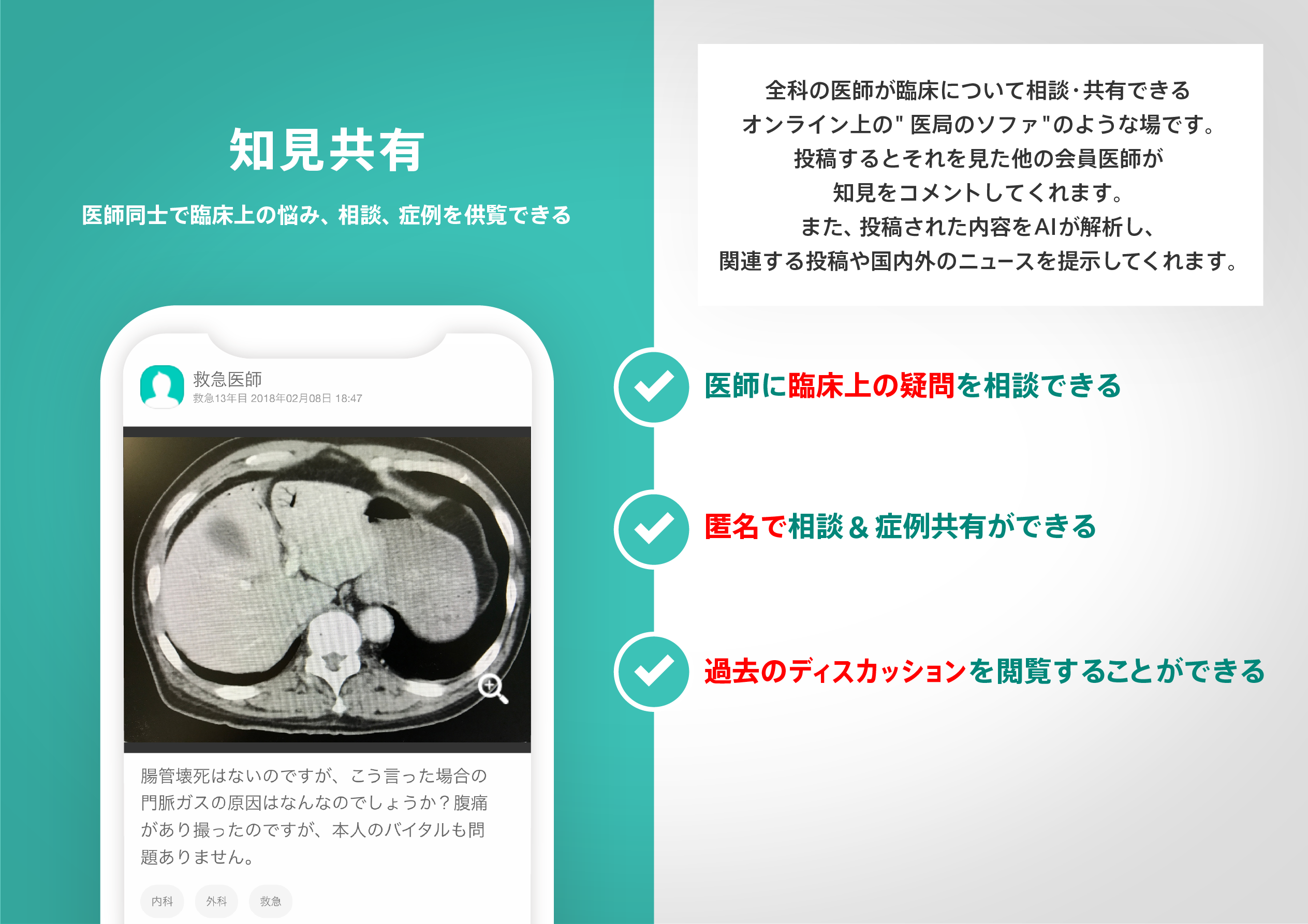
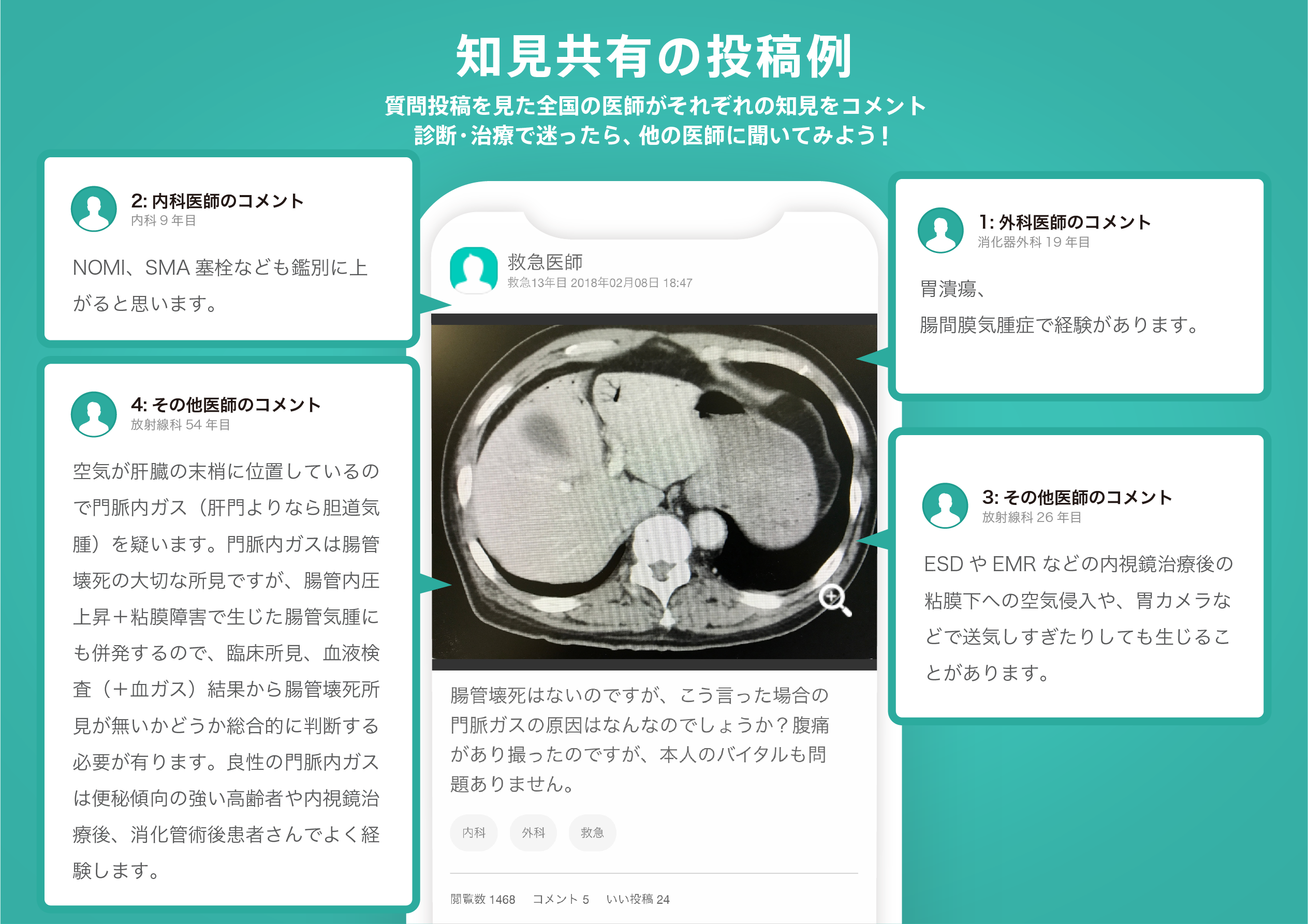
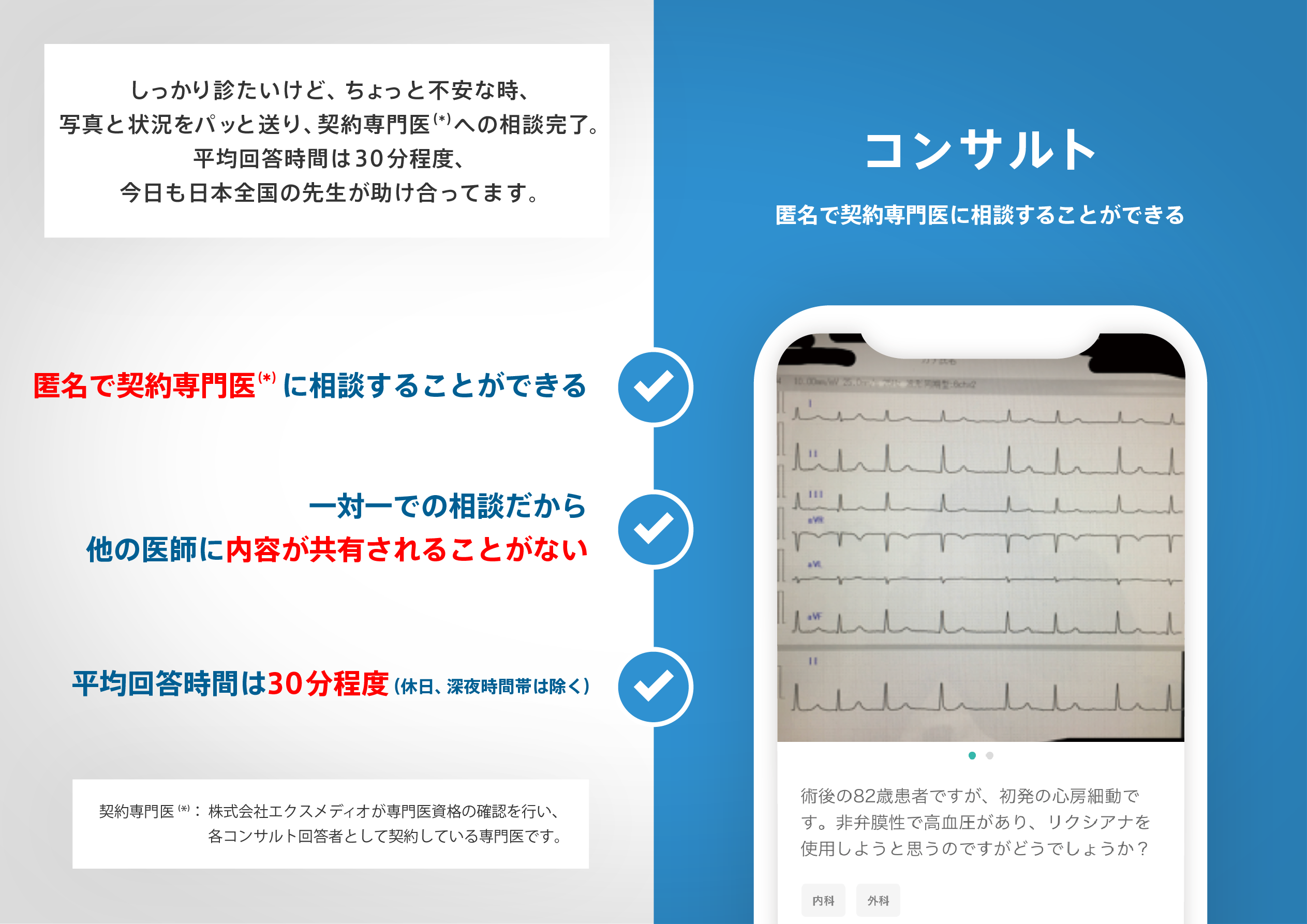
ヒポクラ x マイナビのご紹介

無料会員登録していただくと、さらに便利で効率的な検索が可能になります。