著名医師による解説が無料で読めます
すると翻訳の精度が向上します
背景:プロタンパク質変換酵素/ケキシン9型(PCSK9)阻害剤であるアリロクマブとエボロクマブは、血漿低密度リポタンパク質コレステロール(LDL-C)および高リスク患者におけるアテローム性硬化症の心臓血管疾患のリスクを減らすために承認されています。アリロクマブとアリロクマブ間の脂質低下効果の比較を示す実際のデータ臨床診療におけるPCSK9阻害剤の処方率が低いため、エボロクマブは希少です。 方法:2018年2月から2021年9月の間に、アリロクマブを投与された22人の患者と第三級医療センターでエボロクマブを投与された22人の患者が登録されました。患者のベースライン特性、処方された薬、血漿LDL-Cレベル、およびLDL-Cの減少の割合を、アリロクマブユーザーとエボロクマブユーザーの間で比較しました。 結果:アリロクマブユーザーは、より頻繁にエゼチミブ治療を受け(72.7%対40.9%、P = 0.03)、より高いベースラインLDL-C(165.6±63.2 mg/dL対130.8±56.3 mg/dl、p = 0.04)が比較されました。Evolocumabユーザーと。追跡の6か月で、アリロクマブユーザーの血漿LDL-Cレベルは、エボロクマブユーザーの血漿LDL-Cレベルと類似していた(79.3±64.0 mg/dL対63.5±44.1 mg/dl、p = 0.48)。さらに、治療後のLDL-Cの減少の割合は、アリロクマブユーザーとエボロクマブユーザーの間で類似していた(-47.0%±45.0%対-49.8±24.9%、P = 0.66)。 結論:アリロクマブのLDL-C低下効果は、臨床診療におけるエボロクマブのそれに似ています。
背景:プロタンパク質変換酵素/ケキシン9型(PCSK9)阻害剤であるアリロクマブとエボロクマブは、血漿低密度リポタンパク質コレステロール(LDL-C)および高リスク患者におけるアテローム性硬化症の心臓血管疾患のリスクを減らすために承認されています。アリロクマブとアリロクマブ間の脂質低下効果の比較を示す実際のデータ臨床診療におけるPCSK9阻害剤の処方率が低いため、エボロクマブは希少です。 方法:2018年2月から2021年9月の間に、アリロクマブを投与された22人の患者と第三級医療センターでエボロクマブを投与された22人の患者が登録されました。患者のベースライン特性、処方された薬、血漿LDL-Cレベル、およびLDL-Cの減少の割合を、アリロクマブユーザーとエボロクマブユーザーの間で比較しました。 結果:アリロクマブユーザーは、より頻繁にエゼチミブ治療を受け(72.7%対40.9%、P = 0.03)、より高いベースラインLDL-C(165.6±63.2 mg/dL対130.8±56.3 mg/dl、p = 0.04)が比較されました。Evolocumabユーザーと。追跡の6か月で、アリロクマブユーザーの血漿LDL-Cレベルは、エボロクマブユーザーの血漿LDL-Cレベルと類似していた(79.3±64.0 mg/dL対63.5±44.1 mg/dl、p = 0.48)。さらに、治療後のLDL-Cの減少の割合は、アリロクマブユーザーとエボロクマブユーザーの間で類似していた(-47.0%±45.0%対-49.8±24.9%、P = 0.66)。 結論:アリロクマブのLDL-C低下効果は、臨床診療におけるエボロクマブのそれに似ています。
BACKGROUND: Even though the proprotein convertase subtilisin/kexin type 9 (PCSK9) inhibitors, alirocumab and evolocumab, have been approved to reduce plasma low-density lipoprotein cholesterol (LDL-C) and the risk of atherosclerotic cardiovascular disease in high-risk patients, real-world data showing comparisons of the lipid-lowering effects between alirocumab and evolocumab are scarce because of the low prescription rates of PCSK9 inhibitors in clinical practice. METHODS: Between Feb 2018 and Sep 2021, 22 patients who received alirocumab and 22 patients who received evolocumab at a tertiary medical center were enrolled. The patients' baseline characteristics, prescribed medications, plasma LDL-C levels, and percentages of reduction in LDL-C were compared between alirocumab users and evolocumab users. RESULTS: The alirocumab users more frequently received ezetimibe treatment (72.7% vs. 40.9%, p = 0.03) and had higher baseline LDL-C (165.6 ± 63.2 mg/dL vs. 130.8 ± 56.3 mg/dL, p = 0.04) compared with the evolocumab users. At 6 months of follow-up, the plasma LDL-C levels in the alirocumab users were similar to those in the evolocumab users (79.3 ± 64.0 mg/dL vs. 63.5 ± 44.1 mg/dL, p = 0.48). Additionally, the percentages of LDL-C reduction following treatment were similar between the alirocumab users and evolocumab users (-47.0% ± 45.0% vs. -49.8 ± 24.9%, p = 0.66). CONCLUSIONS: The LDL-C lowering effects of alirocumab are similar to those of evolocumab in clinical practice.
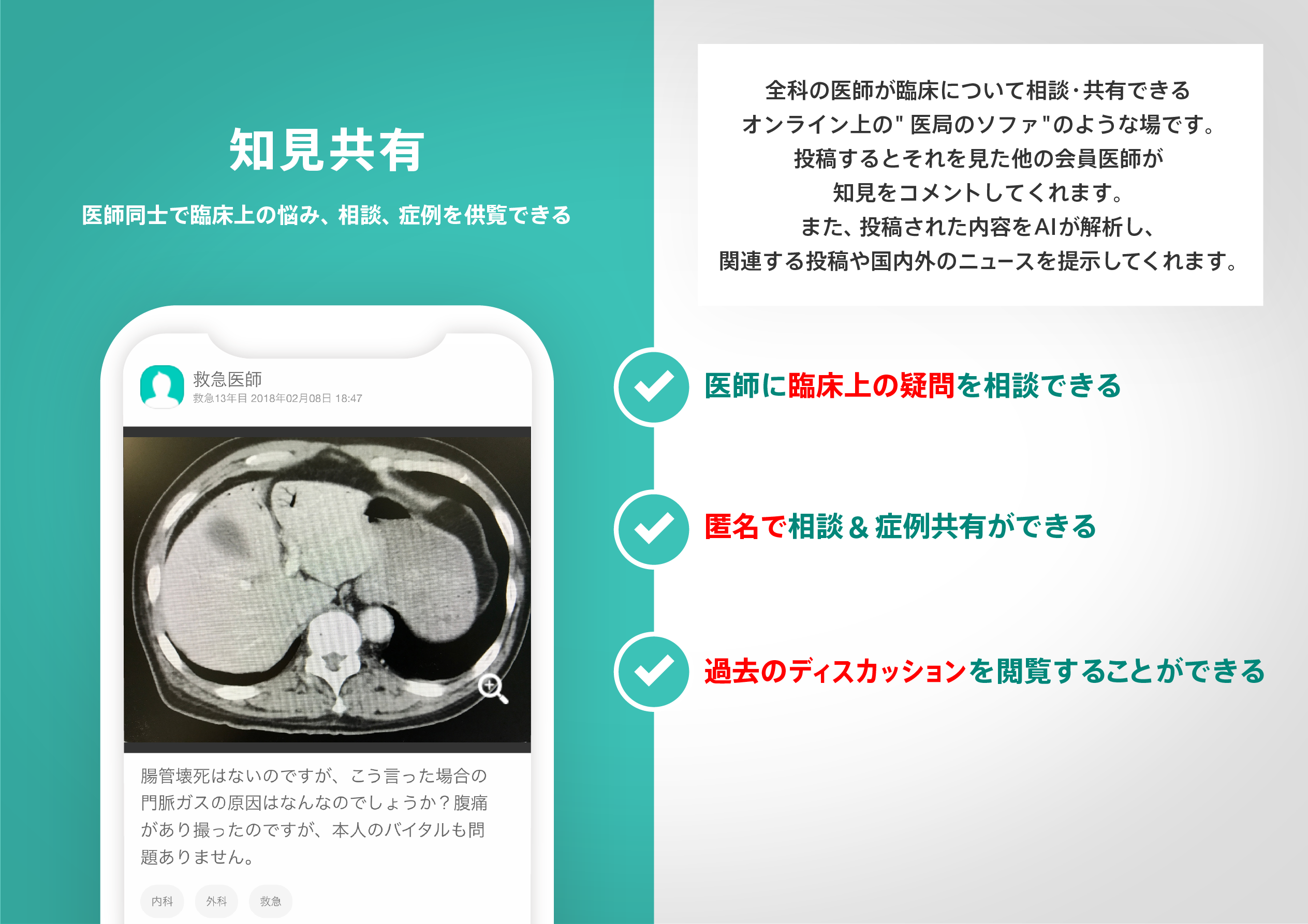
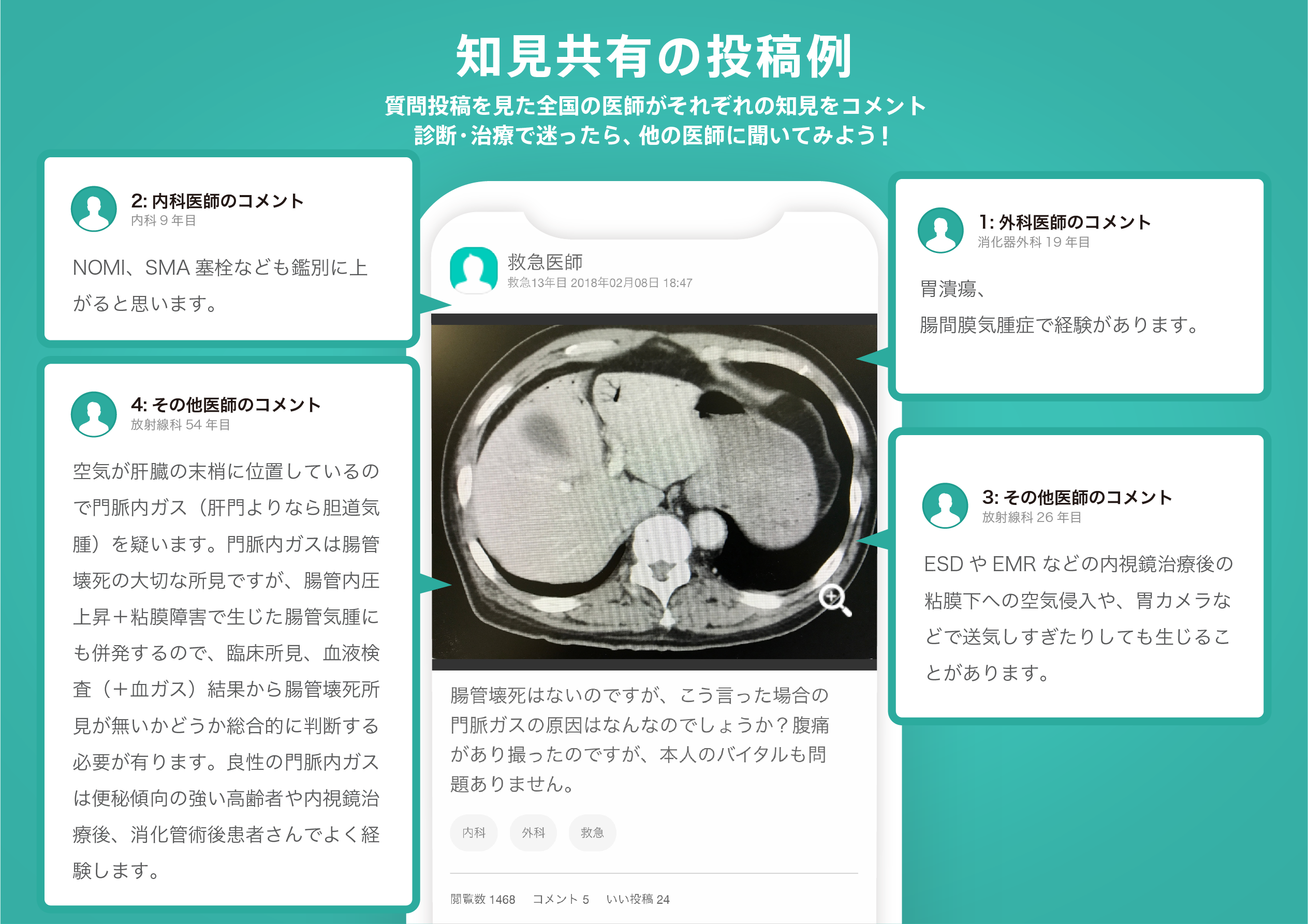
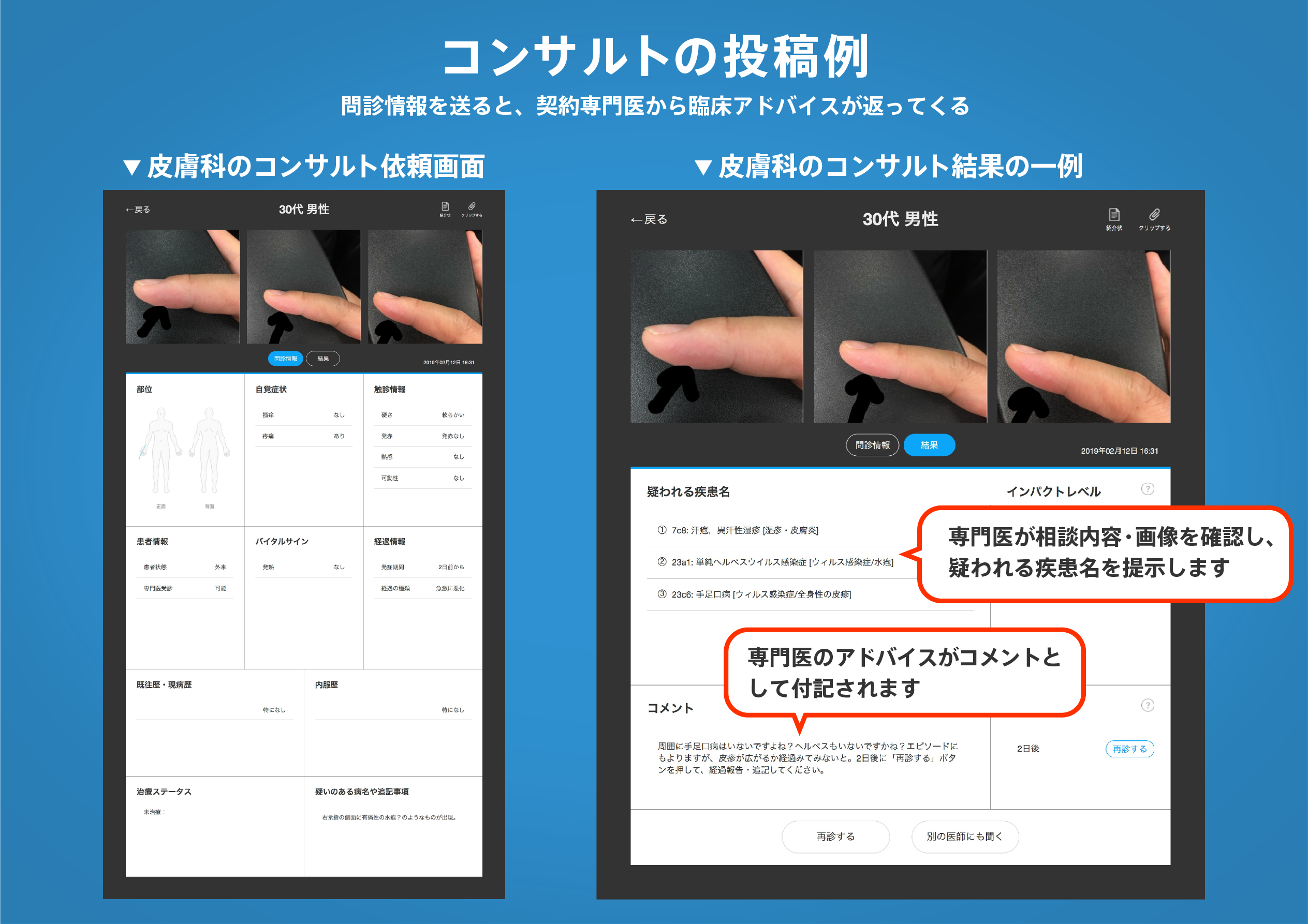
医師のための臨床サポートサービス
ヒポクラ x マイナビのご紹介



無料会員登録していただくと、さらに便利で効率的な検索が可能になります。