著名医師による解説が無料で読めます
すると翻訳の精度が向上します
除草剤グリホサートの直接測定のための高速で信頼できる方法、その主要な分解生成物アミノメチルホスホン酸(AMPA)およびグルフォシン酸塩は、さまざまな食物マトリックスに提示されます。植物起源の食物(quppe-po-method)の極低温農薬は、抽出に使用されました。固相抽出(SPE)。この方法は、MSを使用したイオンクロマトグラフィー(IC)銅を装備した多くの研究所に存在するエレクトロスプレーイオン化(LC-ESI-MS/MS)を備えたタンデム質量分析計に結合した市販の高性能液体クロマトグラフを使用します。 - 水中の0.8%ギ酸で作られた溶離性溶離液。時間のかかるクリーンアップ手順がないため、グレープフルーツのAMPAの最大91%の強いマトリックス効果(ME)が観察されます。検出限界(LODS)は、リンゴ、マッシュルーム、グレープフルーツ、亜麻仁、赤いレンズ豆、小麦のサンプルマトリックスで決定され、0.09〜0.8、0.04〜1および0.2〜2µg/kgの範囲であることがわかりました。それぞれグリホサート、AMPAおよびグルフォシン酸塩。同じマトリックスの場合、高水分量のマトリックスの場合は10〜400µg/kg、マトリックスでは10〜800µg/kgの範囲の濃度に抽出する前にそれらをスパイクすることにより、さまざまな商品グループのSanteガイドラインに従って検証が実行されました水分が少ない。同位体標識内部標準(ILI)の使用下で溶媒ベースのキャリブレーションを使用する場合、回収率は84%から120%の範囲であり、グリホサート、AMPA、gl菌の相対標準偏差(RSD)は1%〜19%の範囲であることがわかりました。調査したすべてのマトリックスのすべての要塞レベルで。したがって、この方法は、グリホサート、AMPA、およびグルフォシン酸の10µg/kgの定量(LOQ)の制限(LOQ)がSante Commodity Groups 1、2、4a、および5のサンプルで成功裏に導入され、5つの方法が成功しました。この方法の信頼性と堅牢性は異なる商品グループからランダムに選択されたサンプルでグリホサートについて得られた回復制御チャートを示すことによって実証されています。したがって、サンプルには、定期分析中に10µg/kgのグリホサートでスパイクされ、それによりすべての回復が70〜120%の範囲にあることがわかりました。
除草剤グリホサートの直接測定のための高速で信頼できる方法、その主要な分解生成物アミノメチルホスホン酸(AMPA)およびグルフォシン酸塩は、さまざまな食物マトリックスに提示されます。植物起源の食物(quppe-po-method)の極低温農薬は、抽出に使用されました。固相抽出(SPE)。この方法は、MSを使用したイオンクロマトグラフィー(IC)銅を装備した多くの研究所に存在するエレクトロスプレーイオン化(LC-ESI-MS/MS)を備えたタンデム質量分析計に結合した市販の高性能液体クロマトグラフを使用します。 - 水中の0.8%ギ酸で作られた溶離性溶離液。時間のかかるクリーンアップ手順がないため、グレープフルーツのAMPAの最大91%の強いマトリックス効果(ME)が観察されます。検出限界(LODS)は、リンゴ、マッシュルーム、グレープフルーツ、亜麻仁、赤いレンズ豆、小麦のサンプルマトリックスで決定され、0.09〜0.8、0.04〜1および0.2〜2µg/kgの範囲であることがわかりました。それぞれグリホサート、AMPAおよびグルフォシン酸塩。同じマトリックスの場合、高水分量のマトリックスの場合は10〜400µg/kg、マトリックスでは10〜800µg/kgの範囲の濃度に抽出する前にそれらをスパイクすることにより、さまざまな商品グループのSanteガイドラインに従って検証が実行されました水分が少ない。同位体標識内部標準(ILI)の使用下で溶媒ベースのキャリブレーションを使用する場合、回収率は84%から120%の範囲であり、グリホサート、AMPA、gl菌の相対標準偏差(RSD)は1%〜19%の範囲であることがわかりました。調査したすべてのマトリックスのすべての要塞レベルで。したがって、この方法は、グリホサート、AMPA、およびグルフォシン酸の10µg/kgの定量(LOQ)の制限(LOQ)がSante Commodity Groups 1、2、4a、および5のサンプルで成功裏に導入され、5つの方法が成功しました。この方法の信頼性と堅牢性は異なる商品グループからランダムに選択されたサンプルでグリホサートについて得られた回復制御チャートを示すことによって実証されています。したがって、サンプルには、定期分析中に10µg/kgのグリホサートでスパイクされ、それによりすべての回復が70〜120%の範囲にあることがわかりました。
A fast and reliable method for the direct determination of the herbicide glyphosate, its major degradation product aminomethylphosphonic acid (AMPA) and glufosinate is presented for a variety of food matrices. The Quick Polar Pesticides in food of Plant Origin method (QuPPe-PO-Method) was used for extraction without further preconcentration or clean-up steps involving e.g. solid phase extraction (SPE). The method makes use of a commercially available high performance liquid chromatograph coupled to a tandem mass spectrometer with electrospray ionization (LC-ESI-MS/MS) - as present in many laboratories - equipped with an ion chromatography (IC)-column using an MS-compatible eluent made of 0.8% formic acid in water. Due to the absence of time-consuming clean-up procedures, strong matrix effects (ME) of up to 91% for AMPA in grapefruit can be observed, when comparing its sensitivity to that obtained for solvent-based standards. The limits of detection (LODs) were determined for the sample matrices apple, mushrooms, grapefruit, linseed, red lentils and wheat and they were found to be in the range of 0.09 to 0.8, 0.04 to 1 and 0.2 to 2 µg/kg for glyphosate, AMPA and glufosinate, respectively. For the same matrices the validation was carried out according to SANTE guidelines for different commodity groups by spiking them up prior to extraction to concentrations ranging from 10 to 400 µg/kg for matrices with high water content and from 10 to 800 µg/kg for matrices with low water content. When using solvent-based calibration under the use of isotopically labelled internal standards (ILIS) the recoveries were found to range from 84% to 120% and the relative standard deviations (RSD) range between 1% and 19% for glyphosate, AMPA and glufosinate at all fortification levels for all matrices investigated. Accordingly, the method was successfully introduced in our laboratory with limits of quantification (LOQs) of 10 µg/kg for glyphosate, AMPA and glufosinate in samples from SANTE commodity groups 1, 2, 4a and 5. The reliability and robustness of the method are demonstrated by showing a recovery control chart obtained for glyphosate in randomly selected samples from different commodity groups. Therefore, the samples were spiked up with 10 µg/kg of glyphosate during routine analysis, whereby all recoveries were found to be in the range between 70 and 120%.
医師のための臨床サポートサービス
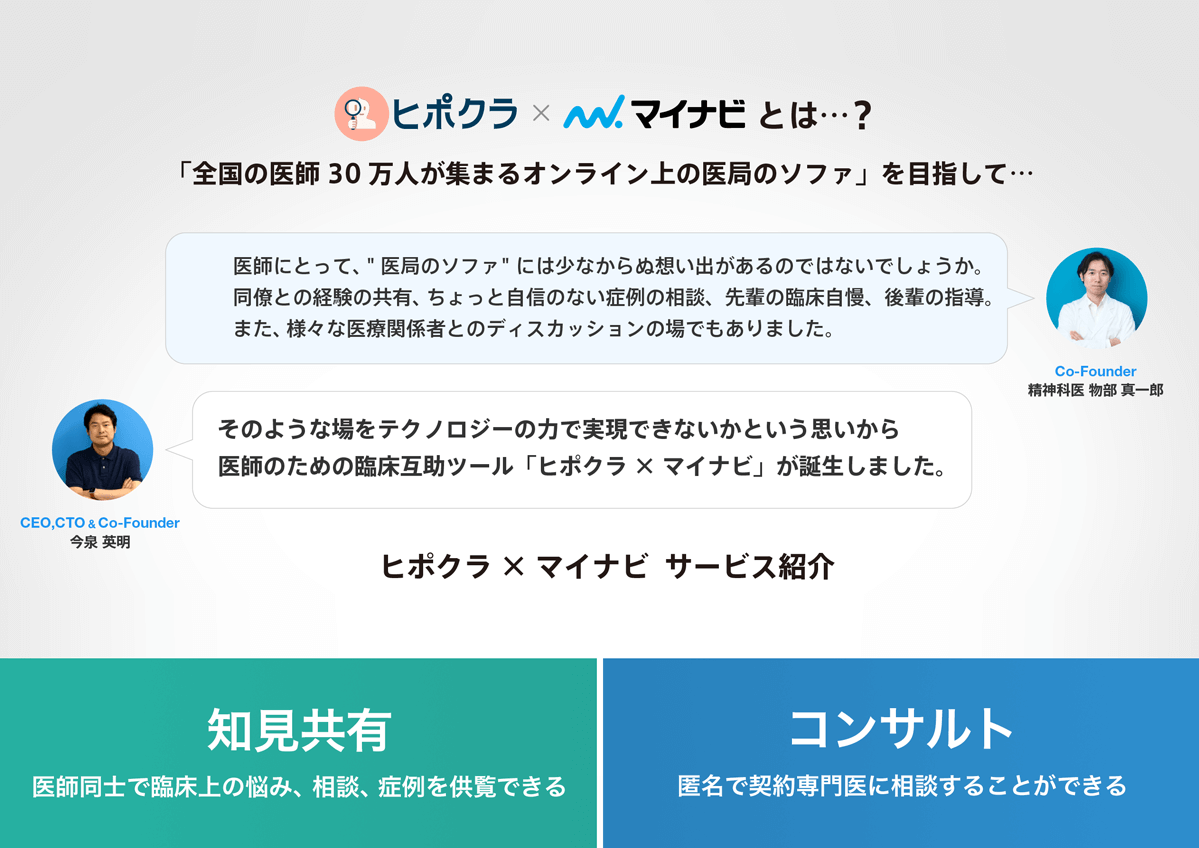
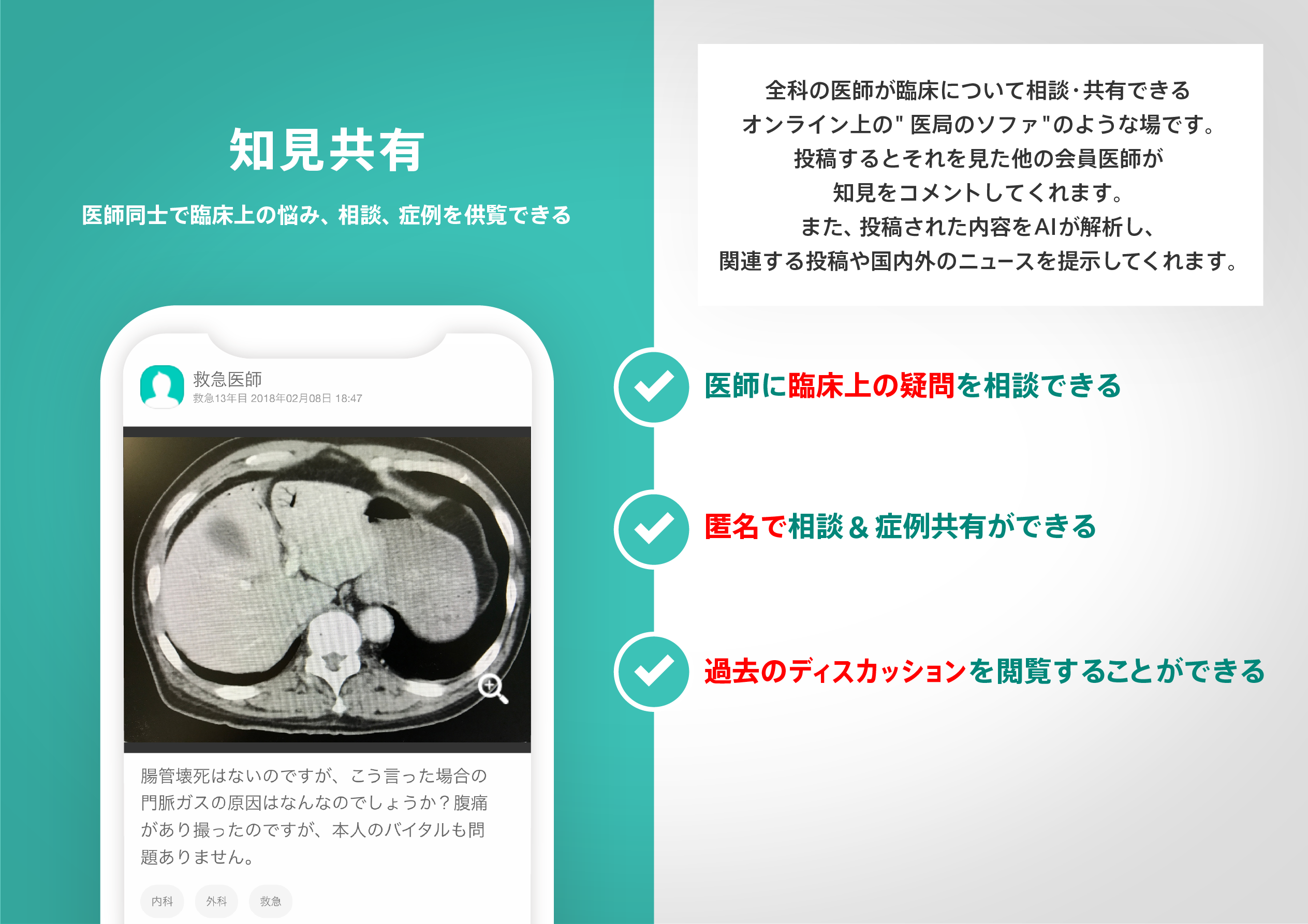
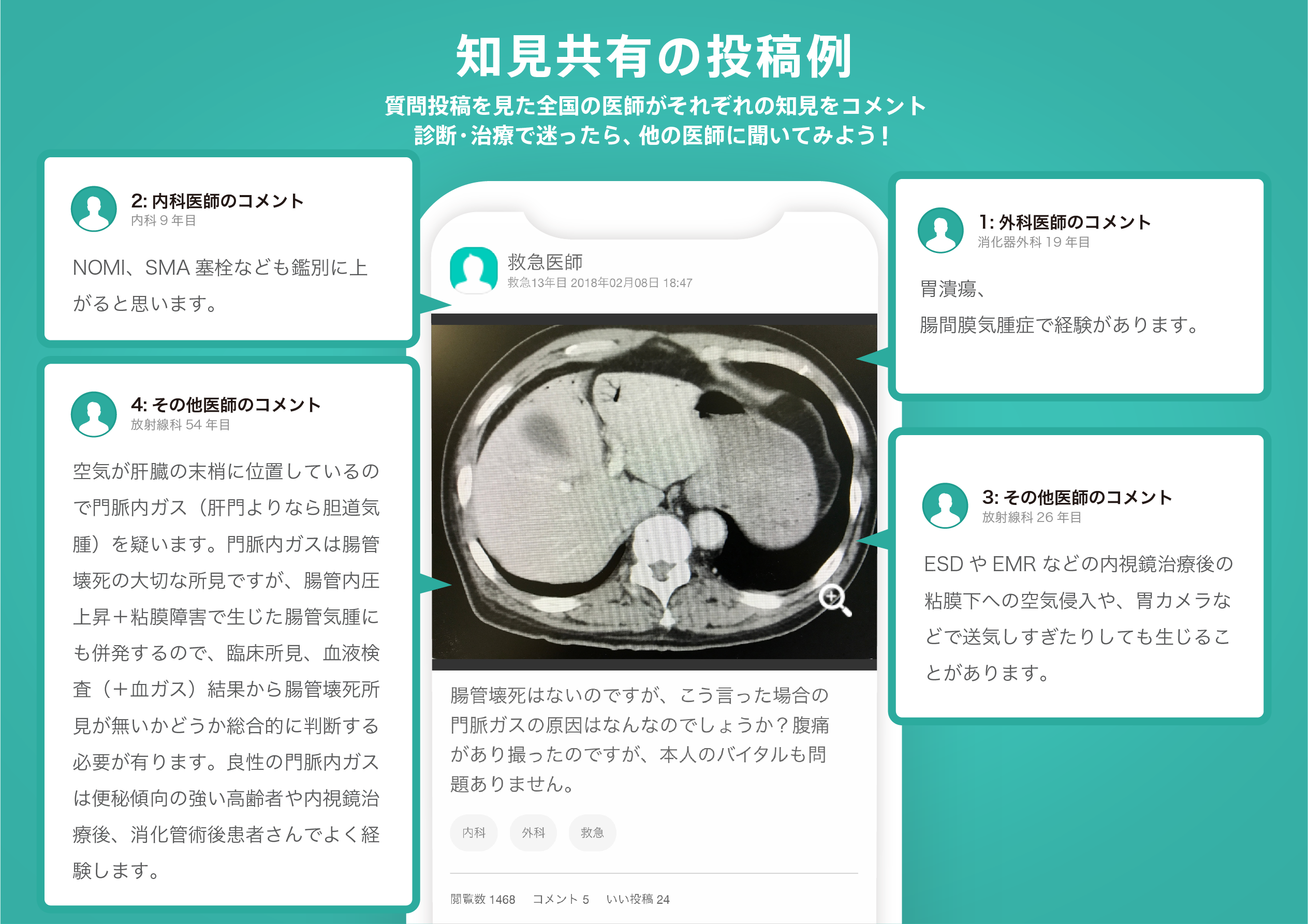
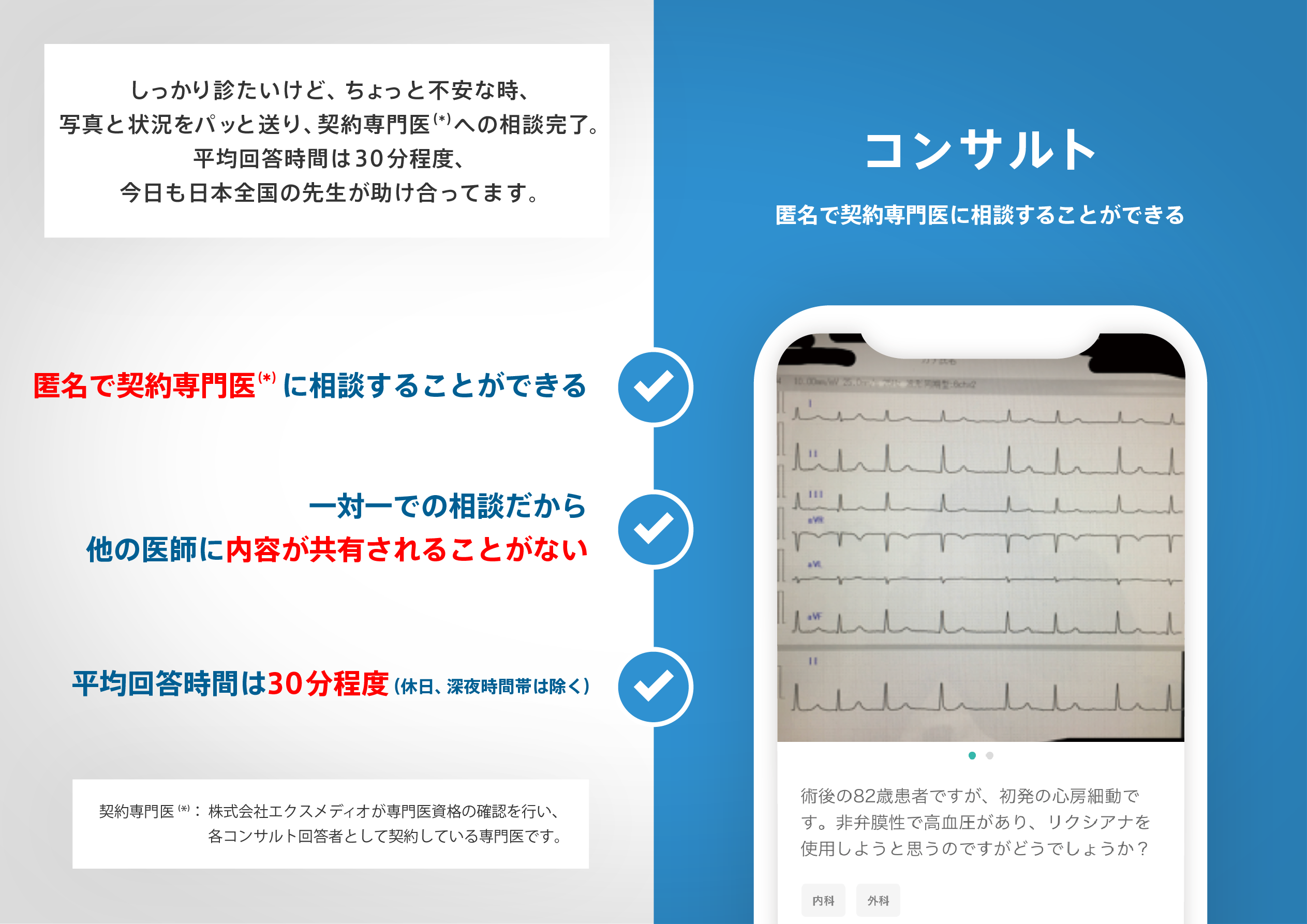
ヒポクラ x マイナビのご紹介

無料会員登録していただくと、さらに便利で効率的な検索が可能になります。