著名医師による解説が無料で読めます
すると翻訳の精度が向上します
背景:アーメド緑内障バルブ(AGV)は、難治性緑内障の治療のための一般的な外科的方法です。オーロラブ水排水インプラント(aadiは、近年臨床診療で適用されている新しい外科的方法です。 目的:この研究の目的は、難治性緑内障の治療のためのAADIとAGVの有効性と安全性を比較することでした。 方法:PubMed、Embase、Web of Science、Cochrane Libraryデータベースを含む4つのデータベースを包括的に検索し、関連する研究を選択しました。連続変数、すなわち、眼内圧低下(IOPR)と抗糖腫薬(AGMR)の減少は、加重平均差(WMD)によってプールされ、成功率と合併症を含む二分法の結果(オッズ比)がプールされました(ors)。 結果:6つの研究から820人の患者から合計825の目が含まれていました。AADIとAGVインプラントの間のIOPRのWMDは、3か月で0.58(95%CI:0.07〜1.09)、6か月で0.44(95%CI:0.11〜0.77)、2.20(95%CI:0.63〜3.77)12か月、およびフォローアップエンドポイントでは3.24(95%CI:1.73〜4.75)。いつでも2つのグループ間で有意差が検出されました。AADIとAGVインプラントの間のAGMRのWMDは、6か月で0.87(95%CI:0.61〜1.13)、12か月で1.04(95%CI:0.66〜1.42)、0.93(95%CI:0.521.34)フォローアップエンドポイントでは、違いはいつでも統計的有意性に達しました。AADIとAGVを比較するプールされたORは、完全な成功率で3.64(95%CI:2.44〜5.45)、資格のある成功率で1.72(95%CI:1.24〜2.39)で、2つのグループ間で有意差が検出されました。AADI The AGVインプラントの間に有害事象の速度に有意差はありませんでした。 結論:AADIは、外科的成功率とIOPとAGMの削減の両方でより効果的です。また、2つのインプラントには、有害事象の同等の発生率がある場合があります。
背景:アーメド緑内障バルブ(AGV)は、難治性緑内障の治療のための一般的な外科的方法です。オーロラブ水排水インプラント(aadiは、近年臨床診療で適用されている新しい外科的方法です。 目的:この研究の目的は、難治性緑内障の治療のためのAADIとAGVの有効性と安全性を比較することでした。 方法:PubMed、Embase、Web of Science、Cochrane Libraryデータベースを含む4つのデータベースを包括的に検索し、関連する研究を選択しました。連続変数、すなわち、眼内圧低下(IOPR)と抗糖腫薬(AGMR)の減少は、加重平均差(WMD)によってプールされ、成功率と合併症を含む二分法の結果(オッズ比)がプールされました(ors)。 結果:6つの研究から820人の患者から合計825の目が含まれていました。AADIとAGVインプラントの間のIOPRのWMDは、3か月で0.58(95%CI:0.07〜1.09)、6か月で0.44(95%CI:0.11〜0.77)、2.20(95%CI:0.63〜3.77)12か月、およびフォローアップエンドポイントでは3.24(95%CI:1.73〜4.75)。いつでも2つのグループ間で有意差が検出されました。AADIとAGVインプラントの間のAGMRのWMDは、6か月で0.87(95%CI:0.61〜1.13)、12か月で1.04(95%CI:0.66〜1.42)、0.93(95%CI:0.521.34)フォローアップエンドポイントでは、違いはいつでも統計的有意性に達しました。AADIとAGVを比較するプールされたORは、完全な成功率で3.64(95%CI:2.44〜5.45)、資格のある成功率で1.72(95%CI:1.24〜2.39)で、2つのグループ間で有意差が検出されました。AADI The AGVインプラントの間に有害事象の速度に有意差はありませんでした。 結論:AADIは、外科的成功率とIOPとAGMの削減の両方でより効果的です。また、2つのインプラントには、有害事象の同等の発生率がある場合があります。
BACKGROUND: Ahmed Glaucoma valve (AGV) is a common surgical method for the treatment of refractory glaucoma. Aurolab aqueous drainage implant(AADI)is a novel surgical method which has been applied in clinical practice in recent years. OBJECTIVE: The purpose of this study was to compare the efficacy and safety of the AADI and the AGV for the treatment of refractory glaucoma. METHODS: We comprehensively searched four databases, including PubMed, EMBASE, Web of Science, and the Cochrane Library databases, selecting the relevant studies. The continuous variables, namely, intraocular pressure reduction (IOPR) and a reduction in antiglaucoma medication (AGMR), were pooled by the weighted mean differences (WMDs), and the dichotomous outcomes, including success rates and complications were pooled by the odds ratio (ORs). RESULTS: A total of 825 eyes from 820 patients from six studies were included. The WMDs of the IOPR between the AADI and the AGV implant were 0.58 (95 % CI:0.07 to 1.09) at 3 months, 0.44 (95 % CI: 0.11 to 0.77) at 6 months, 2.20 (95 % CI: 0.63 to 3.77) at 12 months, and 3.24 (95 % CI: 1.73 to 4.75) at follow-up endpoint. Significant difference was detected between the two groups at any point in time. The WMDs of the AGMR between the AADI and the AGV implant were 0.87(95 % CI: 0.61 to 1.13) at 6 months, 1.04(95 % CI: 0.66 to 1.42) at 12 months, and 0.93 (95 % CI: 0.52 to 1.34) at the follow-up endpoint , the differences reached statistical significance at any point in time. The pooled ORs comparing the AADI with the AGV were 3.64(95 % CI: 2.44 to 5.45) for the complete success rate and 1.72(95 % CI: 1.24 to 2.39) for qualified success rate, significant difference was detected between the two groups. There were no significant differences between the AADI the AGV implant on the rates of adverse events. CONCLUSIONS: The AADI is more effective in both its surgical success rate and reducing IOP and AGM. And the two implants may have comparable incidences of adverse events.
医師のための臨床サポートサービス
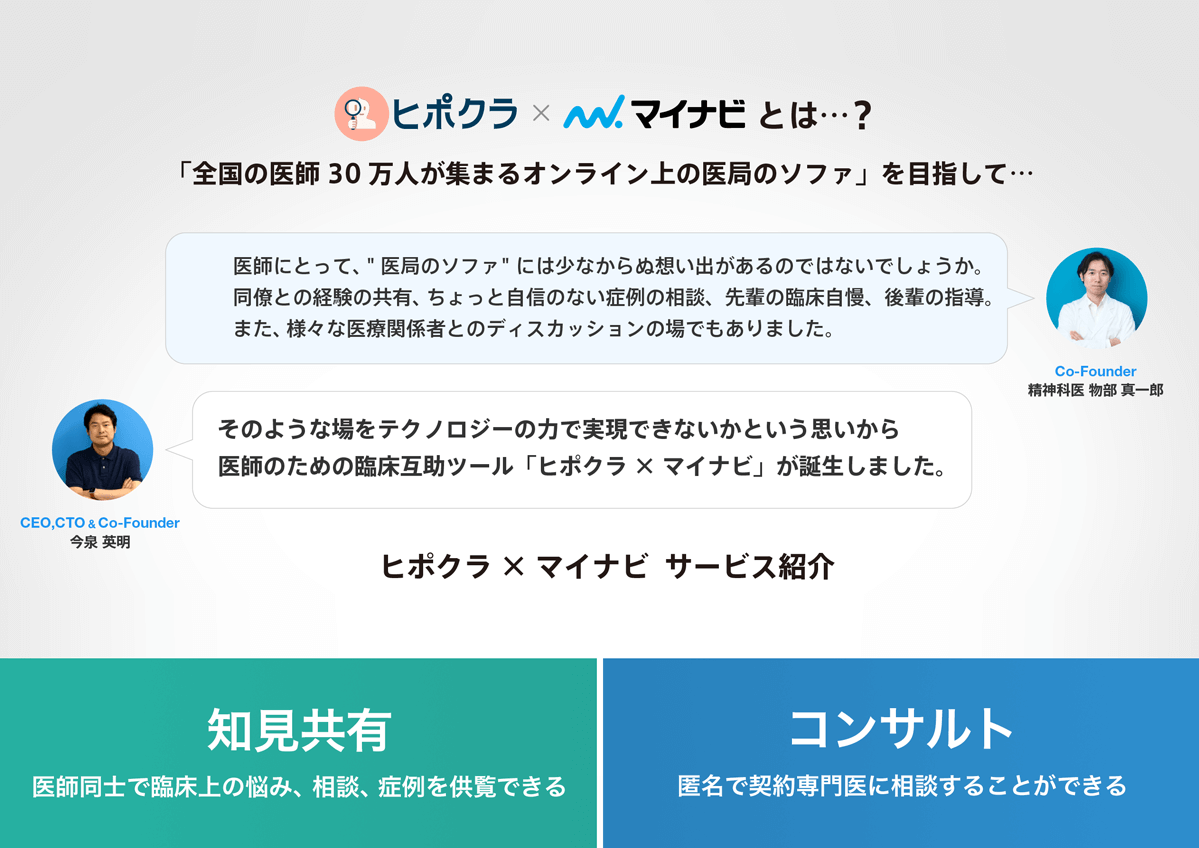
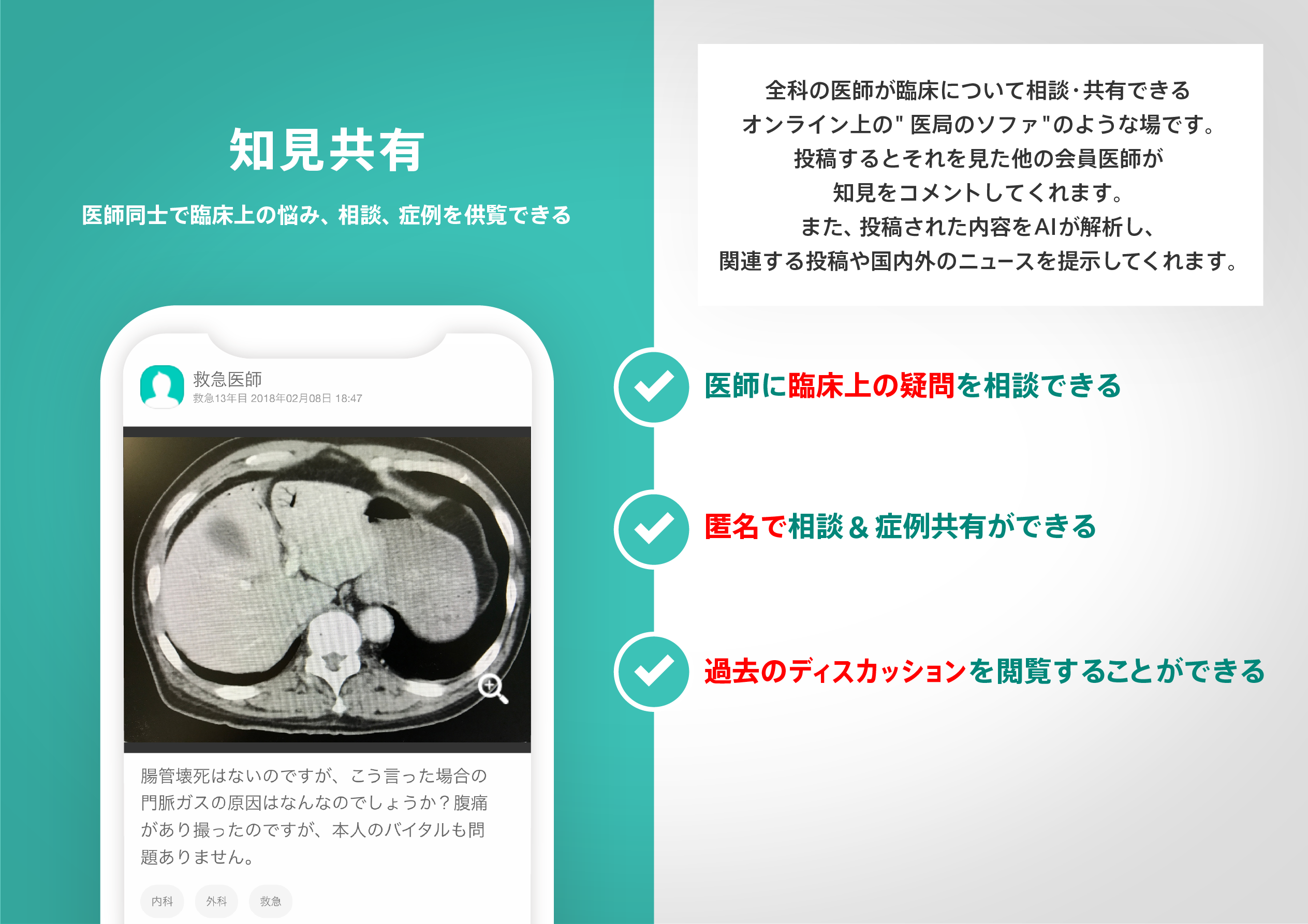
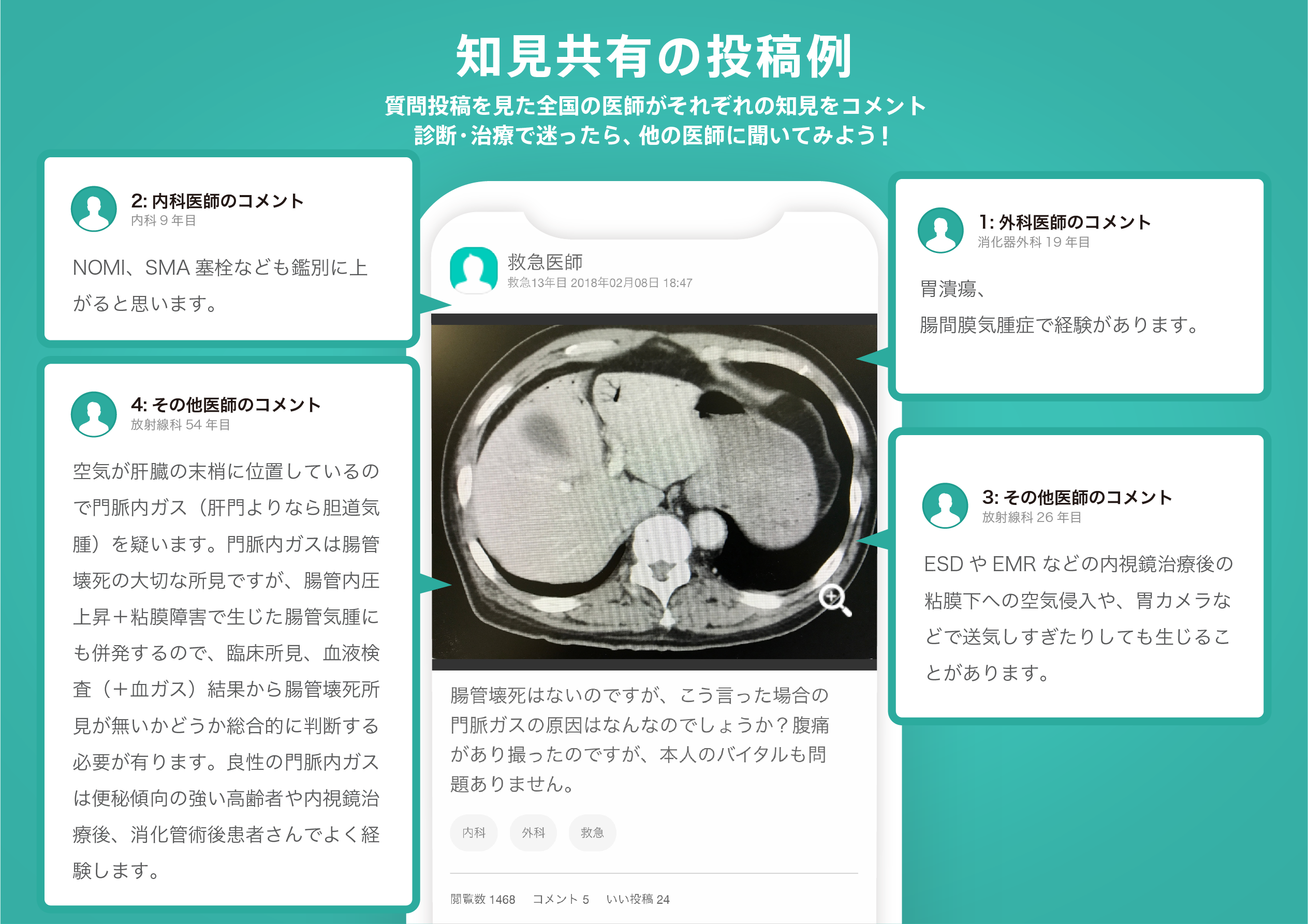
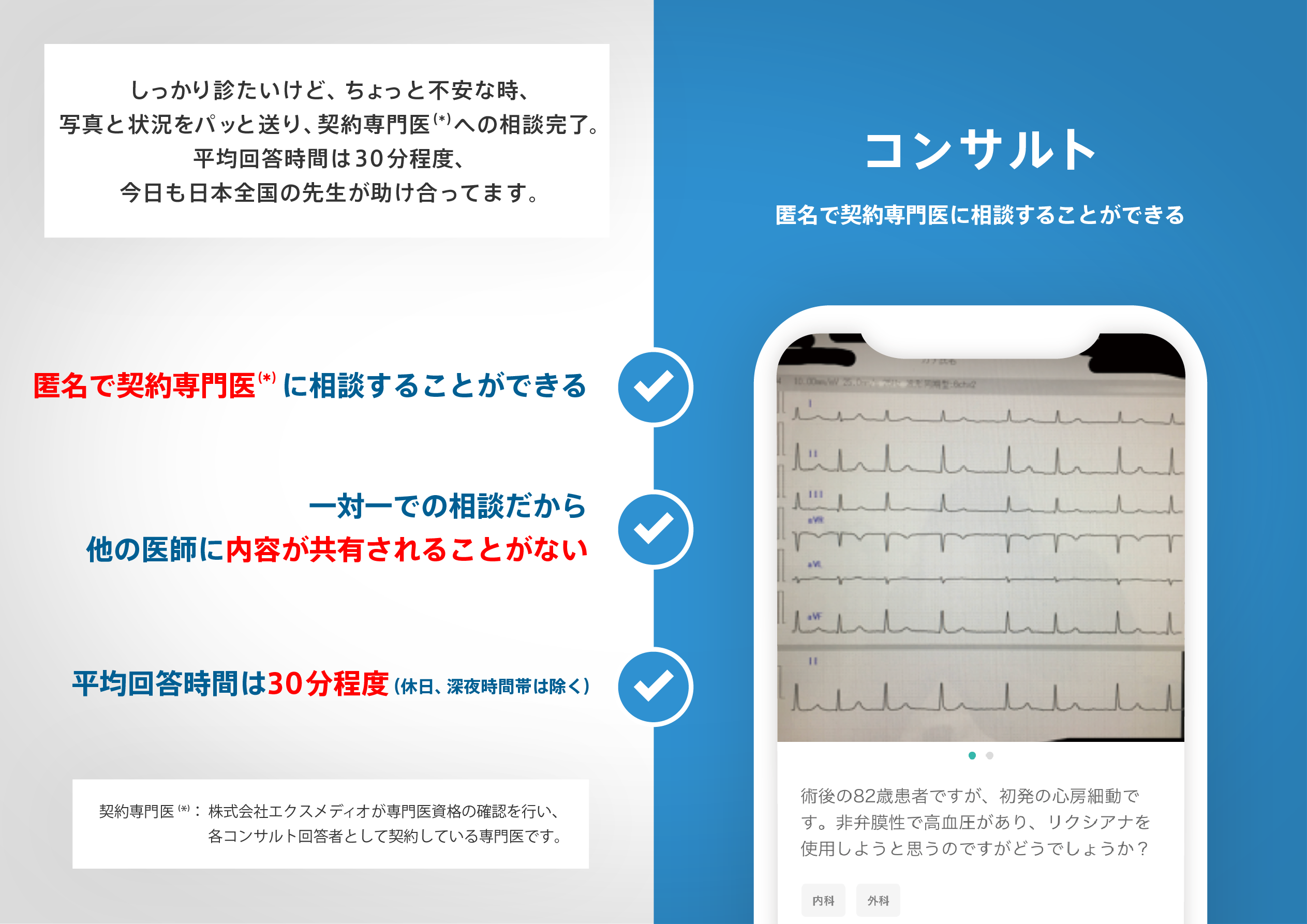
ヒポクラ x マイナビのご紹介

無料会員登録していただくと、さらに便利で効率的な検索が可能になります。