著名医師による解説が無料で読めます
すると翻訳の精度が向上します
ヒトシアル酸結合免疫グロブリン様レクチン-8(SIGLEC-8)は、好酸球アポトーシスを引き起こし、特定のモノクローナル抗体(MAB)またはサイアル化靭帯に関与する場合にマスト細胞脱granulationを阻害する阻害性受容体です。したがって、SIGLEC-8は、アレルギー性気道炎症など、多様な疾患における炎症反応の重要な負の調節因子として浮上しています。ここでは、SIGLEC-8とmAb lirentelimab(2C4、臨床発達中)との相互作用の分子認識の特徴と、マスト細胞脱顆粒を抑制する可能性を備えたシアロシド模倣物を解読しました。X線結晶学によって解決された抗Siglec-8 mAb 2C4のSiglec-8の3次元構造と断片抗原結合(FAB)部分は、2C4が炭水化物認識ドメインの近くに結合することを明らかにしています(V型IgIgドメイン)on Siglec-8。また、NMR分光法とX線結晶構造の組み合わせを使用して、そのシアル酸リガンド(9-n-napthylsufonimide-neu5ac、nsaneuac)の高親和性類似体の結合モードを推測しました。我々の結果は、nsaneuacのシアロシド環がシグレック受容体ファミリーの標準的なシアリル結合ポケットに結合し、N末端尾とユニークによって形成された近くの疎水性パッチのNSA芳香族グループの調節から高い親和性が生じることを示しています。g-g 'ループ。結果は、このリガンドの観察された高い親和性の基礎を明らかにし、次世代のSiglec-8阻害剤の合理的な設計の手がかりを提供します。さらに、高親和性受容体FCεRIαに存在するSiglec-8とN結合グリカンの間の特定の相互作用もNMRによって調査されています。
ヒトシアル酸結合免疫グロブリン様レクチン-8(SIGLEC-8)は、好酸球アポトーシスを引き起こし、特定のモノクローナル抗体(MAB)またはサイアル化靭帯に関与する場合にマスト細胞脱granulationを阻害する阻害性受容体です。したがって、SIGLEC-8は、アレルギー性気道炎症など、多様な疾患における炎症反応の重要な負の調節因子として浮上しています。ここでは、SIGLEC-8とmAb lirentelimab(2C4、臨床発達中)との相互作用の分子認識の特徴と、マスト細胞脱顆粒を抑制する可能性を備えたシアロシド模倣物を解読しました。X線結晶学によって解決された抗Siglec-8 mAb 2C4のSiglec-8の3次元構造と断片抗原結合(FAB)部分は、2C4が炭水化物認識ドメインの近くに結合することを明らかにしています(V型IgIgドメイン)on Siglec-8。また、NMR分光法とX線結晶構造の組み合わせを使用して、そのシアル酸リガンド(9-n-napthylsufonimide-neu5ac、nsaneuac)の高親和性類似体の結合モードを推測しました。我々の結果は、nsaneuacのシアロシド環がシグレック受容体ファミリーの標準的なシアリル結合ポケットに結合し、N末端尾とユニークによって形成された近くの疎水性パッチのNSA芳香族グループの調節から高い親和性が生じることを示しています。g-g 'ループ。結果は、このリガンドの観察された高い親和性の基礎を明らかにし、次世代のSiglec-8阻害剤の合理的な設計の手がかりを提供します。さらに、高親和性受容体FCεRIαに存在するSiglec-8とN結合グリカンの間の特定の相互作用もNMRによって調査されています。
Human sialic acid binding immunoglobulin-like lectin-8 (Siglec-8) is an inhibitory receptor that triggers eosinophil apoptosis and can inhibit mast cell degranulation when engaged by specific monoclonal antibodies (mAbs) or sialylated ligands. Thus, Siglec-8 has emerged as a critical negative regulator of inflammatory responses in diverse diseases, such as allergic airway inflammation. Herein, we have deciphered the molecular recognition features of the interaction of Siglec-8 with the mAb lirentelimab (2C4, under clinical development) and with a sialoside mimetic with the potential to suppress mast cell degranulation. The three-dimensional structure of Siglec-8 and the fragment antigen binding (Fab) portion of the anti-Siglec-8 mAb 2C4, solved by X-ray crystallography, reveal that 2C4 binds close to the carbohydrate recognition domain (V-type Ig domain) on Siglec-8. We have also deduced the binding mode of a high-affinity analogue of its sialic acid ligand (9-N-napthylsufonimide-Neu5Ac, NSANeuAc) using a combination of NMR spectroscopy and X-ray crystallography. Our results show that the sialoside ring of NSANeuAc binds to the canonical sialyl binding pocket of the Siglec receptor family and that the high affinity arises from the accommodation of the NSA aromatic group in a nearby hydrophobic patch formed by the N-terminal tail and the unique G-G' loop. The results reveal the basis for the observed high affinity of this ligand and provide clues for the rational design of the next generation of Siglec-8 inhibitors. Additionally, the specific interactions between Siglec-8 and the N-linked glycans present on the high-affinity receptor FcεRIα have also been explored by NMR.
医師のための臨床サポートサービス
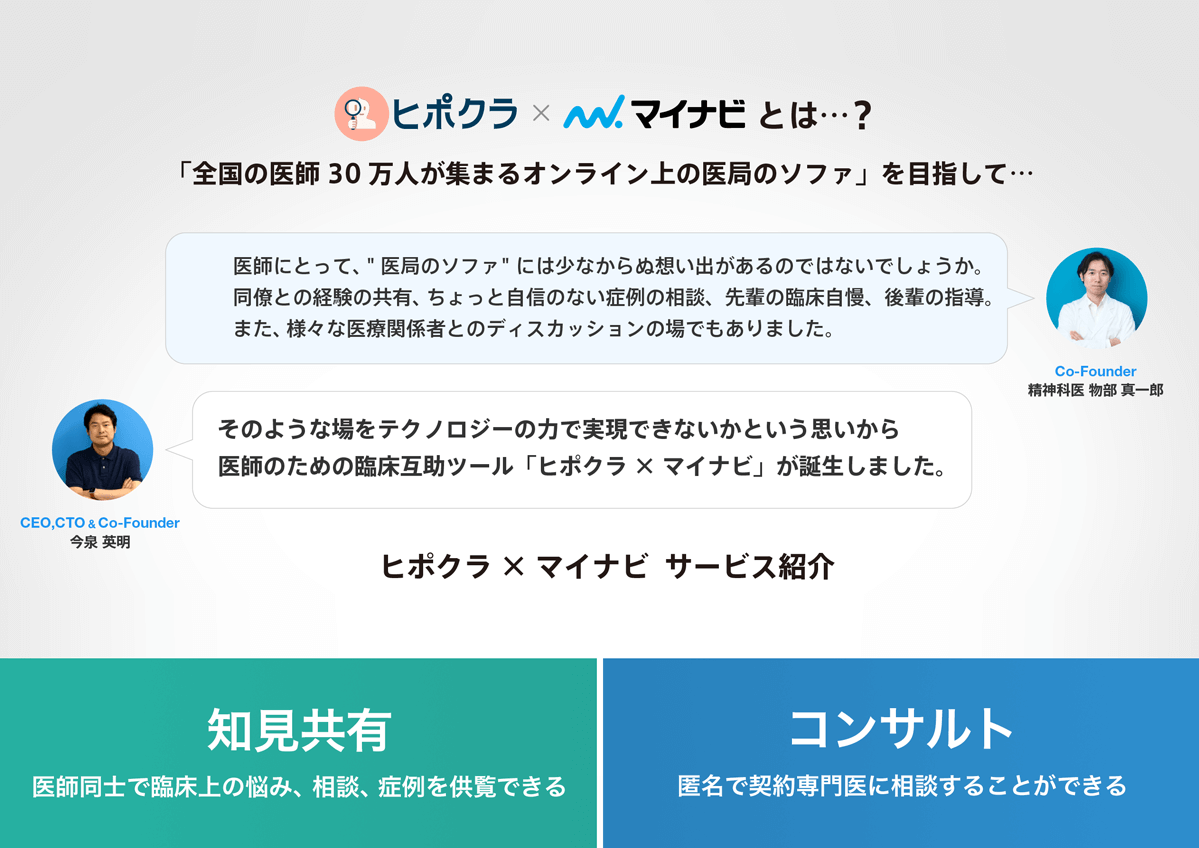
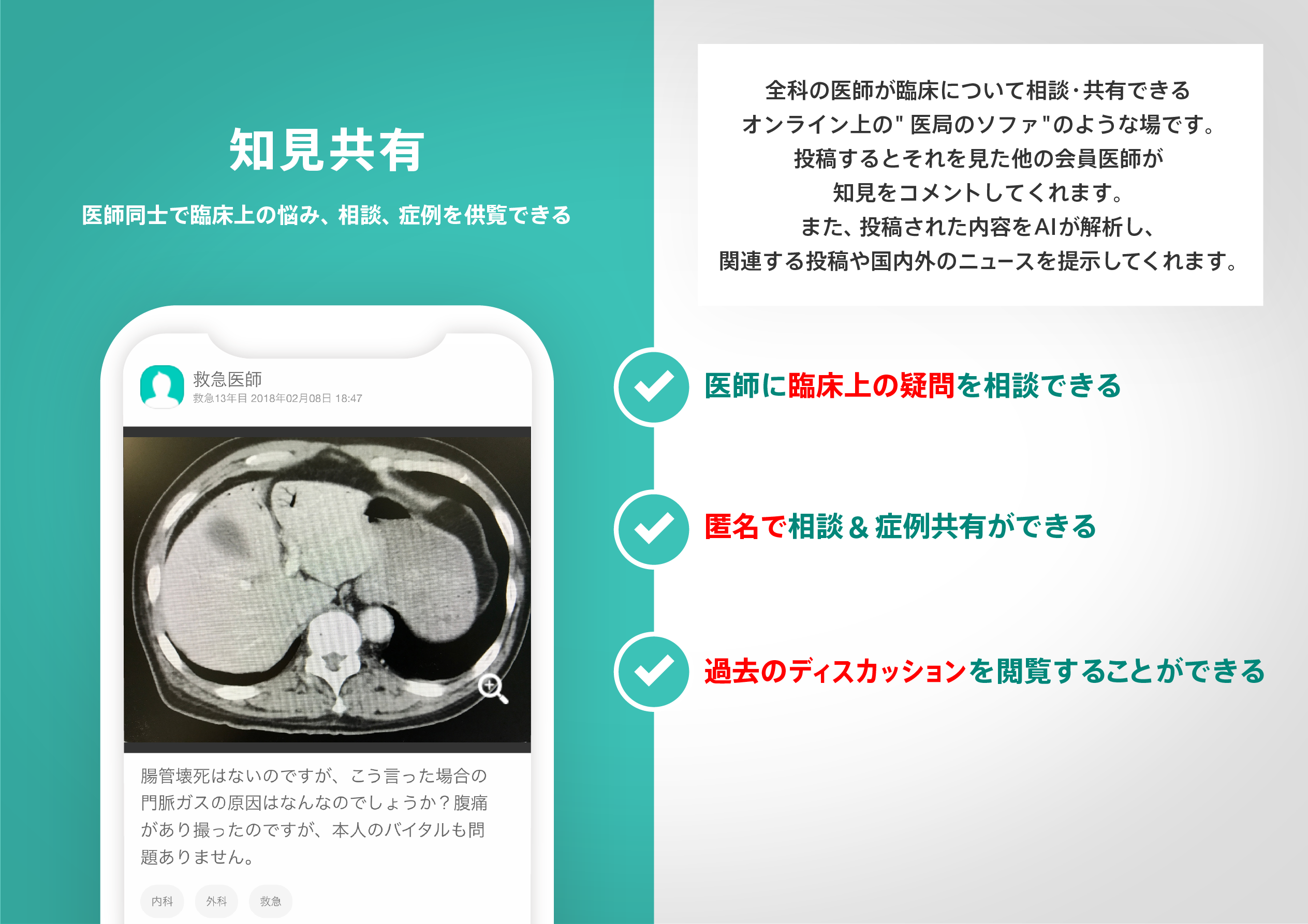
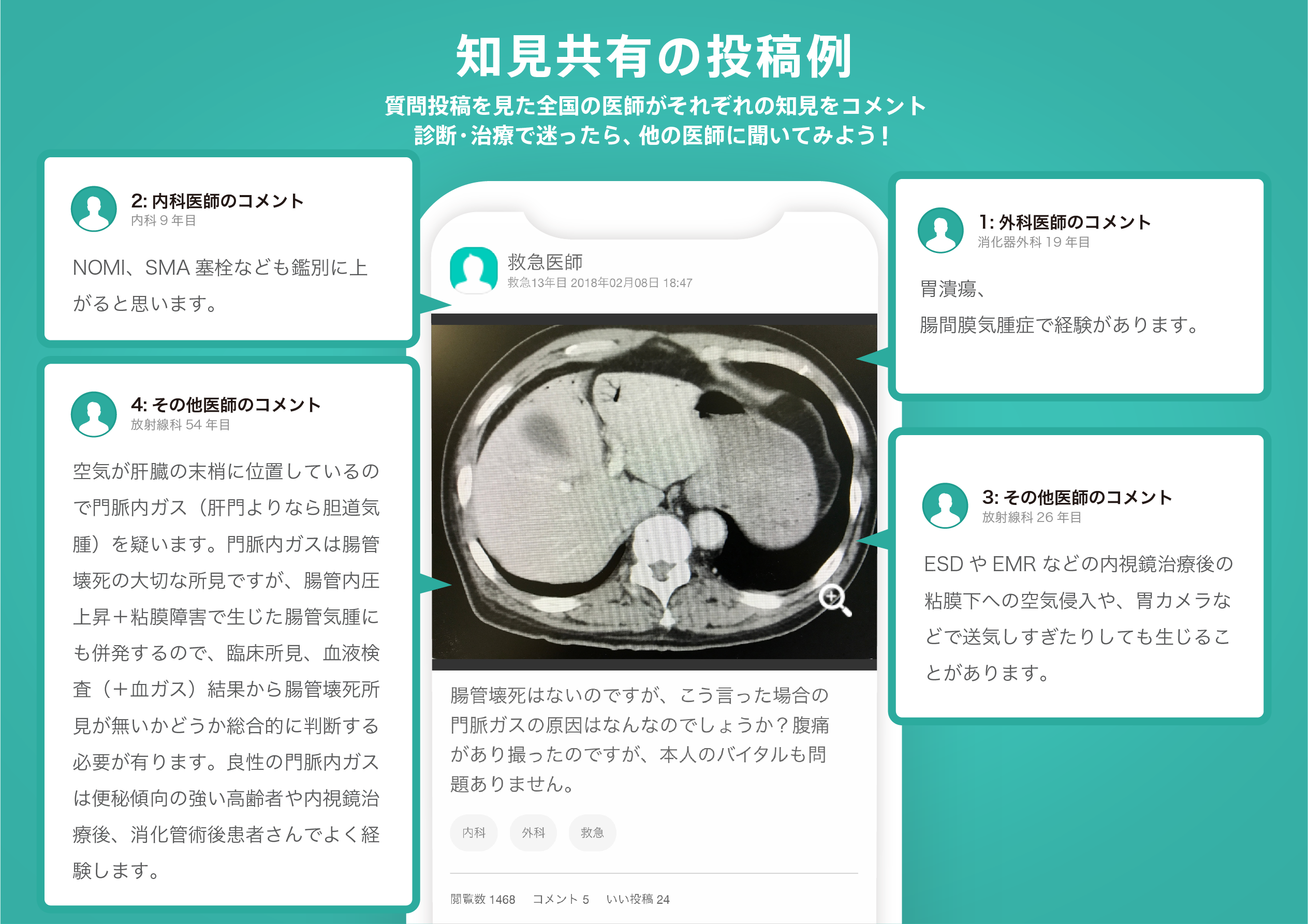
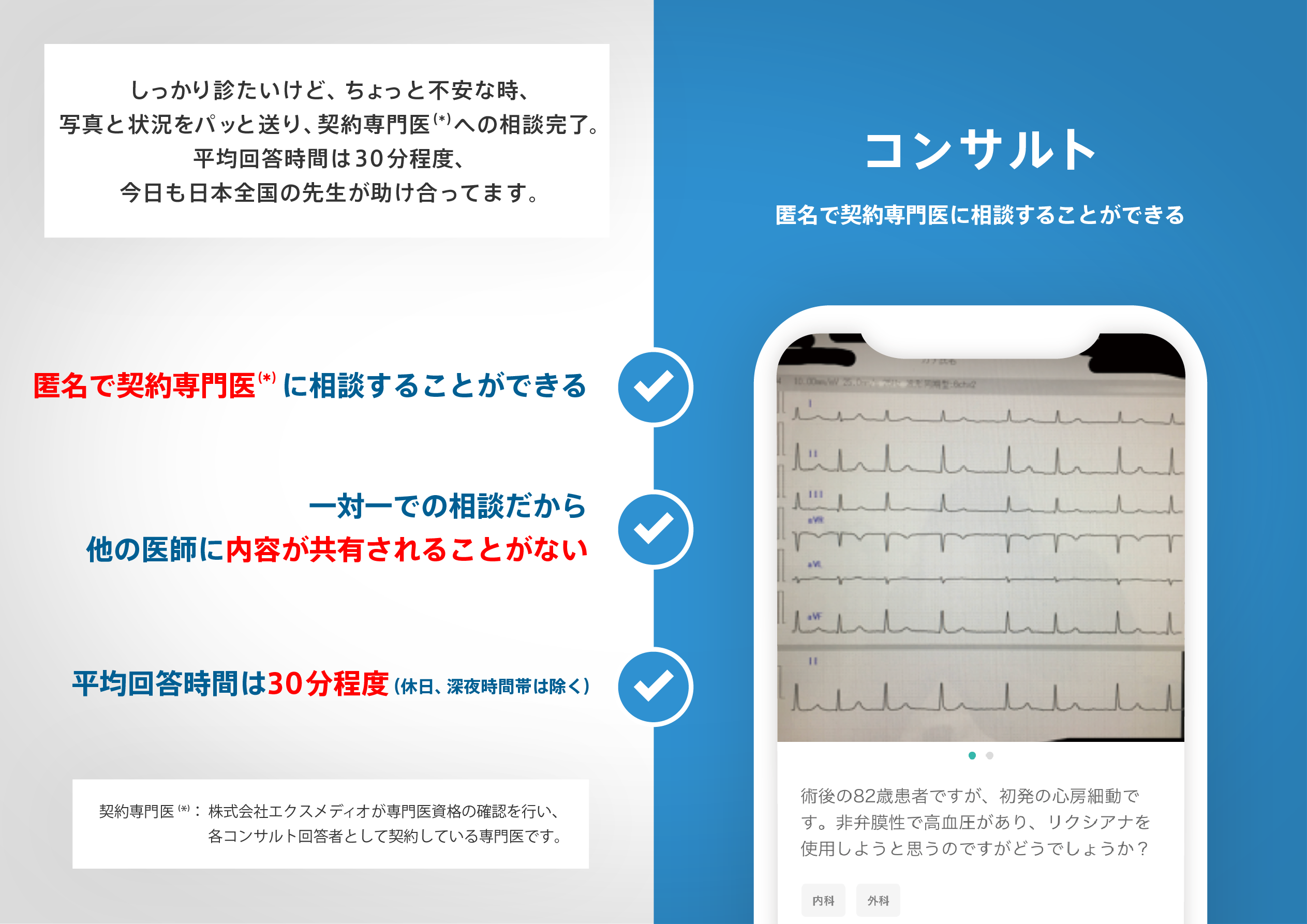
ヒポクラ x マイナビのご紹介

無料会員登録していただくと、さらに便利で効率的な検索が可能になります。