著名医師による解説が無料で読めます
すると翻訳の精度が向上します
3-3'-ジインドリルメタン(DIM)は、多くの細かい野菜(つまり、ブシチック科)に見られる天然に存在するグルコシノレートであるインドール-3-カルビノール(I3C)の内因性変換に由来する生物学的に活性な二量体です。DIMは、アブラナ科科から分離された最初の純粋なアンドロゲン受容体拮抗薬であり、最近、前立腺がんの予防と治療における潜在的な薬理学的使用について調査されています。興味深いことに、DIMがカンナビノイド受容体とも相互作用できるという証拠があります。この文脈では、前立腺癌におけるエンドカンナビノイド系のよく知られた関与を考慮することにより、2つのヒト前立腺癌細胞株のCB1およびCB2カンナビノイド受容体の両方でDIMの特性を薬理学的に特徴付けました:PC3(アンドロゲン非依存性/アンドロゲン受容体陰性)およびLNCAP(アンドロゲン依存)。PC3細胞株では、DIMはCB2受容体と潜在的に関連するアポトーシス経路を活性化することができました。一方、DIMはLNCAP細胞株のCB2受容体を活性化することもできましたが、アポトーシス効果は観察されませんでした。私たちの証拠は、DIMがCB2受容体リガンドであることを確認しており、さらに、アンドロゲン非依存性/アンドロゲン受容体陰性前立腺癌細胞に潜在的な抗増殖効果を持っています。
3-3'-ジインドリルメタン(DIM)は、多くの細かい野菜(つまり、ブシチック科)に見られる天然に存在するグルコシノレートであるインドール-3-カルビノール(I3C)の内因性変換に由来する生物学的に活性な二量体です。DIMは、アブラナ科科から分離された最初の純粋なアンドロゲン受容体拮抗薬であり、最近、前立腺がんの予防と治療における潜在的な薬理学的使用について調査されています。興味深いことに、DIMがカンナビノイド受容体とも相互作用できるという証拠があります。この文脈では、前立腺癌におけるエンドカンナビノイド系のよく知られた関与を考慮することにより、2つのヒト前立腺癌細胞株のCB1およびCB2カンナビノイド受容体の両方でDIMの特性を薬理学的に特徴付けました:PC3(アンドロゲン非依存性/アンドロゲン受容体陰性)およびLNCAP(アンドロゲン依存)。PC3細胞株では、DIMはCB2受容体と潜在的に関連するアポトーシス経路を活性化することができました。一方、DIMはLNCAP細胞株のCB2受容体を活性化することもできましたが、アポトーシス効果は観察されませんでした。私たちの証拠は、DIMがCB2受容体リガンドであることを確認しており、さらに、アンドロゲン非依存性/アンドロゲン受容体陰性前立腺癌細胞に潜在的な抗増殖効果を持っています。
3-3'-Diindolylmethane (DIM) is a biologically active dimer derived from the endogenous conversion of indole-3-carbinol (I3C), a naturally occurring glucosinolate found in many cruciferous vegetables (i.e., Brassicaceae). DIM was the first pure androgen receptor antagonist isolated from the Brassicaceae family and has been recently investigated for its potential pharmacological use in prostate cancer prevention and treatment. Interestingly, there is evidence that DIM can also interact with cannabinoid receptors. In this context, by considering the well-known involvement of the endocannabinoid system in prostate cancer, we have pharmacologically characterized the properties of DIM on both CB1 and CB2 cannabinoid receptors in two human prostate cancer cell lines: PC3 (androgen-independent/androgen receptor negative) and LNCaP (androgen-dependent). In the PC3 cell line, DIM was able to activate CB2 receptors and potentially associated apoptotic pathways. On the other hand, although DIM was also able to activate CB2 receptors in the LNCaP cell line, no apoptotic effects were observed. Our evidence confirms that DIM is a CB2 receptor ligand and, moreover, it has a potential anti-proliferative effect on androgen-independent/androgen receptor-negative prostate cancer cells.
医師のための臨床サポートサービス
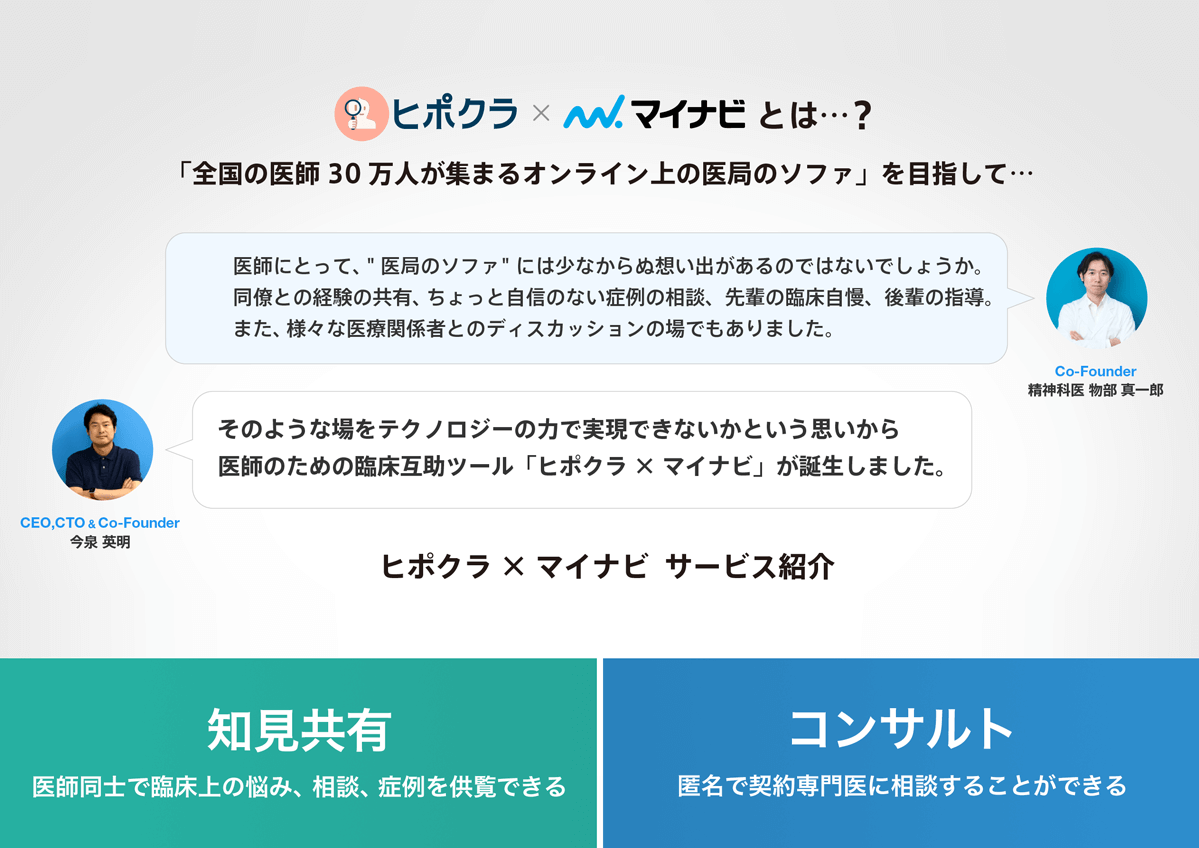
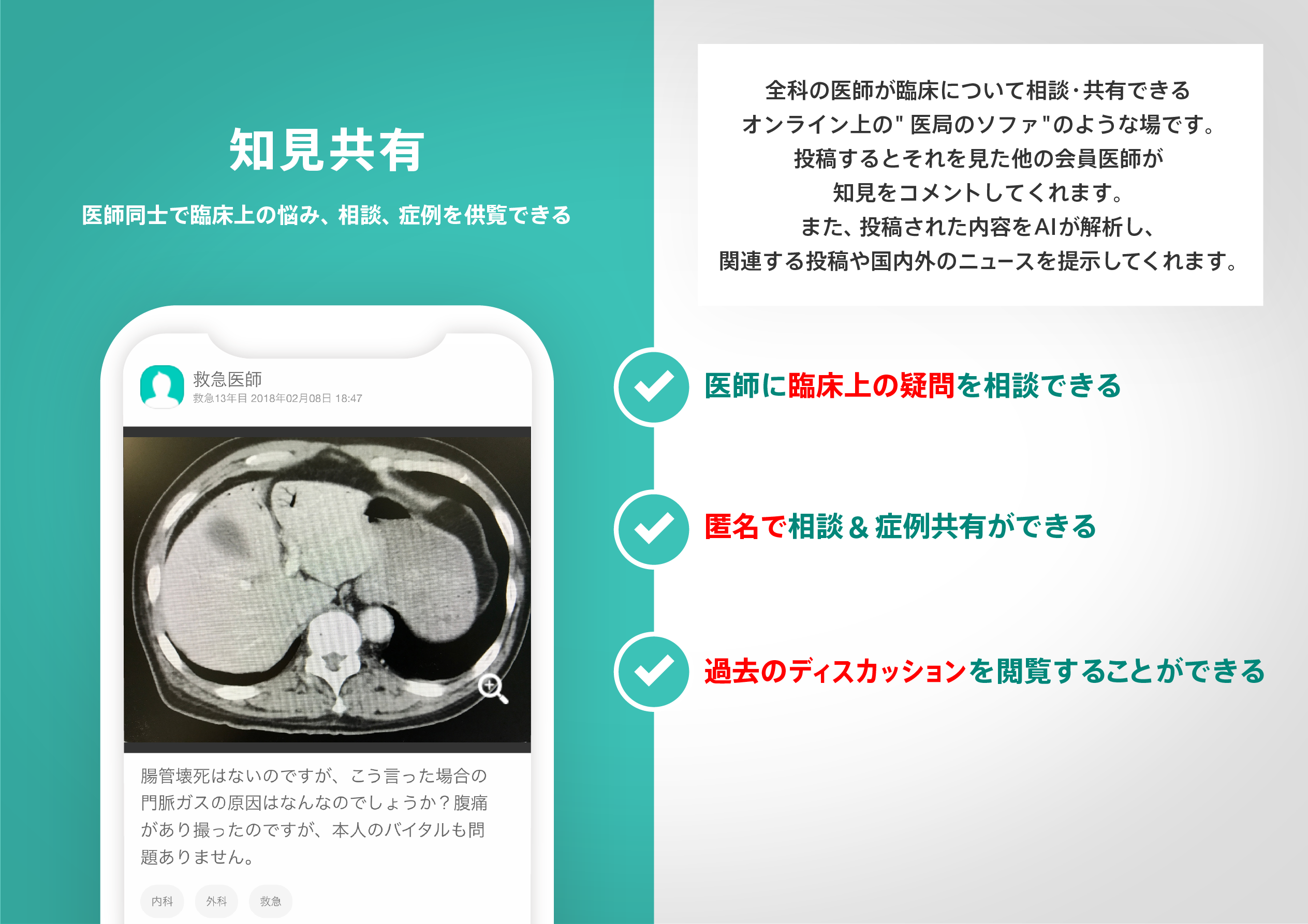
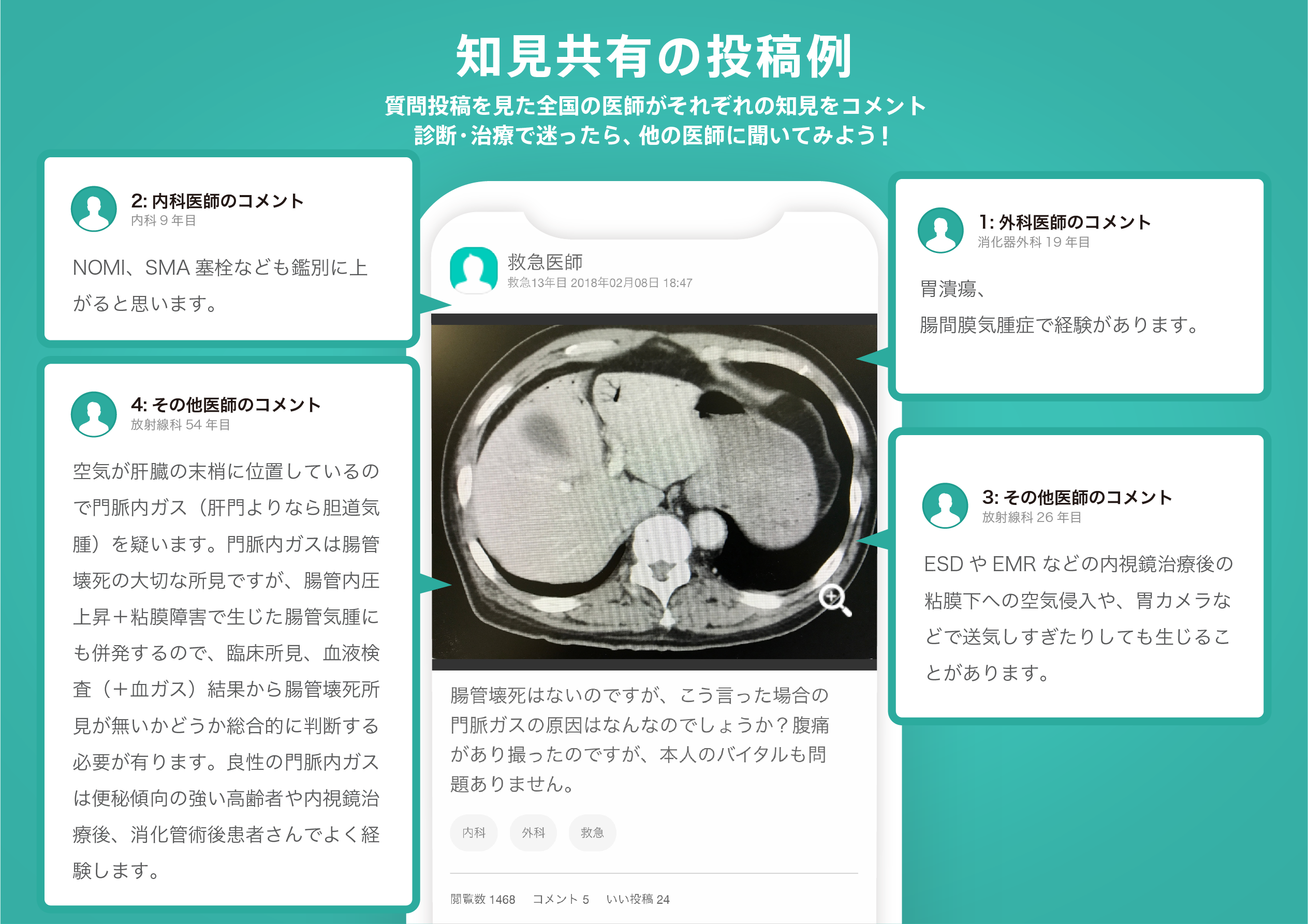
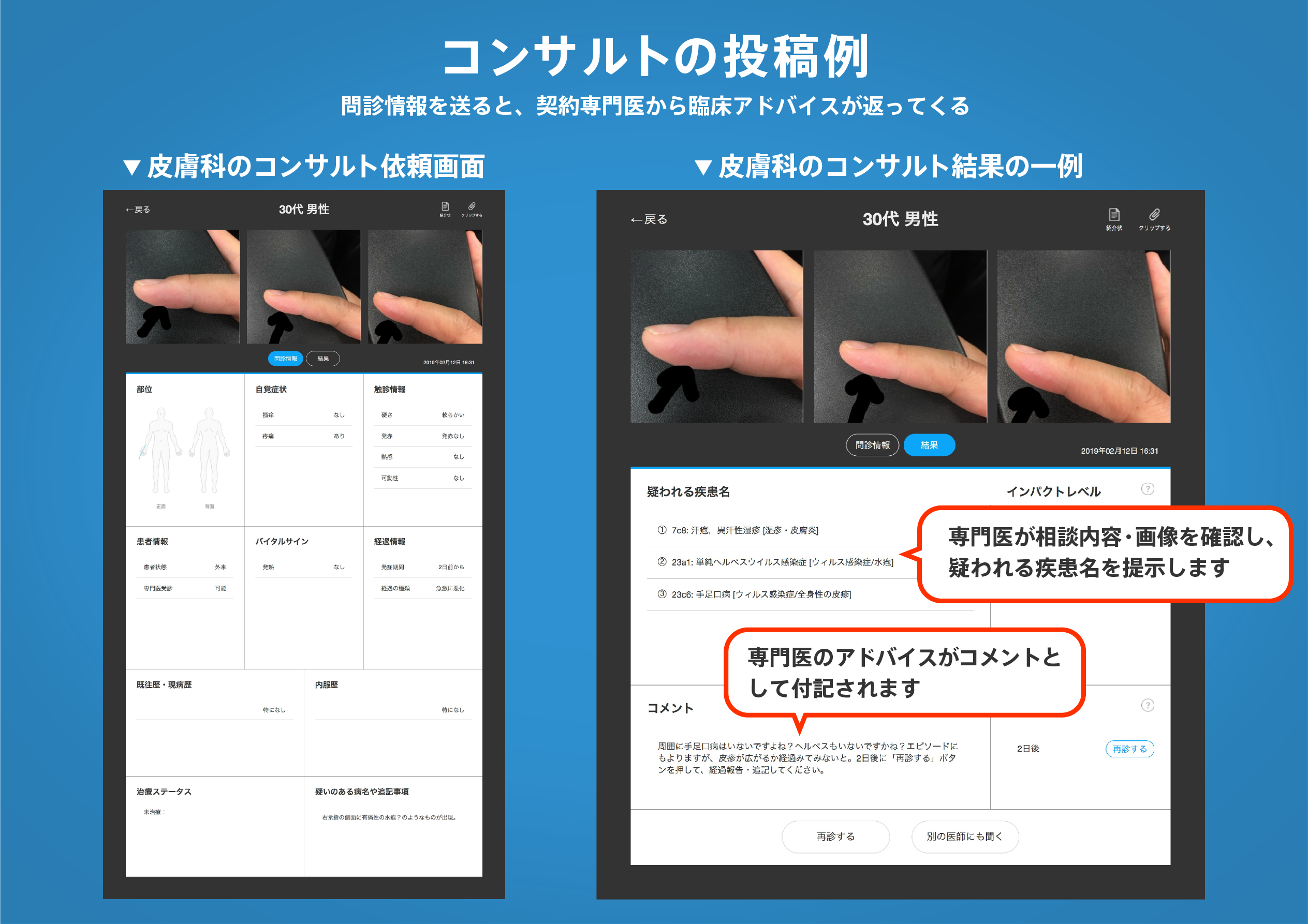
ヒポクラ x マイナビのご紹介


無料会員登録していただくと、さらに便利で効率的な検索が可能になります。