著名医師による解説が無料で読めます
すると翻訳の精度が向上します
25人の小児救急部門の患者が前向きに研究され、身体検査に関する所見が胸部X線撮影で見られる異常を予測しているかどうかを判断しました。X線検査の前に記録されたこのような臨床検査所見と、肺炎の3つのサブグループのX線症、主要なX線撮影の存在、および放射線学的な異常の3つのサブグループとの間に可能な相関関係を見つけようとしました。肺炎の最良のスクリーンは、発熱の存在(年齢に関連した規範を上回る2つの標準偏差を超える温度)で、感度は94%、負の予測値は97%でした。X線撮影の異常の存在に最も正と負の予測値が最も高い兆候は頻拍でした。通常の呼吸音のいずれかを備えたサブグループ、または胸部検査時の喘鳴、長期の有効期限、咳、および/またはRhonchiに限定された所見は、主要な胸部X線撮影異常のリスクが低いことが判明しました。他の胸部検査所見の患者は、低リスクグループの7%の発生率と比較して、主要なX線撮影異常のリスクが34%の高リスクグループで構成されていました。したがって、発熱の欠如は肺炎の欠如を示唆していますが、喘鳴、咳、長期の満了、またはRhonchi以外の胸部検査所見は、この集団の肺炎の可能性を大幅に増加させます。身体検査の所見は、臨床医が小児緊急事態患者の胸部X線撮影の必要性を判断するのに役立ちます。
25人の小児救急部門の患者が前向きに研究され、身体検査に関する所見が胸部X線撮影で見られる異常を予測しているかどうかを判断しました。X線検査の前に記録されたこのような臨床検査所見と、肺炎の3つのサブグループのX線症、主要なX線撮影の存在、および放射線学的な異常の3つのサブグループとの間に可能な相関関係を見つけようとしました。肺炎の最良のスクリーンは、発熱の存在(年齢に関連した規範を上回る2つの標準偏差を超える温度)で、感度は94%、負の予測値は97%でした。X線撮影の異常の存在に最も正と負の予測値が最も高い兆候は頻拍でした。通常の呼吸音のいずれかを備えたサブグループ、または胸部検査時の喘鳴、長期の有効期限、咳、および/またはRhonchiに限定された所見は、主要な胸部X線撮影異常のリスクが低いことが判明しました。他の胸部検査所見の患者は、低リスクグループの7%の発生率と比較して、主要なX線撮影異常のリスクが34%の高リスクグループで構成されていました。したがって、発熱の欠如は肺炎の欠如を示唆していますが、喘鳴、咳、長期の満了、またはRhonchi以外の胸部検査所見は、この集団の肺炎の可能性を大幅に増加させます。身体検査の所見は、臨床医が小児緊急事態患者の胸部X線撮影の必要性を判断するのに役立ちます。
One hundred twenty-five pediatric emergency department patients were studied prospectively to determine whether any findings on the physical examination were predictive of abnormalities seen on chest radiograph. We attempted to find possible correlations between such clinical examination findings, recorded prior to radiographic examination, and three subgroups of radiographic findings: pneumonia, any major radiographic abnormality, and any radiographic abnormality whatsoever. The best screen for pneumonia was presence of fever (temperature greater than two standard deviations above age-related norms), with a sensitivity of 94% and a negative predictive value of 97%. The sign with highest positive and negative predictive value for the presence of any radiographic abnormalities was tachypnea. A subgroup with either normal breath sounds, or findings limited to wheezing, prolonged expiration, cough and/or rhonchi on chest examination proved to be at low risk for any major chest radiographic abnormality. Patients with other chest examination findings comprised a high-risk group with a 34% risk of a major radiographic abnormality, as compared to a 7% incidence in the low-risk group. Thus, absence of fever suggests absence of pneumonia, while chest examination findings other than wheezing, cough, prolonged expiration, or rhonchi significantly increase the likelihood of pneumonia in this population. Physical examination findings can help the clinician determine the need for chest radiography in the pediatric emergency patient.
医師のための臨床サポートサービス
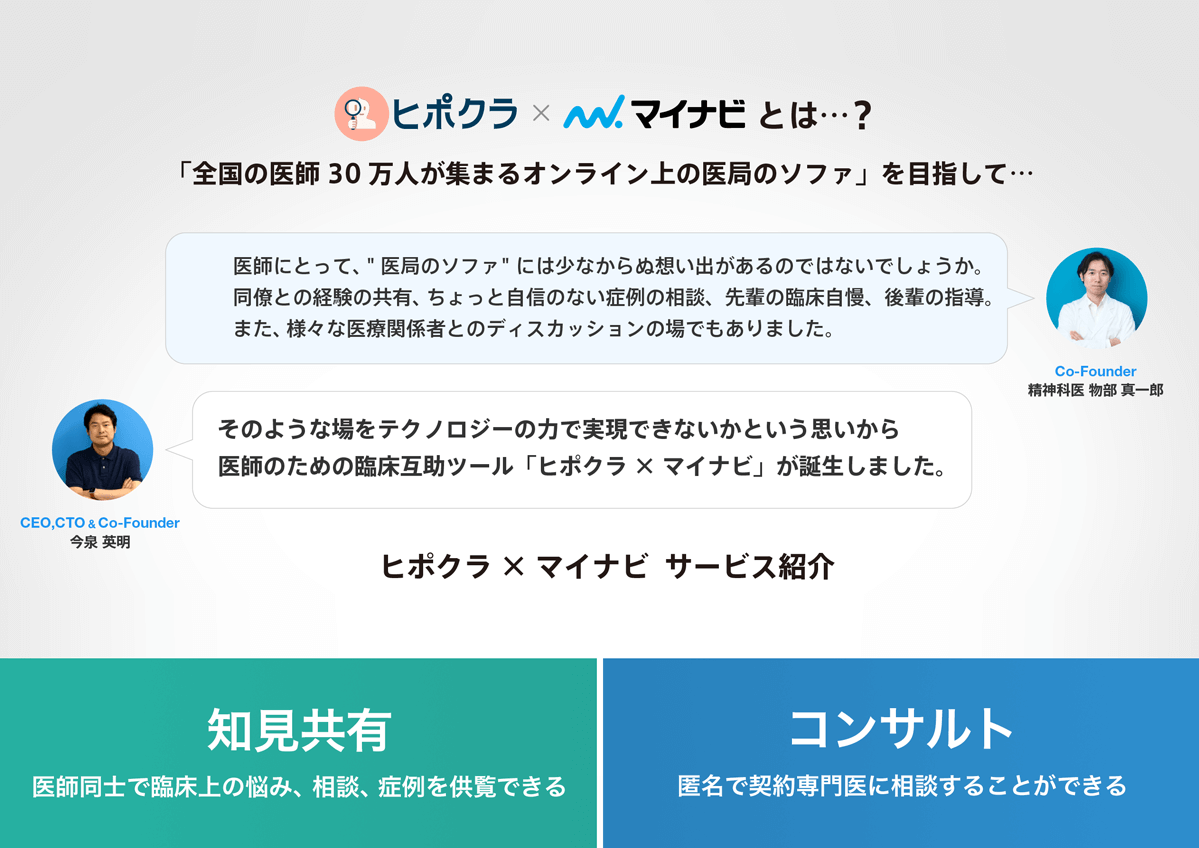
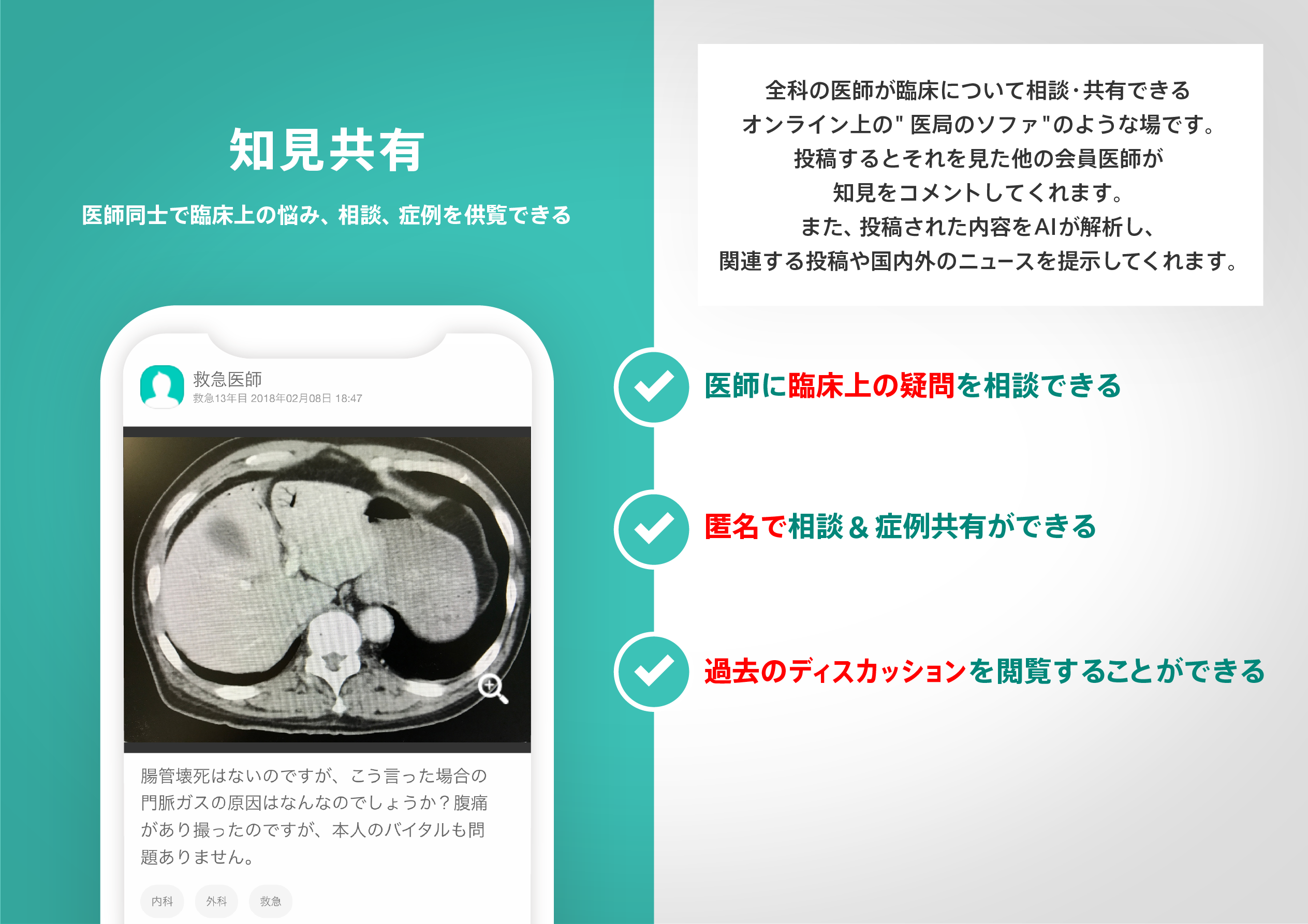
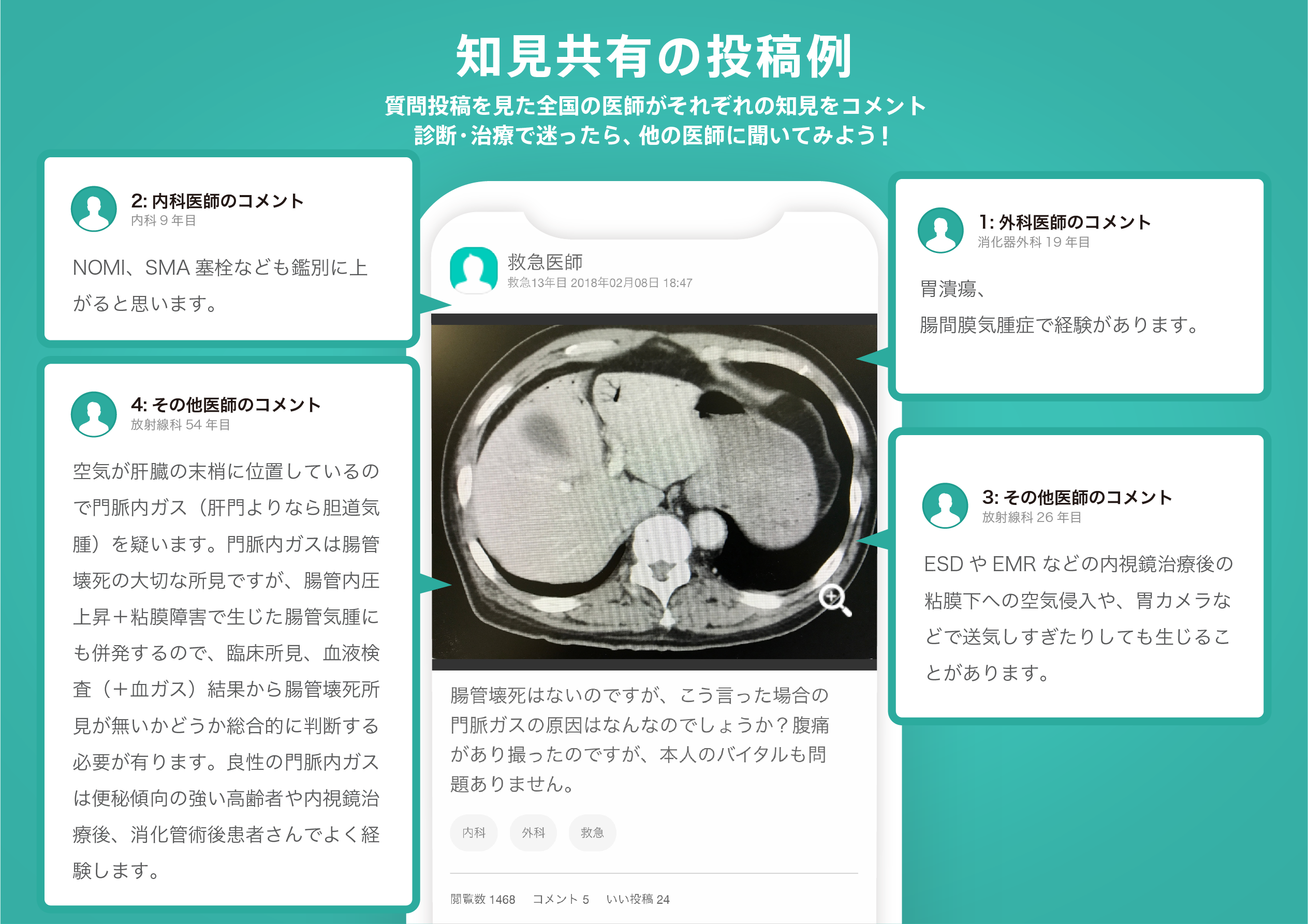
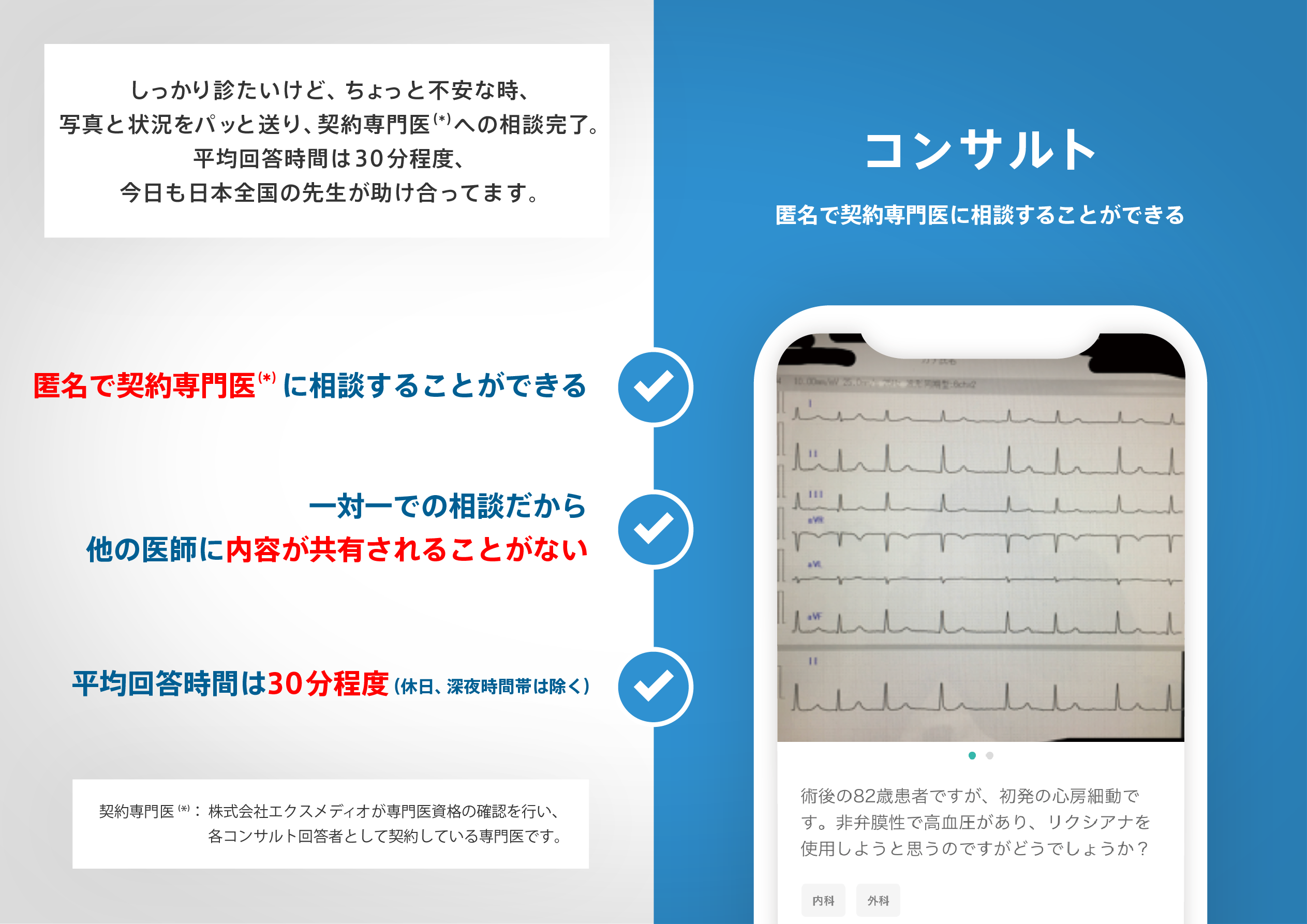
ヒポクラ x マイナビのご紹介

無料会員登録していただくと、さらに便利で効率的な検索が可能になります。