著名医師による解説が無料で読めます
すると翻訳の精度が向上します
合成農薬(例:除草剤、殺菌剤、殺虫剤)は、害虫、雑草、病気から作物を保護するために農業で広く使用されています。ただし、それらの使用には、さまざまな環境上の懸念が伴います。重要な懸念の1つは、作物や野生植物に受粉サービスを提供するミツバチなどの非標的生物に対する殺虫剤の影響です。この系統的な文献レビューは、ミツバチと殺虫剤に関する既存の研究を広く定量化し、より具体的には非ネオニクチノイド殺虫剤と非蜂蜜ビースに焦点を当てています。ミツバチ(APIS sp。)と殺虫剤に関する記事は、すべての研究の80%を占めており、他のすべての蜂が20%を占めていることがわかります。ネオニコチノイドは、すべてのミツバチの記事の34%で研究され、全体的に非蜂蜜ビースで最も広く研究されている殺虫剤クラスであり、2番目に研究されたクラスのほぼ3倍の研究を行いました。非ネオニクチノイド殺虫剤クラスと非塩素症のクラスのうち、最も研究されているのは、カルバメートが続くピレスロイドと有機リンであり、最も広く代表されているミツバチの分類群は、葉のカッターミツバチ(メガチル)とメイソン蜂(オシュミア)が続きました。。ブラジルと米国の記事が最も多く、アジア、アフリカ、オセアニアの国々からの顕著なギャップがあるいくつかの国で研究が行われています。死亡率は最も研究された効果タイプでしたが、行動に対する致死的な効果はあまり研究されていませんでした。気候変動や共起農薬などの複数の圧力(カクテル効果)の影響が殺虫剤の影響をどのように影響するかをテストした研究はほとんどありませんでした。人為的圧力は単独で発生しないため、将来の研究はこれらの知識のギャップにも対処することを示唆しています。殺虫剤の使用におけるグローバルなパターンの変化と、農薬リスク評価における非塩素と致死効果の両方の包含の増加を考えると、現在の状態を超えて研究を拡大して、の開発のための強力な科学的証拠ベースを確保する必要があります。リスク評価と関連するポリシー。
合成農薬(例:除草剤、殺菌剤、殺虫剤)は、害虫、雑草、病気から作物を保護するために農業で広く使用されています。ただし、それらの使用には、さまざまな環境上の懸念が伴います。重要な懸念の1つは、作物や野生植物に受粉サービスを提供するミツバチなどの非標的生物に対する殺虫剤の影響です。この系統的な文献レビューは、ミツバチと殺虫剤に関する既存の研究を広く定量化し、より具体的には非ネオニクチノイド殺虫剤と非蜂蜜ビースに焦点を当てています。ミツバチ(APIS sp。)と殺虫剤に関する記事は、すべての研究の80%を占めており、他のすべての蜂が20%を占めていることがわかります。ネオニコチノイドは、すべてのミツバチの記事の34%で研究され、全体的に非蜂蜜ビースで最も広く研究されている殺虫剤クラスであり、2番目に研究されたクラスのほぼ3倍の研究を行いました。非ネオニクチノイド殺虫剤クラスと非塩素症のクラスのうち、最も研究されているのは、カルバメートが続くピレスロイドと有機リンであり、最も広く代表されているミツバチの分類群は、葉のカッターミツバチ(メガチル)とメイソン蜂(オシュミア)が続きました。。ブラジルと米国の記事が最も多く、アジア、アフリカ、オセアニアの国々からの顕著なギャップがあるいくつかの国で研究が行われています。死亡率は最も研究された効果タイプでしたが、行動に対する致死的な効果はあまり研究されていませんでした。気候変動や共起農薬などの複数の圧力(カクテル効果)の影響が殺虫剤の影響をどのように影響するかをテストした研究はほとんどありませんでした。人為的圧力は単独で発生しないため、将来の研究はこれらの知識のギャップにも対処することを示唆しています。殺虫剤の使用におけるグローバルなパターンの変化と、農薬リスク評価における非塩素と致死効果の両方の包含の増加を考えると、現在の状態を超えて研究を拡大して、の開発のための強力な科学的証拠ベースを確保する必要があります。リスク評価と関連するポリシー。
Synthetic pesticides (e.g. herbicides, fungicides and insecticides) are used widely in agriculture to protect crops from pests, weeds and disease. However, their use also comes with a range of environmental concerns. One key concern is the effect of insecticides on non-target organisms such as bees, who provide pollination services for crops and wild plants. This systematic literature review quantifies the existing research on bees and insecticides broadly, and then focuses more specifically on non-neonicotinoid insecticides and non-honeybees. We find that articles on honeybees (Apis sp.) and insecticides account for 80% of all research, with all other bees combined making up 20%. Neonicotinoids were studied in 34% of articles across all bees and were the most widely studied insecticide class for non-honeybees overall, with almost three times as many studies than the second most studied class. Of non-neonicotinoid insecticide classes and non-honeybees, the most studied were pyrethroids and organophosphates followed by carbamates, and the most widely represented bee taxa were bumblebees (Bombus), followed by leaf-cutter bees (Megachile) and mason bees (Osmia). Research has taken place across several countries, with the highest numbers of articles from Brazil and the US, and with notable gaps from countries in Asia, Africa and Oceania. Mortality was the most studied effect type, while sub-lethal effects such as on behaviour were less studied. Few studies tested how the effect of insecticides were influenced by multiple pressures, such as climate change and co-occurring pesticides (cocktail effects). As anthropogenic pressures do not occur in isolation, we suggest that future research also addresses these knowledge gaps. Given the changing global patterns in insecticide use, and the increasing inclusion of both non-honeybees and sub-lethal effects in pesticide risk assessment, there is a need for expanding research beyond its current state to ensure a strong scientific evidence base for the development of risk assessment and associated policy.
医師のための臨床サポートサービス
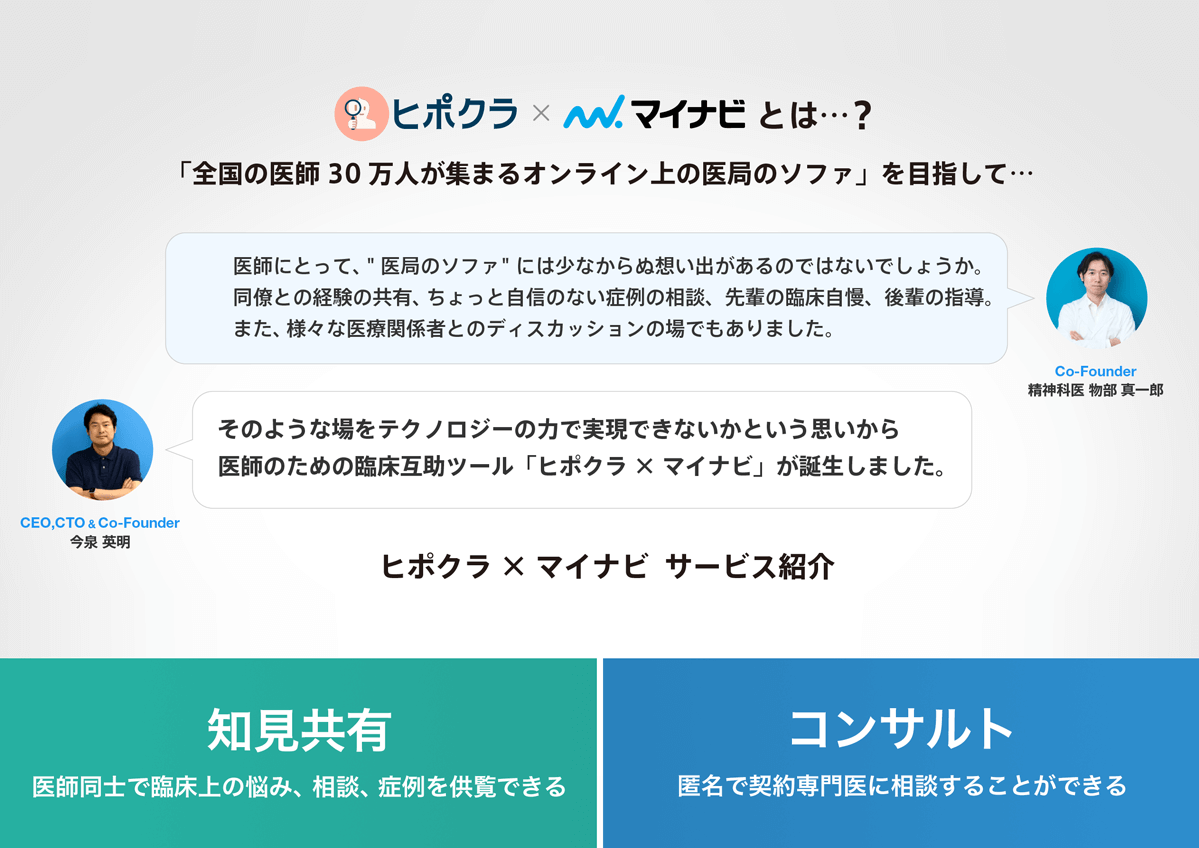
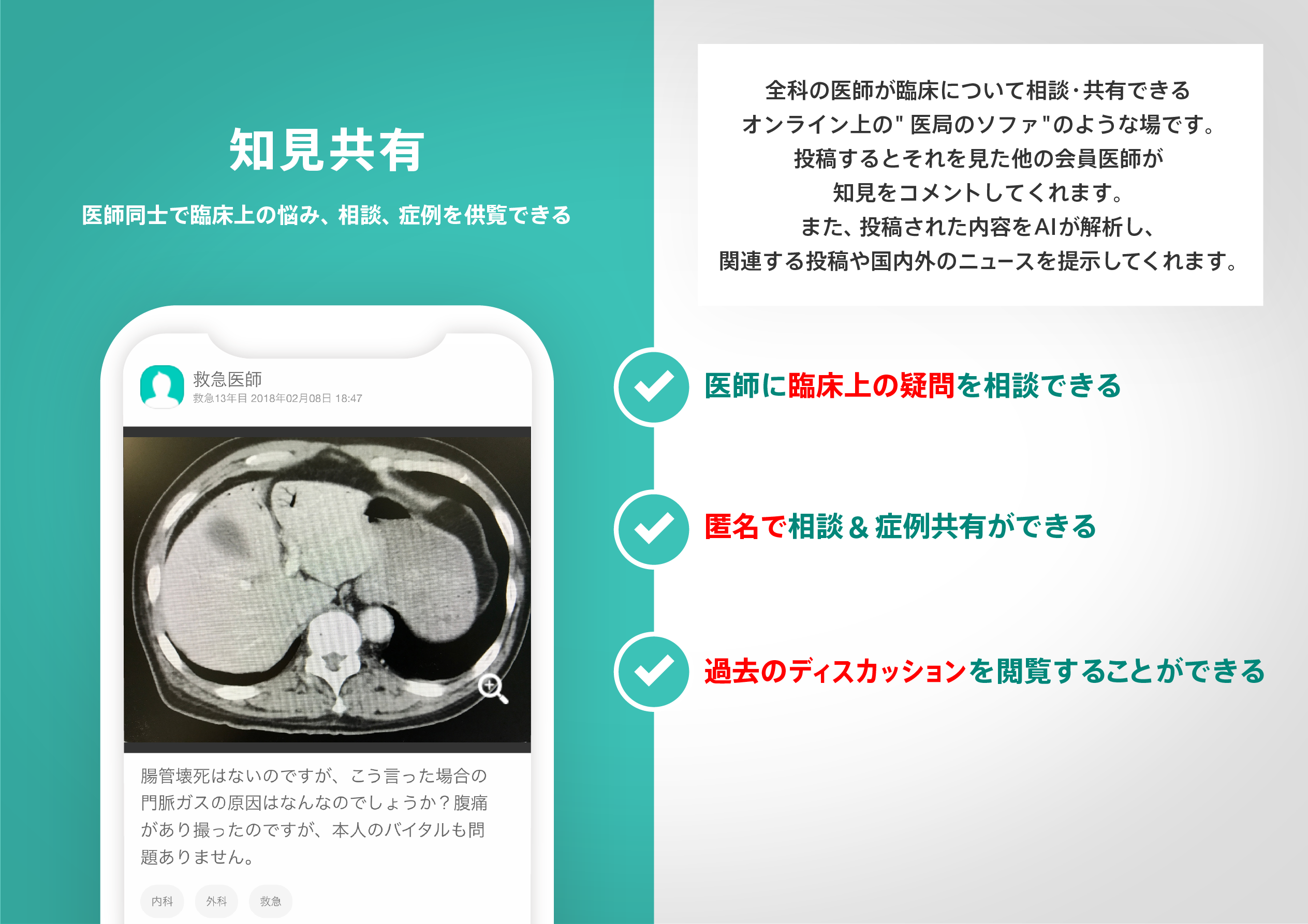
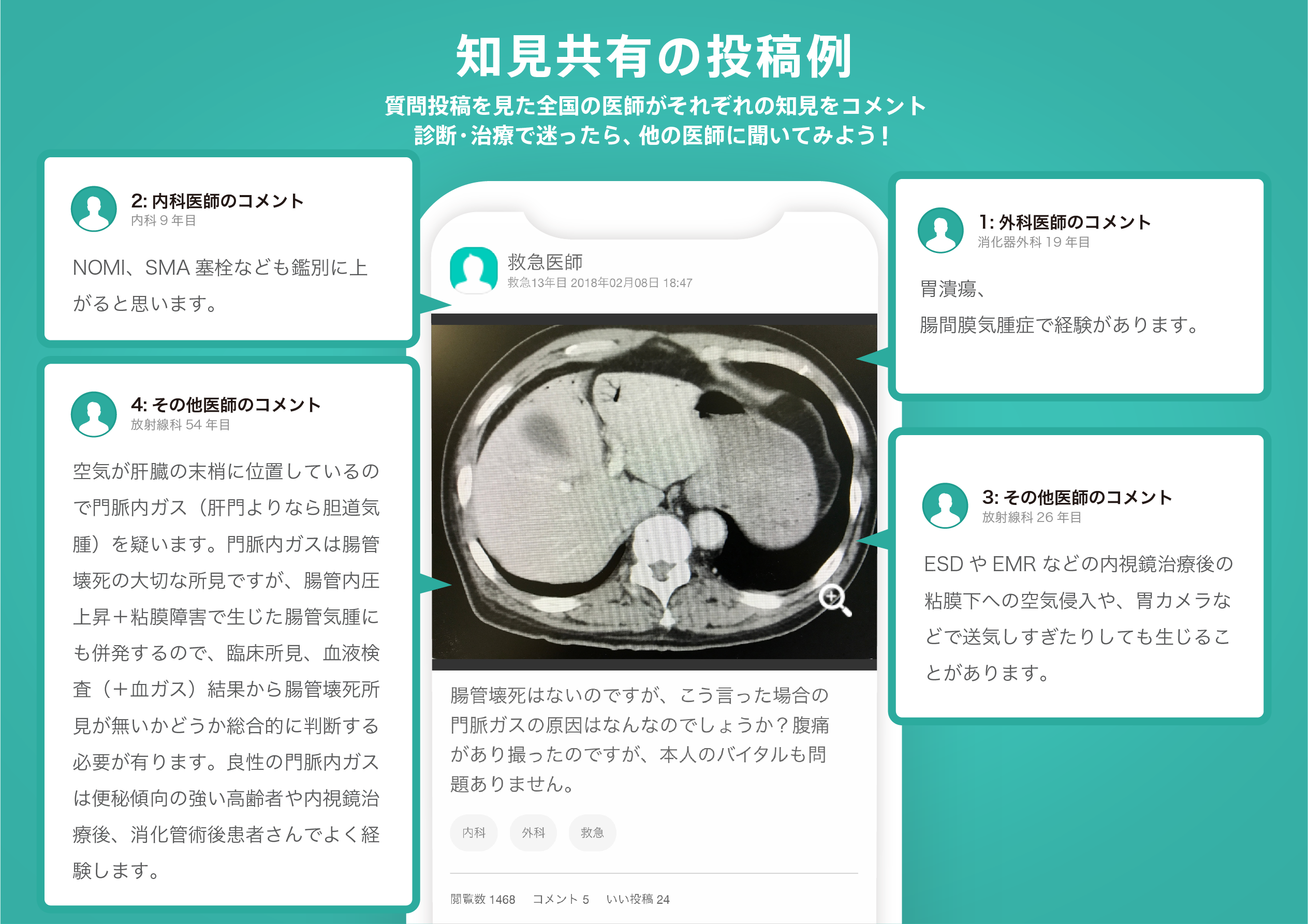
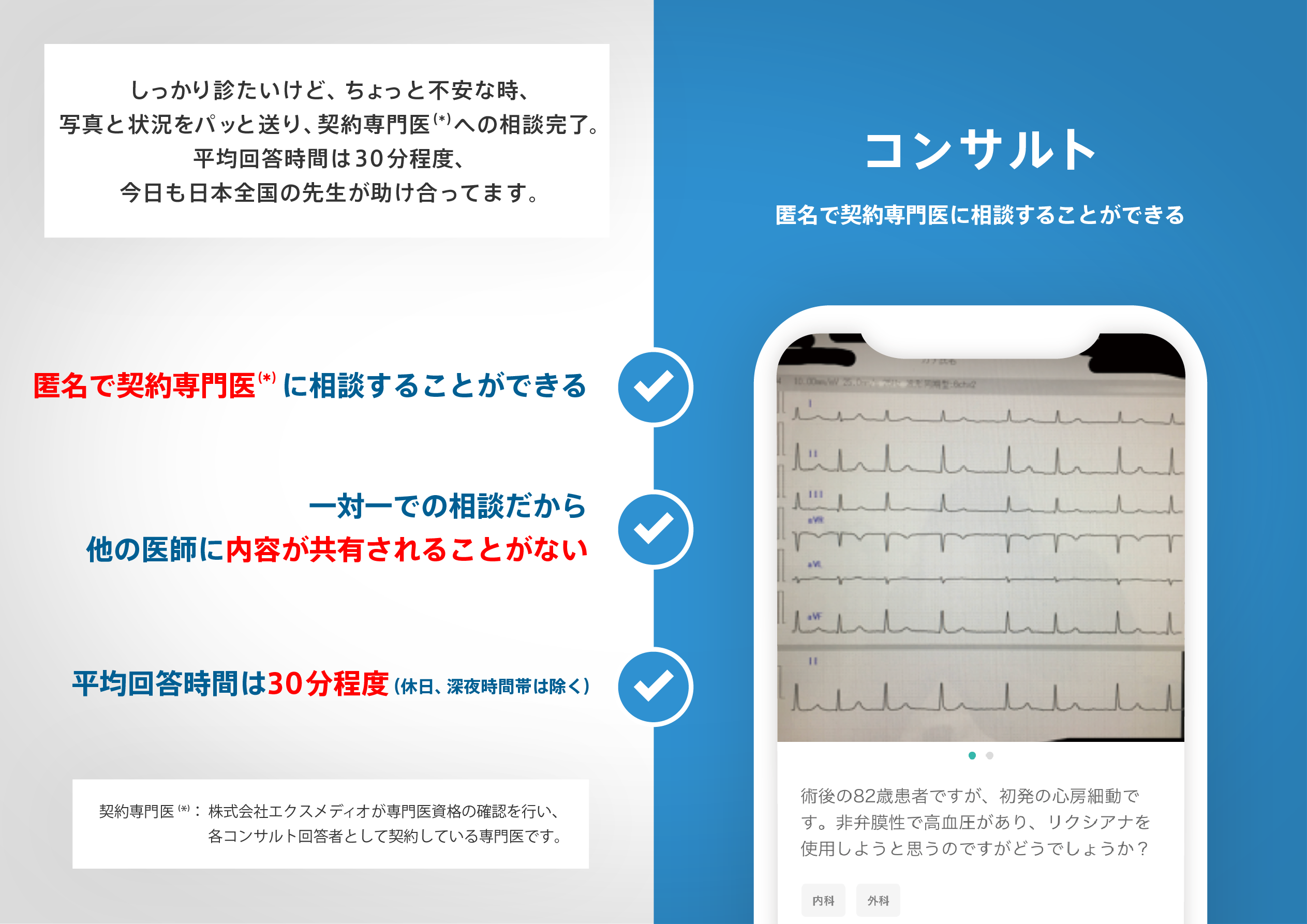
ヒポクラ x マイナビのご紹介

無料会員登録していただくと、さらに便利で効率的な検索が可能になります。