著名医師による解説が無料で読めます
すると翻訳の精度が向上します
現在、クリニックブロックD2ドーパミン受容体で現在使用されているすべての抗精神病薬。微量アミン関連受容体1は、統合失調症および他のいくつかの神経精神障害の新しい治療標的として浮上しています。SEP-363856(国際非専用名:Ulotaront)は、ドーパミンD2受容体の拮抗作用を伴わない新しい作用メカニズムを備えた調査抗精神病薬です。Ulotarontは、微量アミン関連受容体1およびセロトニン5-HT1A受容体のアゴニストですが、ドーパミン神経伝達を間接的に調節することができます。2019年、米国食品医薬品局は、統合失調症の治療のためにUlotarontの画期的な療法指定を認めました。フェーズ2の臨床研究では、ウロタロントは、現在使用されている抗精神病薬に固有の錐体外路または代謝副作用を引き起こすことなく、統合失調症の陽性症状と陰性の両方の症状を軽減できることが示されました。現在、それは統合失調症の治療のための第3相臨床開発にあり、2023年から2024年に臨床診療に導入されると予想されています。パーキンソン病の精神病、一般化不安障害、および大うつ病性障害におけるウロタロンの潜在的な有効性を評価する臨床研究も開始されています。このスコーピングレビューの目的は、統合失調症の治療におけるウロタロントの有用性に関する現在利用可能なすべての前臨床および臨床的証拠を要約することです。ここでは、この薬の主な特徴と特徴を示します。他のいくつかの神経精神障害の薬物療法におけるUlotarontの潜在的な使用に関する視点と制限についても議論されています。
現在、クリニックブロックD2ドーパミン受容体で現在使用されているすべての抗精神病薬。微量アミン関連受容体1は、統合失調症および他のいくつかの神経精神障害の新しい治療標的として浮上しています。SEP-363856(国際非専用名:Ulotaront)は、ドーパミンD2受容体の拮抗作用を伴わない新しい作用メカニズムを備えた調査抗精神病薬です。Ulotarontは、微量アミン関連受容体1およびセロトニン5-HT1A受容体のアゴニストですが、ドーパミン神経伝達を間接的に調節することができます。2019年、米国食品医薬品局は、統合失調症の治療のためにUlotarontの画期的な療法指定を認めました。フェーズ2の臨床研究では、ウロタロントは、現在使用されている抗精神病薬に固有の錐体外路または代謝副作用を引き起こすことなく、統合失調症の陽性症状と陰性の両方の症状を軽減できることが示されました。現在、それは統合失調症の治療のための第3相臨床開発にあり、2023年から2024年に臨床診療に導入されると予想されています。パーキンソン病の精神病、一般化不安障害、および大うつ病性障害におけるウロタロンの潜在的な有効性を評価する臨床研究も開始されています。このスコーピングレビューの目的は、統合失調症の治療におけるウロタロントの有用性に関する現在利用可能なすべての前臨床および臨床的証拠を要約することです。ここでは、この薬の主な特徴と特徴を示します。他のいくつかの神経精神障害の薬物療法におけるUlotarontの潜在的な使用に関する視点と制限についても議論されています。
All antipsychotics currently used in clinic block D2 dopamine receptors. Trace amine-associated receptor 1 is emerging as a new therapeutic target for schizophrenia and several other neuropsychiatric disorders. SEP-363856 (International Nonproprietary Name: Ulotaront) is an investigational antipsychotic drug with a novel mechanism of action that does not involve antagonism of dopamine D2 receptors. Ulotaront is an agonist of trace amine-associated receptor 1 and serotonin 5-HT1A receptors, but can modulate dopamine neurotransmission indirectly. In 2019, the United States Food and Drug Administration granted Breakthrough Therapy Designation for ulotaront for the treatment of schizophrenia. Phase 2 clinical studies indicated that ulotaront can reduce both positive and negative symptoms of schizophrenia without causing the extrapyramidal or metabolic side effects that are inherent to most currently used antipsychotics. At present, it is in phase 3 clinical development for the treatment of schizophrenia and is expected to be introduced into clinical practice in 2023-2024. Clinical studies evaluating the potential efficacy of ulotaront in Parkinson's disease psychosis, generalized anxiety disorder, and major depressive disorder have also been started. The aim of this scoping review is to summarize all currently available preclinical and clinical evidence on the utility of ulotaront in the treatment of schizophrenia. Here, we show the main characteristics and distinctive features of this drug. Perspectives and limitations on the potential use of ulotaront in the pharmacotherapy of several other neuropsychiatric disorders are also discussed.
医師のための臨床サポートサービス
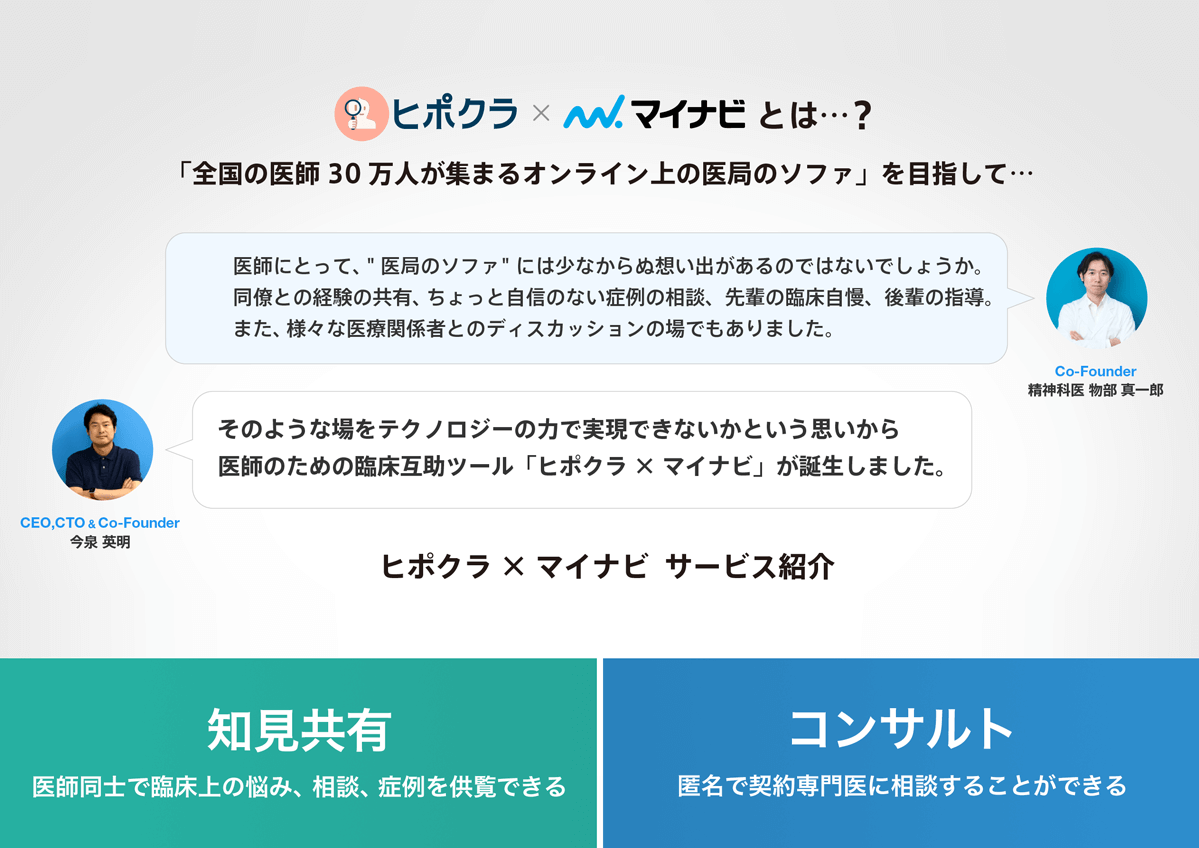
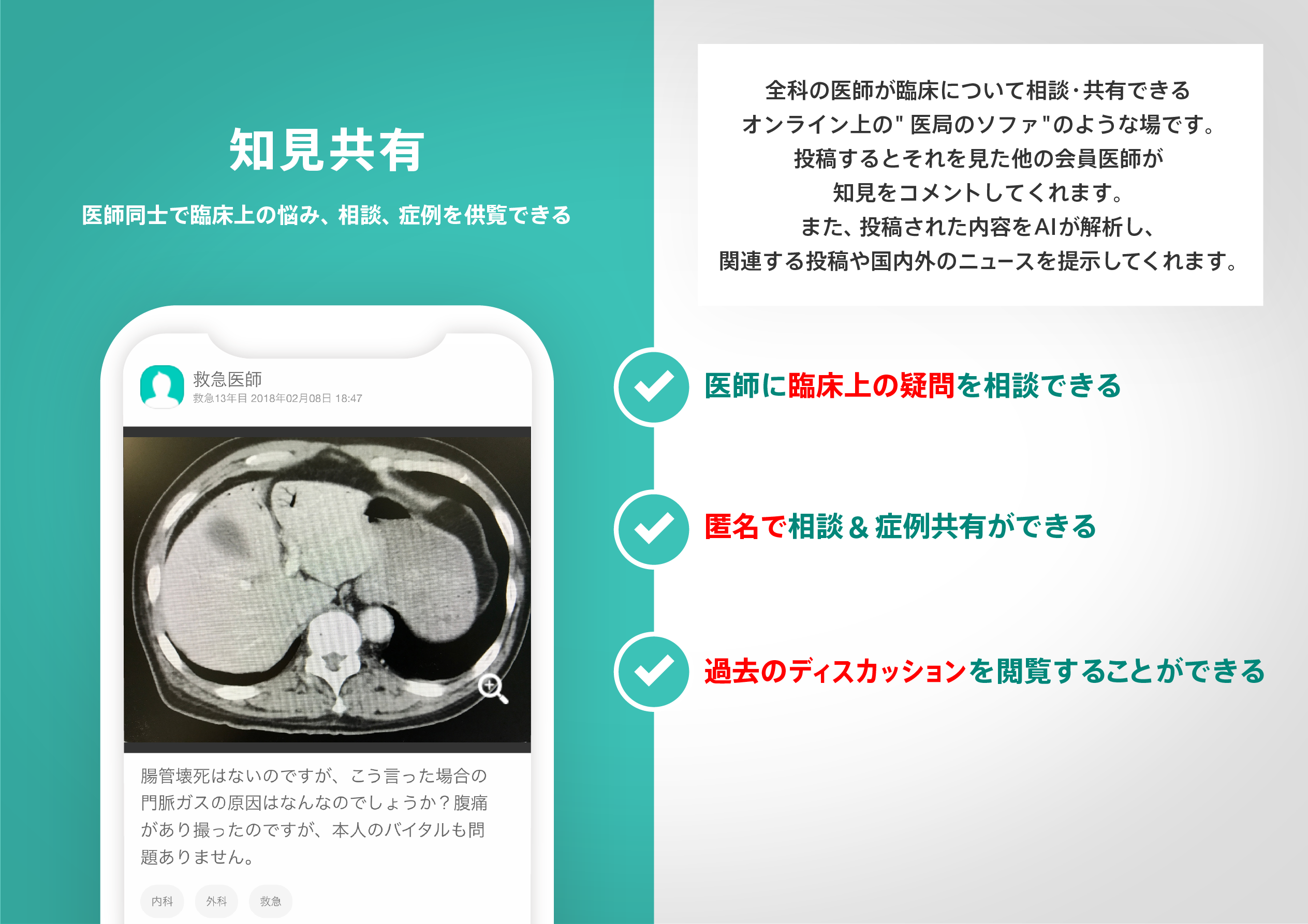
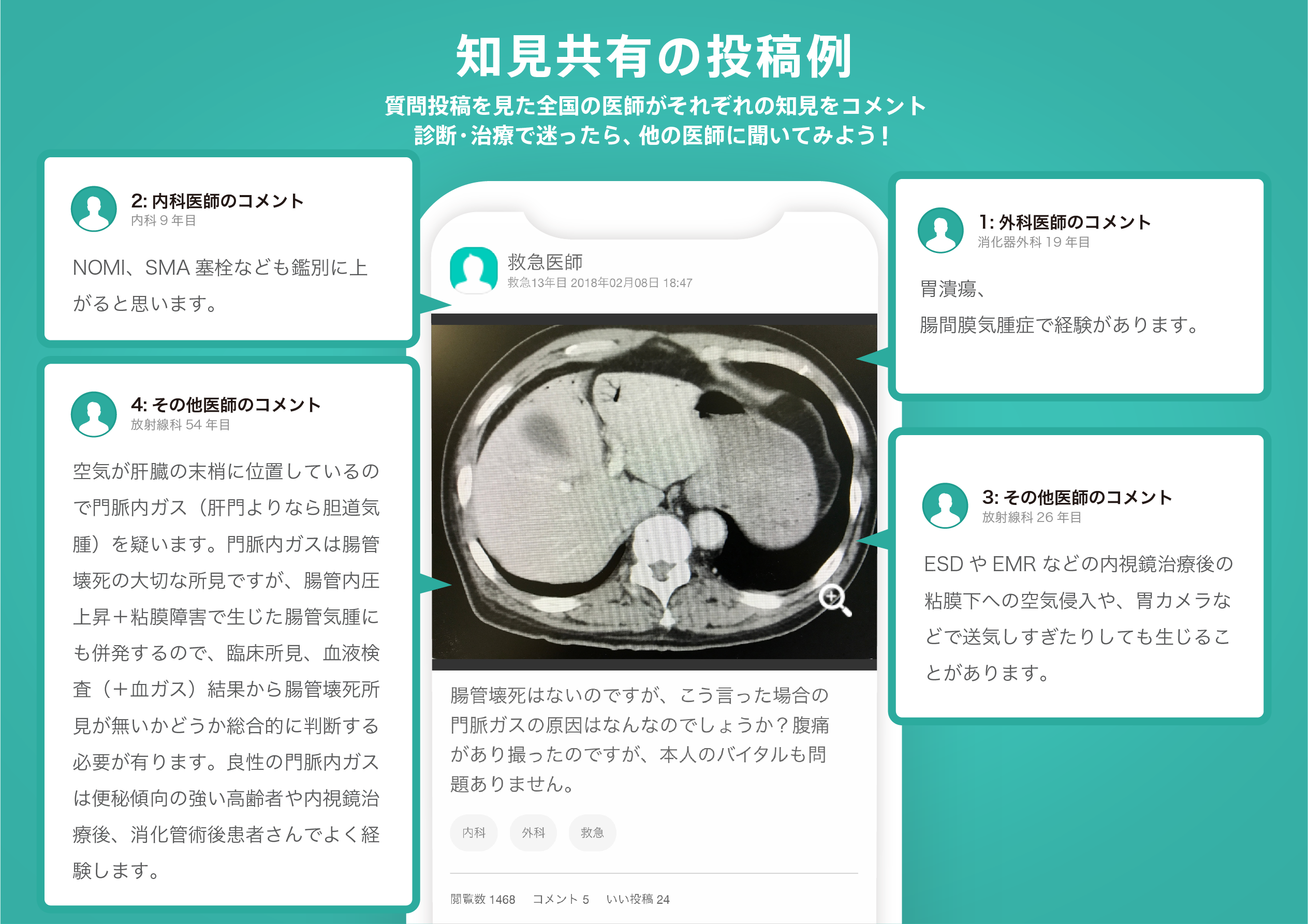
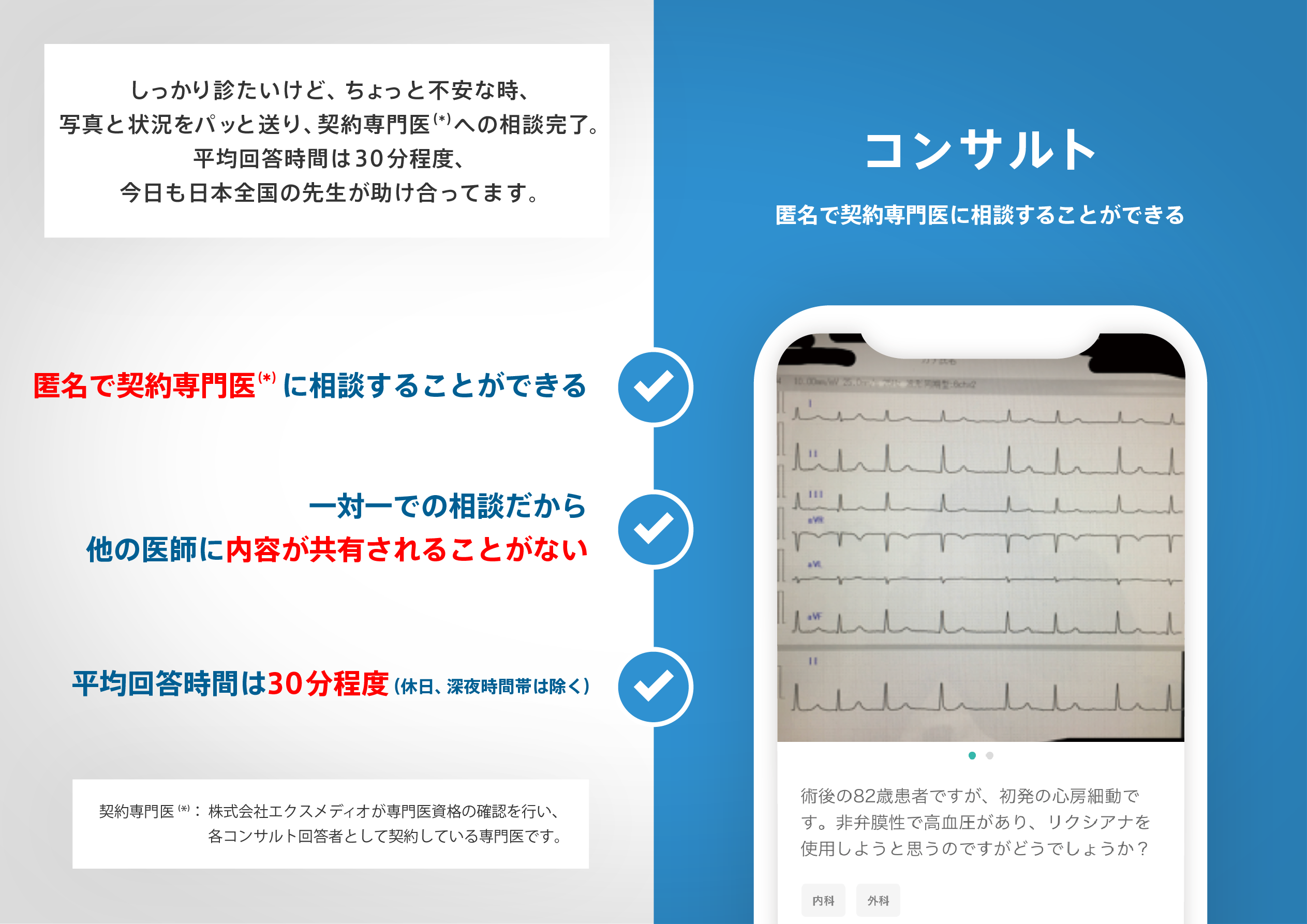
ヒポクラ x マイナビのご紹介

無料会員登録していただくと、さらに便利で効率的な検索が可能になります。