著名医師による解説が無料で読めます
すると翻訳の精度が向上します
オートファジーおよびミトファジーに関連する細胞外脳脊髄液(CSF)におけるミトコンドリア機能障害が、貧弱な出血患者(MMD)の成人患者の神経学的転帰に関与しているかどうかを調査することを目指しました。。CSFサンプルは43人の成人MMD患者から収集され、3か月での結果に従って分析されました。蛍光活性化細胞ソーター分析(FACS)およびJC-1赤/緑色の比を使用して、ミトコンドリア細胞と無傷のミトコンドリア膜電位(MMP)を評価しました。HIF1α、ATG5、PBECN1、BECN1、BAX、BNIP3L、DAPK1、およびPINK1を含むオートファジーおよびマイトファジー関連マーカーの定量的リアルタイムポリメラーゼ連鎖反応とウエスタンブロッティング分析を実施しました。最後に、CSFミトコンドリア細胞の潜在的な細胞起源を評価するために、特定の蛍光結合抗体を使用したFACS分析を実施しました。平均年齢47.4±9.7歳の27人の女性(62.8%)が研究に含まれていました。出血性MMDの43人の患者のうち、23人(53.5%)の結果が低かった。MMPの違いは、2つのグループ間で明らかでした(結果が低い患者では2.4±0.2対良好な結果の患者で3.5±0.4; p = 0.02)。HIF1α、ATG5、DAPK1の有意に高い発現(2-ΔCT)に続いてBAXおよびBNIP3L mRNAおよびタンパク質も、結果の良い結果を持つ患者と比較して、結果患者では観察されました。内皮細胞の起源を示唆するVWF陽性ミトコンドリアの割合が高いことは、結果が低い患者と比較して良好な結果の患者で観察されました(良い結果を持つ患者では25.0±1.4%vs。0.01)。我々は、出血性MMDの成人患者におけるオートファジーとマイトファジーとの相性とマイトファジーとの関連するミトコンドリア機能障害の増加と神経学的結果との関連を観察しました。リスク予測の診断値があるかどうかを判断するには、さらに前向き多施設研究が必要です。
オートファジーおよびミトファジーに関連する細胞外脳脊髄液(CSF)におけるミトコンドリア機能障害が、貧弱な出血患者(MMD)の成人患者の神経学的転帰に関与しているかどうかを調査することを目指しました。。CSFサンプルは43人の成人MMD患者から収集され、3か月での結果に従って分析されました。蛍光活性化細胞ソーター分析(FACS)およびJC-1赤/緑色の比を使用して、ミトコンドリア細胞と無傷のミトコンドリア膜電位(MMP)を評価しました。HIF1α、ATG5、PBECN1、BECN1、BAX、BNIP3L、DAPK1、およびPINK1を含むオートファジーおよびマイトファジー関連マーカーの定量的リアルタイムポリメラーゼ連鎖反応とウエスタンブロッティング分析を実施しました。最後に、CSFミトコンドリア細胞の潜在的な細胞起源を評価するために、特定の蛍光結合抗体を使用したFACS分析を実施しました。平均年齢47.4±9.7歳の27人の女性(62.8%)が研究に含まれていました。出血性MMDの43人の患者のうち、23人(53.5%)の結果が低かった。MMPの違いは、2つのグループ間で明らかでした(結果が低い患者では2.4±0.2対良好な結果の患者で3.5±0.4; p = 0.02)。HIF1α、ATG5、DAPK1の有意に高い発現(2-ΔCT)に続いてBAXおよびBNIP3L mRNAおよびタンパク質も、結果の良い結果を持つ患者と比較して、結果患者では観察されました。内皮細胞の起源を示唆するVWF陽性ミトコンドリアの割合が高いことは、結果が低い患者と比較して良好な結果の患者で観察されました(良い結果を持つ患者では25.0±1.4%vs。0.01)。我々は、出血性MMDの成人患者におけるオートファジーとマイトファジーとの相性とマイトファジーとの関連するミトコンドリア機能障害の増加と神経学的結果との関連を観察しました。リスク予測の診断値があるかどうかを判断するには、さらに前向き多施設研究が必要です。
We aimed to investigate whether mitochondrial dysfunction in extracellular cerebrospinal fluid (CSF), which is associated with autophagy and mitophagy, might be involved in neurological outcomes in adult patients with hemorrhagic moyamoya disease (MMD) whose pathogenesis related to poor outcomes is not well-known. CSF samples were collected from 43 adult MMD patients and analyzed according to outcomes at 3 months. Fluorescence-activated cell sorter analysis (FACS) and the JC-1 red/green ratio were used to assess mitochondrial cells and intact mitochondrial membrane potential (MMP). We performed quantitative real-time polymerase chain reaction and Western blotting analyses of autophagy and mitophagy-related markers, including HIF1α, ATG5, pBECN1, BECN1, BAX, BNIP3L, DAPK1, and PINK1. Finally, FACS analysis with specific fluorescence-conjugated antibodies was performed to evaluate the potential cellular origin of CSF mitochondrial cells. Twenty-seven females (62.8%) with a mean age of 47.4 ± 9.7 years were included in the study. Among 43 patients with hemorrhagic MMD, 23 (53.5%) had poor outcomes. The difference in MMP was evident between the two groups (2.4 ± 0.2 in patients with poor outcome vs. 3.5 ± 0.4 in patients with good outcome; p = 0.02). A significantly higher expression (2-ΔCt) of HIF1α, ATG5, DAPK1 followed by BAX and BNIP3L mRNA and protein was also observed in poor-outcome patients compared to those with good outcomes. Higher percentage of vWF-positive mitochondria, suggesting endothelial cell origins, was observed in patients with good outcome compared with those with poor outcome (25.0 ± 1.4% in patients with good outcome vs. 17.5 ± 1.5% in those with poor outcome; p < 0.01). We observed the association between increased mitochondrial dysfunction concomitant with autophagy and mitophagy in CSF cells and neurological outcomes in adult patients with hemorrhagic MMD. Further prospective multicenter studies are needed to determine whether it has a diagnostic value for risk prediction.
医師のための臨床サポートサービス
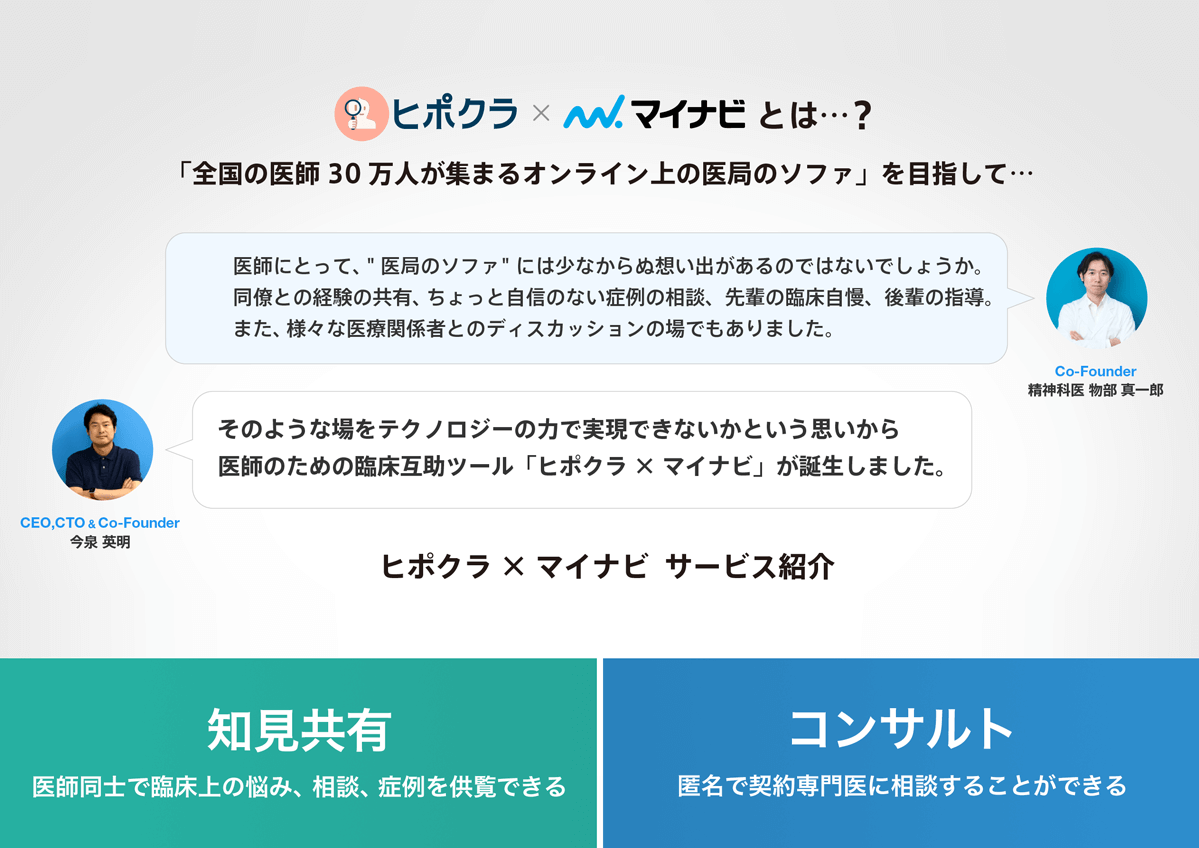
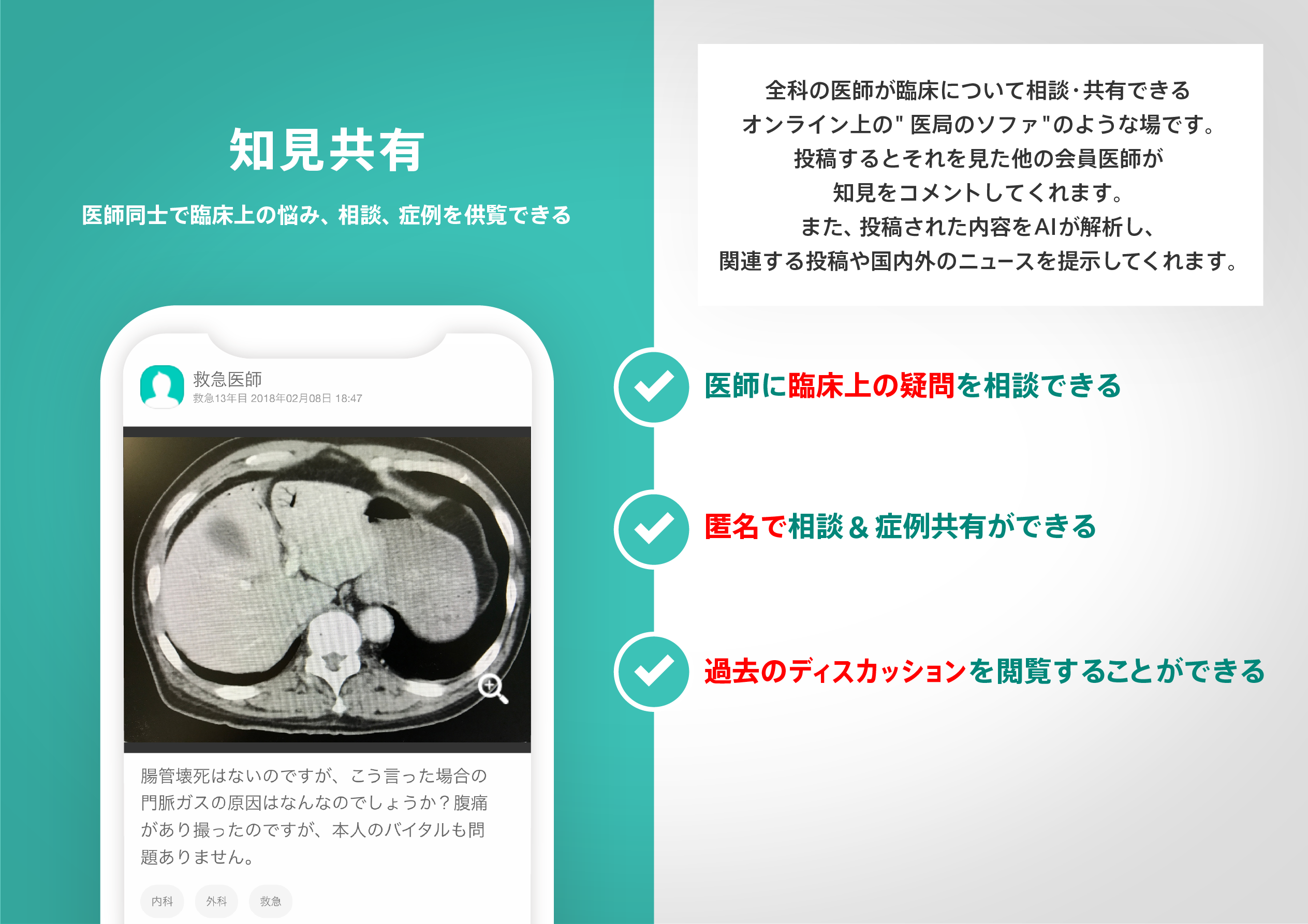
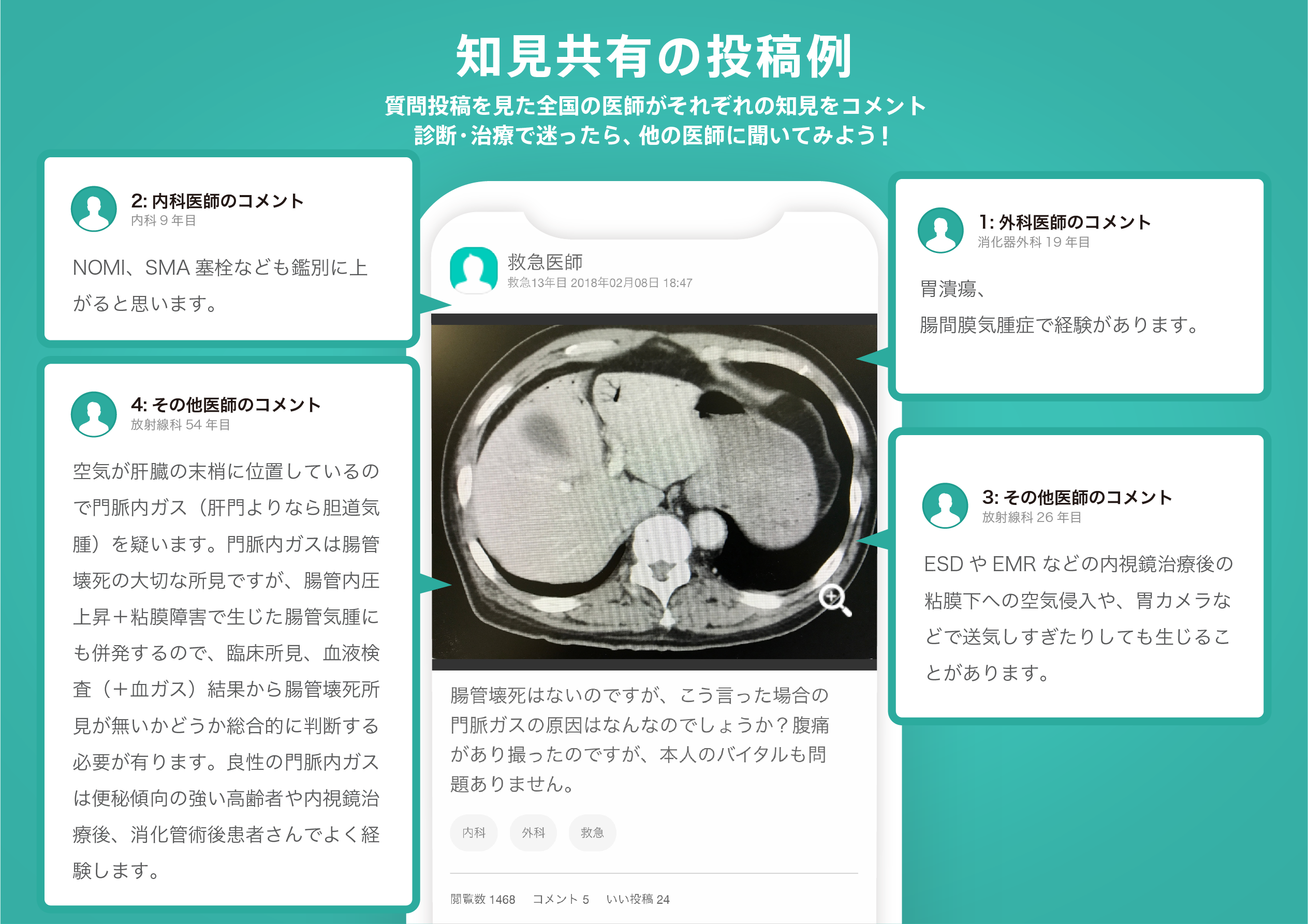
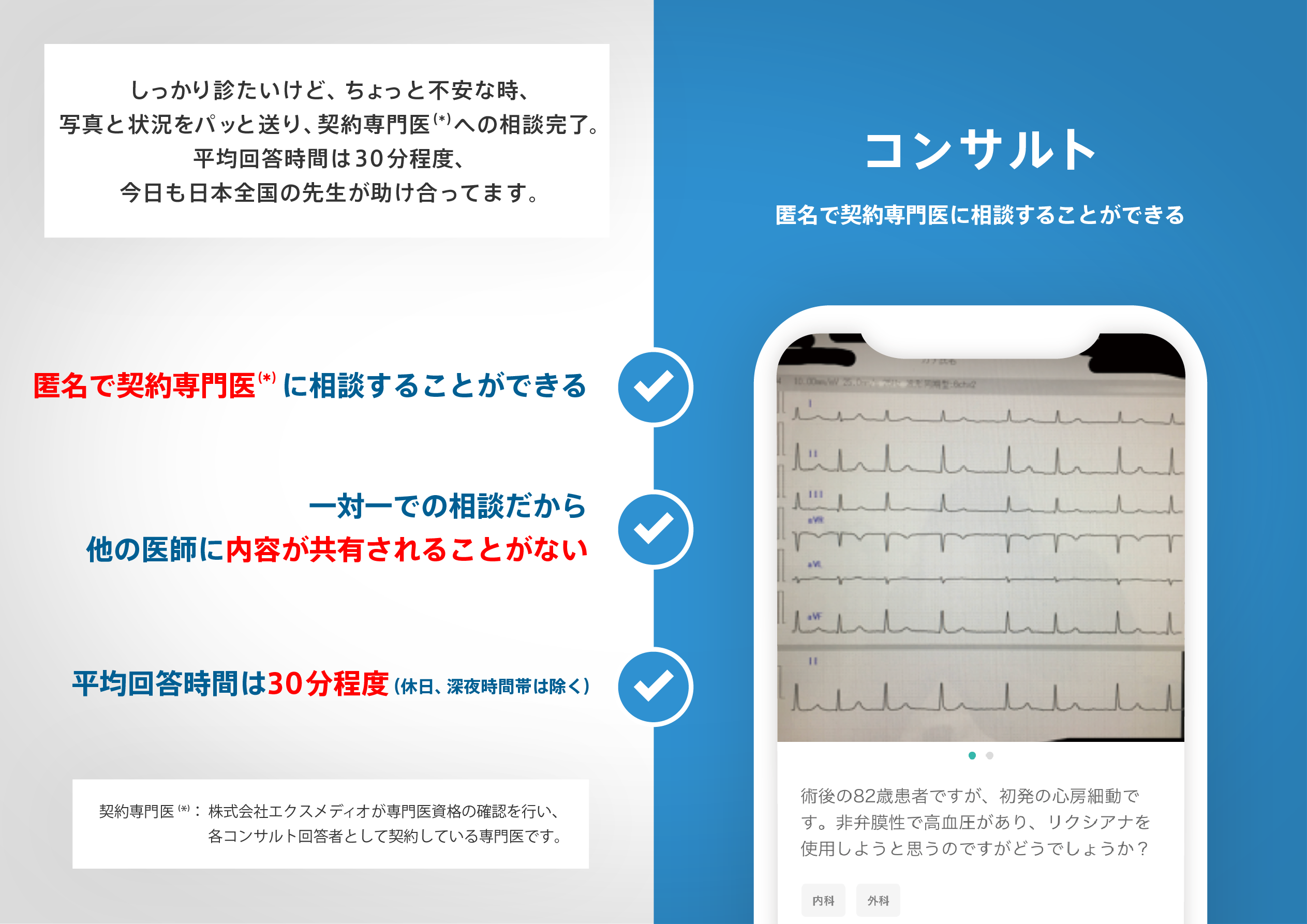
ヒポクラ x マイナビのご紹介

無料会員登録していただくと、さらに便利で効率的な検索が可能になります。