著名医師による解説が無料で読めます
すると翻訳の精度が向上します
目的:P2Y12阻害剤(P2Y12I)は、急性冠症候群(ACS)後の心臓イベントを減少させます。ただし、最適ではないP2Y12Iアドヒアランスは持続します。グループベースの軌道法を使用してP2Y12Iの非遵守を調べ、順守予測因子を特定することを目指しました。 方法:カナダのオンタリオ州オンタリオ州の管理データを使用して、2014年4月から2018年3月までにACSに入院した患者の管理データを使用して、退院後7日以内にP2Y12Iが調剤された人口ベースのレトロスペクティブコホート研究を実施しました。グループベースの軌道モデルを使用して、縦方向の1年のアドヒアランスパターンを特徴付けました。各アドヒアランス軌道に関連する予測因子は、多項ロジスティック回帰によって識別されました。 結果:クロピドグレルを使用した11人の917人の患者と9763人の患者が含まれ、9763人、老化した[平均±SD]:77.33±8.31/73.59±6.79年を使用しました。男性:それぞれ56.2%/65.4%。我々は、エージェントによって異なる3つの縦方向の遵守軌道を特定しました。クロピドグレルの75%とチカグレロール患者の68%が一貫して付着した軌道を示し、13%/17%は徐々に、12%/15%はそれぞれ急速に遵守していませんでした。(p <0.001)。各コホートのベースライン特性の異なる特性は、観察されたアドヒアランス軌跡に関連付けられていました。付随する心房細動と以前の出血履歴は、クロピドグレルユーザーの非遵守と関連していました。チカグレロールのユーザーの間では、女性と高齢者は急速に遵守されていない可能性が高く、ACS後1か月の順守が急激に低下します。 結論:クロピドグレルとチカグレロール後のACSの明確なアドヒアランス軌跡を特定しましたが、4人のクロピドグレル患者のうち3人が、一貫して付着した軌跡の3人のチカグレロール患者のうち2人だけでした。特にチカグレロールを開始する女性や高齢者の急なアドヒアランス低下の期間を対象とした集中的な介入、およびクロピドグレルで心房細動患者をさらに考慮し、さらに調査する必要があります。
目的:P2Y12阻害剤(P2Y12I)は、急性冠症候群(ACS)後の心臓イベントを減少させます。ただし、最適ではないP2Y12Iアドヒアランスは持続します。グループベースの軌道法を使用してP2Y12Iの非遵守を調べ、順守予測因子を特定することを目指しました。 方法:カナダのオンタリオ州オンタリオ州の管理データを使用して、2014年4月から2018年3月までにACSに入院した患者の管理データを使用して、退院後7日以内にP2Y12Iが調剤された人口ベースのレトロスペクティブコホート研究を実施しました。グループベースの軌道モデルを使用して、縦方向の1年のアドヒアランスパターンを特徴付けました。各アドヒアランス軌道に関連する予測因子は、多項ロジスティック回帰によって識別されました。 結果:クロピドグレルを使用した11人の917人の患者と9763人の患者が含まれ、9763人、老化した[平均±SD]:77.33±8.31/73.59±6.79年を使用しました。男性:それぞれ56.2%/65.4%。我々は、エージェントによって異なる3つの縦方向の遵守軌道を特定しました。クロピドグレルの75%とチカグレロール患者の68%が一貫して付着した軌道を示し、13%/17%は徐々に、12%/15%はそれぞれ急速に遵守していませんでした。(p <0.001)。各コホートのベースライン特性の異なる特性は、観察されたアドヒアランス軌跡に関連付けられていました。付随する心房細動と以前の出血履歴は、クロピドグレルユーザーの非遵守と関連していました。チカグレロールのユーザーの間では、女性と高齢者は急速に遵守されていない可能性が高く、ACS後1か月の順守が急激に低下します。 結論:クロピドグレルとチカグレロール後のACSの明確なアドヒアランス軌跡を特定しましたが、4人のクロピドグレル患者のうち3人が、一貫して付着した軌跡の3人のチカグレロール患者のうち2人だけでした。特にチカグレロールを開始する女性や高齢者の急なアドヒアランス低下の期間を対象とした集中的な介入、およびクロピドグレルで心房細動患者をさらに考慮し、さらに調査する必要があります。
PURPOSE: P2Y12 inhibitors (P2Y12i) reduce cardiac events after acute coronary syndromes (ACS). However, suboptimal P2Y12i adherence persists. We aimed to examine P2Y12i non-adherence using group-based trajectory methods and to identify adherence predictors. METHODS: We conducted a population-based, retrospective cohort study using administrative data in Ontario, Canada of patients ≥65 years admitted for ACS between April 2014 and March 2018 with a P2Y12i dispensed within 7 days of discharge. We used group-based trajectory models to characterize longitudinal 1-year adherence patterns. Predictors associated with each adherence trajectory were identified by multinomial logistic regression. RESULTS: We included 11 917 patients using clopidogrel and 9763 using ticagrelor, aged [mean ± SD]: 77.33 ± 8.31/73.59 ± 6.79 years; men: 56.2%/65.4%, respectively. We identified 3 longitudinal adherence trajectories, that differed by agent: 75% of clopidogrel and 68% of ticagrelor patients showed a consistently adherent trajectory, while 13%/17% were gradually, and 12%/15% were rapidly non-adherent, respectively (p < 0.001). Differing baseline characteristics in each cohort were associated with observed adherence trajectories. Concomitant atrial fibrillation and prior bleeding history were associated with non-adherence among clopidogrel users. Among ticagrelor users, women and older persons were more likely to be rapidly non-adherent, adherence declining steeply starting 1 month post-ACS. CONCLUSIONS: We identified distinct adherence trajectories for clopidogrel and ticagrelor post-ACS, with 3 out of 4 clopidogrel patients but only 2 out of 3 ticagrelor patients in the consistently adherent trajectory. Intensive interventions targeted to the period of steep adherence decline post-ACS, particularly for women and older persons initiating ticagrelor, and patients with atrial fibrillation on clopidogrel should be considered and investigated further.
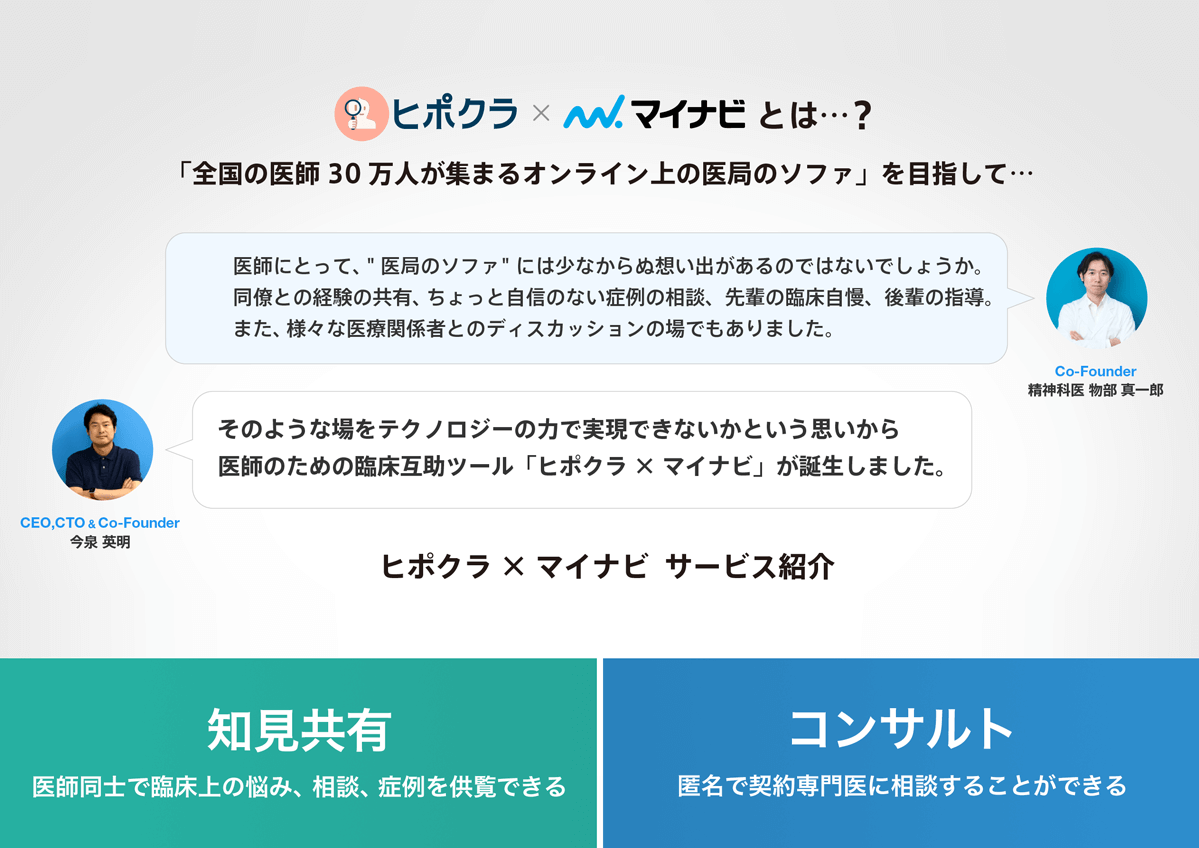
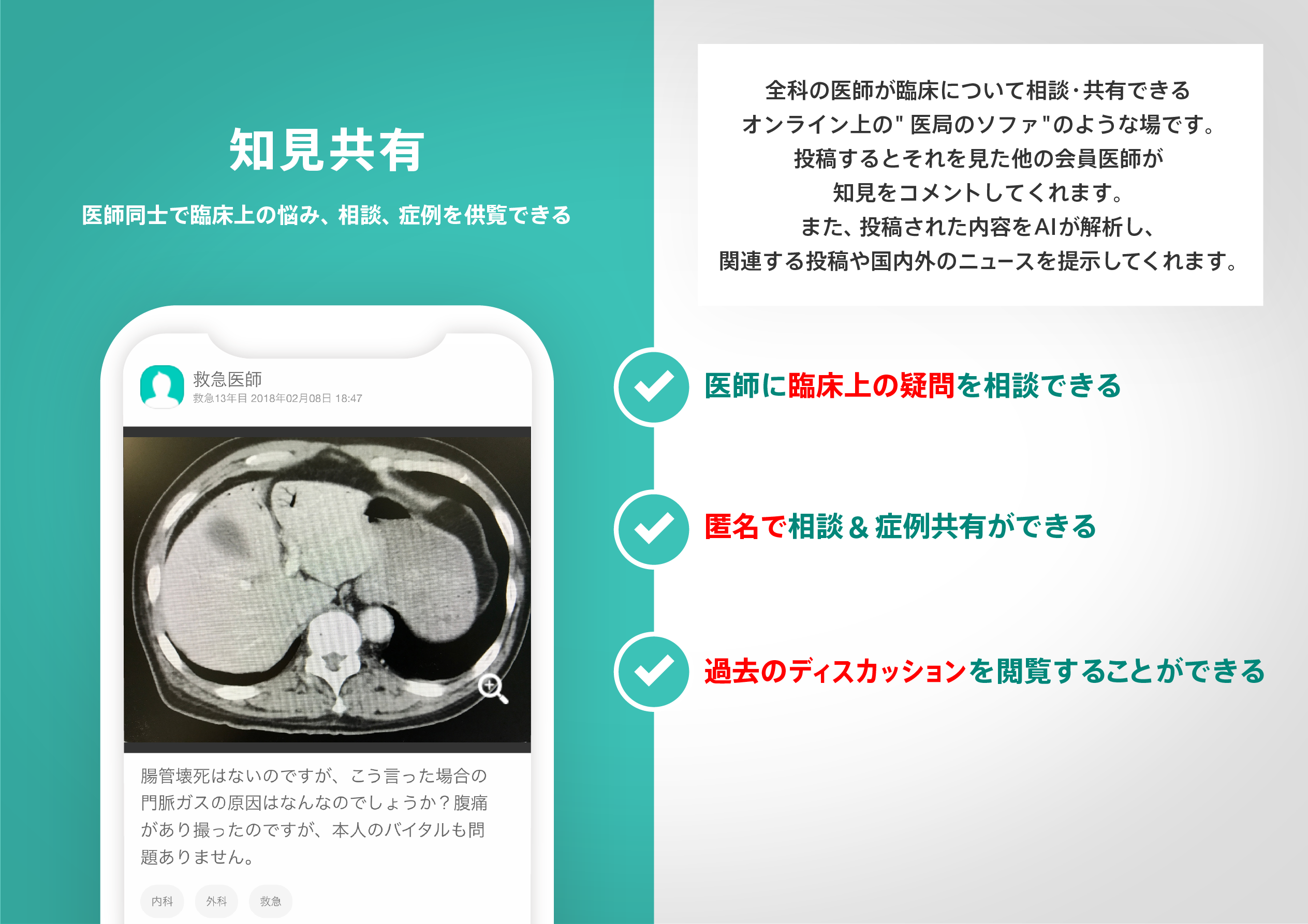
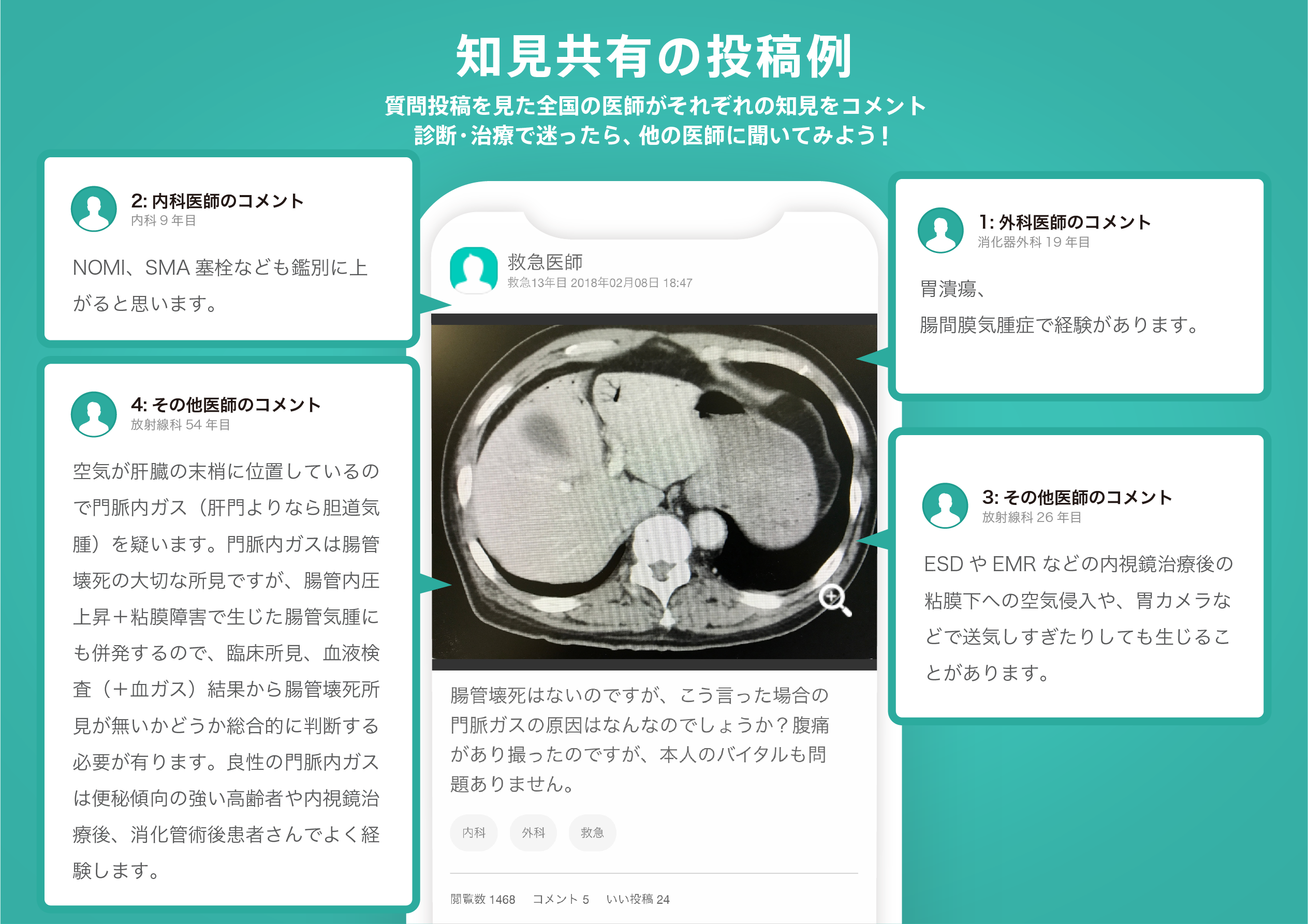
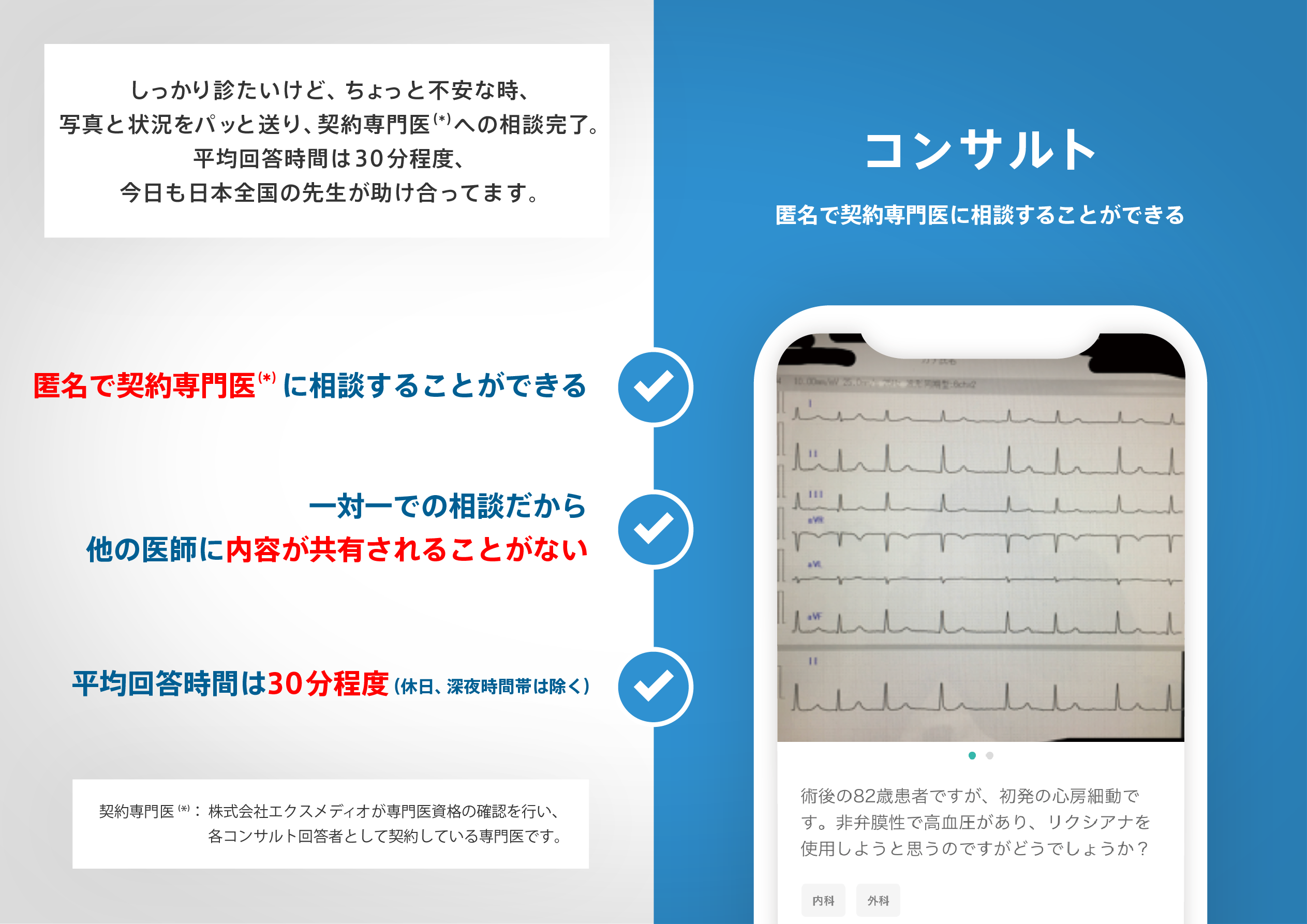
医師のための臨床サポートサービス
ヒポクラ x マイナビのご紹介

無料会員登録していただくと、さらに便利で効率的な検索が可能になります。