著名医師による解説が無料で読めます
すると翻訳の精度が向上します
この研究では、酵素カクテルの高度に利用可能で費用対効果の高い混合物を使用して、低コストのプロミンイオン液体(PIL)エタノールアミン酢酸エタノールアミン([EOA] [OAC])で前処理したリュウゼツランテキラナバガス(ATB)の酵素糖化の最適化を研究しました。Celluclast 1.5L-Viscozyme L.糖濃度と収量を最大化するために、応答表面方法論(RSM)が使用されました。最大還元糖(RS)濃度を達成した前処理ATBの酵素糖分化のRSM最適化条件は、Viscozyme LおよびCelluclast 1.5Lの0.76および1.86 mgタンパク質/MLバッファーの4.26 pH、4.26 pH、4.26 pH、4.26 pH、それぞれ。同様に、糖収率(SY)を最大化する条件は、それぞれ5.62%w/v、および4.51 pHの固形物であり、それぞれビスコジーミLおよびセルクラスト1.5Lの1.07および2.03 mgタンパク質/mlバッファーでした。第1世代および低コストの酵素混合物セルクラスト1.5L-viscozyme Lの糖化性能を、セルクラスト1.5L-ビスコザイムLが60.86±±2.66%Y 79.25±±±±ロストCTEC2に達したものと比較しました。砂糖濃度と収量モデルについて、それぞれ同じ加水分解時間(12時間)でCTEC2によって放出される糖の3.34%。これらの結果は、コスト削減と可用性の問題に積極的に貢献しているため、勇気づけられます。これは、プロセスの拡大を考える際に考慮すべき重要なパラメーターです。
この研究では、酵素カクテルの高度に利用可能で費用対効果の高い混合物を使用して、低コストのプロミンイオン液体(PIL)エタノールアミン酢酸エタノールアミン([EOA] [OAC])で前処理したリュウゼツランテキラナバガス(ATB)の酵素糖化の最適化を研究しました。Celluclast 1.5L-Viscozyme L.糖濃度と収量を最大化するために、応答表面方法論(RSM)が使用されました。最大還元糖(RS)濃度を達成した前処理ATBの酵素糖分化のRSM最適化条件は、Viscozyme LおよびCelluclast 1.5Lの0.76および1.86 mgタンパク質/MLバッファーの4.26 pH、4.26 pH、4.26 pH、4.26 pH、それぞれ。同様に、糖収率(SY)を最大化する条件は、それぞれ5.62%w/v、および4.51 pHの固形物であり、それぞれビスコジーミLおよびセルクラスト1.5Lの1.07および2.03 mgタンパク質/mlバッファーでした。第1世代および低コストの酵素混合物セルクラスト1.5L-viscozyme Lの糖化性能を、セルクラスト1.5L-ビスコザイムLが60.86±±2.66%Y 79.25±±±±ロストCTEC2に達したものと比較しました。砂糖濃度と収量モデルについて、それぞれ同じ加水分解時間(12時間)でCTEC2によって放出される糖の3.34%。これらの結果は、コスト削減と可用性の問題に積極的に貢献しているため、勇気づけられます。これは、プロセスの拡大を考える際に考慮すべき重要なパラメーターです。
This work studied the optimization of enzymatic saccharification of Agave tequilana bagasse (ATB) pretreated with the low-cost protic ionic liquid (PIL) ethanolamine acetate ([EOA][OAc]) using the highly available and cost-effective mixture of the enzymatic cocktails Celluclast 1.5L-Viscozyme L. Response surface methodology (RSM) was employed to maximize the sugars concentration and yield. The RSM optimization conditions of the enzymatic saccharification of pretreated ATB that achieved the maximum reducing sugars (RS) concentration were: 11.50 % w/v solids loading, 4.26 pH with 0.76 and 1.86 mg protein/mL buffer of Viscozyme L and Celluclast 1.5L, respectively. Similarly, the conditions that maximize the sugar yield (SY) were solids loading of 5.62 % w/v, and 4.51 pH as well as 1.07 and 2.03 mg protein/mL buffer of Viscozyme L and Celluclast 1.5L, respectively. Saccharification performance of the first-generation and low-cost enzyme mixture Celluclast 1.5L-Viscozyme L was compared with that reached by a second-generation and higher-cost CTec2, where Celluclast 1.5L-Viscozyme L achieved 60.86 ± 2.66 % y 79.25 ± 3.34 % of the sugars released by CTec2 at the same hydrolysis time (12 h) for the sugar concentration and yield models, respectively. These results are encouraging since they positively contribute to cost reduction and availability issues, which are key parameters to consider when thinking about scaling-up the process.
医師のための臨床サポートサービス
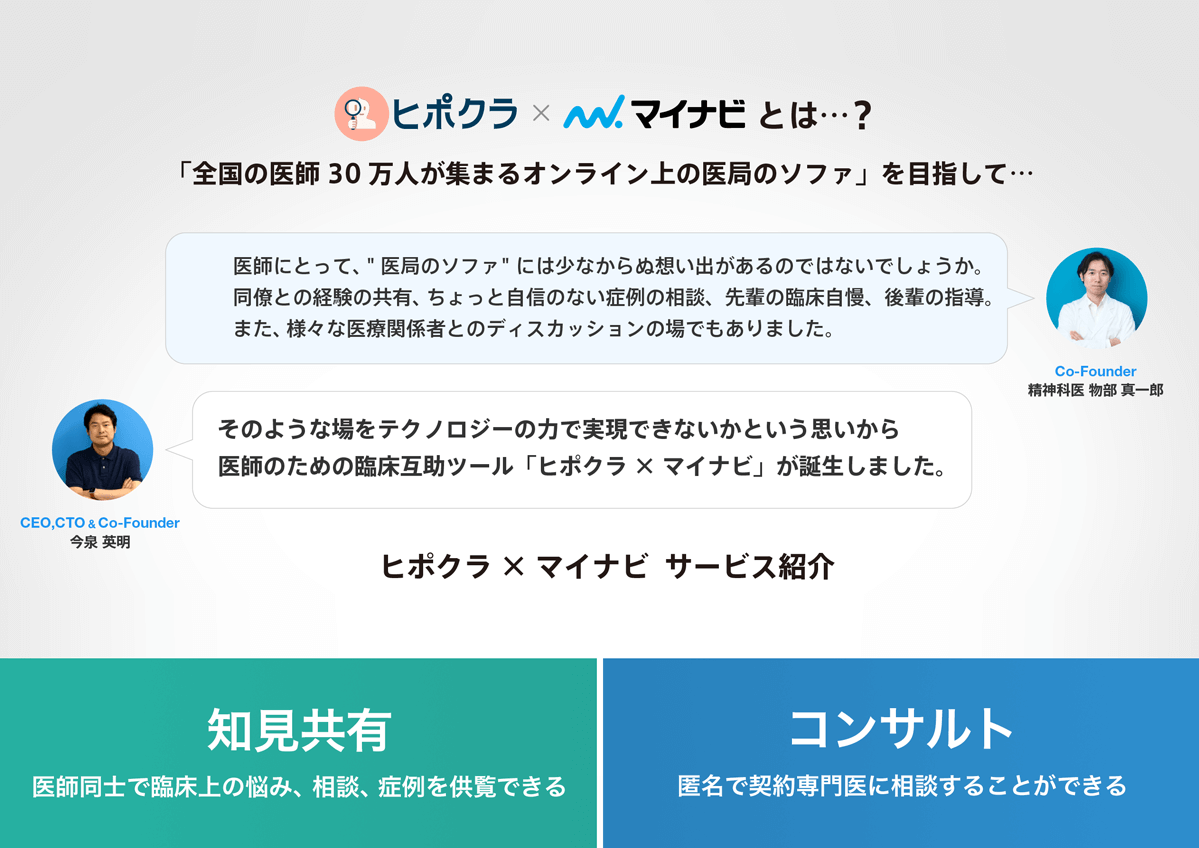
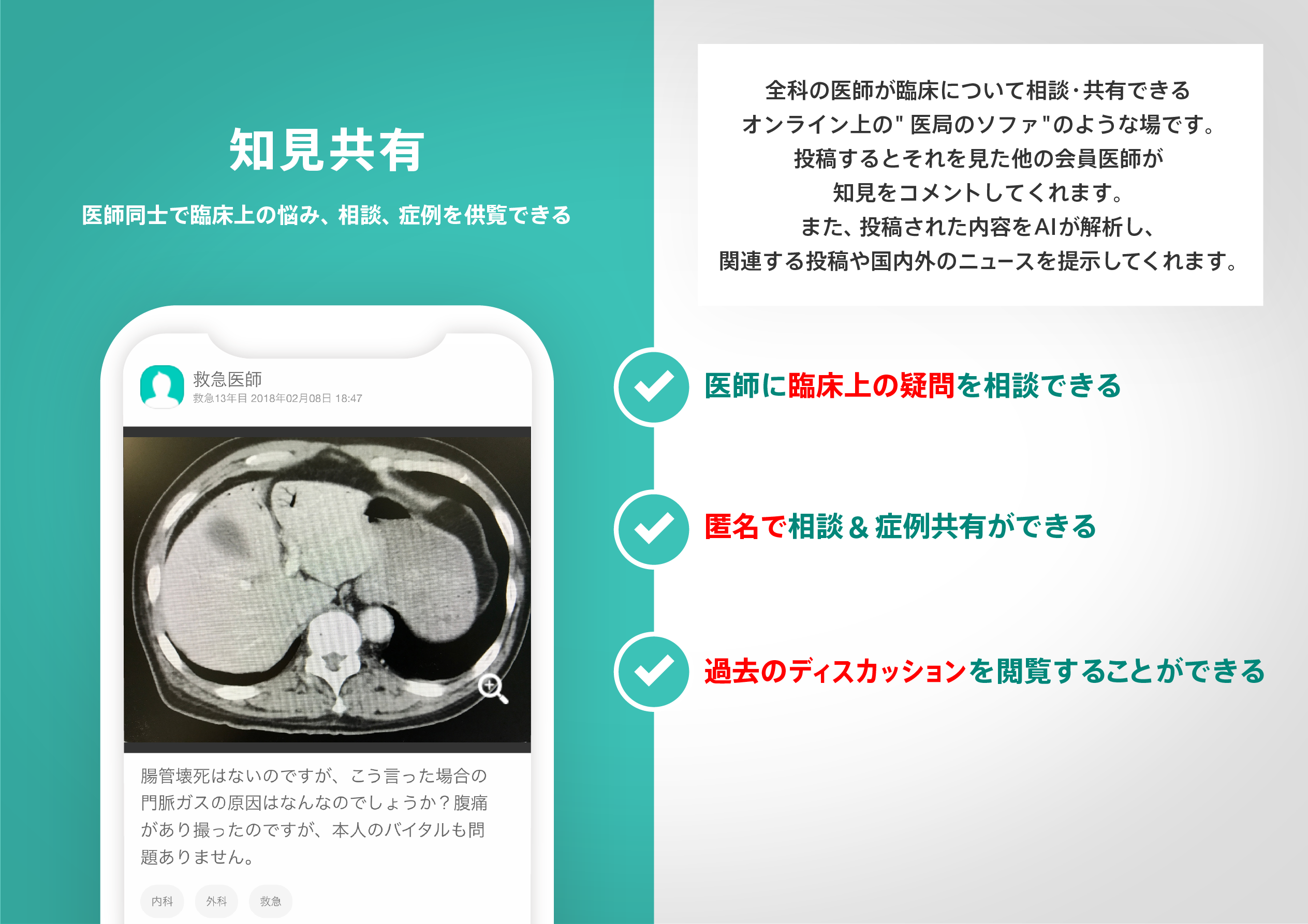
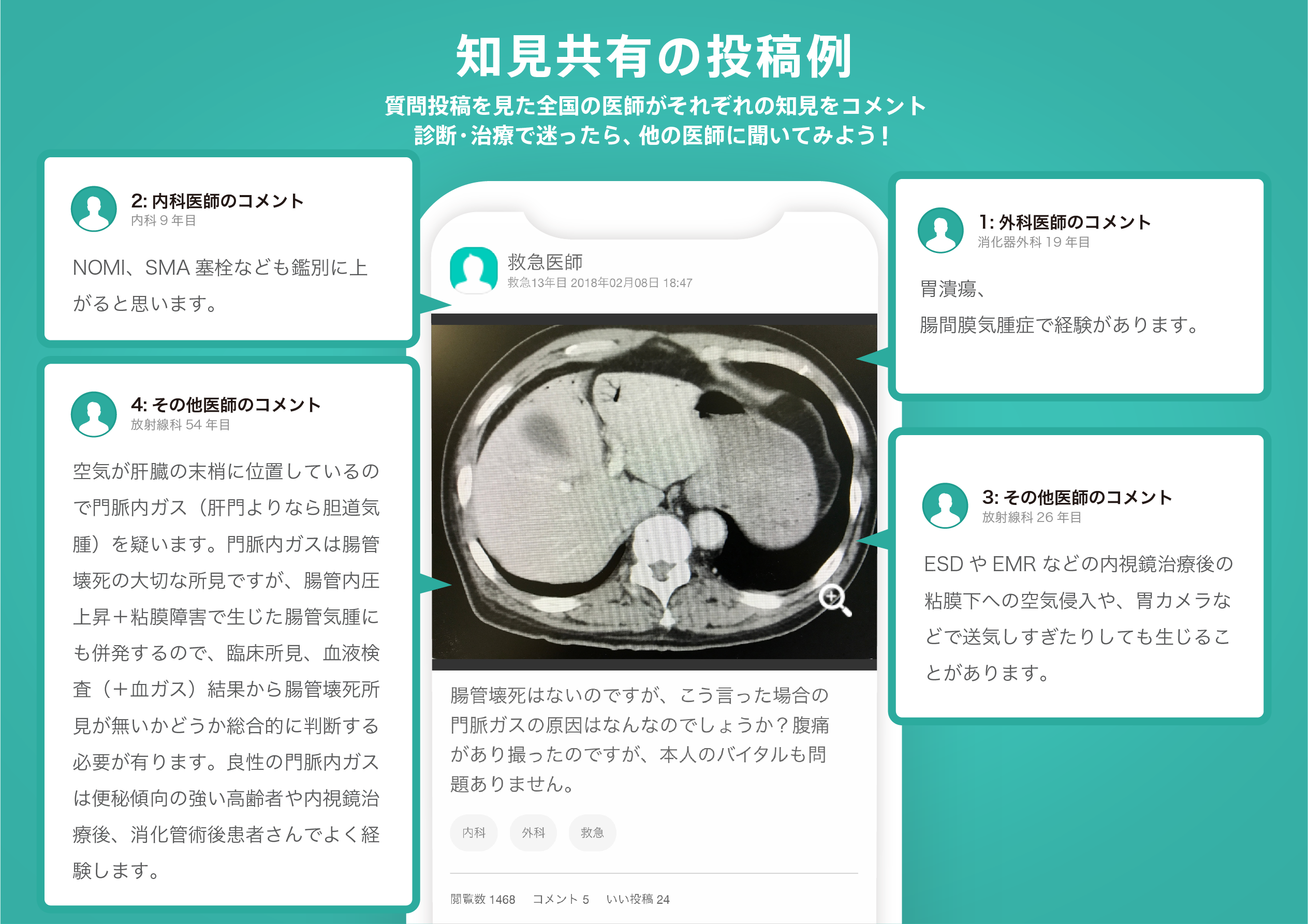
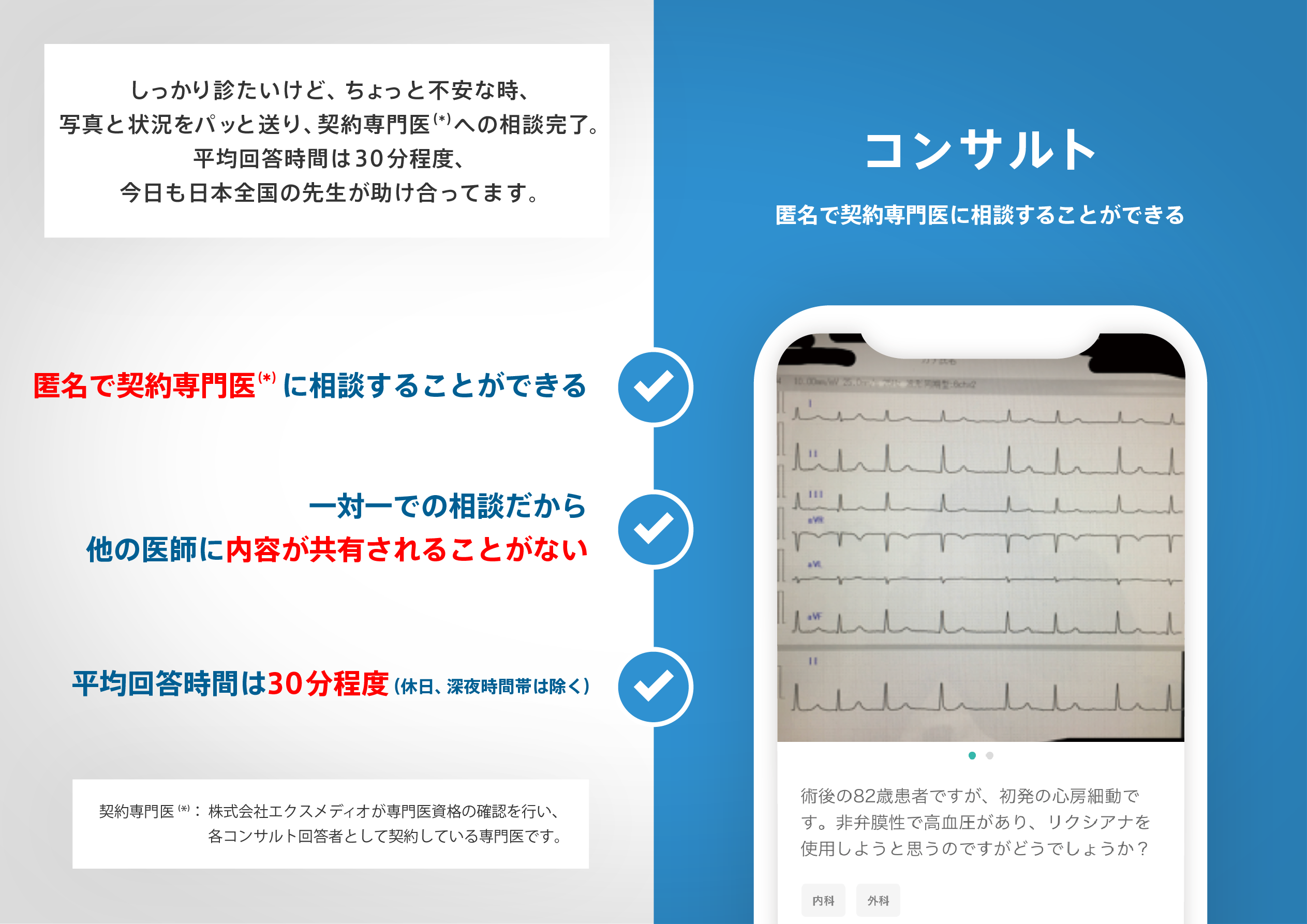
ヒポクラ x マイナビのご紹介

無料会員登録していただくと、さらに便利で効率的な検索が可能になります。