著名医師による解説が無料で読めます
すると翻訳の精度が向上します
背景:最近の急性アナフィラキシーガイドラインの更新により、現在利用可能な治療オプションに基づいて、残りの未成年のニーズが重要な焦点として特定されています。 目的:鼻腔内エピネフリンの薬物動態、薬力学、安全性、および忍容性プロファイルと、自己注射器および手動シリンジによって投与された筋肉内エピネフリンと比較しました。 方法:116人の健康な成人ボランティアでオープンラベルの3期間のクロスオーバー研究を実施して、0.3 mgの筋肉内自動インジェクターと0.5 mgのマニュアルシリンジと比較して、単一の13.2 mgのエピネフリンの生物学的利用能を評価しました。投与後10、20、30、および60分で、50、100、および200 pg/mlのエピネフリン濃度の患者も評価されました。 結果:13.2 mgの鼻腔内用量の薬物動態パラメーターは、急速かつ高い最大観察濃度(429.4 pg/ml;自動インジェクター、328.6 pg/ml)およびより大きな全身曝露(AUC0-360; AUC0-360;、39,060pg∙min/ml; autoinjector、17,440pg∙min/ml)。0.5 mgのマニュアルシリンジと比較して、同様の結果が観察されました。反対側の非閉塞および同性網の投与の薬物動態パラメーターは、2つの筋肉内投与(反対側と同じ鼻孔、20分、20分、14.9分)の間に括弧で囲まれた最大観測濃度に達する時間を除いて、両方の筋肉内投与よりも高かった。シリンジ、45分)。血圧と心拍数に対する同様の効果が、鼻腔内および自己注射器の投与で観察されました。鼻腔内エピネフリンは安全で、忍容性が高かった。以前の臨床研究の結果を確認して、重大または予期しない有害事象は報告されていません。 結論:ビドースエピネフリンスプレーは、0.3 mgの自動インジェクターと同じかそれ以上のエピネフリンの自己投与のための針を含まない、便利で効果的な用量配列システムに対する満たされていない医療および患者のニーズに対処します。
背景:最近の急性アナフィラキシーガイドラインの更新により、現在利用可能な治療オプションに基づいて、残りの未成年のニーズが重要な焦点として特定されています。 目的:鼻腔内エピネフリンの薬物動態、薬力学、安全性、および忍容性プロファイルと、自己注射器および手動シリンジによって投与された筋肉内エピネフリンと比較しました。 方法:116人の健康な成人ボランティアでオープンラベルの3期間のクロスオーバー研究を実施して、0.3 mgの筋肉内自動インジェクターと0.5 mgのマニュアルシリンジと比較して、単一の13.2 mgのエピネフリンの生物学的利用能を評価しました。投与後10、20、30、および60分で、50、100、および200 pg/mlのエピネフリン濃度の患者も評価されました。 結果:13.2 mgの鼻腔内用量の薬物動態パラメーターは、急速かつ高い最大観察濃度(429.4 pg/ml;自動インジェクター、328.6 pg/ml)およびより大きな全身曝露(AUC0-360; AUC0-360;、39,060pg∙min/ml; autoinjector、17,440pg∙min/ml)。0.5 mgのマニュアルシリンジと比較して、同様の結果が観察されました。反対側の非閉塞および同性網の投与の薬物動態パラメーターは、2つの筋肉内投与(反対側と同じ鼻孔、20分、20分、14.9分)の間に括弧で囲まれた最大観測濃度に達する時間を除いて、両方の筋肉内投与よりも高かった。シリンジ、45分)。血圧と心拍数に対する同様の効果が、鼻腔内および自己注射器の投与で観察されました。鼻腔内エピネフリンは安全で、忍容性が高かった。以前の臨床研究の結果を確認して、重大または予期しない有害事象は報告されていません。 結論:ビドースエピネフリンスプレーは、0.3 mgの自動インジェクターと同じかそれ以上のエピネフリンの自己投与のための針を含まない、便利で効果的な用量配列システムに対する満たされていない医療および患者のニーズに対処します。
BACKGROUND: Recent acute anaphylaxis guideline updates have identified remaining unmet needs based on currently available therapeutic options as a critical focus. OBJECTIVE: We compared the pharmacokinetic, pharmacodynamic, safety, and tolerability profiles of intranasal epinephrine with intramuscular epinephrine administered by autoinjector and manual syringe. METHODS: An open-label, 3-period crossover study was conducted in 116 healthy adult volunteers to assess the bioavailability of a single 13.2 mg intranasal dose of epinephrine compared to a 0.3 mg intramuscular autoinjector and a 0.5 mg manual syringe. Patients with epinephrine concentrations of 50, 100, and 200 pg/mL at 10, 20, 30, and 60 minutes after dosing were also evaluated. RESULTS: Pharmacokinetic parameters for the 13.2 mg intranasal dose exceeded those of the 0.3 mg autoinjector with a rapid and higher maximum observed concentration (intranasal, 429.4 pg/mL; autoinjector, 328.6 pg/mL) and greater systemic exposure (AUC0-360; intranasal, 39,060 pg∙min/mL; autoinjector, 17,440 pg∙min/mL). Similar results were observed compared to the 0.5 mg manual syringe. Pharmacokinetic parameters for opposite-nostril and same-nostril dosing were higher than both intramuscular doses, except time to reach maximum observed concentration, which was bracketed between the 2 intramuscular doses (intranasal opposite and same nostril, 20 minutes; autoinjector, 14.9 minutes; manual syringe, 45 minutes). Similar effects on blood pressure and heart rate were observed for intranasal and autoinjector administration. Intranasal epinephrine was safe and well tolerated. No serious or unexpected adverse events were reported, confirming results from earlier clinical studies. CONCLUSIONS: Bidose epinephrine spray addresses the unmet medical and patient needs for a needle-free, convenient, and effective dose-delivery system for self-administration of epinephrine that is as good as or better than the 0.3 mg autoinjector.
医師のための臨床サポートサービス
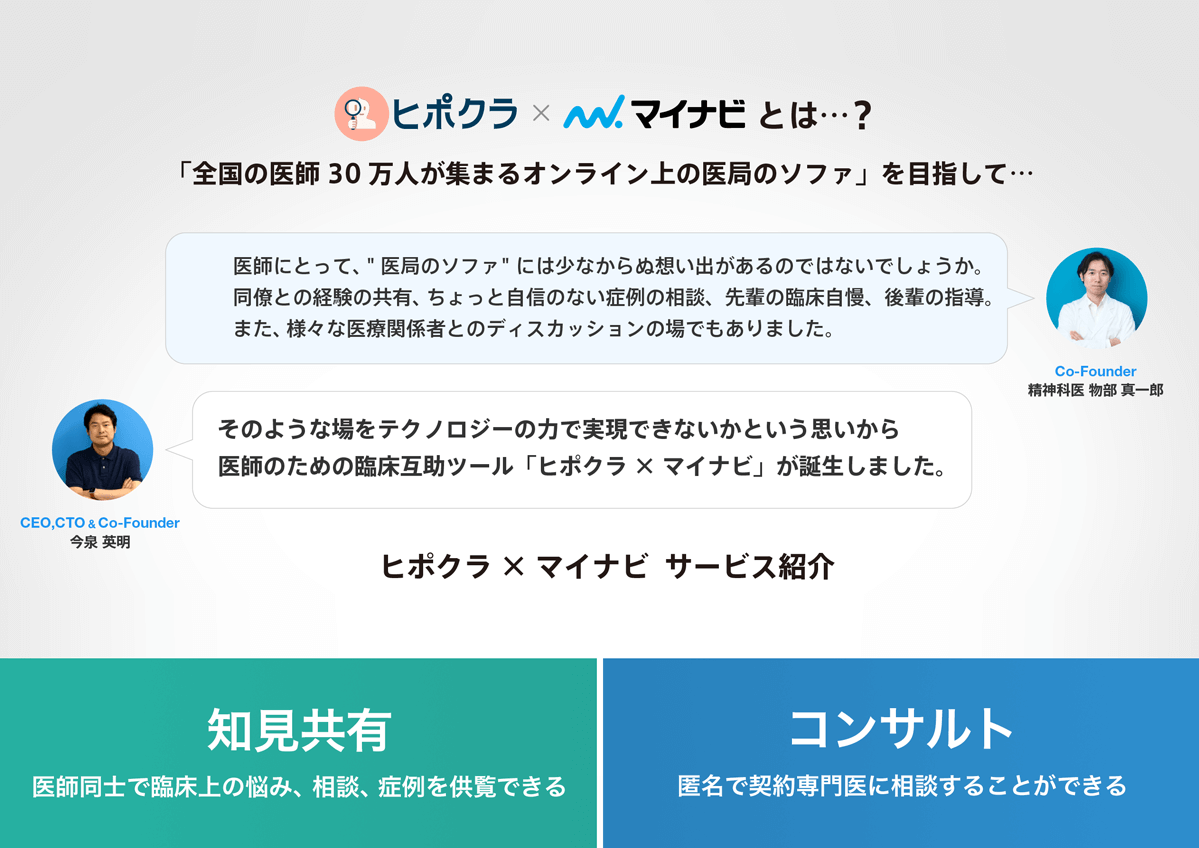
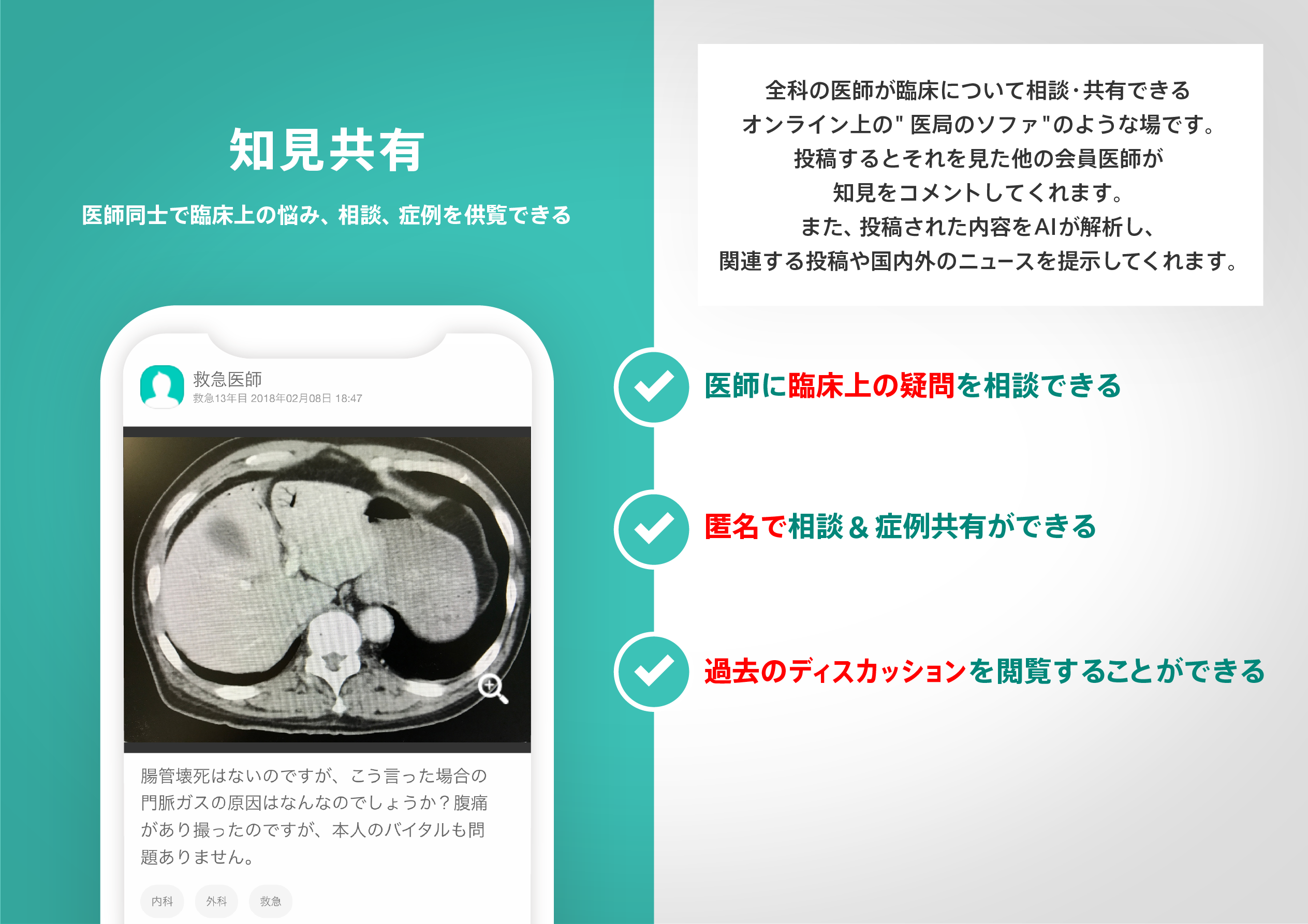
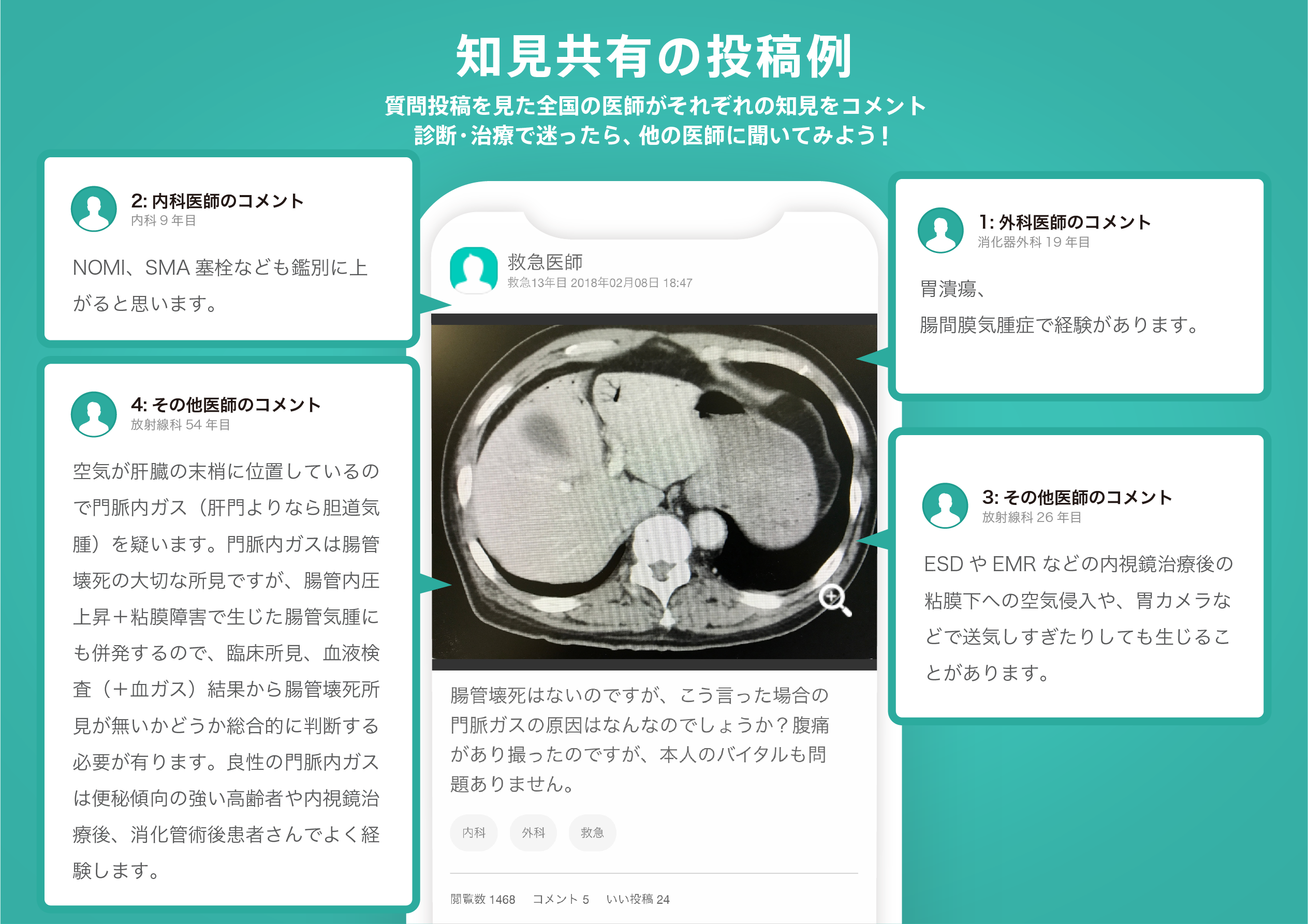
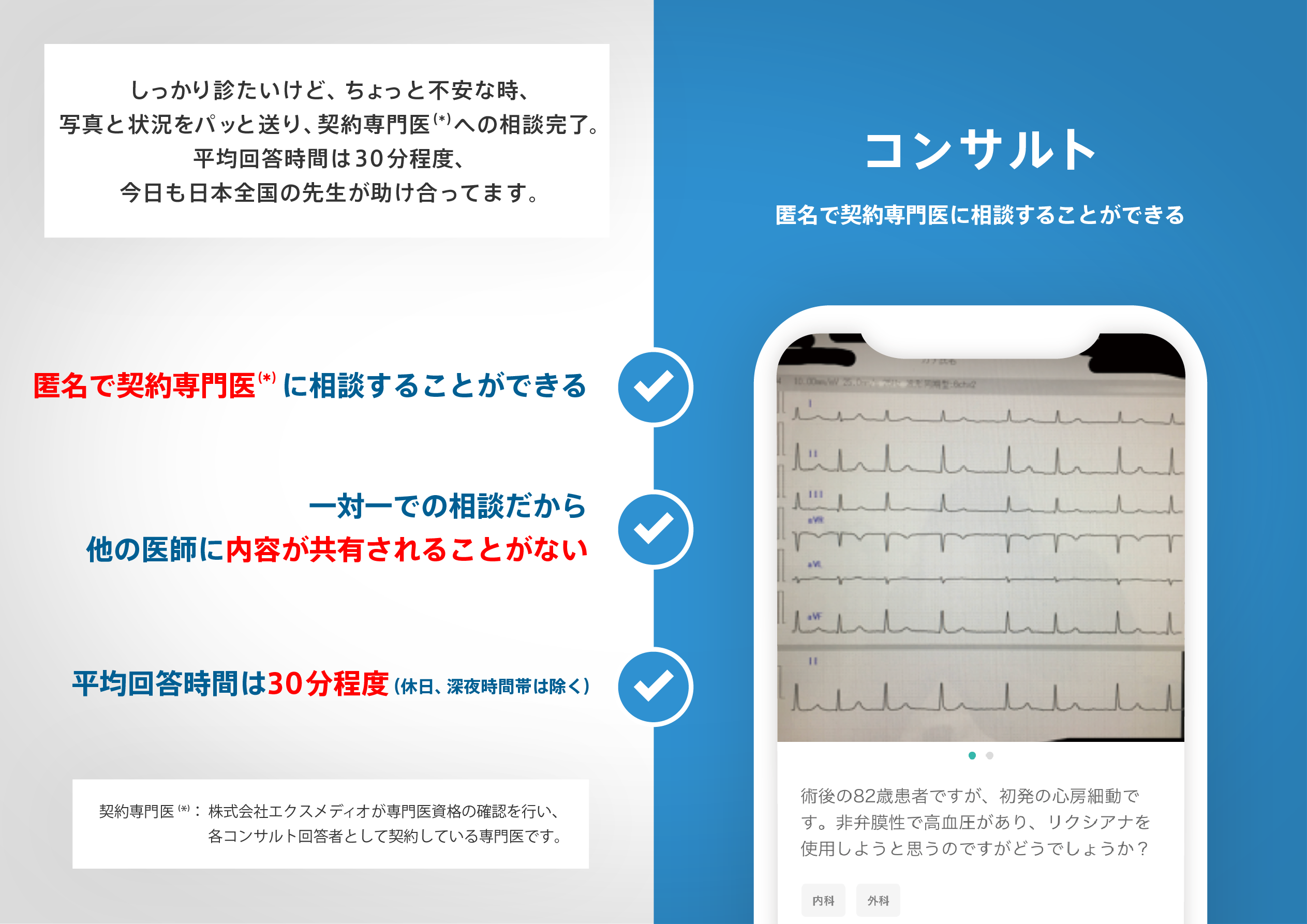
ヒポクラ x マイナビのご紹介

無料会員登録していただくと、さらに便利で効率的な検索が可能になります。