著名医師による解説が無料で読めます
すると翻訳の精度が向上します
バックグラウンドと研究の目的では、内視鏡的超音波誘導膵管ドレナージ(EUS-PD)は、内視鏡逆行膵臓の失敗後の閉塞性膵炎の効果的な代替治療として浮上しています。ただし、EUS-PDに関連する有害事象の発生率(約20%)は依然として問題です。最近、EUS-PD用の新しいプラスチックステントを開発しました。放射線透過マーカーは、マーカーのみにおいて独占的に配置されたステント穴と側面穴の遠位端からの長さの約3分の1に配置されました。この研究の目的は、EUS-PDでこのステントを使用することの実現可能性と安全性を評価することです。患者と方法2021年3月から2023年10月にかけて、国立がんセンター病院で新しいプラスチックステントでEUS-PDを受けた10人の患者からのデータを遡及的にレビューしました。閉塞(RPO)、およびRPOへの時間を評価しました。10人の患者の結果、5人は術後の良性膵臓麻痺吻合狭窄を持ち、5人は悪性膵管閉塞を有していた。技術的および臨床的成功率は両方とも100%(10/10)でした。AE(自己制限された腹痛)が1人の患者(10.0%)で発生しました。2人の患者(20.0%)は、追跡期間中に原発性疾患で死亡しました(中央値、44日、範囲、25〜272日)。RPOの発生率は10.0%(1/10)、3か月の非RPO率は83.3%でした。結論新しいプラスチックステントは、EUS-PDの有用で安全なツールとしての可能性を示しています。
バックグラウンドと研究の目的では、内視鏡的超音波誘導膵管ドレナージ(EUS-PD)は、内視鏡逆行膵臓の失敗後の閉塞性膵炎の効果的な代替治療として浮上しています。ただし、EUS-PDに関連する有害事象の発生率(約20%)は依然として問題です。最近、EUS-PD用の新しいプラスチックステントを開発しました。放射線透過マーカーは、マーカーのみにおいて独占的に配置されたステント穴と側面穴の遠位端からの長さの約3分の1に配置されました。この研究の目的は、EUS-PDでこのステントを使用することの実現可能性と安全性を評価することです。患者と方法2021年3月から2023年10月にかけて、国立がんセンター病院で新しいプラスチックステントでEUS-PDを受けた10人の患者からのデータを遡及的にレビューしました。閉塞(RPO)、およびRPOへの時間を評価しました。10人の患者の結果、5人は術後の良性膵臓麻痺吻合狭窄を持ち、5人は悪性膵管閉塞を有していた。技術的および臨床的成功率は両方とも100%(10/10)でした。AE(自己制限された腹痛)が1人の患者(10.0%)で発生しました。2人の患者(20.0%)は、追跡期間中に原発性疾患で死亡しました(中央値、44日、範囲、25〜272日)。RPOの発生率は10.0%(1/10)、3か月の非RPO率は83.3%でした。結論新しいプラスチックステントは、EUS-PDの有用で安全なツールとしての可能性を示しています。
Background and study aims Endoscopic ultrasound-guided pancreatic duct drainage (EUS-PD) is emerging as an effective alternative treatment for obstructive pancreatitis after unsuccessful endoscopic retrograde pancreatography (ERP). However, the high incidence of adverse events associated with EUS-PD (approximately 20%) remains an issue. Recently, we developed a novel plastic stent for EUS-PD, with a radiopaque marker positioned at approximately one-third of the length from the distal end of the stent and side holes positioned exclusively distal to the marker. This study aimed to evaluate the feasibility and safety of using this stent in EUS-PD. Patients and methods We retrospectively reviewed data from 10 patients who underwent EUS-PD with the novel plastic stent at the National Cancer Center Hospital between March 2021 and October 2023. Technical and clinical success, procedure times, adverse events (AEs), recurrent pancreatic duct obstruction (RPO), and time to RPO were assessed. Results Of the 10 patients, five had postoperative benign pancreaticojejunal anastomotic strictures and five had malignant pancreatic duct obstruction. The technical and clinical success rates were both 100% (10/10). An AE (self-limited abdominal pain) occurred in one patient (10.0%). Two patients (20.0%) died of their primary disease during the follow-up period (median, 44 days; range, 25-272 days). The incidence of RPO was 10.0% (1/10), and the 3-month non-RPO rate was 83.3%. Conclusions The novel plastic stent shows potential as a useful and safe tool in EUS-PD.
医師のための臨床サポートサービス
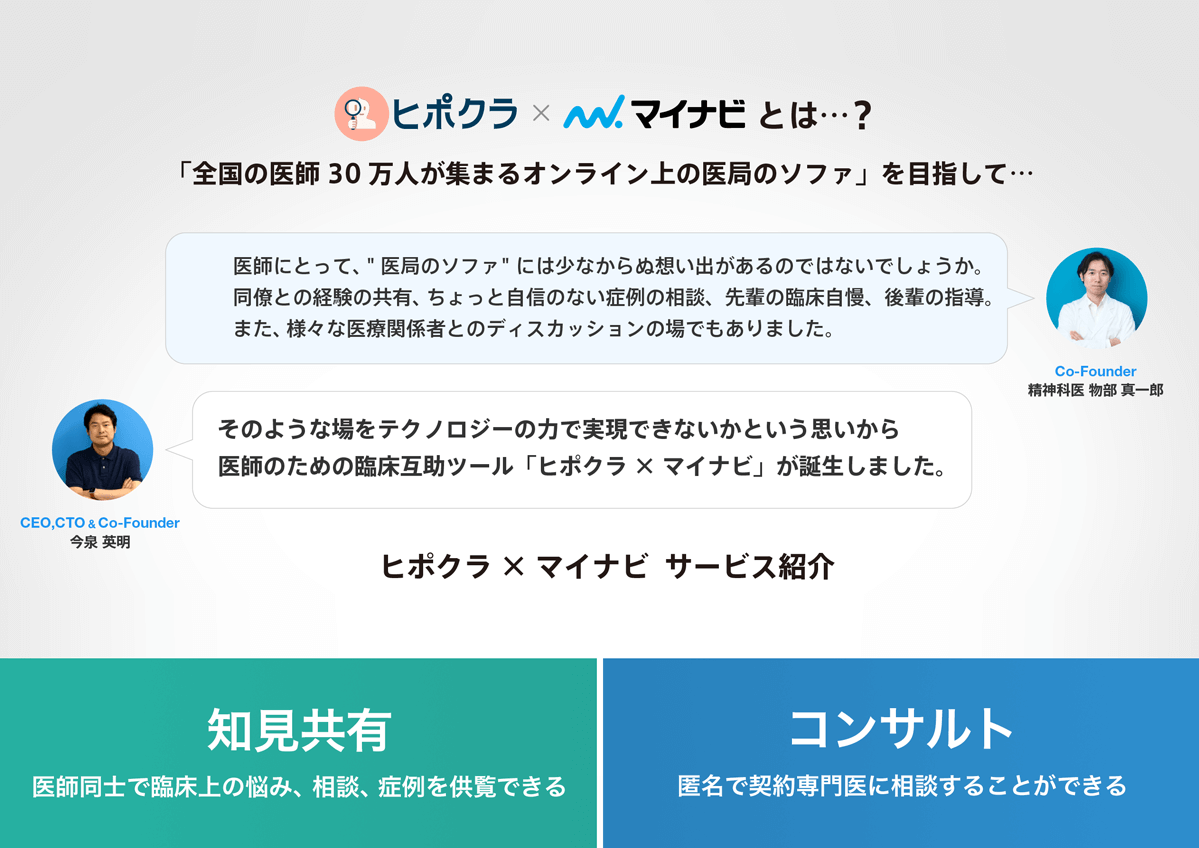
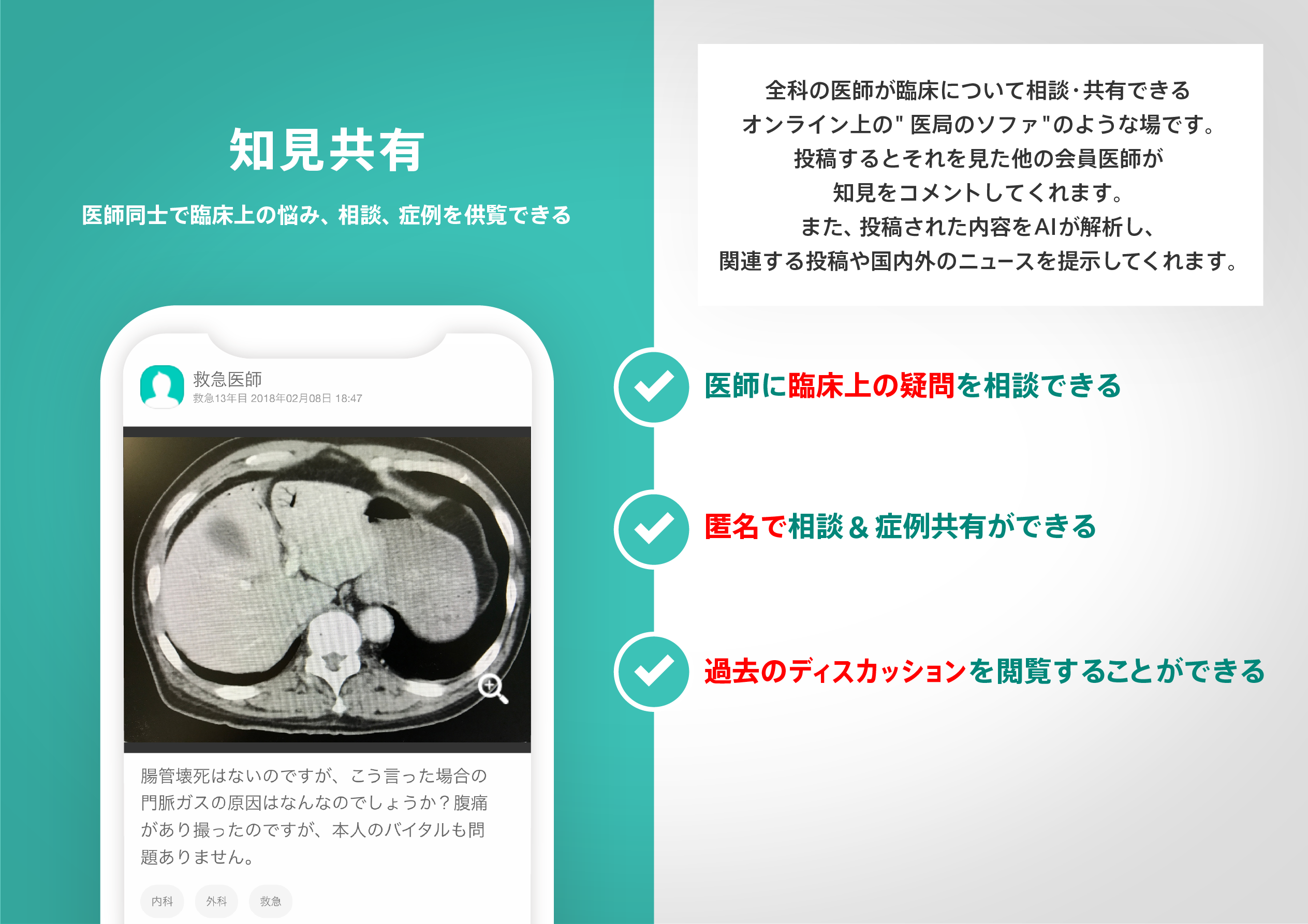
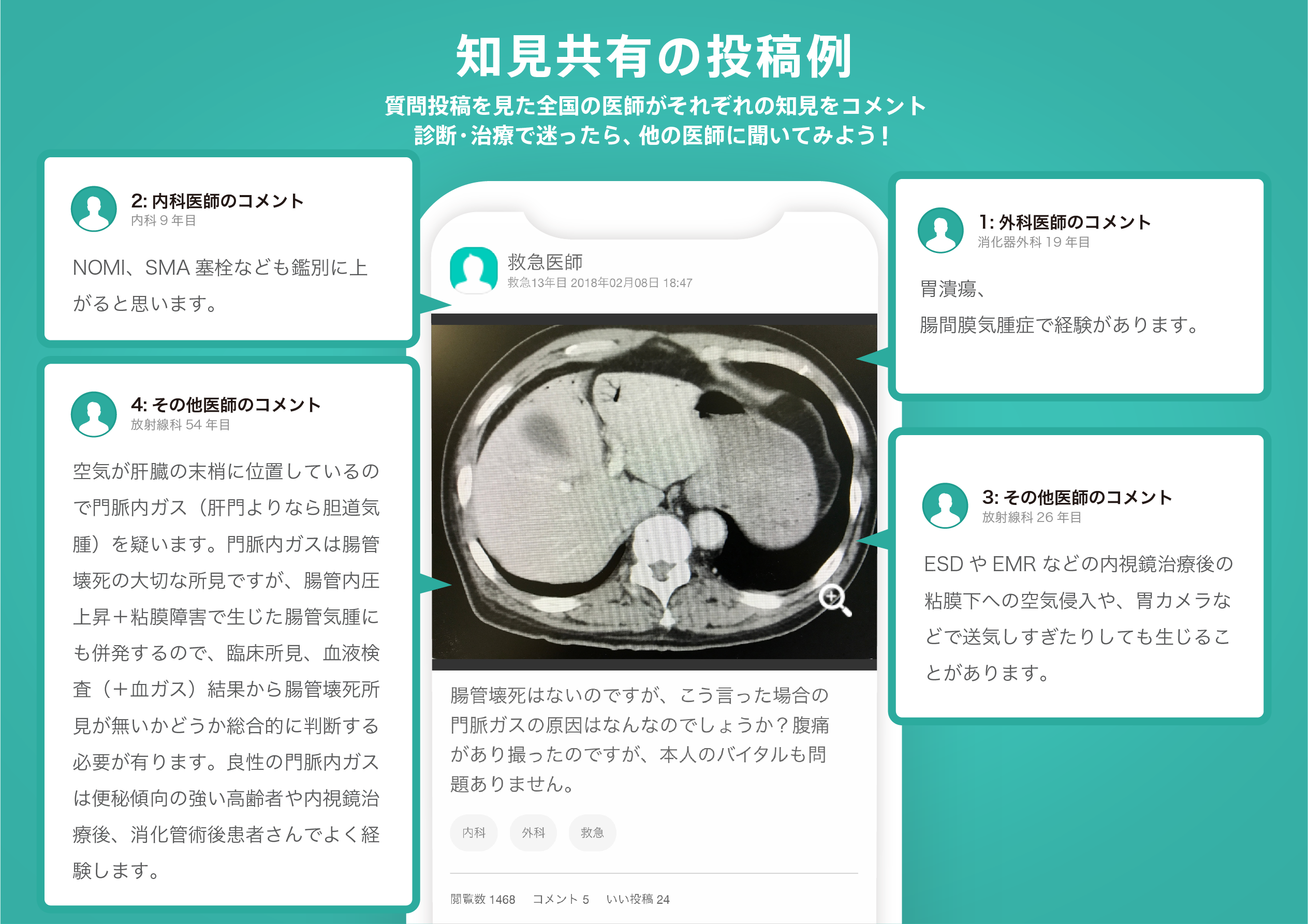
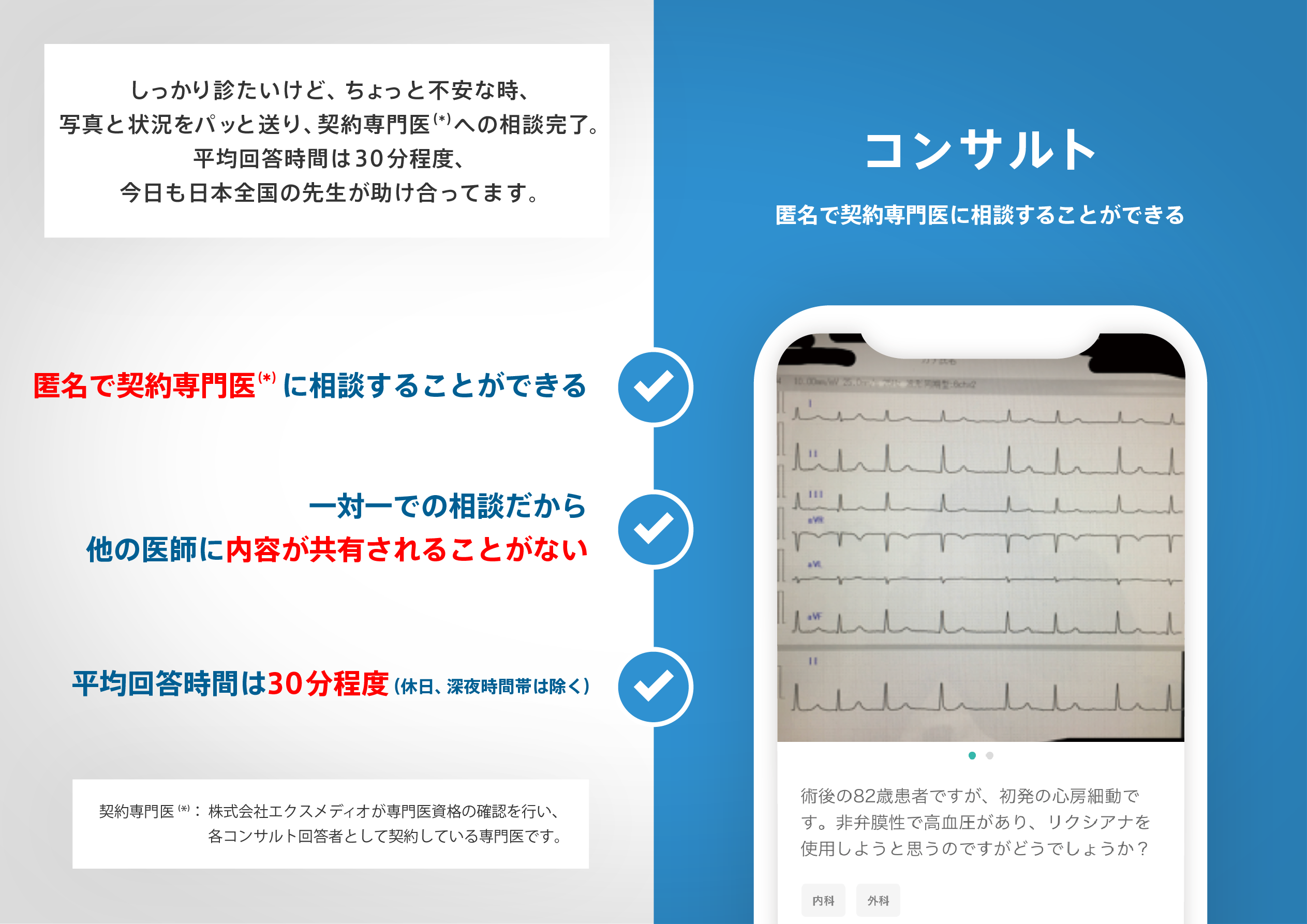
ヒポクラ x マイナビのご紹介

無料会員登録していただくと、さらに便利で効率的な検索が可能になります。