著名医師による解説が無料で読めます
すると翻訳の精度が向上します
食物や飲料水のマイクロプラスチックは、経口暴露を通じて人体に入ることができ、人間の健康に潜在的な健康リスクをもたらします。マイクロプラスチックの毒性効果に関するほとんどの研究は、水生生物に焦点を当てていますが、胃腸消化中のマイクロプラスチックの物理化学的特性とその潜在的な毒性に対するヒト消化環境の影響はしばしば限られています。この研究では、消化路酵素の活性と立体構造に関する消化管タンパク質(α-アミラーゼ、ペプシン、およびトリプシン)の間の相互作用の影響、および塩化ポリブリドマイクロプラスト(PVC-MPS)の物理化学的特性を最初に研究しました。その後、シミュレートされた消化アッセイを実施して、消化管におけるPVC-MPの生体内変化とPVC-MPの腸毒性を決定しました。in vitro実験は、消化酵素のタンパク質構造と活性が、マイクロプラスチックによる吸着後に変化したことを示しました。消化後、PVC-MPの静的接触角が減少し、PVC-MPの親水性が増加し、生物の可動性が向上することを示しています。細胞実験により、消化プロセス後のPVC-MPSの物理化学的特性の変化は、細胞の摂取、細胞生存率、細胞膜の完全性、反応性酸素種レベル、ミトコンドリア膜電位など、その細胞毒性にも影響することが示されました。トランスクリプトーム分析により、消化治療後のPVC-MPの生体毒性効果の向上がさらに確認されました。したがって、生体摂取中のマイクロプラスチックと消化管タンパク質の相互作用により、マイクロプラスチックの生態学的リスクが過小評価される可能性があります。
食物や飲料水のマイクロプラスチックは、経口暴露を通じて人体に入ることができ、人間の健康に潜在的な健康リスクをもたらします。マイクロプラスチックの毒性効果に関するほとんどの研究は、水生生物に焦点を当てていますが、胃腸消化中のマイクロプラスチックの物理化学的特性とその潜在的な毒性に対するヒト消化環境の影響はしばしば限られています。この研究では、消化路酵素の活性と立体構造に関する消化管タンパク質(α-アミラーゼ、ペプシン、およびトリプシン)の間の相互作用の影響、および塩化ポリブリドマイクロプラスト(PVC-MPS)の物理化学的特性を最初に研究しました。その後、シミュレートされた消化アッセイを実施して、消化管におけるPVC-MPの生体内変化とPVC-MPの腸毒性を決定しました。in vitro実験は、消化酵素のタンパク質構造と活性が、マイクロプラスチックによる吸着後に変化したことを示しました。消化後、PVC-MPの静的接触角が減少し、PVC-MPの親水性が増加し、生物の可動性が向上することを示しています。細胞実験により、消化プロセス後のPVC-MPSの物理化学的特性の変化は、細胞の摂取、細胞生存率、細胞膜の完全性、反応性酸素種レベル、ミトコンドリア膜電位など、その細胞毒性にも影響することが示されました。トランスクリプトーム分析により、消化治療後のPVC-MPの生体毒性効果の向上がさらに確認されました。したがって、生体摂取中のマイクロプラスチックと消化管タンパク質の相互作用により、マイクロプラスチックの生態学的リスクが過小評価される可能性があります。
Microplastics in food and drinking water can enter the human body through oral exposure, posing potential health risks to the human health. Most studies on the toxic effects of microplastics have focused on aquatic organisms, but the effects of the human digestive environment on the physicochemical properties of microplastics and their potential toxicity during gastrointestinal digestion are often limited. In this study, we first studied the influence of interactions between digestive tract protein (α-amylase, pepsin, and trypsin) and microplastics on the activity and conformation of digestive enzymes, and the physicochemical properties of polyvinyl chloride microplastics (PVC-MPs). Subsequently, a simulated digestion assay was performed to determine the biotransformation of PVC-MPs in the digestive tract and the intestinal toxicity of PVC-MPs. The in vitro experiments showed that the protein structure and activity of digestive enzymes were changed after adsorption by microplastics. After digestion, the static contact angle of PVC-MPs was decreased, indicating that the hydrophilicity of the PVC-MPs increased, which will increase its mobility in organisms. Cell experiment showed that the altered physicochemical property of PVC-MPs after digestion process also affect its cytotoxicity, including cellular uptake, cell viability, cell membrane integrity, reactive oxygen species levels, and mitochondrial membrane potential. Transcriptome analyses further confirmed the enhanced biotoxic effect of PVC-MPs after digestion treatment. Therefore, the ecological risk of microplastics may be underestimated owing to the interactions of microplastics and digestive tract protein during biological ingestion.
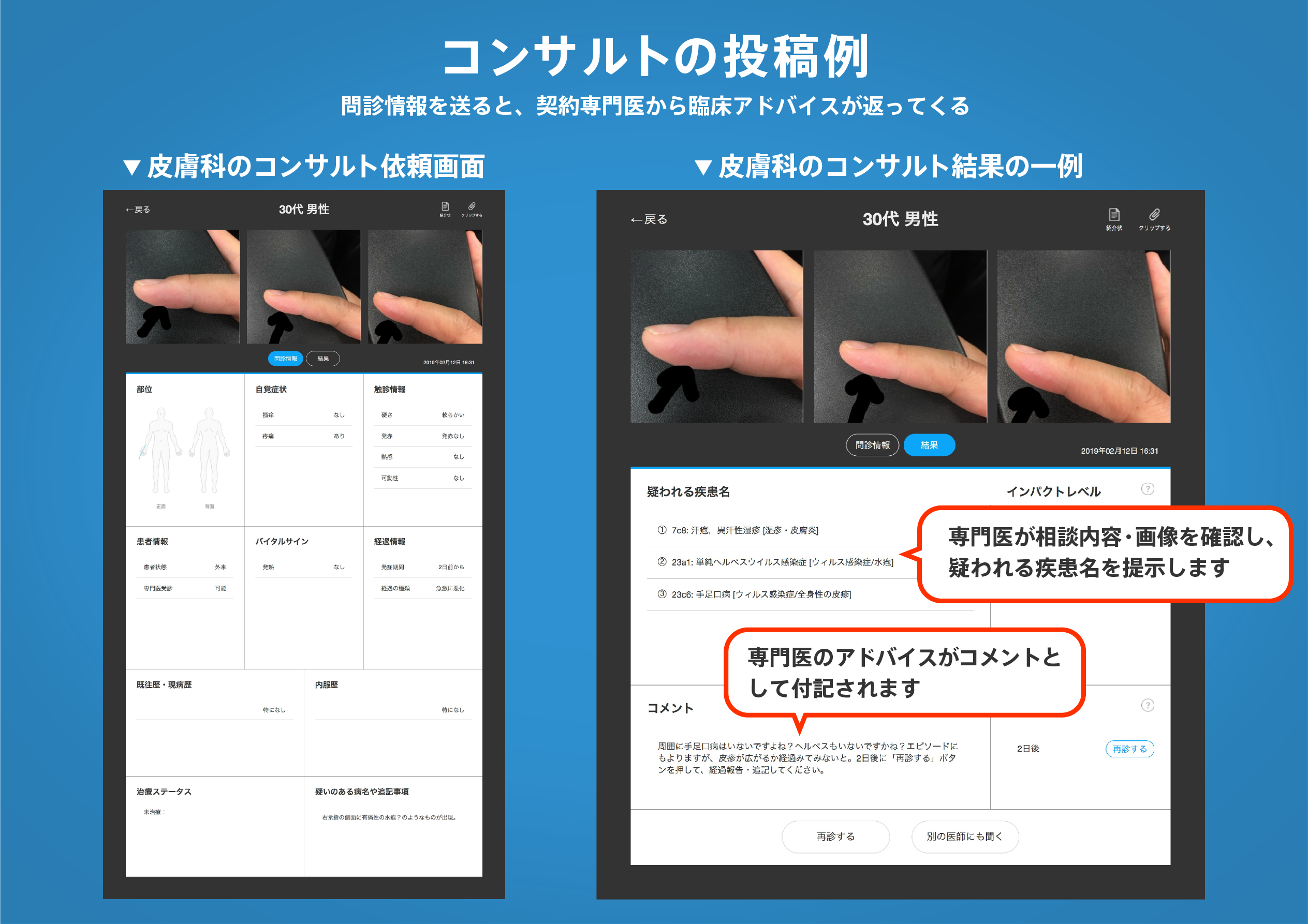
医師のための臨床サポートサービス
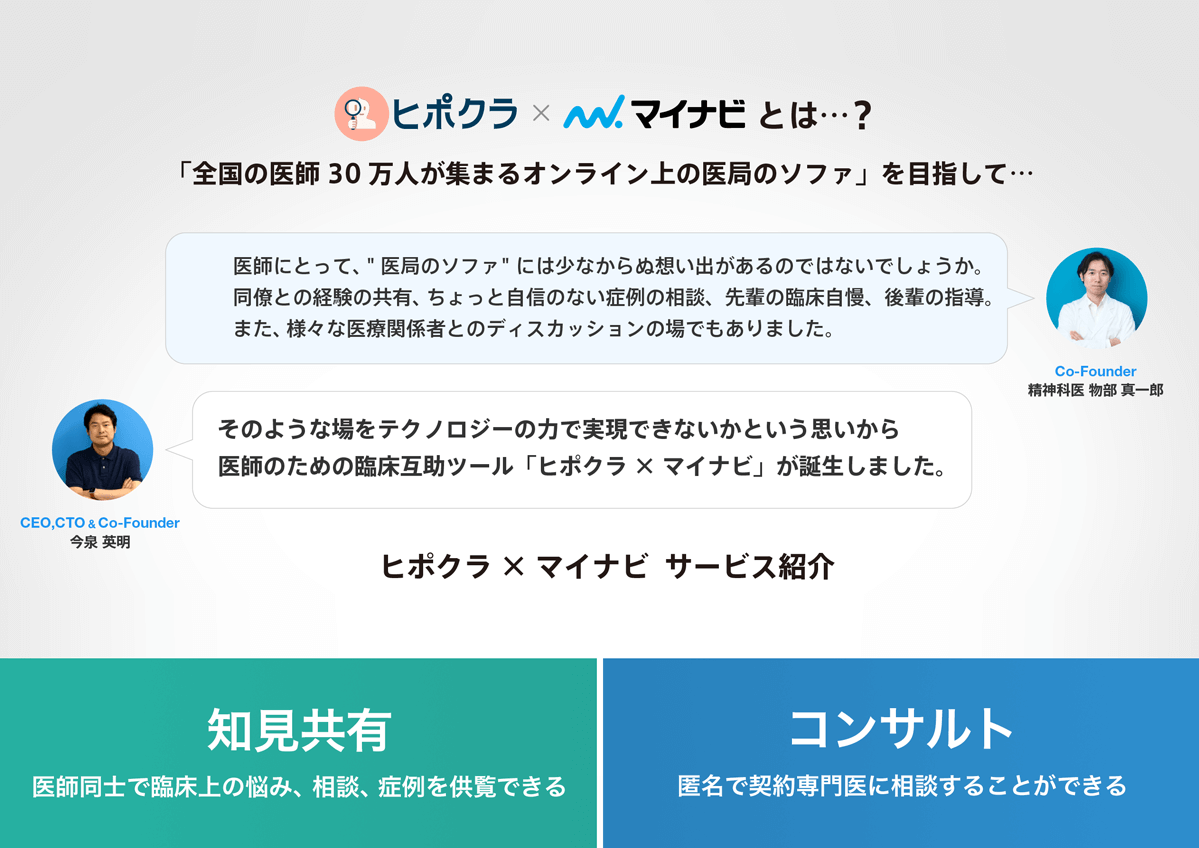
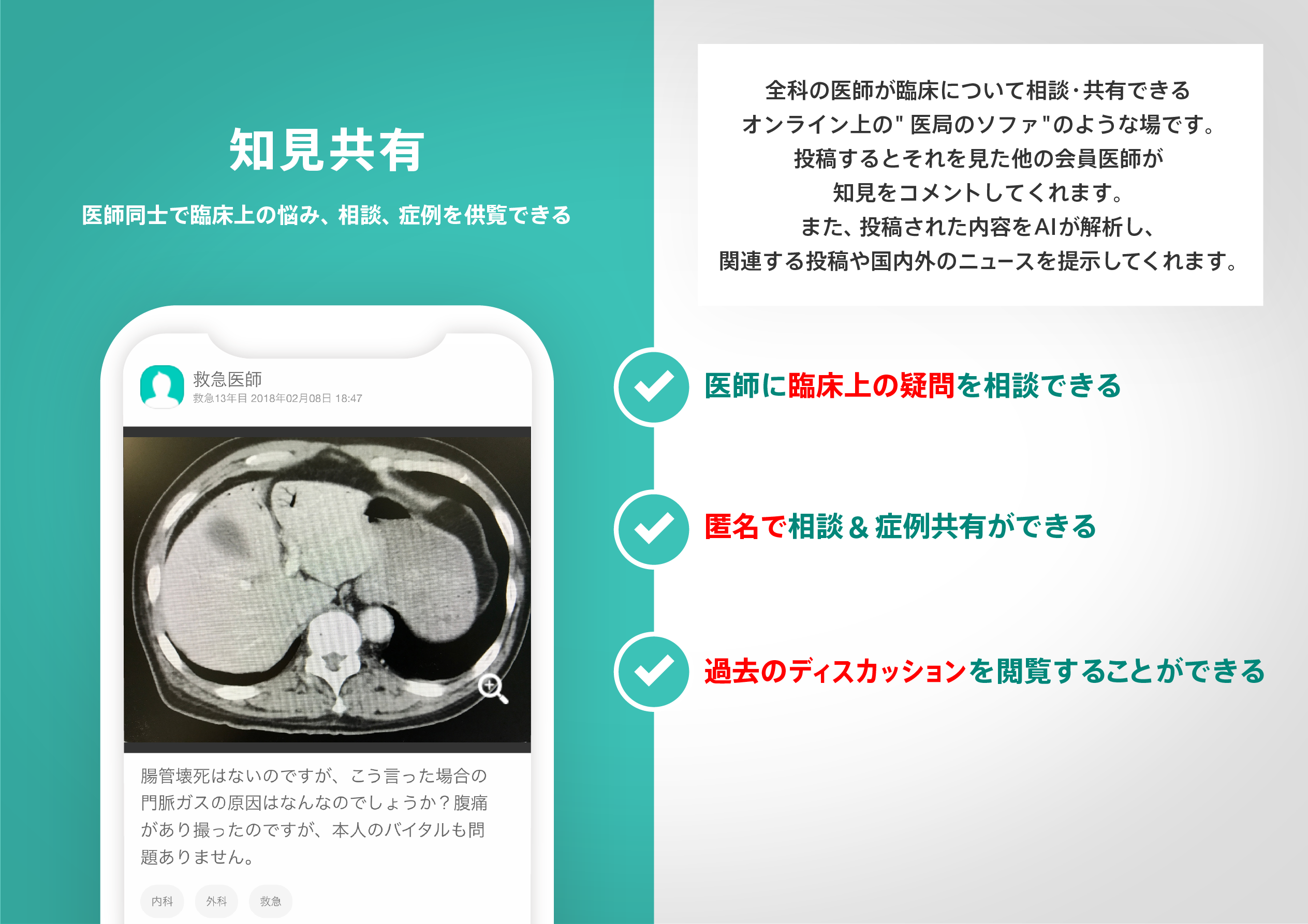
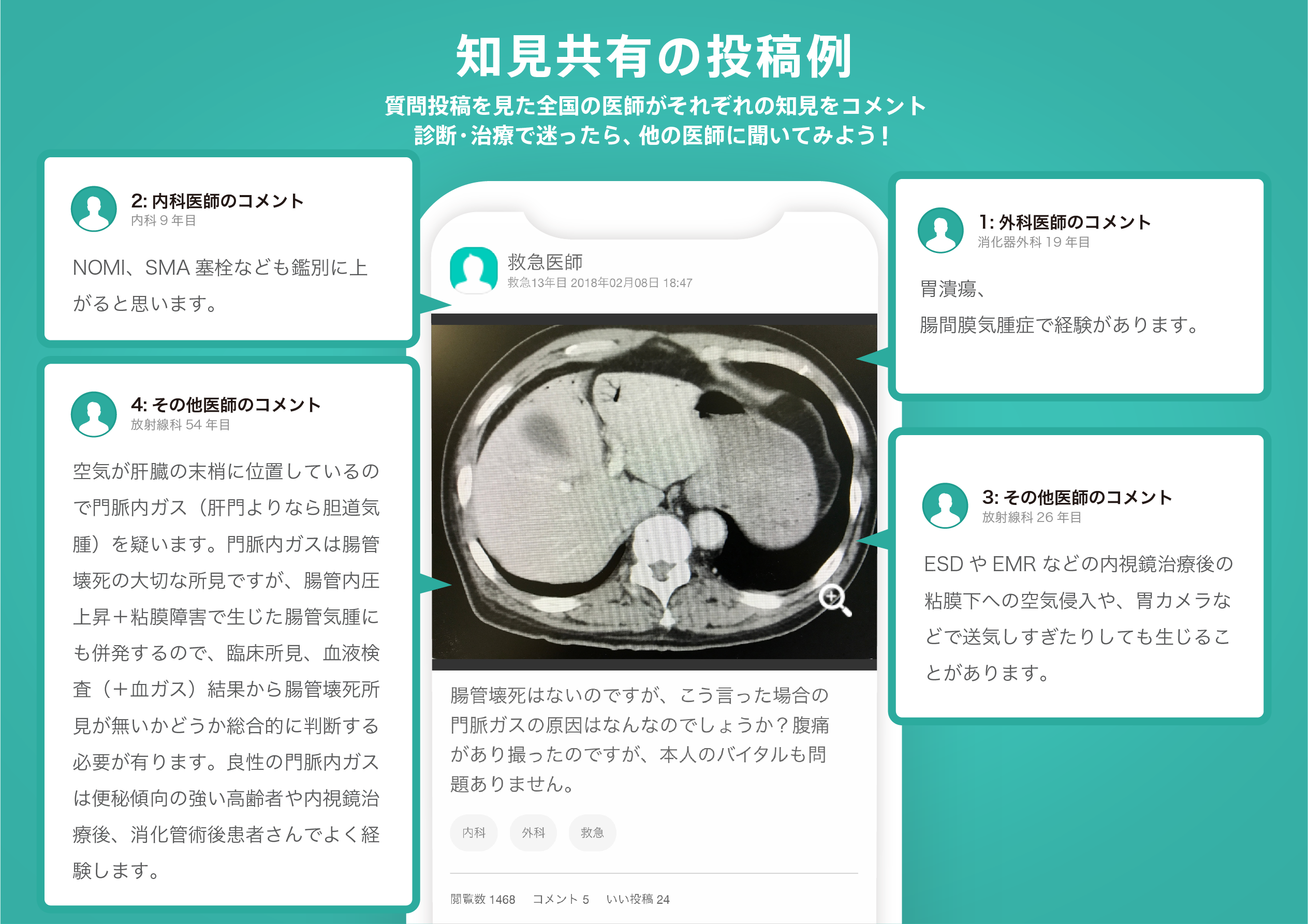
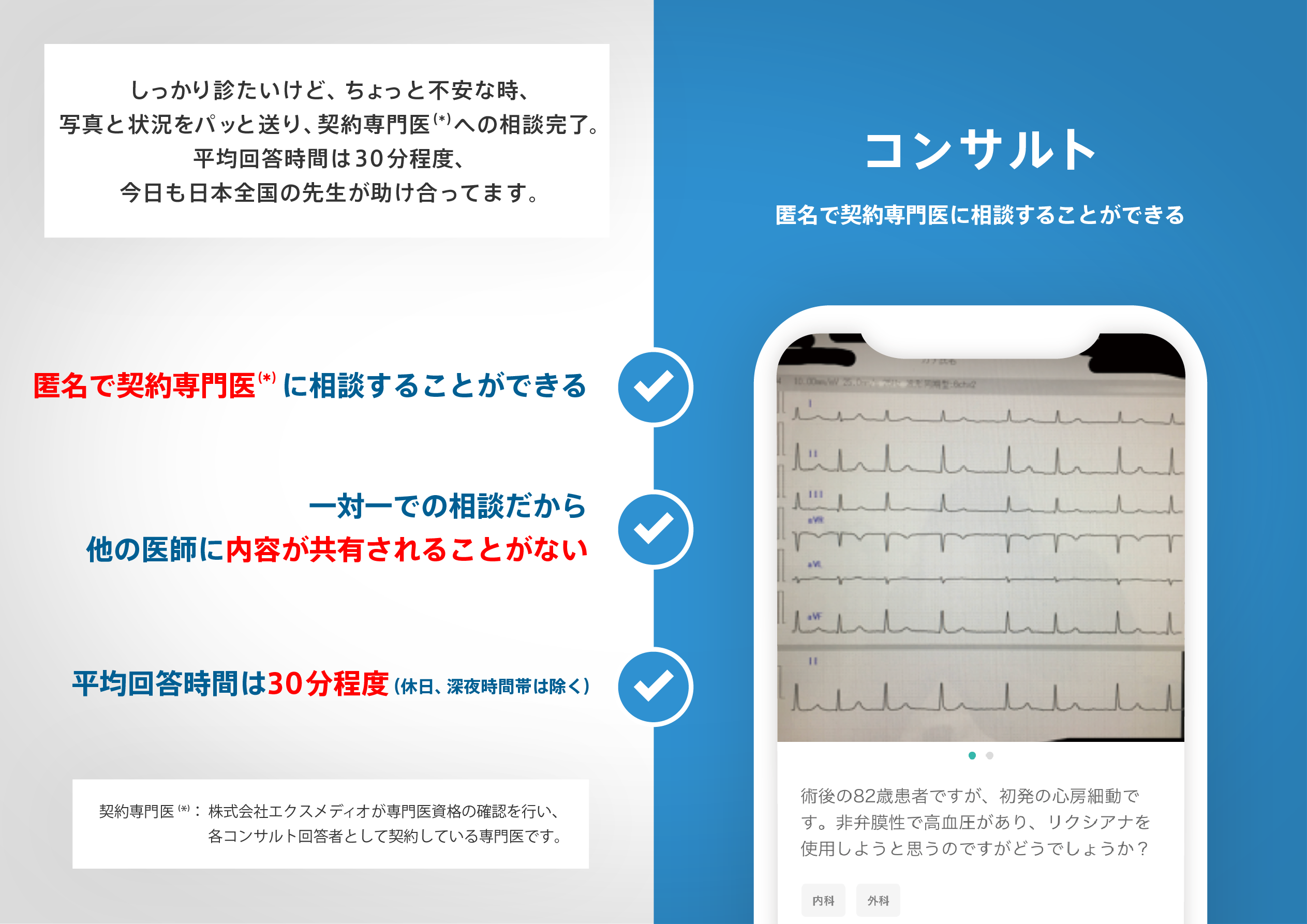
ヒポクラ x マイナビのご紹介

無料会員登録していただくと、さらに便利で効率的な検索が可能になります。