著名医師による解説が無料で読めます
すると翻訳の精度が向上します
背景:病院の到着時にショック可能なリズムを持つ院外心停止(OHCA)患者におけるアミオダロンの異なる効果に関する研究の報告はほとんどありません。本研究の目的は、病院の到着時にショック可能なリズムを持つOHCA患者の臨床的不均一性を調査し、機械学習アプローチを使用してアミオダロンに対する異なる反応を持つサブグループを特定することを目的としています。 方法:この研究のために、日本の急性医学協会の日本の全国OHCAレジストリを使用しました。病院の到着時にショック可能なリズムを持つOHCA患者のデータが分析に含まれていました。主な結果は、30日間の好ましい神経学的結果でした。ロジスティック尤度損失を伴う重み付け方法によるスコアリングシステムを開発し、30日間の神経学的転帰と生存の観点からアミオダロンの異なる効果を示す患者サブグループを特定しました。 結果:レジストリにおけるOHCAの68,111症例のうち、病院の到着時に初期ショック可能なリズムを持つ2333 OHCA患者のデータが分析されました。開発されたスコアは、より高い年齢、救急医療サービスへの呼び出しと病院の到着との間のより長い間隔、「証人」の欠如、病院の到着前の除細動、病院の到着時の低体温、入院前のエピネフリン投与の変数としてのエピネフリン投与を特定しましたアミオダロンの有益な効果と有意に関連しています。開発されたスコアリングシステムの結果に基づいて、患者の47%(1107/2333)はアミオダロン政権から大きな恩恵を受けると考えられていましたが、患者の53%(1226/2333)はアミオダロン投与の恩恵を受けていないと考えられていました。30日間の神経学的転帰に対するアミオダロンの効果は、開発されたスコア(または相互作用:1.07 [95%信頼区間(CI):0.99-1.13]、p = 0.005)によって特定されたサブグループの間で大きく異なりました。 結論:30日間の神経学的結果に関してアミオダロンの投与から恩恵を受けるかどうかの恩恵を受けるかどうかに役立つかどうかにかかわらず、病院の到着時の初期ショック可能なリズムを持つOHCA患者を区別できるモデルを成功裏に開発しました。Amiodaroneに対する反応に関して、ショック可能なリズムを持つOHCA患者の間で臨床的な不均一性がありました。
背景:病院の到着時にショック可能なリズムを持つ院外心停止(OHCA)患者におけるアミオダロンの異なる効果に関する研究の報告はほとんどありません。本研究の目的は、病院の到着時にショック可能なリズムを持つOHCA患者の臨床的不均一性を調査し、機械学習アプローチを使用してアミオダロンに対する異なる反応を持つサブグループを特定することを目的としています。 方法:この研究のために、日本の急性医学協会の日本の全国OHCAレジストリを使用しました。病院の到着時にショック可能なリズムを持つOHCA患者のデータが分析に含まれていました。主な結果は、30日間の好ましい神経学的結果でした。ロジスティック尤度損失を伴う重み付け方法によるスコアリングシステムを開発し、30日間の神経学的転帰と生存の観点からアミオダロンの異なる効果を示す患者サブグループを特定しました。 結果:レジストリにおけるOHCAの68,111症例のうち、病院の到着時に初期ショック可能なリズムを持つ2333 OHCA患者のデータが分析されました。開発されたスコアは、より高い年齢、救急医療サービスへの呼び出しと病院の到着との間のより長い間隔、「証人」の欠如、病院の到着前の除細動、病院の到着時の低体温、入院前のエピネフリン投与の変数としてのエピネフリン投与を特定しましたアミオダロンの有益な効果と有意に関連しています。開発されたスコアリングシステムの結果に基づいて、患者の47%(1107/2333)はアミオダロン政権から大きな恩恵を受けると考えられていましたが、患者の53%(1226/2333)はアミオダロン投与の恩恵を受けていないと考えられていました。30日間の神経学的転帰に対するアミオダロンの効果は、開発されたスコア(または相互作用:1.07 [95%信頼区間(CI):0.99-1.13]、p = 0.005)によって特定されたサブグループの間で大きく異なりました。 結論:30日間の神経学的結果に関してアミオダロンの投与から恩恵を受けるかどうかの恩恵を受けるかどうかに役立つかどうかにかかわらず、病院の到着時の初期ショック可能なリズムを持つOHCA患者を区別できるモデルを成功裏に開発しました。Amiodaroneに対する反応に関して、ショック可能なリズムを持つOHCA患者の間で臨床的な不均一性がありました。
BACKGROUND: There are few reports of studies on the differential effects of amiodarone among out-of-hospital cardiac arrest (OHCA) patients with a shockable rhythm at hospital arrival. The present study aimed to investigate the clinical heterogeneity of OHCA patients with a shockable rhythm upon hospital arrival and to identify subgroups with differential responses to amiodarone, using a machine learning approach. METHODS: We used the Japanese nationwide OHCA registry of the Japanese Association for Acute Medicine for this study; data from OHCA patients with a shockable rhythm at hospital arrival were included in the analyses. The primary outcome was a favorable neurological outcome at 30 days. We developed a scoring system by the weighting method with logistic likelihood loss to identify patient subgroups showing differential effects of amiodarone from the point of view of the neurological outcome and survival at 30 days. RESULTS: Among the 68,111 cases of OHCA in the registry, the data of 2333 OHCA patients with an initial shockable rhythm at hospital arrival were analyzed. The developed score identified higher age, longer interval between the call to the emergency medical service and hospital arrival, absence of a "witness", no defibrillation prior to hospital arrival, hypothermia at hospital arrival, and pre-hospital epinephrine administration as variables that were significantly associated with a beneficial effect of amiodarone. Based on the results of the developed scoring system, 47% (1107/2333) of the patients were considered to greatly benefit from amiodarone administration, whereas 53% (1226/2333) of patients were considered to not benefit from amiodarone administration. The effect of amiodarone on the neurological outcome at 30 days varied significantly among the subgroups identified by the developed score ( OR interaction : 1.07 [95% confidence interval (CI): 0.99-1.13], p = 0.005). CONCLUSIONS: We successfully developed a model that could discriminate between OHCA patients with an initial shockable rhythm at hospital arrival who would benefit or not benefit from the administration of amiodarone in terms of the neurological outcome at 30 days. There was clinical heterogeneity among OHCA patients with a shockable rhythm in terms of their response to amiodarone.
医師のための臨床サポートサービス
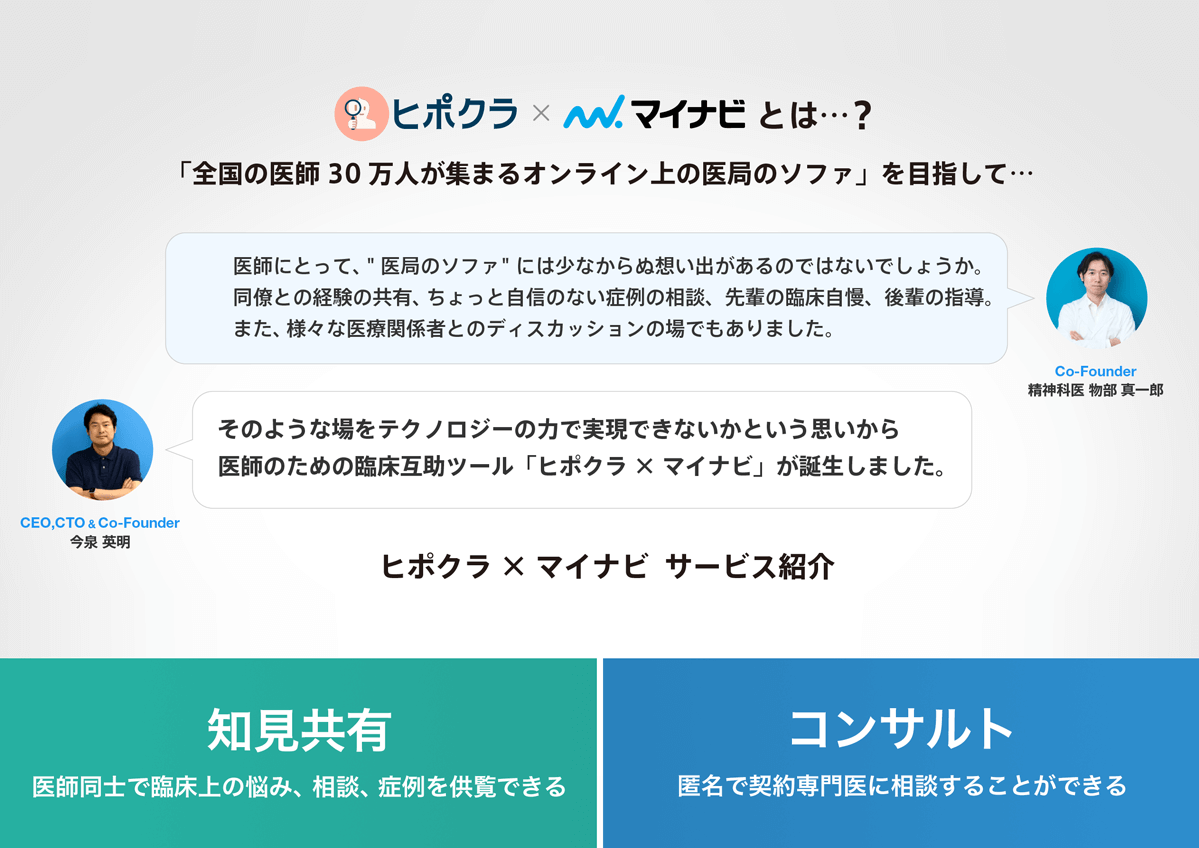
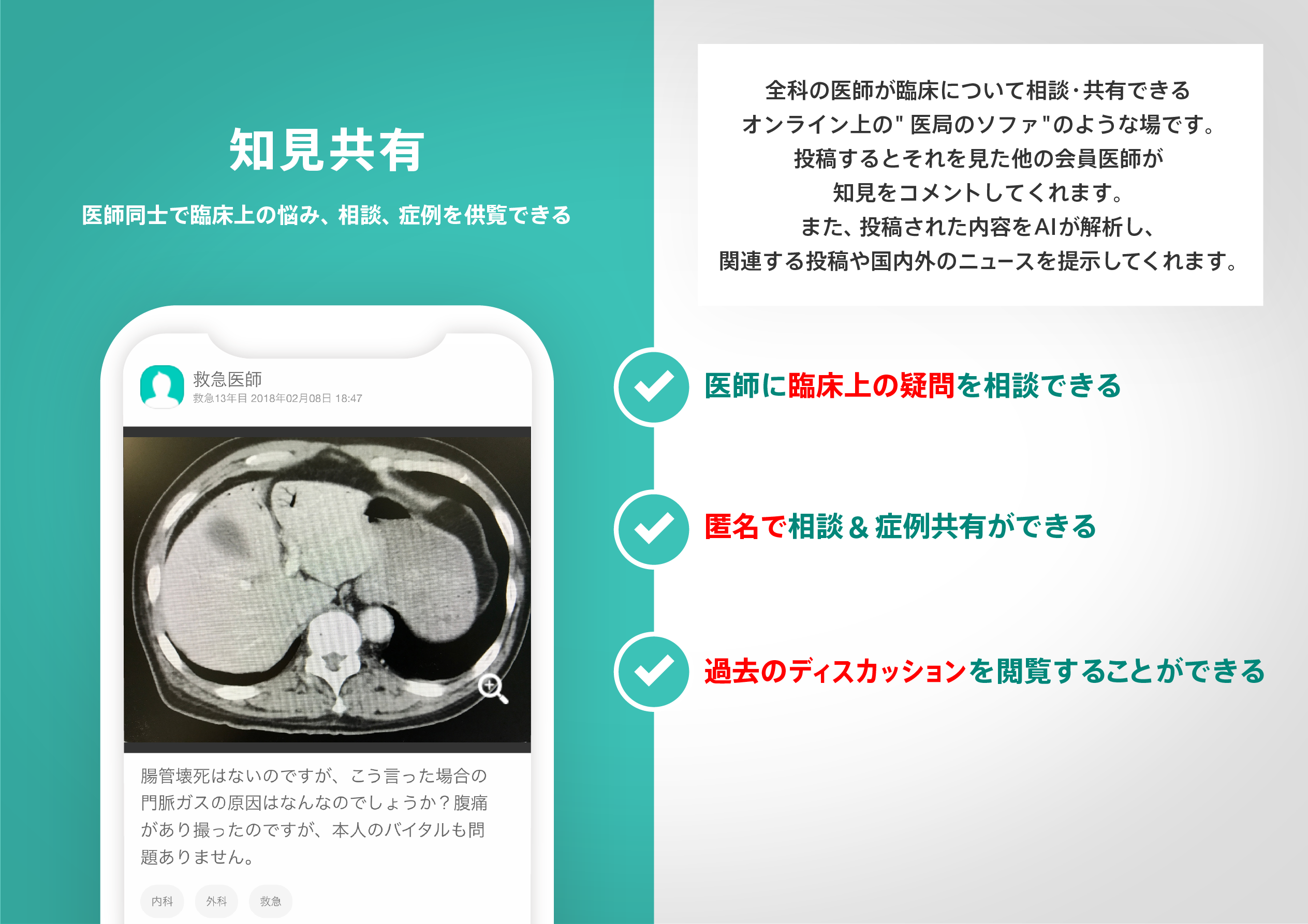
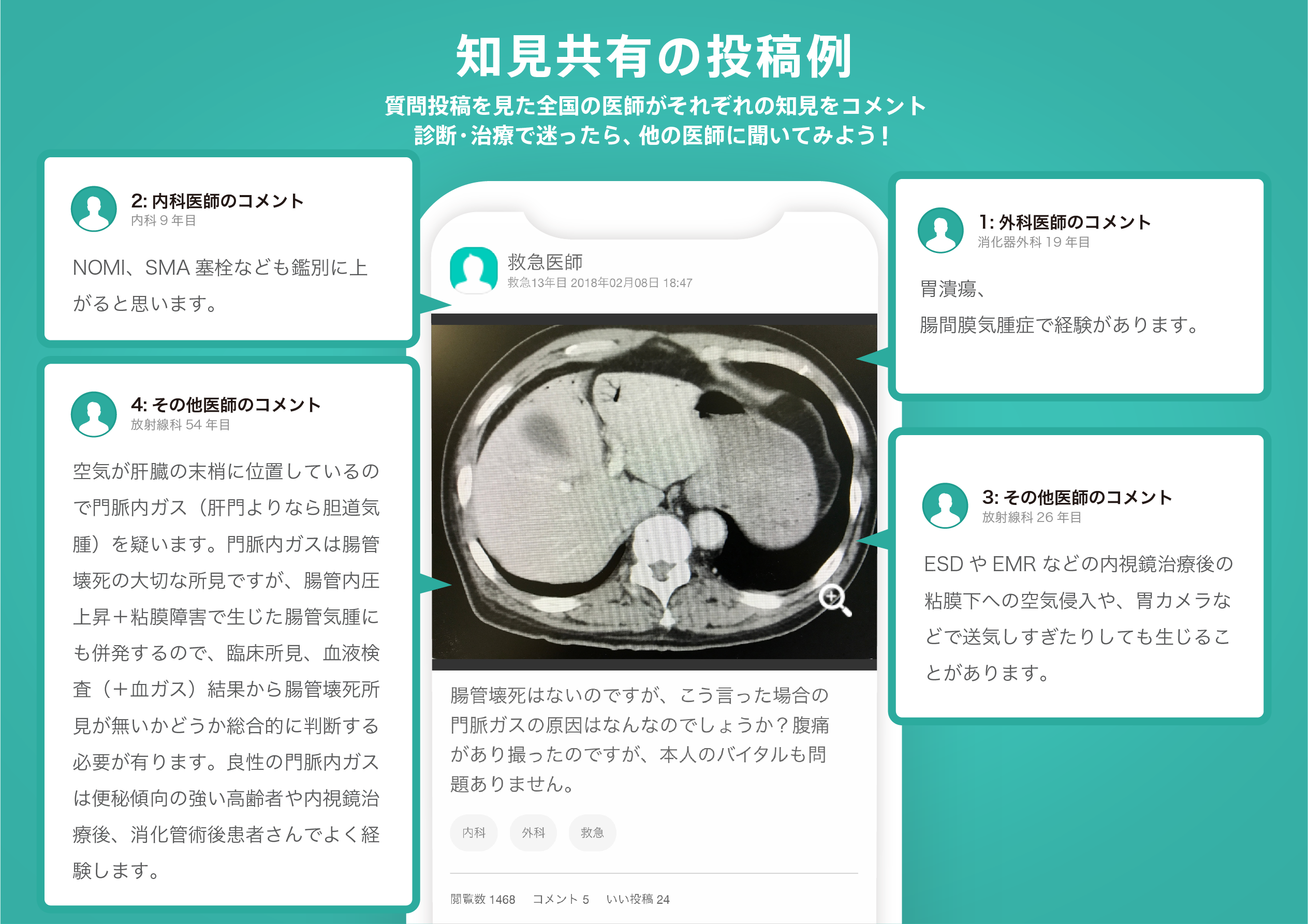
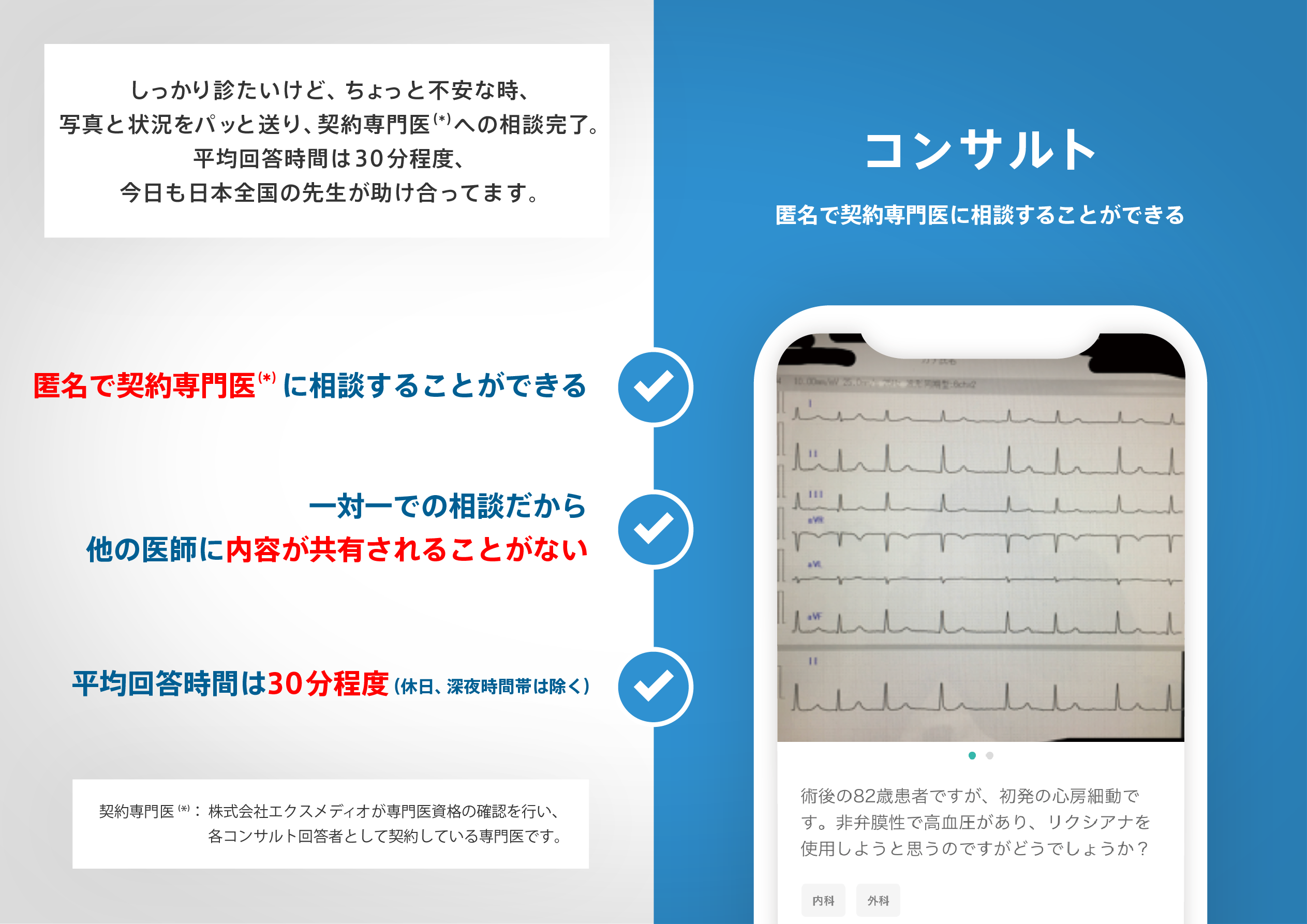
ヒポクラ x マイナビのご紹介

無料会員登録していただくと、さらに便利で効率的な検索が可能になります。