背景: 自殺企図のリスクを軽減する効果的な治療法は開発されているが、患者の自殺リスクが自殺治療の過程で安定しつつある可能性を示す兆候は十分に理解されていない。この研究では、治療期間中の自殺リスクと回復力のプロセスの力学が、治療中に自殺を試みた人と自殺を図らなかった人を区別するかどうかを調べた。 方法:参加者は、ランダム化臨床試験の一環として、自殺に焦点を当てた治療を最大12セッション完了した成人であった。毎週の調査により、最後の治療セッション以降の自殺リスクと回復力の変数、および自殺企図が評価されました。分析では、治療期間中の単一リスク指標の進行を調べました (n = 70)。動的システム モデルを使用して、特異値分解とベクトル自己回帰マルチレベル モデルを使用して、治療の最初と最後の 30 日間における治療中の未遂(n = 12)グループと治療中の非未遂(n = 45)グループの症状のダイナミクスを比較しました。 結果: 非未遂者グループの参加者は、治療期間中、自殺モードのダイナミクスの安定性が増加したことを示しました。興味深いことに、自殺未遂者のグループでは安定性に大きな変化は観察されませんでした。さらに、これらのグループの動態の違いは治療の最初の 30 日間に現れ、これは治療反応の初期の兆候を示す可能性があります。 考察:これらの結果は、治療の過程で自殺リスクネットワークがどのように変化するかについての既存の理論と一致しており、自殺リスクの安定化の指標を特定する研究にとって重要な意味を持つ。
背景: 自殺企図のリスクを軽減する効果的な治療法は開発されているが、患者の自殺リスクが自殺治療の過程で安定しつつある可能性を示す兆候は十分に理解されていない。この研究では、治療期間中の自殺リスクと回復力のプロセスの力学が、治療中に自殺を試みた人と自殺を図らなかった人を区別するかどうかを調べた。 方法:参加者は、ランダム化臨床試験の一環として、自殺に焦点を当てた治療を最大12セッション完了した成人であった。毎週の調査により、最後の治療セッション以降の自殺リスクと回復力の変数、および自殺企図が評価されました。分析では、治療期間中の単一リスク指標の進行を調べました (n = 70)。動的システム モデルを使用して、特異値分解とベクトル自己回帰マルチレベル モデルを使用して、治療の最初と最後の 30 日間における治療中の未遂(n = 12)グループと治療中の非未遂(n = 45)グループの症状のダイナミクスを比較しました。 結果: 非未遂者グループの参加者は、治療期間中、自殺モードのダイナミクスの安定性が増加したことを示しました。興味深いことに、自殺未遂者のグループでは安定性に大きな変化は観察されませんでした。さらに、これらのグループの動態の違いは治療の最初の 30 日間に現れ、これは治療反応の初期の兆候を示す可能性があります。 考察:これらの結果は、治療の過程で自殺リスクネットワークがどのように変化するかについての既存の理論と一致しており、自殺リスクの安定化の指標を特定する研究にとって重要な意味を持つ。
BACKGROUND: Although efficacious treatments that reduce suicide attempt risk have been developed, signatures that indicate that a patient's suicide risk may be stabilizing over the course of treatment for suicide are not well understood. This study examined whether dynamics in suicide risk and resilience processes over the course of treatment differentiated individuals who did versus did not attempt suicide while in treatment. METHOD: Participants were adults who completed up to 12 sessions of suicide-focused therapy as part of a randomized clinical trial. Weekly surveys assessed suicide risk and resilience variables and suicide attempts since the last therapy session. Analyses examined progression of single risk indicators over the course of treatment (n = 70). Dynamical systems models were used to compare symptom dynamics for attempt while in treatment (n = 12) and non-attempt while in treatment (n = 45) groups in the first and last 30 days of treatment using singular value decomposition and vector autoregressive multilevel models. RESULTS: Participants in the non-attempters group showed increasing stability in suicidal mode dynamics over the course of treatment. Interestingly, there were no significant changes in stability observed for the suicide attempters group. Moreover, differences in the dynamics of these groups emerged in the first 30 days of treatment, potentially indicative of an early signature of treatment response. DISCUSSION: These results are consistent with extant theory about how suicide risk networks should change over the course of therapy and have important implications for research to identify indicators of suicide risk stabilization.
医師のための臨床サポートサービス
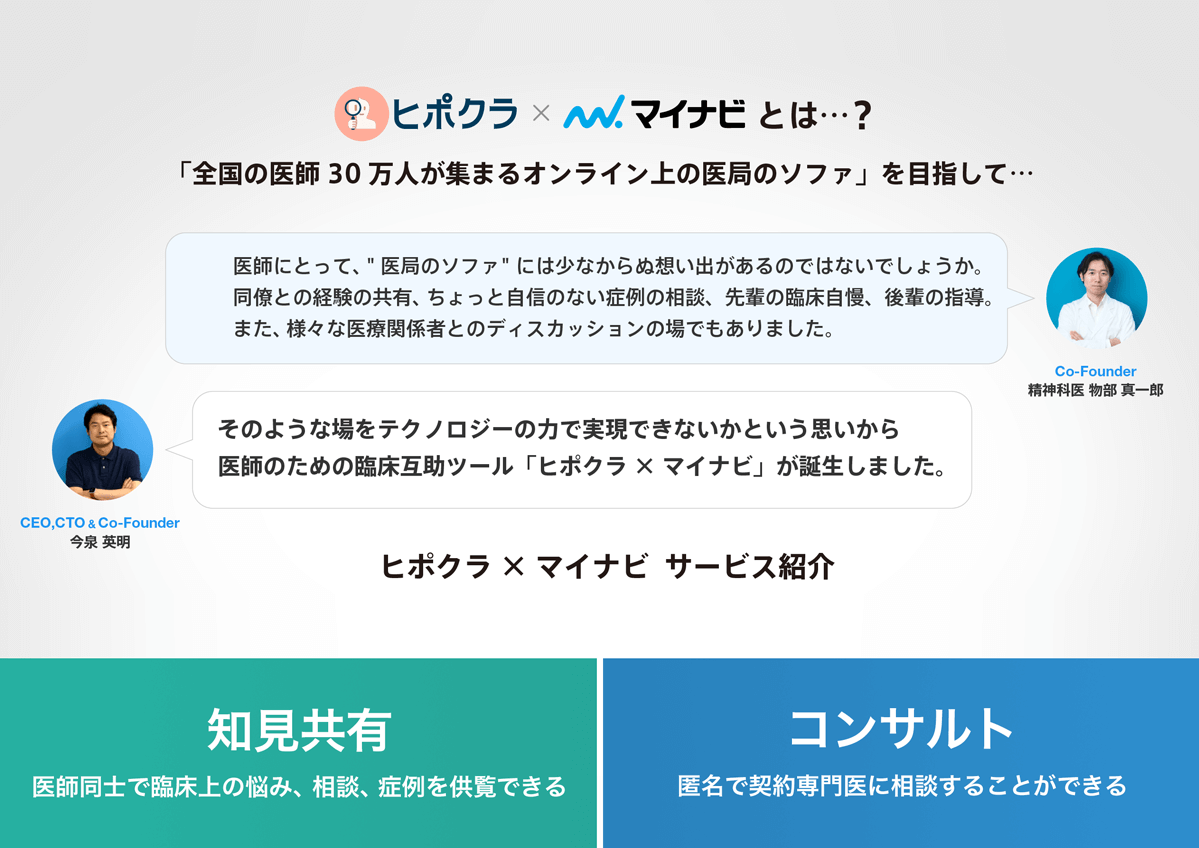
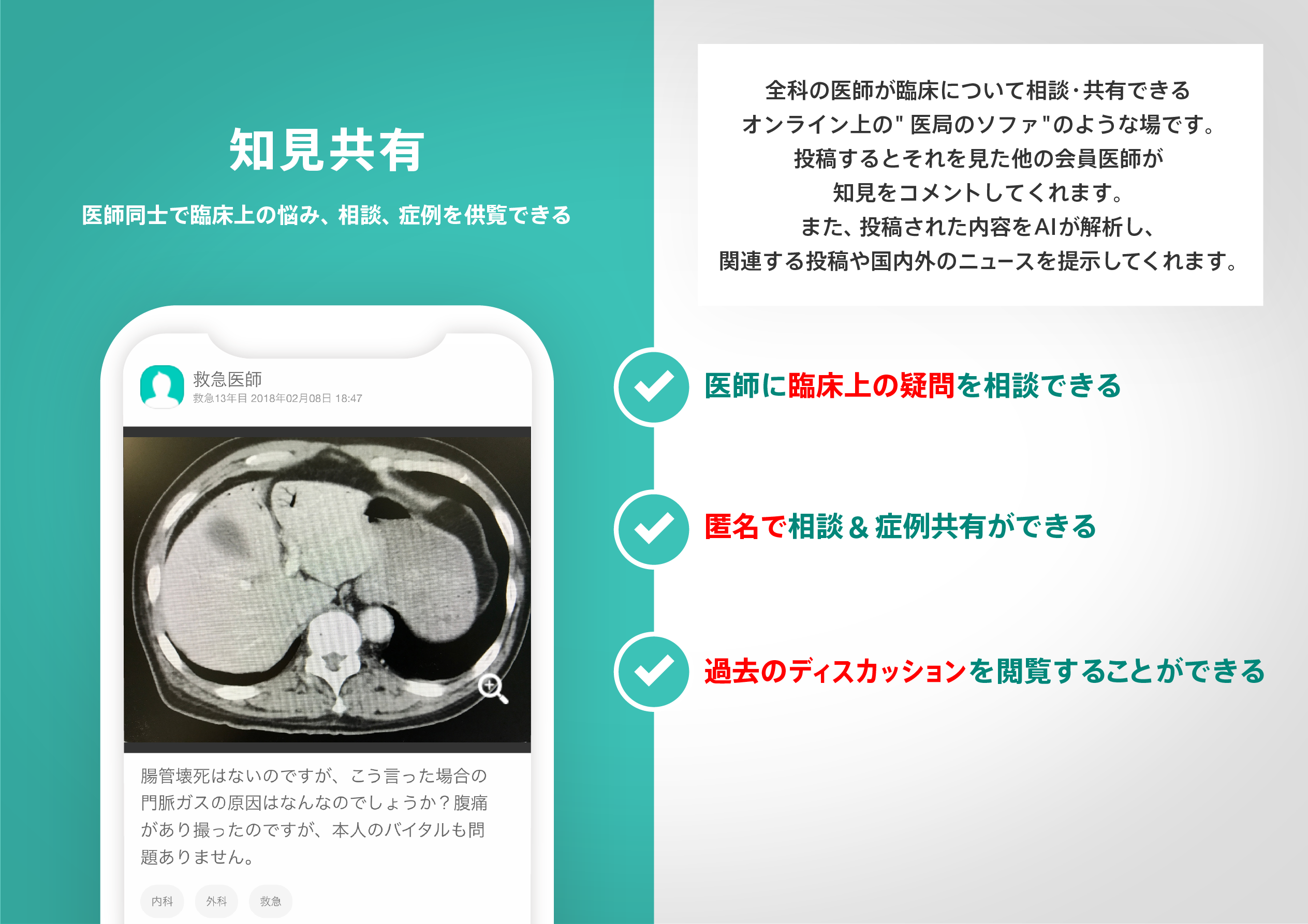
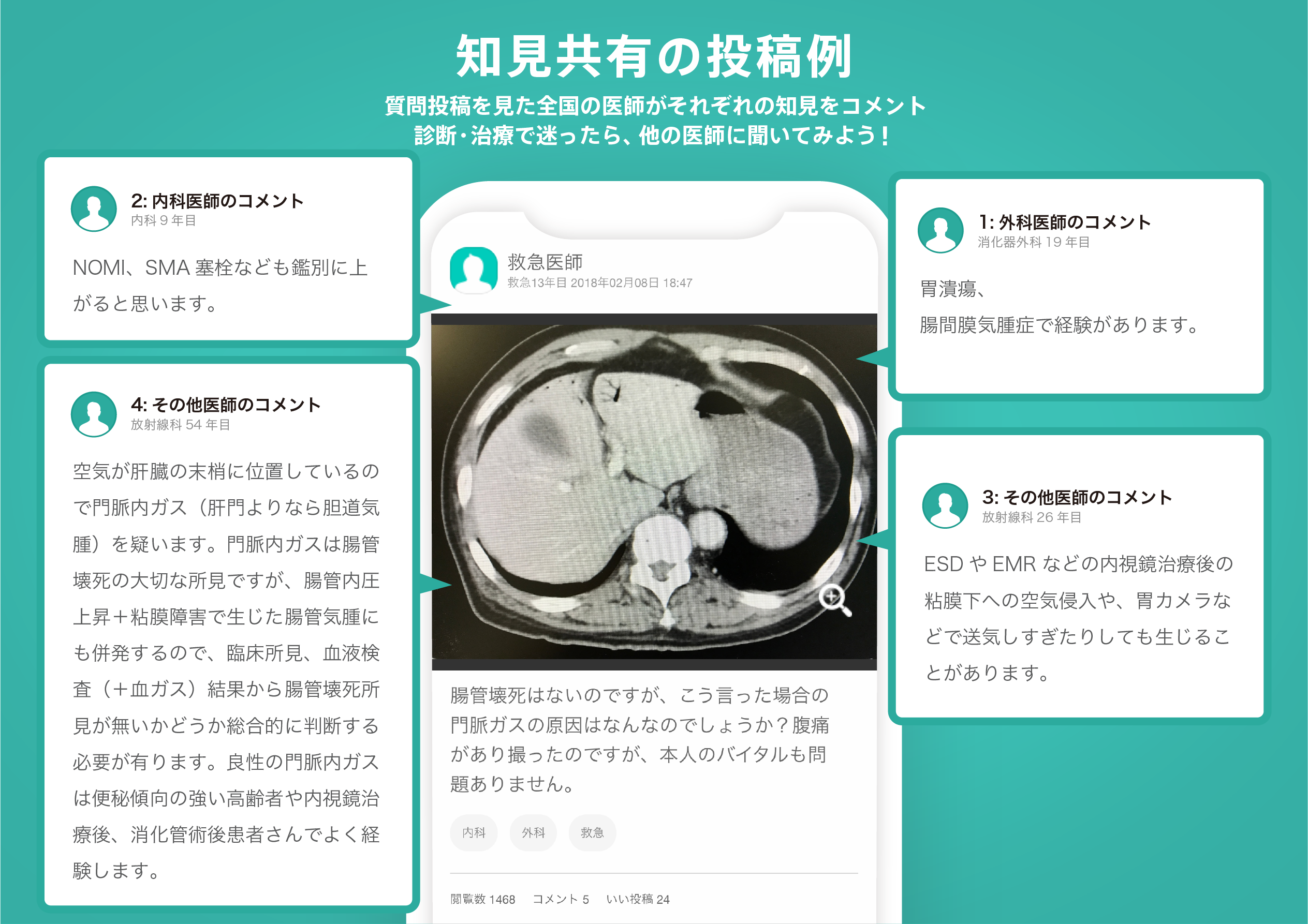
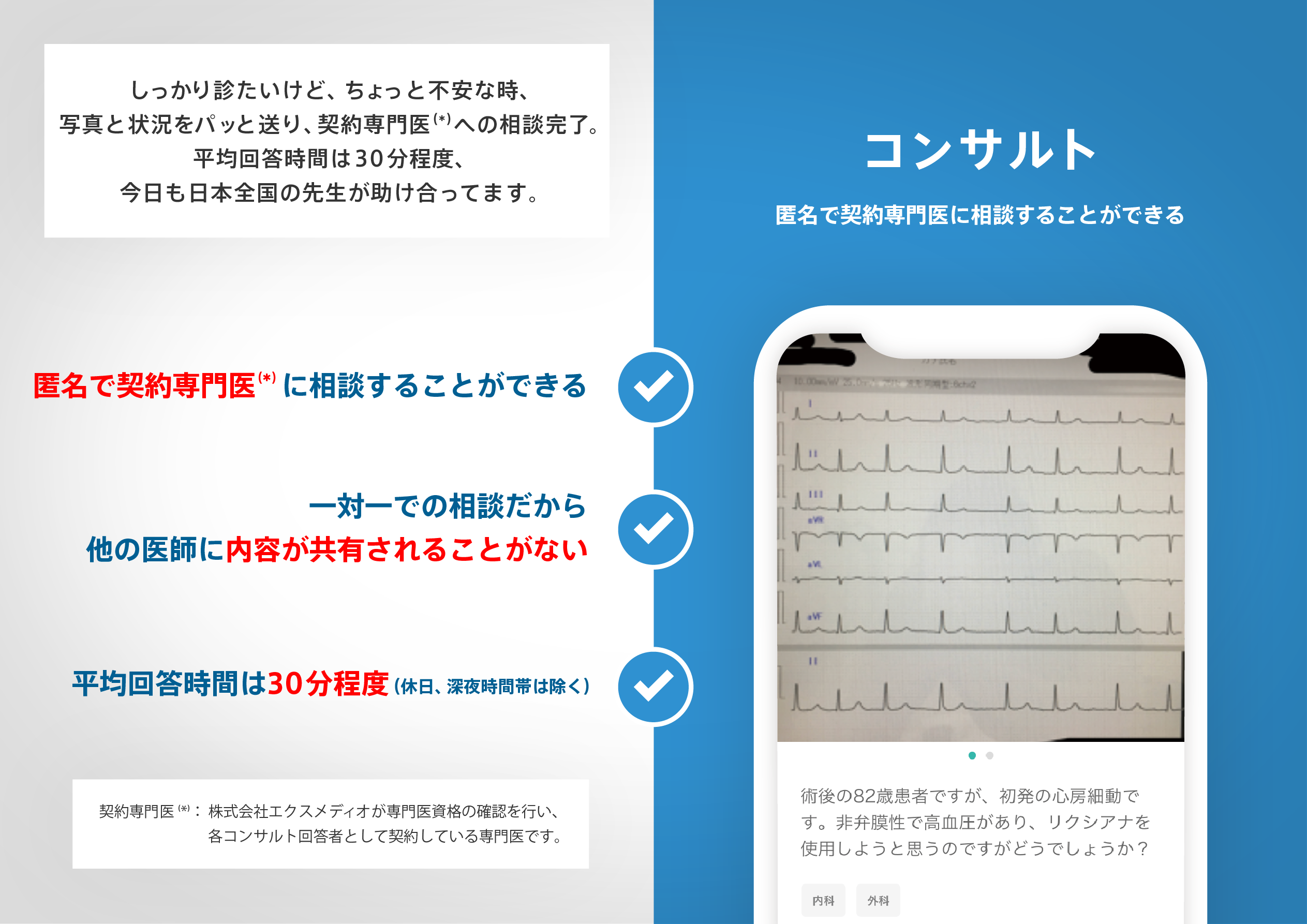
ヒポクラ x マイナビのご紹介

無料会員登録していただくと、さらに便利で効率的な検索が可能になります。