GLP-1 受容体作動薬セマグルチドは、2 型糖尿病および慢性腎臓病の患者の腎機能を維持しますが、根本的なメカニズムは不明です。今回我々は、2型糖尿病および慢性腎臓病の参加者を対象とした、セマグルチド1 mgを週1回皮下投与する52週間のランダム化試験とプラセボを比較した52週間のランダム化試験を報告する(n = 106(n = 女性n = 25人、男性n = 81人))。セマグルチドの腎臓特異的な作用機序を特定するために、腎臓の統合マルチパラメトリック磁気共鳴イメージングと組織学のための生検 (n = 33) を、治療前と治療後のペアのサンプルに対して単核 (n = 22) および空間トランスクリプトミクス (n = 13) と並行して実行しました。共鳴磁気共鳴画像法による結果 (R2* による酸素化、T1 マッピングによる全体的な灌流および組織炎症) は、セマグルチド治療とプラセボ治療によって有意に変化しませんでした。副次的結果では、セマグルチド治療がプラセボと比較して、腎動脈抵抗指数の大幅な低下と見かけの拡散係数の安定化に関連しており、線維症の進行の予防を示していることが明らかになりました。さらに、二次トランスクリプトーム結果により、糸球体内皮細胞に対するセマグルチドの顕著な効果が明らかになり、これらの内皮細胞の近傍にある免疫細胞の数の減少を示す空間分析の結果と一致しています。この試験の結果は、セマグルチドによる腎臓保護のメカニズムには、血管抵抗の低下、線維化の予防、内皮細胞の健康を促進する根本的な分子プログラムの改善が含まれる可能性があることを示しています。ClinicalTrials.gov 識別子: NCT04865770 。
GLP-1 受容体作動薬セマグルチドは、2 型糖尿病および慢性腎臓病の患者の腎機能を維持しますが、根本的なメカニズムは不明です。今回我々は、2型糖尿病および慢性腎臓病の参加者を対象とした、セマグルチド1 mgを週1回皮下投与する52週間のランダム化試験とプラセボを比較した52週間のランダム化試験を報告する(n = 106(n = 女性n = 25人、男性n = 81人))。セマグルチドの腎臓特異的な作用機序を特定するために、腎臓の統合マルチパラメトリック磁気共鳴イメージングと組織学のための生検 (n = 33) を、治療前と治療後のペアのサンプルに対して単核 (n = 22) および空間トランスクリプトミクス (n = 13) と並行して実行しました。共鳴磁気共鳴画像法による結果 (R2* による酸素化、T1 マッピングによる全体的な灌流および組織炎症) は、セマグルチド治療とプラセボ治療によって有意に変化しませんでした。副次的結果では、セマグルチド治療がプラセボと比較して、腎動脈抵抗指数の大幅な低下と見かけの拡散係数の安定化に関連しており、線維症の進行の予防を示していることが明らかになりました。さらに、二次トランスクリプトーム結果により、糸球体内皮細胞に対するセマグルチドの顕著な効果が明らかになり、これらの内皮細胞の近傍にある免疫細胞の数の減少を示す空間分析の結果と一致しています。この試験の結果は、セマグルチドによる腎臓保護のメカニズムには、血管抵抗の低下、線維化の予防、内皮細胞の健康を促進する根本的な分子プログラムの改善が含まれる可能性があることを示しています。ClinicalTrials.gov 識別子: NCT04865770 。
The GLP-1 receptor agonist semaglutide preserves kidney function in people with type 2 diabetes and chronic kidney disease, but the underlying mechanisms are unclear. Here we report a 52-week randomized trial of subcutaneous semaglutide 1 mg once weekly versus placebo (n = 106 (n = 25 women, n = 81 men)) in participants with type 2 diabetes and chronic kidney disease. To identify kidney-specific mechanisms of action for semaglutide, we performed integrated multiparametric magnetic resonance imaging of the kidney and biopsy for histology (n = 33), alongside single-nucleus (n = 22) and spatial transcriptomics (n = 13) on paired samples with before- and after-treatment measurements. Coprimary magnetic resonance imaging outcomes (oxygenation by R2*, global perfusion and tissue inflammation by T1 mapping) were not significantly altered by semaglutide versus placebo treatment. Secondary outcomes revealed that semaglutide treatment, as compared to placebo, was associated with a significantly reduced renal artery resistive index and stabilization of the apparent diffusion coefficient, indicating prevention of fibrosis progression. Moreover, secondary transcriptomic outcomes revealed pronounced effects of semaglutide on glomerular endothelial cells, consistent with the results of spatial analyses indicating reduced numbers of immune cells in the proximity of these endothelial cells. The results from this trial indicate that mechanisms of kidney protection by semaglutide may include reduced vascular resistance, prevention of fibrosis and improved underlying molecular programs promoting endothelial cell health. ClinicalTrials.gov identifier: NCT04865770 .
医師のための臨床サポートサービス
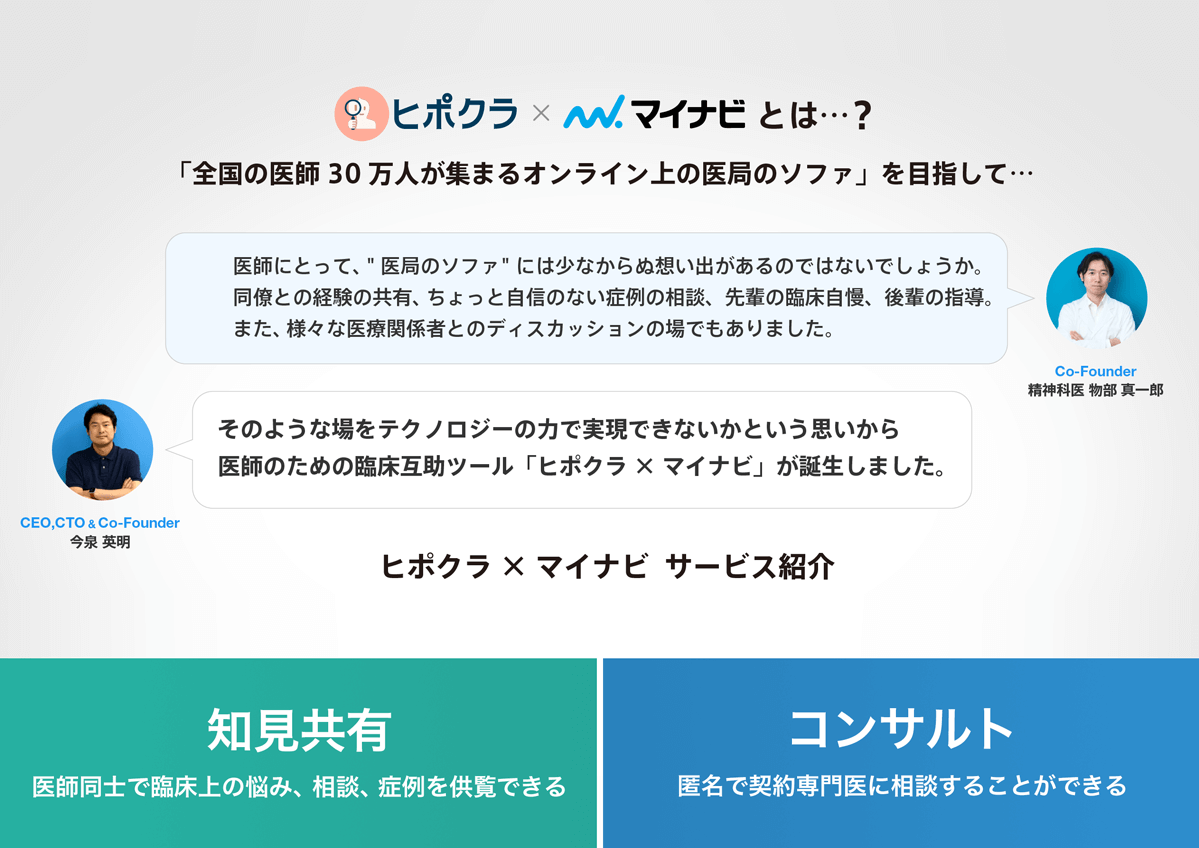
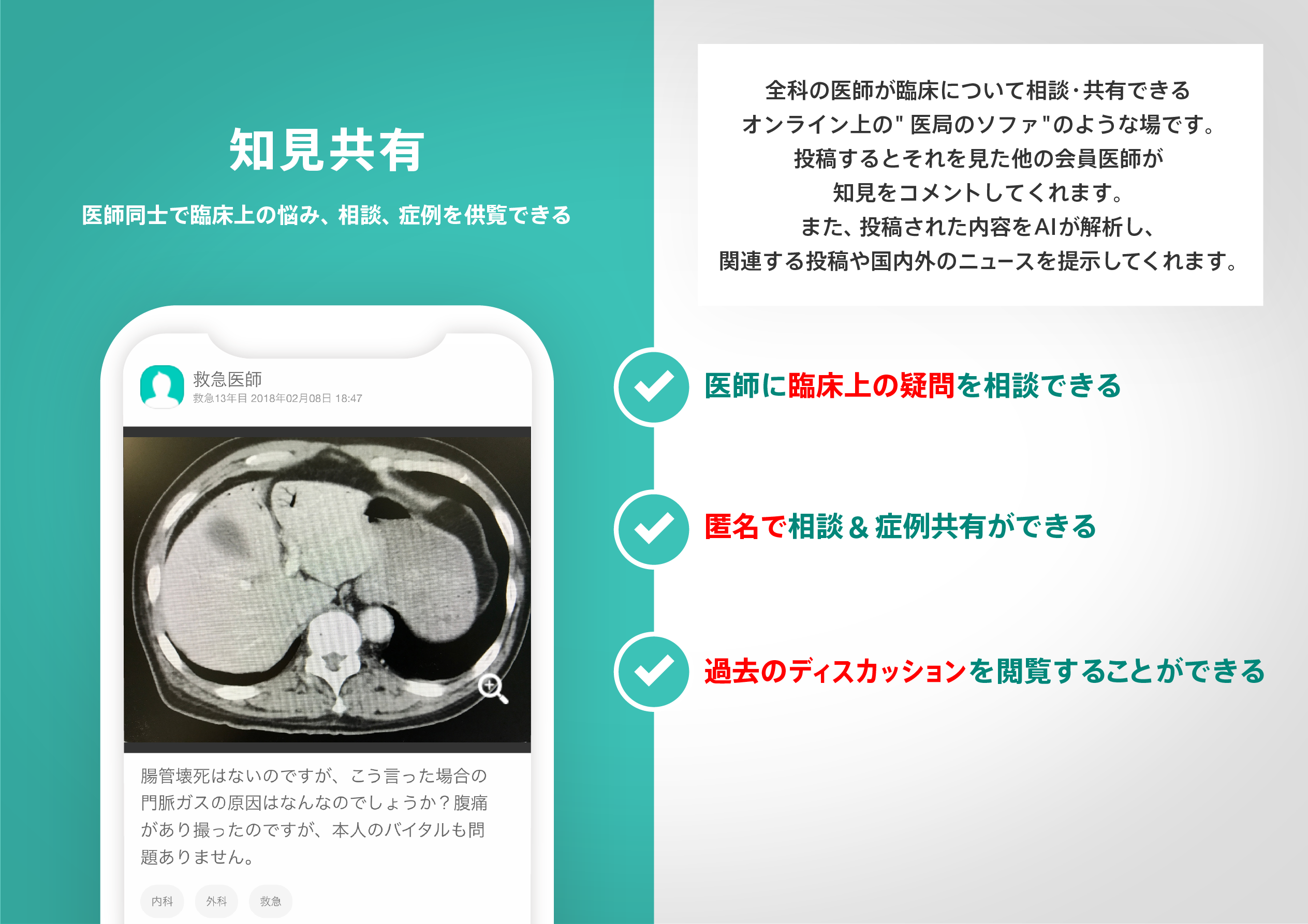
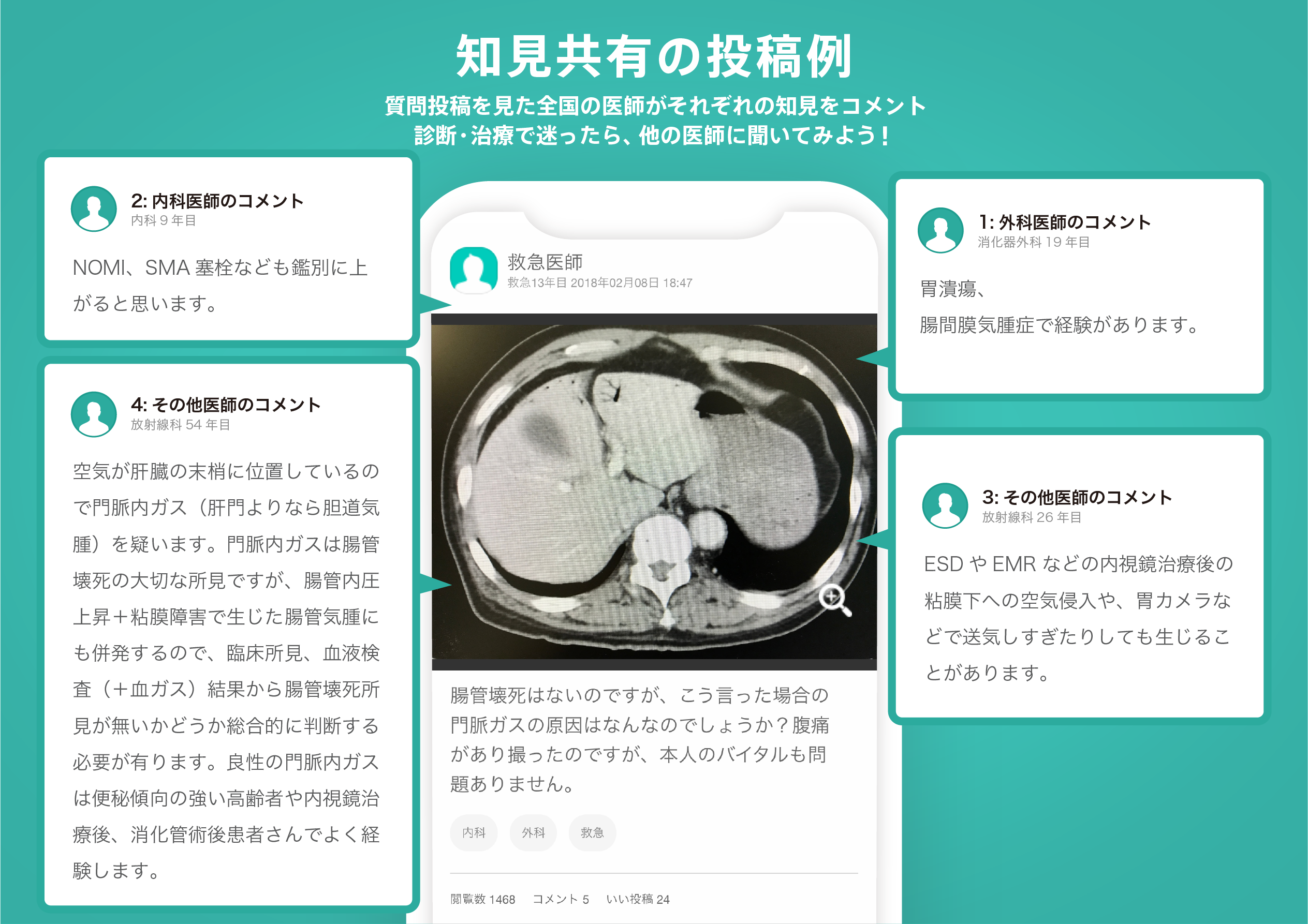
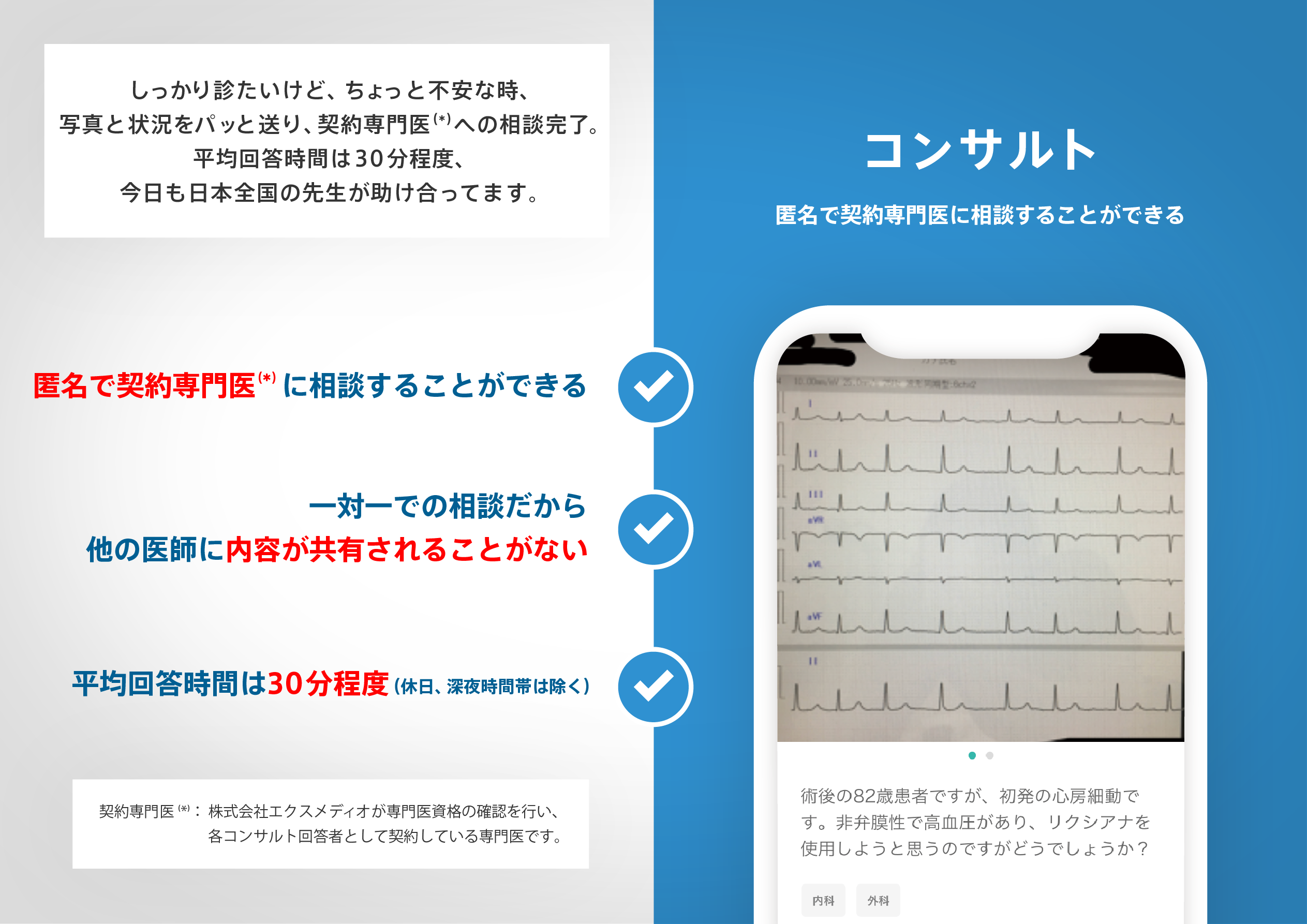
ヒポクラ x マイナビのご紹介

無料会員登録していただくと、さらに便利で効率的な検索が可能になります。