背景:我々は、移植不適格な多発性骨髄腫(MM)の最前線治療として、強度を変更したレナリドマイド、ボルテゾミブ、デキサメタゾン(RVD-lite)の長期生存成績を報告する。 方法: RVD-lite は、移植不適格な MM 患者を対象とした医師主導の多施設第 II 相試験で評価されました。RVD-lite は、1 日目から 21 日目までレナリドマイド 15 mg を 35 日サイクルで経口投与されました。ボルテゾミブ 1.3 mg/m2 を 1、8、15、22 日目に皮下投与。75歳以上の患者にはデキサメタゾン20mgを1、2、8、9、15、16、22、23日目に経口投与し、75歳以上の患者には1、8、15、22日目に導入9サイクル、その後地固め6サイクル(レナリドミド+ボルテゾミブ)を行う。レナリドマイドの維持は義務付けられていなかった。 結果: 50 人の患者が登録されました。年齢中央値は73歳(範囲65~91歳)、患者の14%がECOGパフォーマンスステータス2でした。最良の反応時、ORRと「VGPR」はそれぞれ90%と66%でした。追跡期間中央値72か月後、PFS中央値は42か月(5年PFS:40%)、OS中央値は76か月(5年OS:63%)でした。ECOG パフォーマンス ステータス 2 は、劣った PFS および OS と関連していました。33 人の患者 (66%) がレナリドマイドの維持療法を受けました。2 人の患者 (4%) が毒性のために治療を中止しましたが、治療に関連した死亡はありませんでした。 結論: RVD-lite は、PFS および OS が延長した移植不適格な MM において忍容性が高く、非常に効果的なレジメンです。この研究は、MM 患者における虚弱に適応した 3 つ組および 4 つ組のレジメンの枠組みを提供します。この試験は ClinicalTrials.gov (NCT01782963) に登録されました。
背景:我々は、移植不適格な多発性骨髄腫(MM)の最前線治療として、強度を変更したレナリドマイド、ボルテゾミブ、デキサメタゾン(RVD-lite)の長期生存成績を報告する。 方法: RVD-lite は、移植不適格な MM 患者を対象とした医師主導の多施設第 II 相試験で評価されました。RVD-lite は、1 日目から 21 日目までレナリドマイド 15 mg を 35 日サイクルで経口投与されました。ボルテゾミブ 1.3 mg/m2 を 1、8、15、22 日目に皮下投与。75歳以上の患者にはデキサメタゾン20mgを1、2、8、9、15、16、22、23日目に経口投与し、75歳以上の患者には1、8、15、22日目に導入9サイクル、その後地固め6サイクル(レナリドミド+ボルテゾミブ)を行う。レナリドマイドの維持は義務付けられていなかった。 結果: 50 人の患者が登録されました。年齢中央値は73歳(範囲65~91歳)、患者の14%がECOGパフォーマンスステータス2でした。最良の反応時、ORRと「VGPR」はそれぞれ90%と66%でした。追跡期間中央値72か月後、PFS中央値は42か月(5年PFS:40%)、OS中央値は76か月(5年OS:63%)でした。ECOG パフォーマンス ステータス 2 は、劣った PFS および OS と関連していました。33 人の患者 (66%) がレナリドマイドの維持療法を受けました。2 人の患者 (4%) が毒性のために治療を中止しましたが、治療に関連した死亡はありませんでした。 結論: RVD-lite は、PFS および OS が延長した移植不適格な MM において忍容性が高く、非常に効果的なレジメンです。この研究は、MM 患者における虚弱に適応した 3 つ組および 4 つ組のレジメンの枠組みを提供します。この試験は ClinicalTrials.gov (NCT01782963) に登録されました。
BACKGROUND: We report the long-term survival outcomes of modified-intensity lenalidomide, bortezomib, and dexamethasone (RVD-lite) as frontline treatment for transplant-ineligible multiple myeloma (MM). METHODS: RVD-lite was evaluated in an investigator-initiated, multicenter phase II trial in transplant-ineligible MM patients. RVD-lite was administered over a 35-day cycle with lenalidomide 15 mg orally on days 1-21; bortezomib 1.3 mg/m2 subcutaneously on days 1, 8, 15, 22; and dexamethasone 20 mg orally on days 1, 2, 8, 9, 15, 16, 22, and 23 in patients aged £75 years and days 1, 8, 15, and 22 in patients aged >75 years for 9 cycles of induction followed by 6 cycles of consolidation (lenalidomide + bortezomib). Lenalidomide maintenance was not mandated. RESULTS: Fifty patients were enrolled. Median age was 73 years (range 65-91), and 14% of patients had an ECOG performance status of 2. At best response, the ORR and ³VGPR were 90% and 66%, respectively. After median follow-up of 72 months, the median PFS was 42 months (5-year PFS: 40%), and the median OS was 76 months (5-year OS: 63%). ECOG performance status of 2 was associated with inferior PFS and OS. Thirty-three patients (66%) received lenalidomide maintenance. Two patients (4%) discontinued treatment due to toxicity, and there was no treatment-related mortality. CONCLUSION: RVD-lite is a well-tolerated and highly effective regimen in transplant-ineligible MM with prolonged PFS and OS. This study provides the framework for frailty-adapted triplet and quadruplet regimens in MM patients. This trial was registered at ClinicalTrials.gov (NCT01782963).
医師のための臨床サポートサービス
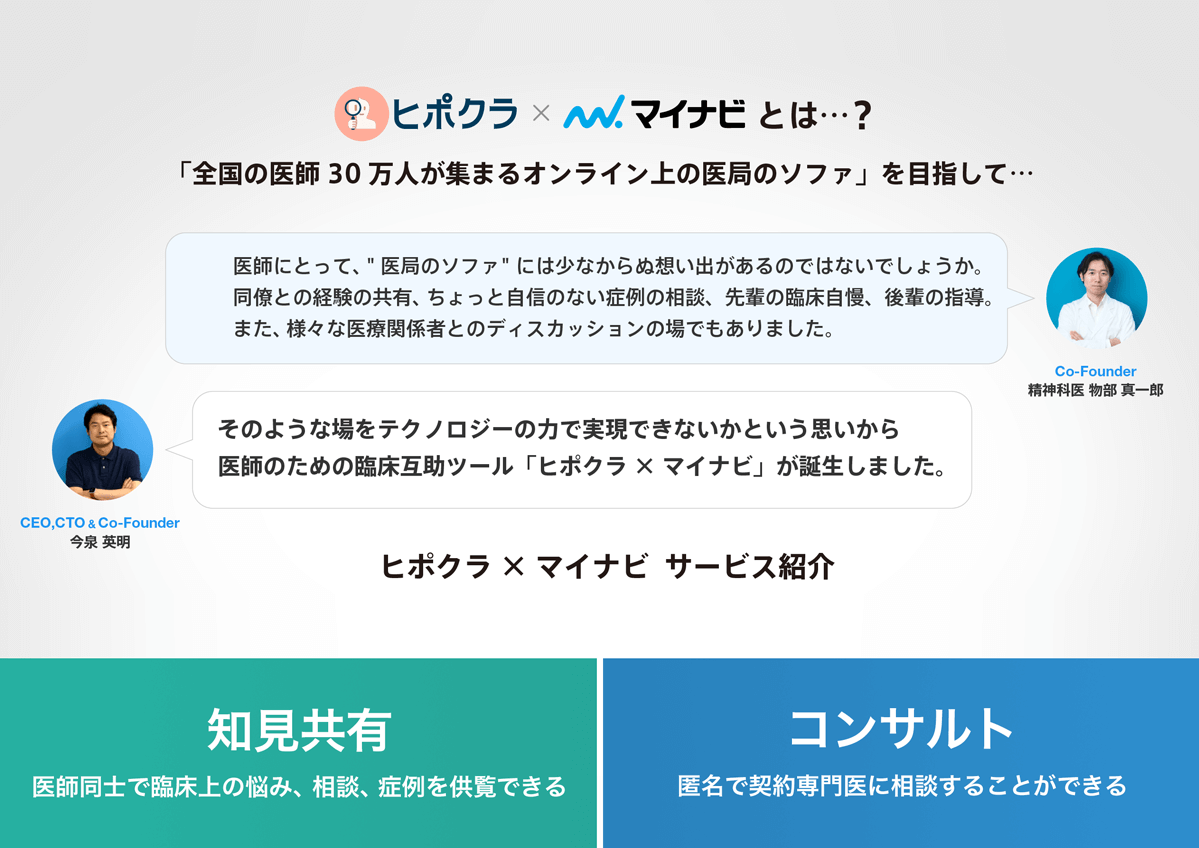
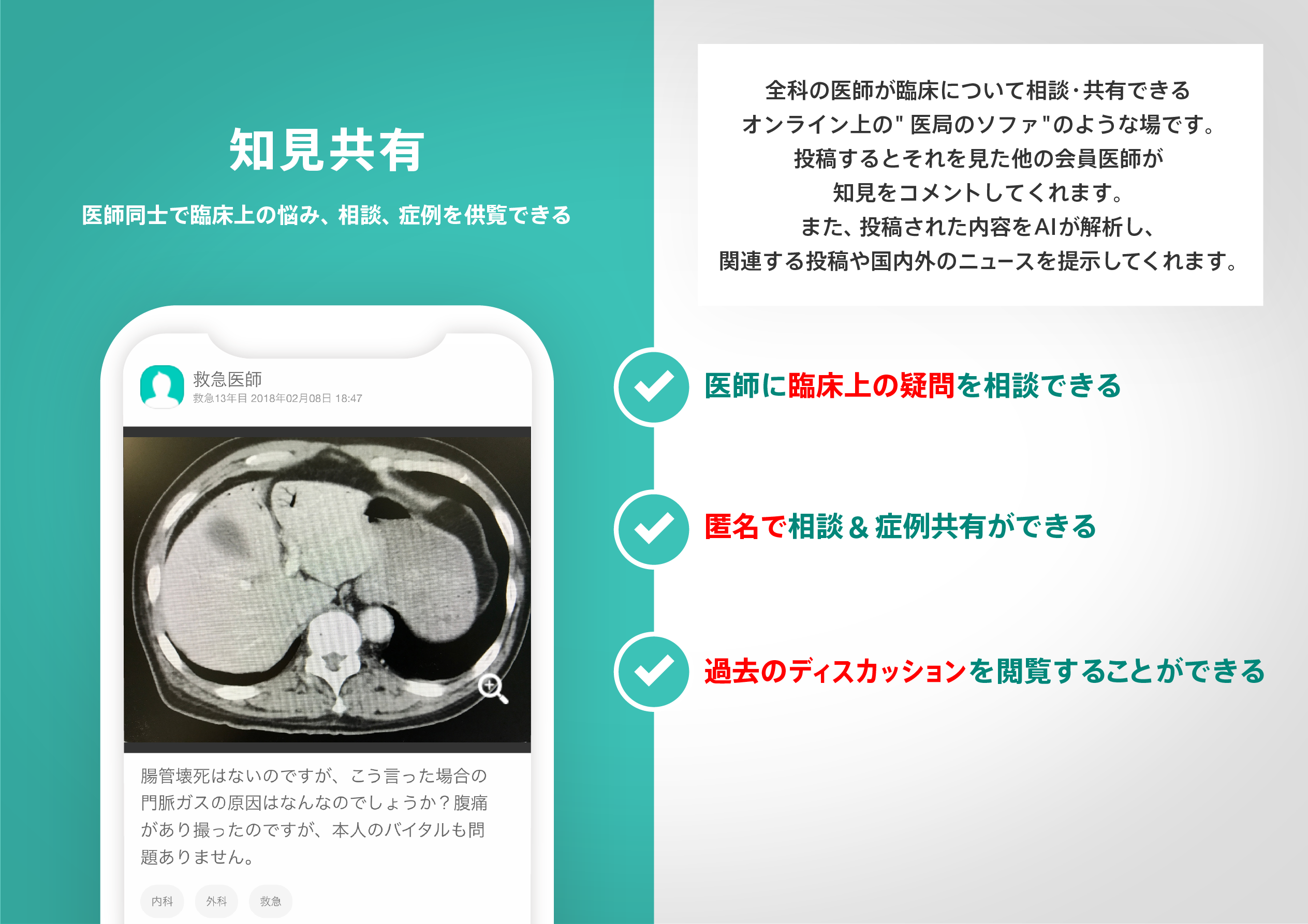
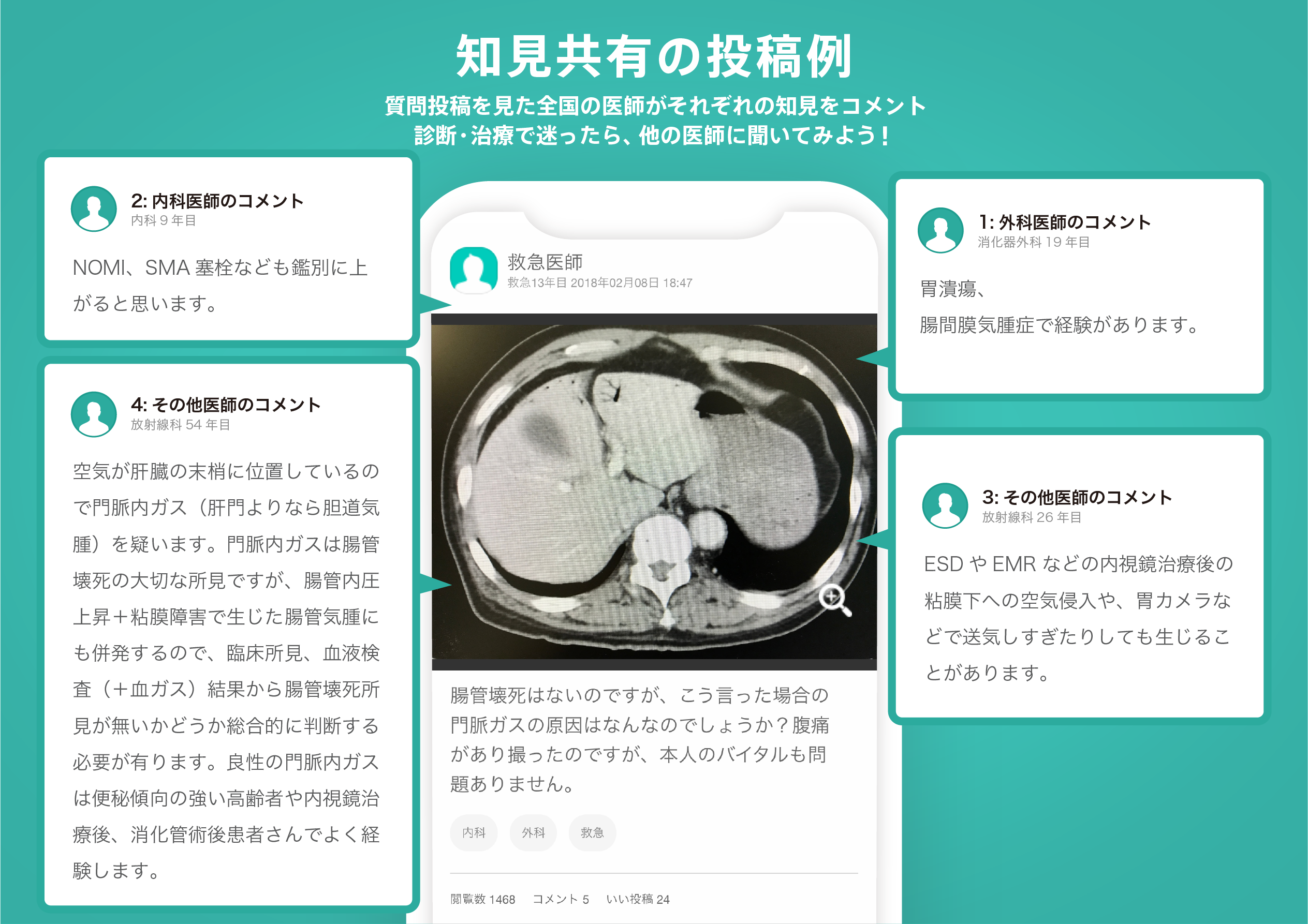
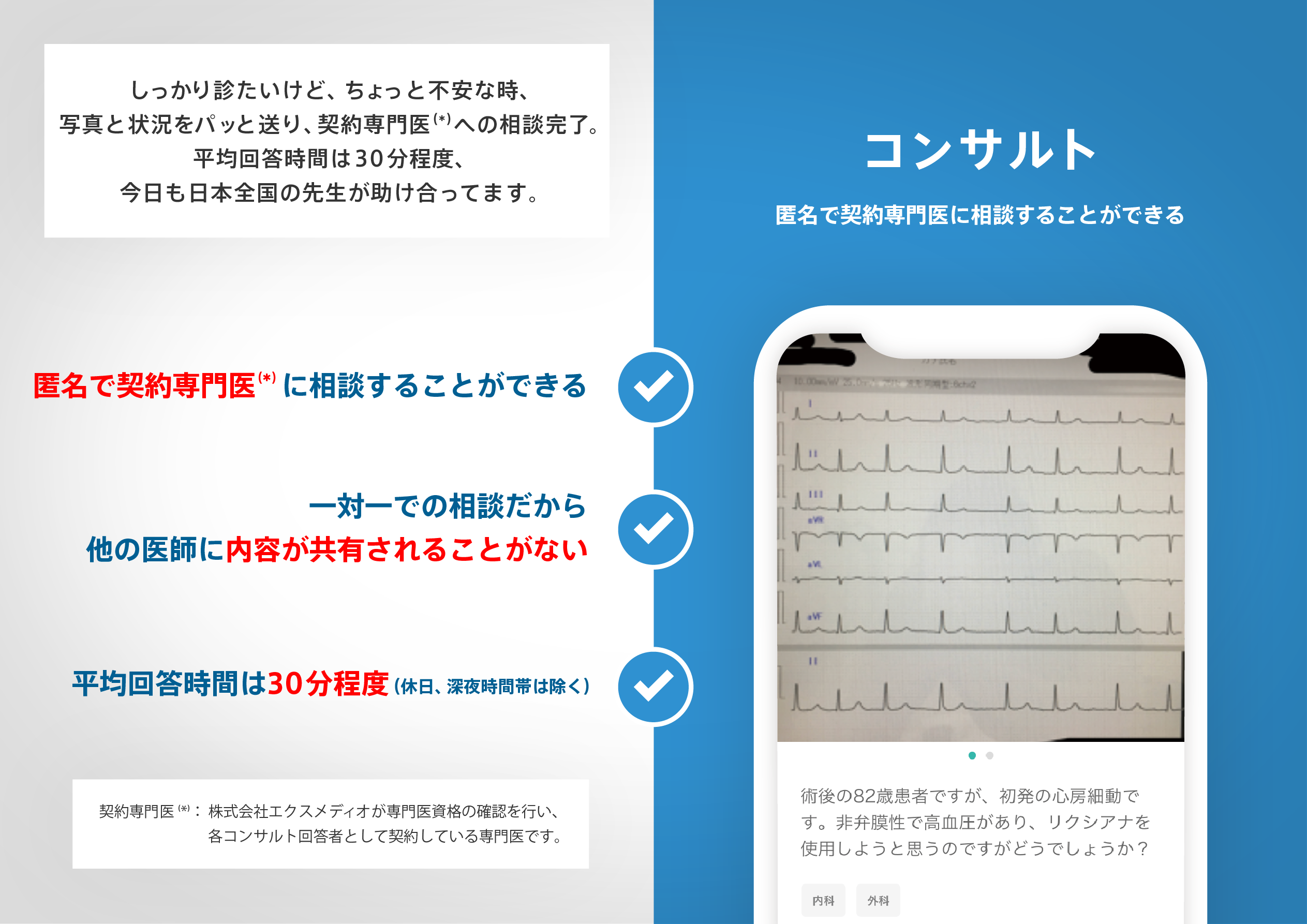
ヒポクラ x マイナビのご紹介

無料会員登録していただくと、さらに便利で効率的な検索が可能になります。