目的:さまざまなアンケート、人口統計データ、ライフスタイル要因を組み合わせて、さまざまな歯周病状を持つ被験者をスクリーニングするために以前に開発された時間と費用対効果の高いスクリーニングツールを外部的に検証し、口腔/歯周の健康と早期歯周ケアに対する国民の意識を促進する将来の取り組みの信頼できる基盤を提供すること。 方法: この研究は、自己記入式のアンケートと、口全体の歯周検査およびX線検査で構成されていました。外部検証は、香港の一般人口から体系的かつ無作為に選択された代表コホートを使用して実施されました。疾病管理予防センター/米国歯周病学会 (CDC/AAP) が元々提案した修正質問票が参加者に与えられ、その結果が 2017 年世界ワークショップによる歯周病分類に基づく歯周病の定義と照らし合わせてテストされました。精度は多変量ロジスティック回帰によって分析され、受信者動作特性曲線下面積 (AUROC) が計算されました。 結果: この検証研究には合計 384 人の被験者が参加し、その中には歯周病 (6.2%)、歯肉炎 (19.3%)、ステージ I/II 歯周炎 (19.3%)、ステージ III/IV 歯周炎 (55.2%) の患者が含まれていました。CDC/AAP アンケートと人口動態およびライフスタイル要因を統合したスクリーニング モデルは、歯周炎と重度の歯周炎の両方の検出において最高のパフォーマンスを示しました。歯周炎の検出については、このモデルは感度 91.1%、特異度 90.0% で AUROC 0.888 を達成しました。ステージ III/IV の歯周炎では、AUROC 0.899、感度 88.8%、特異度 77.2% を示しました。 結論: この外部検証されたモデルは、独立した集団における歯周炎患者の識別において許容できる精度を示しており、多様な地域環境全体での潜在的な適用可能性を裏付けています。
目的:さまざまなアンケート、人口統計データ、ライフスタイル要因を組み合わせて、さまざまな歯周病状を持つ被験者をスクリーニングするために以前に開発された時間と費用対効果の高いスクリーニングツールを外部的に検証し、口腔/歯周の健康と早期歯周ケアに対する国民の意識を促進する将来の取り組みの信頼できる基盤を提供すること。 方法: この研究は、自己記入式のアンケートと、口全体の歯周検査およびX線検査で構成されていました。外部検証は、香港の一般人口から体系的かつ無作為に選択された代表コホートを使用して実施されました。疾病管理予防センター/米国歯周病学会 (CDC/AAP) が元々提案した修正質問票が参加者に与えられ、その結果が 2017 年世界ワークショップによる歯周病分類に基づく歯周病の定義と照らし合わせてテストされました。精度は多変量ロジスティック回帰によって分析され、受信者動作特性曲線下面積 (AUROC) が計算されました。 結果: この検証研究には合計 384 人の被験者が参加し、その中には歯周病 (6.2%)、歯肉炎 (19.3%)、ステージ I/II 歯周炎 (19.3%)、ステージ III/IV 歯周炎 (55.2%) の患者が含まれていました。CDC/AAP アンケートと人口動態およびライフスタイル要因を統合したスクリーニング モデルは、歯周炎と重度の歯周炎の両方の検出において最高のパフォーマンスを示しました。歯周炎の検出については、このモデルは感度 91.1%、特異度 90.0% で AUROC 0.888 を達成しました。ステージ III/IV の歯周炎では、AUROC 0.899、感度 88.8%、特異度 77.2% を示しました。 結論: この外部検証されたモデルは、独立した集団における歯周炎患者の識別において許容できる精度を示しており、多様な地域環境全体での潜在的な適用可能性を裏付けています。
AIM: To externally validate a previously developed time- and cost-effective screening tool for screening subjects with different periodontal conditions by combining various questionnaires, demographic data and lifestyle factors, providing a reliable basis for future efforts to promote public awareness of oral/periodontal health and early periodontal care. METHODS: The study consisted of a self-administered questionnaire and a full-mouth periodontal and radiographic examination. External validation was conducted using a representative cohort systematically and randomly selected from the general population of Hong Kong. A modified questionnaire originally proposed by the Centers for Disease Control and Prevention/American Academy of Periodontology (CDC/AAP) was given to participants, and the results were tested against the periodontal case definition based on the 2017 World Workshop Classification of Periodontal Diseases. Accuracy was analysed by multivariate logistic regression, and the area under the receiver operating characteristic curve (AUROC) was calculated. RESULTS: A total of 384 subjects participated in this validation study, including individuals with periodontal health (6.2%), gingivitis (19.3%), Stage I/II periodontitis (19.3%) and Stage III/IV periodontitis (55.2%). The screening model, which integrated the CDC/AAP questionnaire with demographic and lifestyle factors, showed the best performance in detecting both periodontitis and severe periodontitis. For periodontitis detection, the model achieved an AUROC of 0.888, with a sensitivity of 91.1% and specificity of 90.0%. For Stage III/IV periodontitis, it showed an AUROC of 0.899, with a sensitivity of 88.8% and specificity of 77.2%. CONCLUSION: This externally validated model demonstrates acceptable accuracy in identifying periodontitis patients in independent populations, supporting its potential applicability across diverse community settings.
医師のための臨床サポートサービス
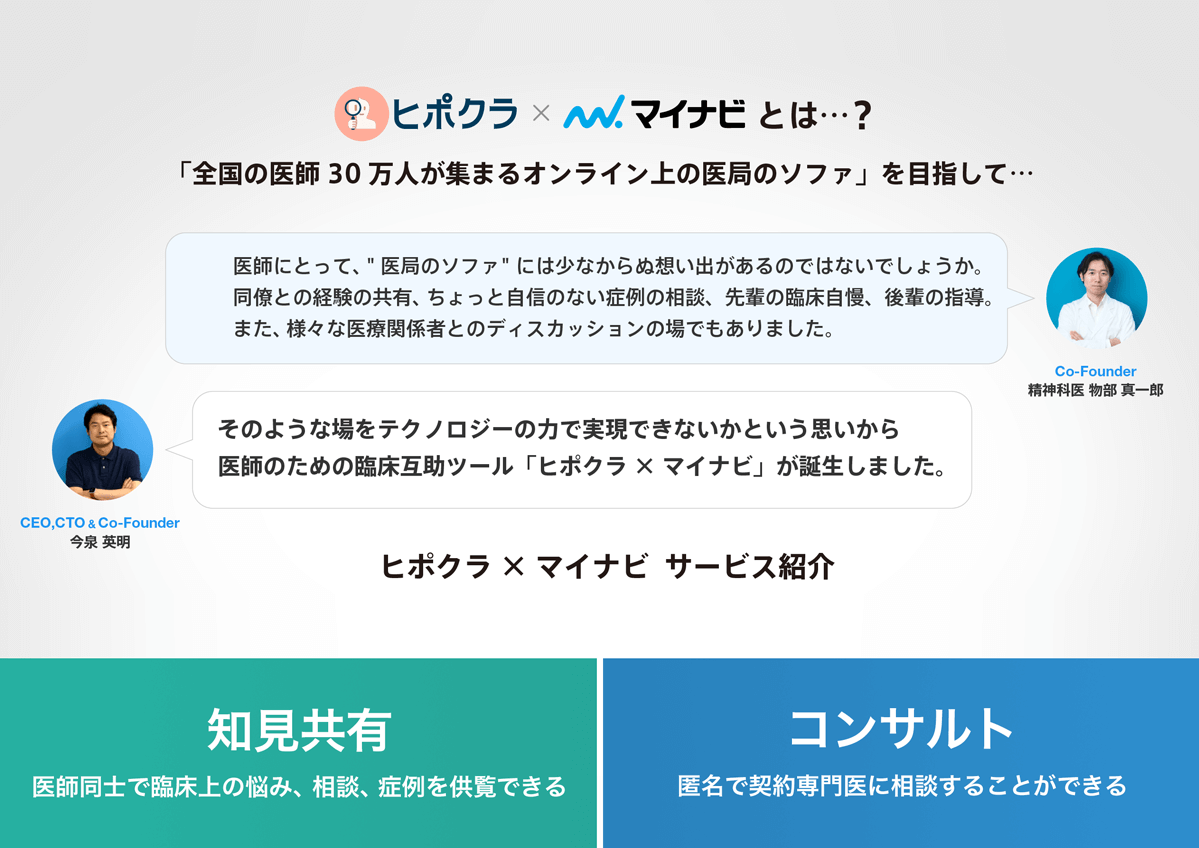
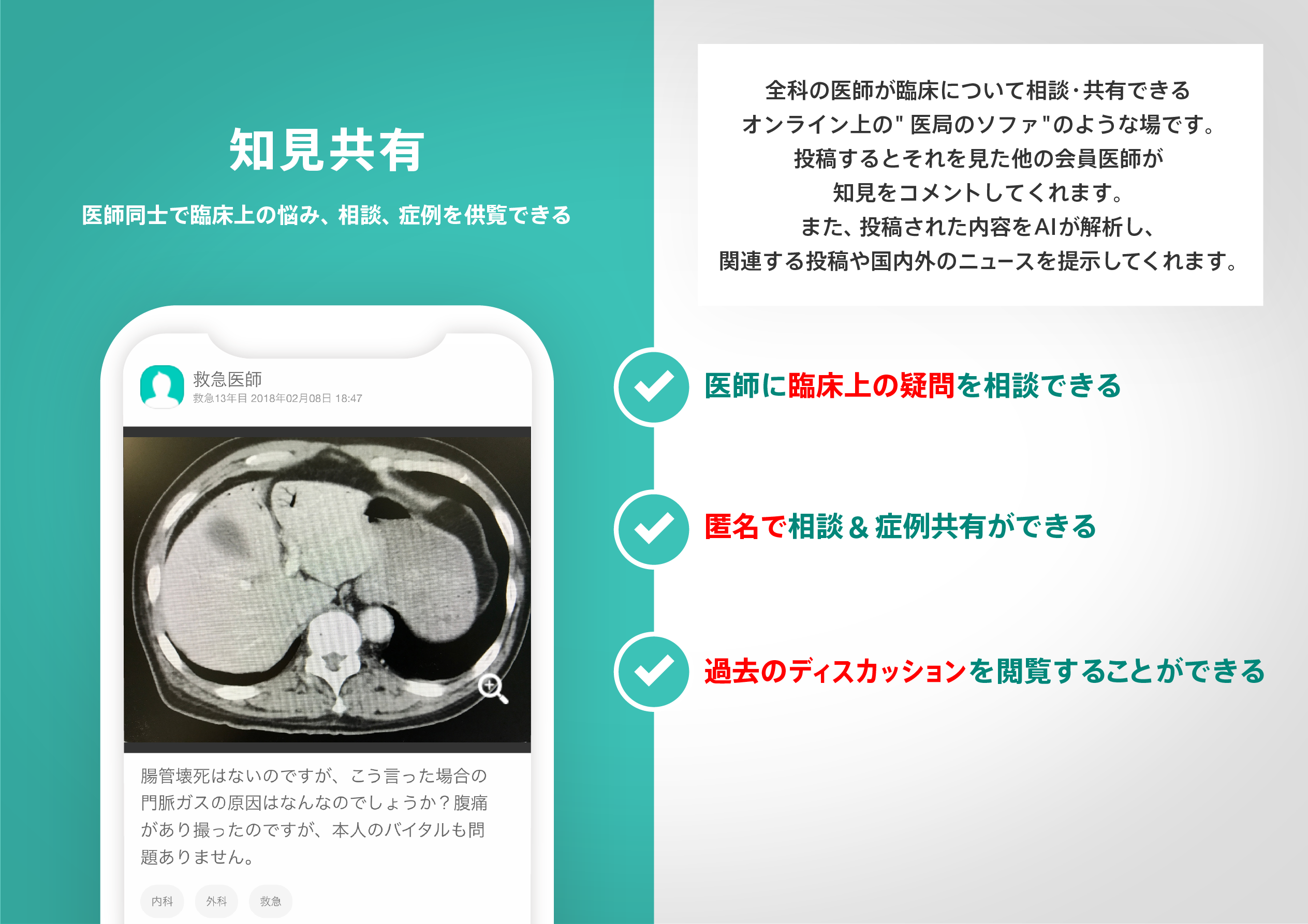
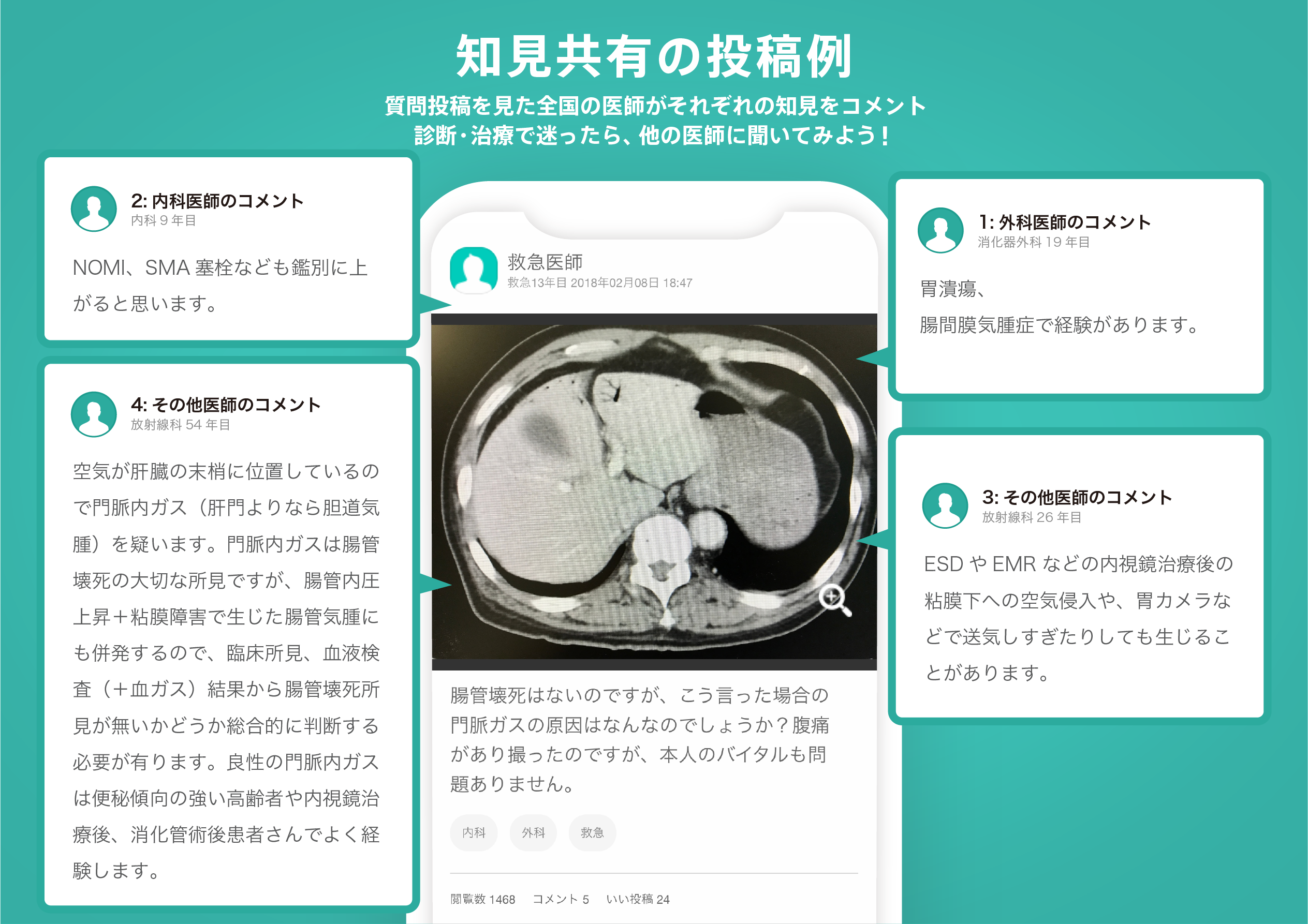
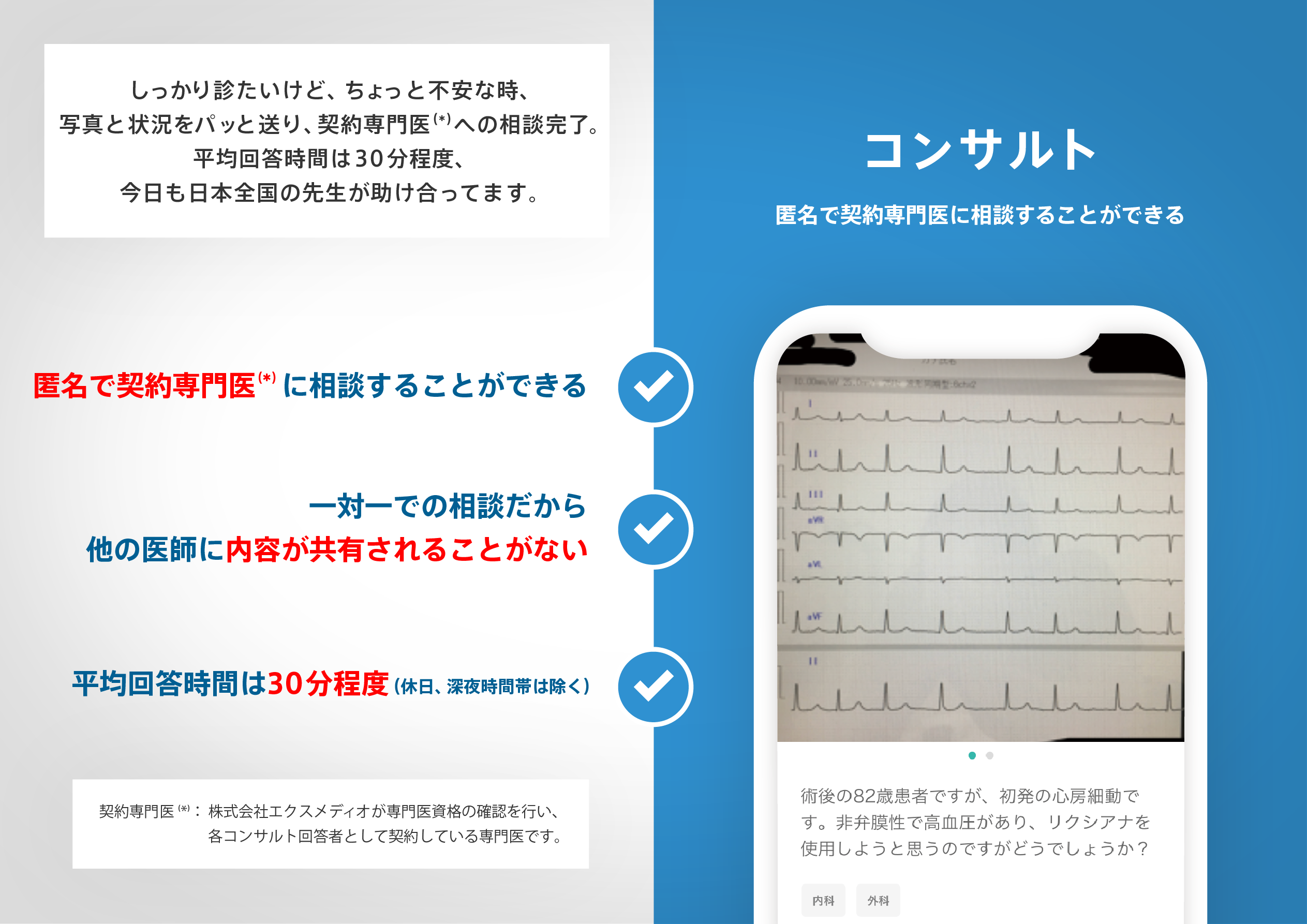
ヒポクラ x マイナビのご紹介

無料会員登録していただくと、さらに便利で効率的な検索が可能になります。