重要: 遺伝性がんの素因を持つ青年および若年成人 (AYA) は、生涯にわたって高いがんリスクに直面します。がんのリスクについての理解をサポートするモデルは開発されていません。 目的: 電子チャットボット ベースのがんリスク コミュニケーション ツールが AYA のがんリスクの理解に及ぼす影響を評価すること。 設計、設定、および参加者:このランダム化臨床試験は、2022年12月20日から2025年5月30日まで、ダナ・ファーバーがん研究所、アトランタのエモリー大学/小児医療センター、シカゴ大学、およびユタ大学ハンツマンがん研究所で実施され、がん素因単独の来院と、電子チャットボットベースのがんリスクコミュニケーションツールであるAYAリスク情報およびスクリーニング教育を用いた来院を比較しました。ベースライン調査と追跡調査を実施し、30歳までおよび生涯にわたるがんリスクに関する知識の変化、推奨されるスクリーニングに関する知識、心理的苦痛のレベルを評価します。適格な参加者は、9 つの遺伝性がん素因症候群のうち 1 つを有する 12 ~ 24 歳の英語話者でした。一次分析は治療意図の原則に従って実施されました。データは 2025 年 7 月 21 日から 9 月 3 日まで分析されました。 介入: がんリスクに関するチャットボットベースの介入と、各症候群に合わせた推奨スクリーニング情報。チャットの概要コンテンツ (学習)、推奨される年齢に基づくスクリーニング (計画)、仲間との会話に関するガイダンス (共有)、サポート組織へのリンク (接続)、および対処と死別のサポート (成長) を含むリソース ページへの追加リンク。 主な結果と対策: 主な結果は、がんのリスクに関する知識でした。副次的結果は、推奨されるスクリーニングと心理的苦痛のレベルに関する知識でした。 結果: 評価された 798 人の AYA のうち、106 人の AYA が無作為化され、登録されました (介入グループに 54 人、対照グループに 52 人)。参加者の平均(SD)年齢は18.3(SD、3.9)歳で、64%(106人中68人)が少女または女性でした。ベースラインでは、対照群のAYAの38%(52人中20人)、介入群のAYAの52%(54人中28人)が30歳までにがんリスクについて正確な知識を持っていた。クリニック受診後、対照群のAYAの37%(52人中19人)、チャットボットベースの介入群のAYAの78%(54人中42人)が正確な知識を持っており、これは30歳までのがんリスクに関する知識の大幅な向上を反映している(OR、3.50、95%CI、1.45-9.19、P = .005)。介入群のAYAは、対照群のAYAと比較して、推奨されるスクリーニングに関する知識において非統計的に有意な改善があり(OR、2.17; 95% CI、0.85-5.59; P = .11)、苦痛が減少した(苦痛温度計、β = -0.50; 95% CI、-1.09〜0.08;P = .09)。 結論と関連性:このランダム化臨床試験では、チャットボットベースの介入とがん素因のあるクリニック受診を組み合わせた利用により、苦痛を増大させることなく、クリニック受診のみの場合よりも30歳までにがんリスクに関する知識が向上しました。診療所での人とのやり取りと、パーソナライズされた正確な電子情報を組み合わせることで、がんの素因やその他の重篤な症状を持つ AYA をサポートできます。 治験登録: ClinicalTrials.gov 識別子: NCT04323774。
重要: 遺伝性がんの素因を持つ青年および若年成人 (AYA) は、生涯にわたって高いがんリスクに直面します。がんのリスクについての理解をサポートするモデルは開発されていません。 目的: 電子チャットボット ベースのがんリスク コミュニケーション ツールが AYA のがんリスクの理解に及ぼす影響を評価すること。 設計、設定、および参加者:このランダム化臨床試験は、2022年12月20日から2025年5月30日まで、ダナ・ファーバーがん研究所、アトランタのエモリー大学/小児医療センター、シカゴ大学、およびユタ大学ハンツマンがん研究所で実施され、がん素因単独の来院と、電子チャットボットベースのがんリスクコミュニケーションツールであるAYAリスク情報およびスクリーニング教育を用いた来院を比較しました。ベースライン調査と追跡調査を実施し、30歳までおよび生涯にわたるがんリスクに関する知識の変化、推奨されるスクリーニングに関する知識、心理的苦痛のレベルを評価します。適格な参加者は、9 つの遺伝性がん素因症候群のうち 1 つを有する 12 ~ 24 歳の英語話者でした。一次分析は治療意図の原則に従って実施されました。データは 2025 年 7 月 21 日から 9 月 3 日まで分析されました。 介入: がんリスクに関するチャットボットベースの介入と、各症候群に合わせた推奨スクリーニング情報。チャットの概要コンテンツ (学習)、推奨される年齢に基づくスクリーニング (計画)、仲間との会話に関するガイダンス (共有)、サポート組織へのリンク (接続)、および対処と死別のサポート (成長) を含むリソース ページへの追加リンク。 主な結果と対策: 主な結果は、がんのリスクに関する知識でした。副次的結果は、推奨されるスクリーニングと心理的苦痛のレベルに関する知識でした。 結果: 評価された 798 人の AYA のうち、106 人の AYA が無作為化され、登録されました (介入グループに 54 人、対照グループに 52 人)。参加者の平均(SD)年齢は18.3(SD、3.9)歳で、64%(106人中68人)が少女または女性でした。ベースラインでは、対照群のAYAの38%(52人中20人)、介入群のAYAの52%(54人中28人)が30歳までにがんリスクについて正確な知識を持っていた。クリニック受診後、対照群のAYAの37%(52人中19人)、チャットボットベースの介入群のAYAの78%(54人中42人)が正確な知識を持っており、これは30歳までのがんリスクに関する知識の大幅な向上を反映している(OR、3.50、95%CI、1.45-9.19、P = .005)。介入群のAYAは、対照群のAYAと比較して、推奨されるスクリーニングに関する知識において非統計的に有意な改善があり(OR、2.17; 95% CI、0.85-5.59; P = .11)、苦痛が減少した(苦痛温度計、β = -0.50; 95% CI、-1.09〜0.08;P = .09)。 結論と関連性:このランダム化臨床試験では、チャットボットベースの介入とがん素因のあるクリニック受診を組み合わせた利用により、苦痛を増大させることなく、クリニック受診のみの場合よりも30歳までにがんリスクに関する知識が向上しました。診療所での人とのやり取りと、パーソナライズされた正確な電子情報を組み合わせることで、がんの素因やその他の重篤な症状を持つ AYA をサポートできます。 治験登録: ClinicalTrials.gov 識別子: NCT04323774。
IMPORTANCE: Adolescents and young adults (AYAs) with hereditary cancer predisposition face high rates of lifetime cancer risk. Models to support their understanding of cancer risk have not been developed. OBJECTIVE: To assess the effect of an electronic chatbot-based cancer risk communication tool on AYAs' understanding of cancer risk. DESIGN, SETTING, AND PARTICIPANTS: This randomized clinical trial was conducted at the Dana-Farber Cancer Institute, Emory University/Children's Healthcare of Atlanta, University of Chicago, and University of Utah Huntsman Cancer Institute between December 20, 2022, and May 30, 2025 and compared cancer predisposition visits alone vs visits with an electronic chatbot-based cancer risk communication tool, AYA Risk Information and Screening Education, using baseline and follow-up surveys to assess changes in knowledge of cancer risk by age 30 years and over their lifetime, knowledge of recommended screening, and level of psychological distress. Eligible participants were English speakers aged 12 to 24 years, who had 1 of 9 hereditary cancer predisposition syndromes. The primary analysis was conducted according to the intention-to-treat principle. Data were analyzed from July 21 to September 3, 2025. INTERVENTION: Chatbot-based intervention with cancer risk and recommended screening information tailored to each syndrome. Additional links to resource pages with chat summary content (learn), recommended age-based screening (plan), guidance about talking with peers (share), links to support organizations (connect), and coping and bereavement support (grow). MAIN OUTCOMES AND MEASURES: The primary outcome was knowledge of cancer risk. The secondary outcomes were knowledge of recommended screening and level of psychological distress. RESULTS: Of 798 AYAs assessed, 106 AYAs were randomized and enrolled (54 to the intervention group and 52 to the control group). Participants' mean (SD) age was 18.3 (SD, 3.9) years, and 64% (68 of 106) were girls or women. At baseline, 38% of AYAs (20 of 52) in the control group and 52% (28 of 54) of AYAs in the intervention group had accurate knowledge of cancer risk by age 30 years. Following the clinic visit, 37% (19 of 52) of AYAs in the control group and 78% (42 of 54) in the chatbot-based intervention group had accurate knowledge, reflecting greater improvement in knowledge of cancer risk by age 30 years (OR, 3.50; 95% CI, 1.45-9.19; P = .005). AYAs in the intervention group had non-statistically significant improvements in knowledge of recommended screening (OR, 2.17; 95% CI, 0.85-5.59; P = .11) and reductions in distress compared with AYAs in the control group (distress thermometer, β = -0.50; 95% CI, -1.09 to 0.08; P = .09). CONCLUSIONS AND RELEVANCE: In this randomized clinical trial, use of a chatbot-based intervention combined with a cancer predisposition clinic visit improved knowledge of cancer risk by age 30 years over a clinic visit alone, without increasing distress. Combining human interaction in the clinic with personalized, accurate electronic information can support AYAs with cancer predisposition and other serious conditions. TRIAL REGISTRATION: ClinicalTrials.gov Identifier: NCT04323774.
医師のための臨床サポートサービス
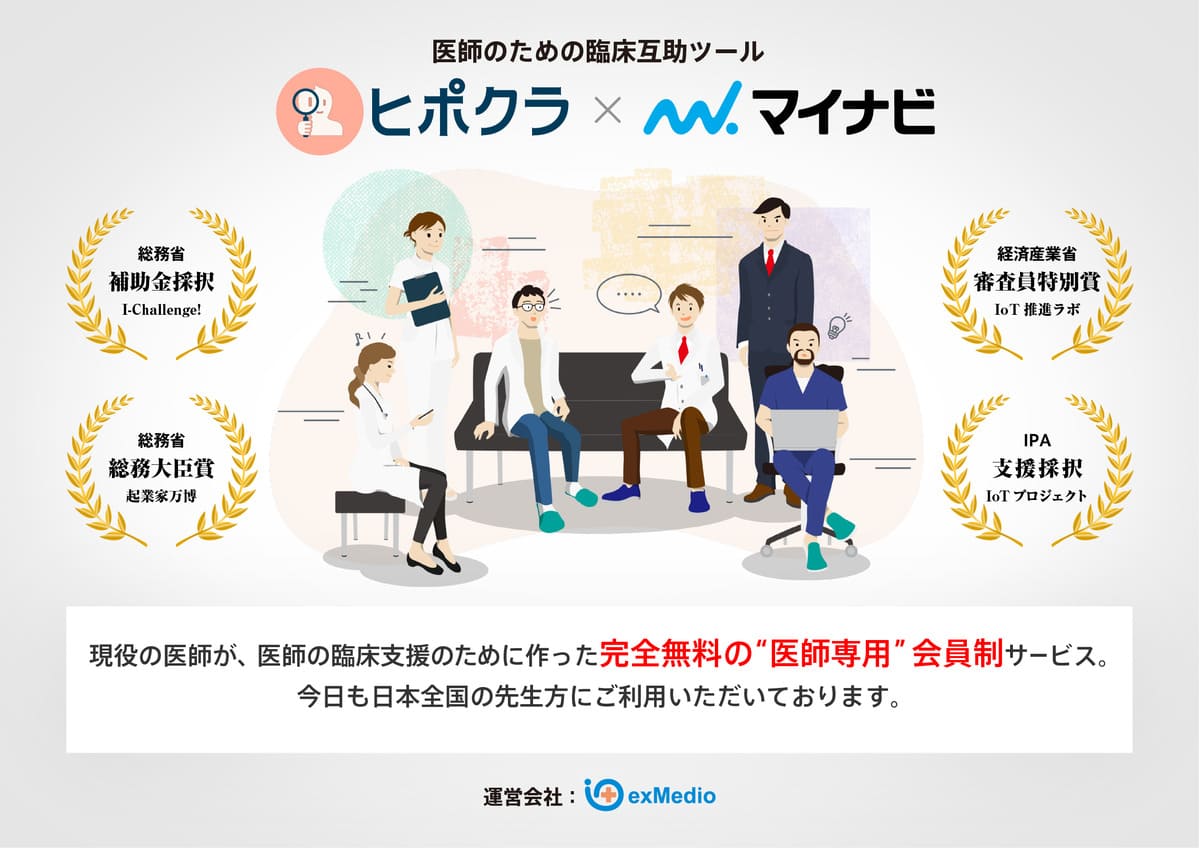
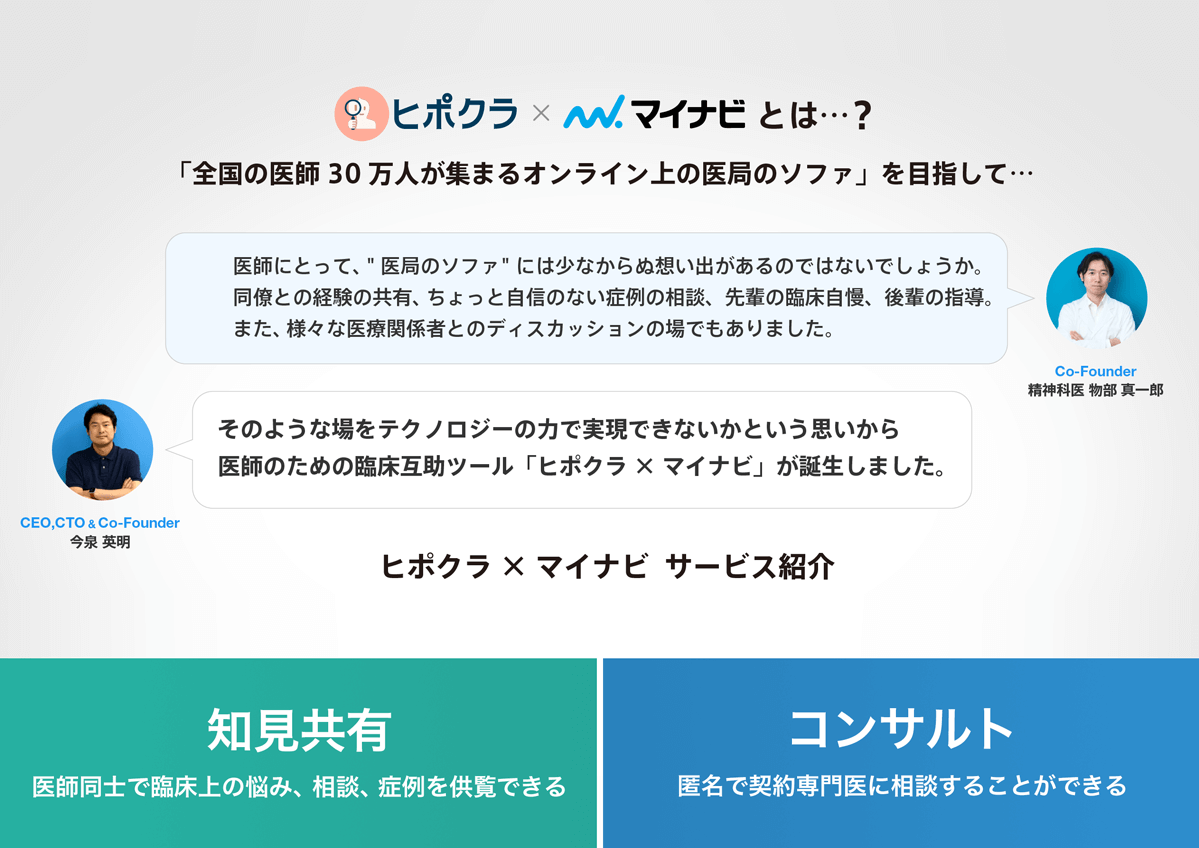
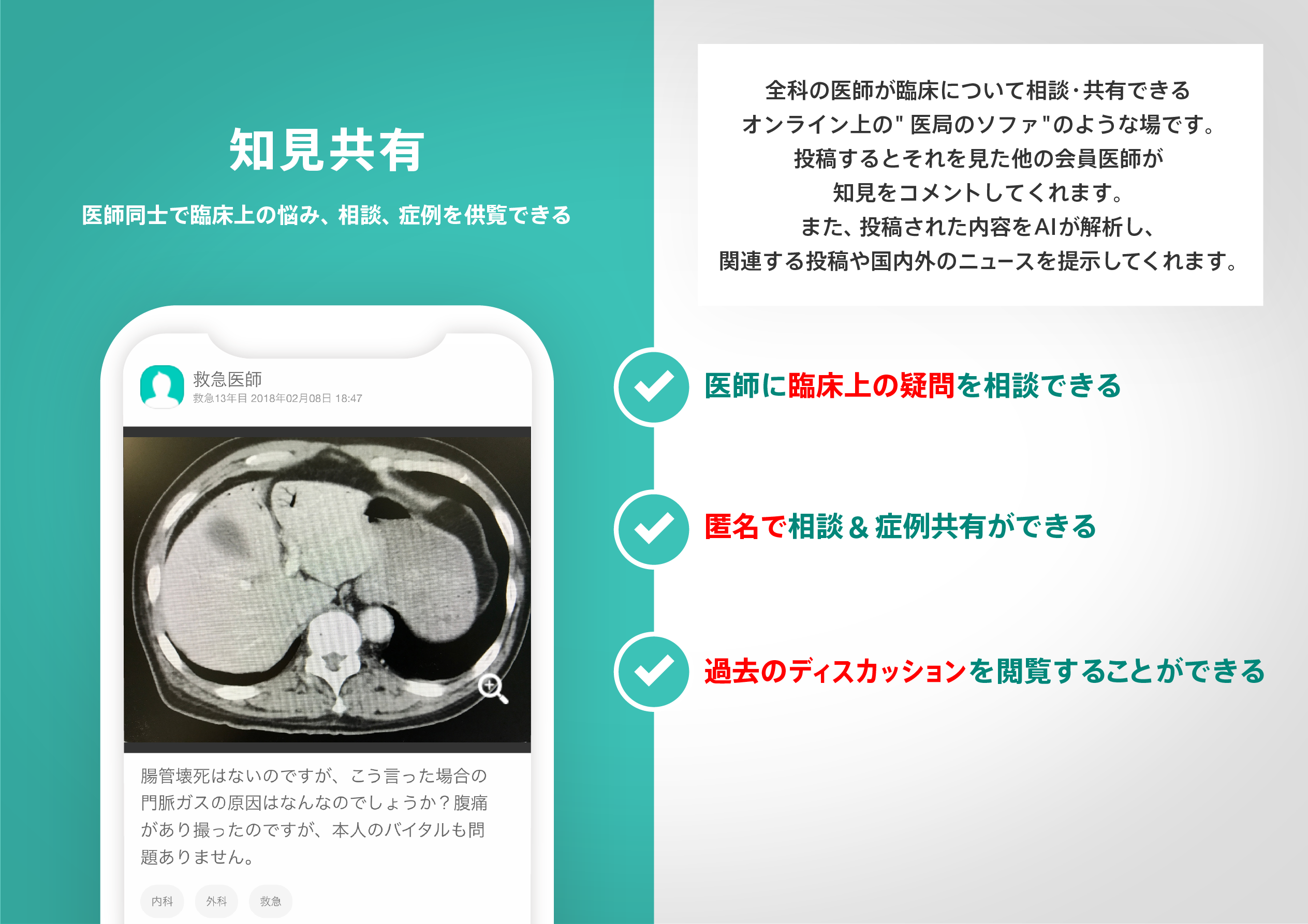
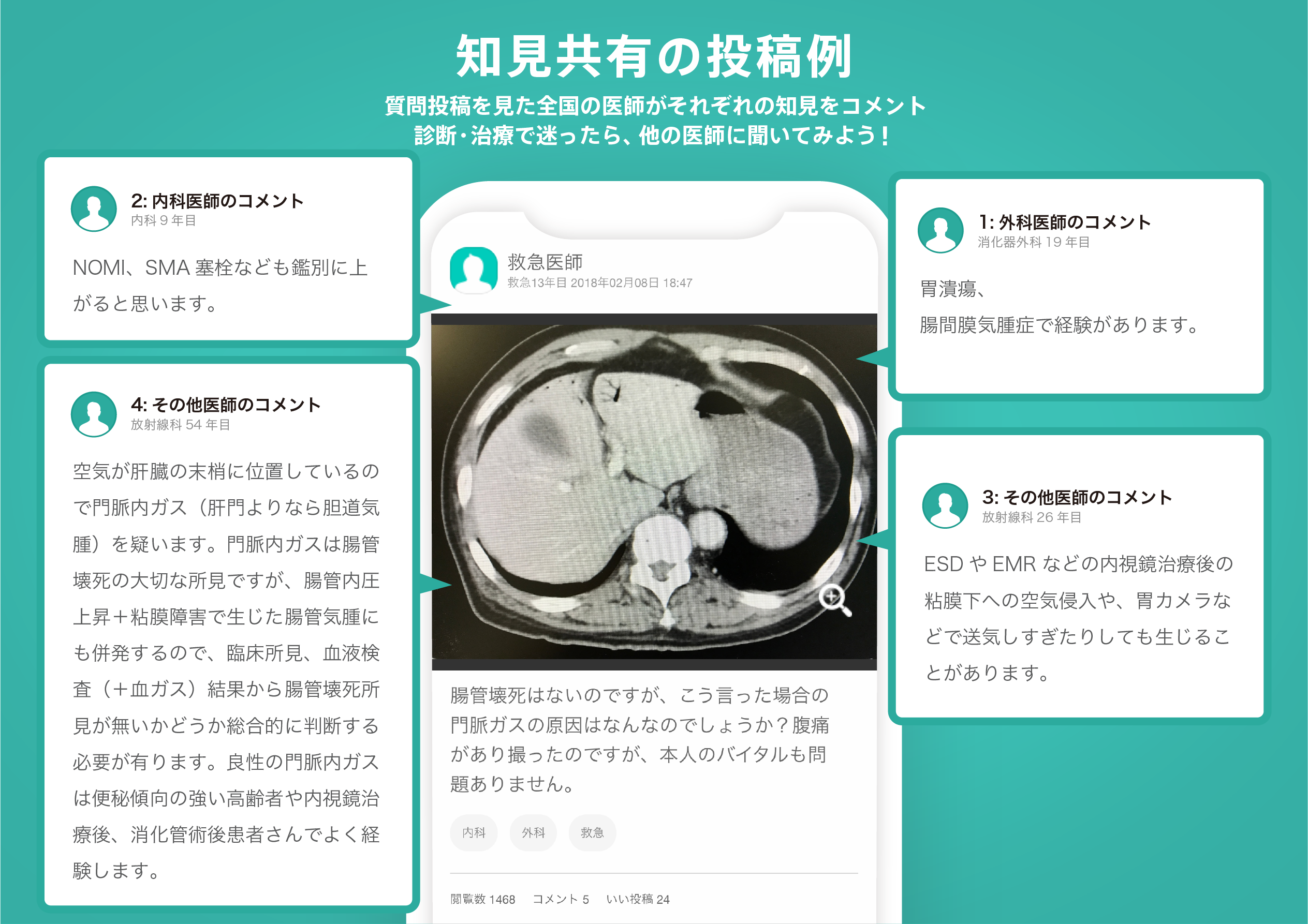
ヒポクラ x マイナビのご紹介
無料会員登録していただくと、さらに便利で効率的な検索が可能になります。