背景: アフリカの多くの環境では母体用ワクチンが導入されているものの、安全性シグナルを解釈するには、母体と新生児の有害転帰に関する信頼性の高い背景推定が必要である。我々は、母体の予防接種の安全性モニタリングに関連する特定の特別に関心のある有害事象(AESI)の施設固有のバックグラウンド率を推定するために、ガンビアで施設ベースの妊娠登録を確立した。 方法:我々は、2022年8月から2024年8月まで、ガンビア西部地域にある3か所の大規模産前ケア施設で前向き観察サーベイランスを実施した。18 歳以上の妊婦が定期的な産前ケア中に登録され、出産から産後 4~6 週間の訪問まで追跡されました。選択された AESI は、ワクチン接種の状況や配達場所に関係なく、日常的に入手可能な臨床記録を使用して確認されました。診断の確実性は、妊娠における予防接種安全性評価のグローバル調整 (GAIA) の定義を使用して評価されました。結果固有の割合は 95% 信頼区間 (CI) を使用して計算されました。 結果: 登録した女性 5,099 人のうち、419 人 (8%) が参加を中止したか、追跡調査ができなくなった。4,680件の出産を記録し、その結果、4,671人の生児出産と104人の死産を含む4,775人の乳児が生まれた。6 人の妊産婦死亡が記録され、これは出生 1,000 人あたり 1.3 人の妊産婦死亡率に相当します (95% CI: 0.5 ~ 2.7)。死産率と新生児死亡率は、出生1,000人あたり、それぞれ21.8人(17.8-26.3人)と15.6人(12.3-19.6人)であった。398 人の早産、277 人の低出生体重児、および 2 人の重大な先天的外部構造異常のある乳児がいた。 結論: 定期的な産前ケアに組み込まれたサーベイランスは、母体の予防接種の安全性モニタリングに関連する、選択された有害な母体および新生児転帰の部位特異的なバックグラウンド率を生成しました。臨床文書、診断能力、ワクチン接種歴の確認を強化することで、結果の分類と将来の安全性モニタリングにおけるこれらのプラットフォームの有用性が向上する可能性があります。
背景: アフリカの多くの環境では母体用ワクチンが導入されているものの、安全性シグナルを解釈するには、母体と新生児の有害転帰に関する信頼性の高い背景推定が必要である。我々は、母体の予防接種の安全性モニタリングに関連する特定の特別に関心のある有害事象(AESI)の施設固有のバックグラウンド率を推定するために、ガンビアで施設ベースの妊娠登録を確立した。 方法:我々は、2022年8月から2024年8月まで、ガンビア西部地域にある3か所の大規模産前ケア施設で前向き観察サーベイランスを実施した。18 歳以上の妊婦が定期的な産前ケア中に登録され、出産から産後 4~6 週間の訪問まで追跡されました。選択された AESI は、ワクチン接種の状況や配達場所に関係なく、日常的に入手可能な臨床記録を使用して確認されました。診断の確実性は、妊娠における予防接種安全性評価のグローバル調整 (GAIA) の定義を使用して評価されました。結果固有の割合は 95% 信頼区間 (CI) を使用して計算されました。 結果: 登録した女性 5,099 人のうち、419 人 (8%) が参加を中止したか、追跡調査ができなくなった。4,680件の出産を記録し、その結果、4,671人の生児出産と104人の死産を含む4,775人の乳児が生まれた。6 人の妊産婦死亡が記録され、これは出生 1,000 人あたり 1.3 人の妊産婦死亡率に相当します (95% CI: 0.5 ~ 2.7)。死産率と新生児死亡率は、出生1,000人あたり、それぞれ21.8人(17.8-26.3人)と15.6人(12.3-19.6人)であった。398 人の早産、277 人の低出生体重児、および 2 人の重大な先天的外部構造異常のある乳児がいた。 結論: 定期的な産前ケアに組み込まれたサーベイランスは、母体の予防接種の安全性モニタリングに関連する、選択された有害な母体および新生児転帰の部位特異的なバックグラウンド率を生成しました。臨床文書、診断能力、ワクチン接種歴の確認を強化することで、結果の分類と将来の安全性モニタリングにおけるこれらのプラットフォームの有用性が向上する可能性があります。
BACKGROUND: Reliable background estimates of adverse maternal and neonatal outcomes are needed to interpret safety signals as maternal vaccines are introduced but remain limited in many African settings. We established facility-based pregnancy registries in The Gambia to estimate site-specific background rates of selected adverse events of special interest (AESIs) relevant to maternal immunization safety monitoring. METHODS: We conducted prospective observational surveillance from August 2022 to August 2024 at three high-volume antenatal care facilities in the Western Region of The Gambia. Pregnant women aged 18 years or older were enrolled during routine antenatal care and followed through delivery to the 4-6-week postnatal visit. Selected AESIs were ascertained irrespective of vaccination status and delivery location, using routinely available clinical records. Diagnostic certainty was assessed using Global Alignment of Immunization Safety Assessment in Pregnancy (GAIA) definitions. Outcome-specific rates were calculated with 95% confidence intervals (CIs). RESULTS: Among 5099 enrolled women, 419 (8%) discontinued participation or were lost to follow-up. We recorded 4680 deliveries resulting in 4775 infants, including 4671 live births and 104 stillbirths. Six maternal deaths were recorded, corresponding to a maternal mortality rate of 1.3 per 1000 births (95% CI: 0.5-2.7). Stillbirth and neonatal mortality rates were 21.8 (17.8-26.3) and 15.6 (12.3-19.6) per 1000 live births, respectively. There were 398 preterm births, 277 infants with low birth weight and two babies with major external structural congenital anomalies. CONCLUSIONS: Surveillance embedded in routine antenatal care generated site-specific background rates of selected adverse maternal and neonatal outcomes relevant to maternal immunization safety monitoring. Strengthening clinical documentation, diagnostic capacity, and vaccination history ascertainment could improve outcome classification and the utility of these platforms for future safety monitoring.
医師のための臨床サポートサービス
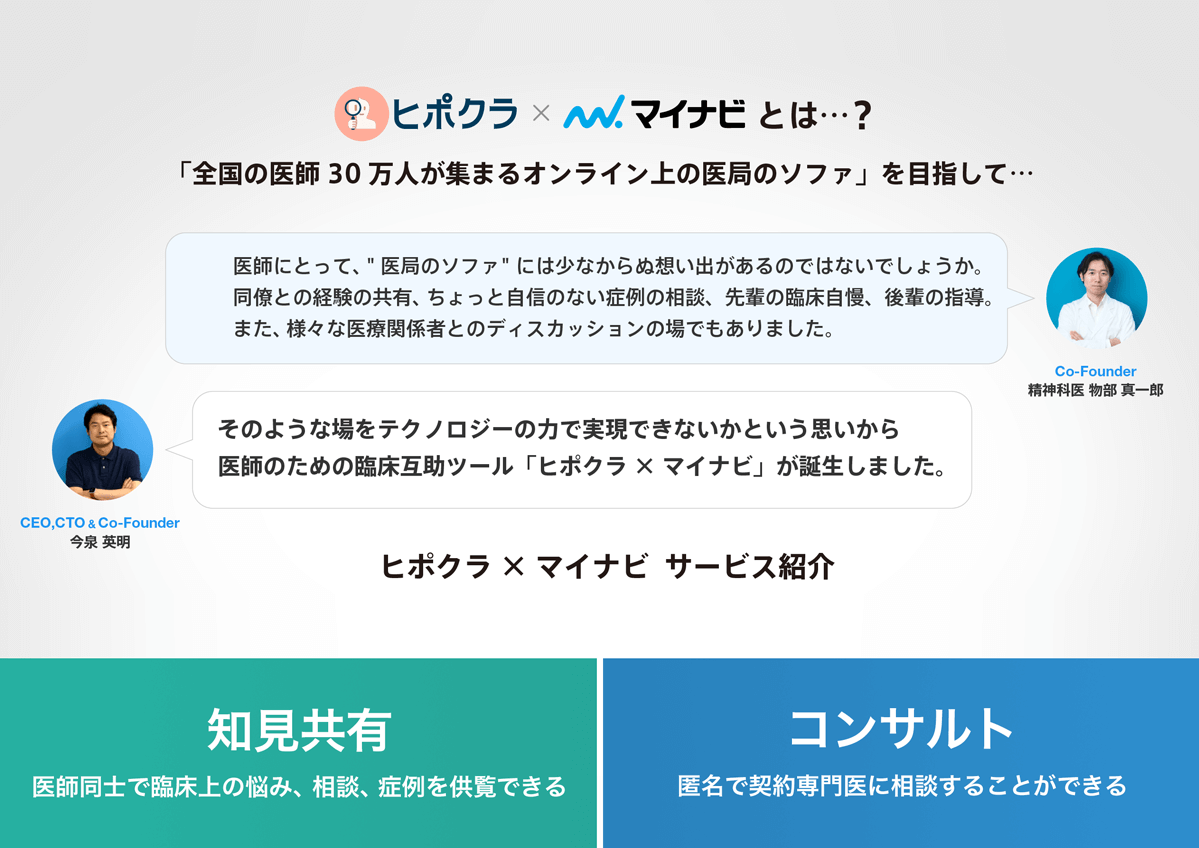
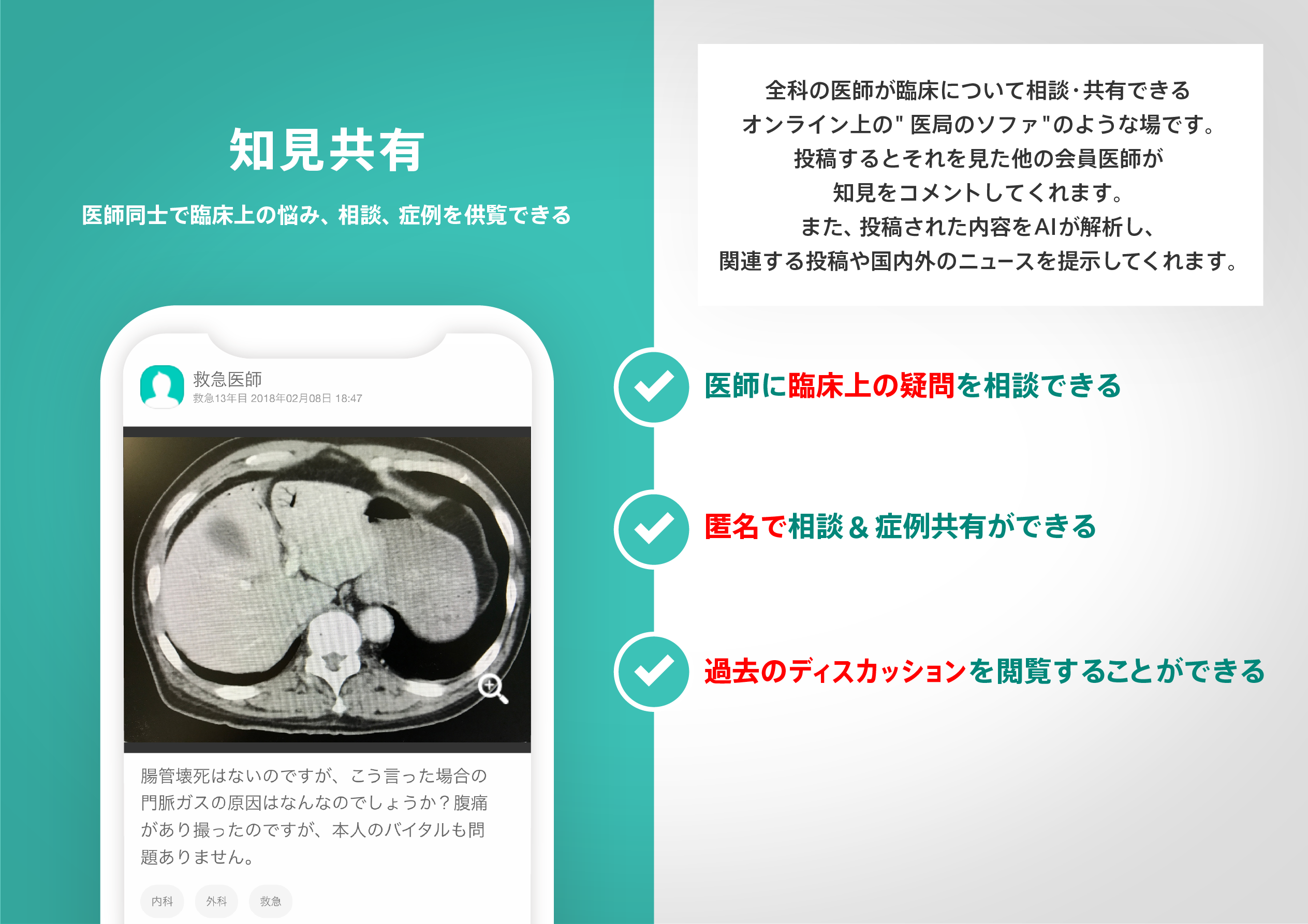
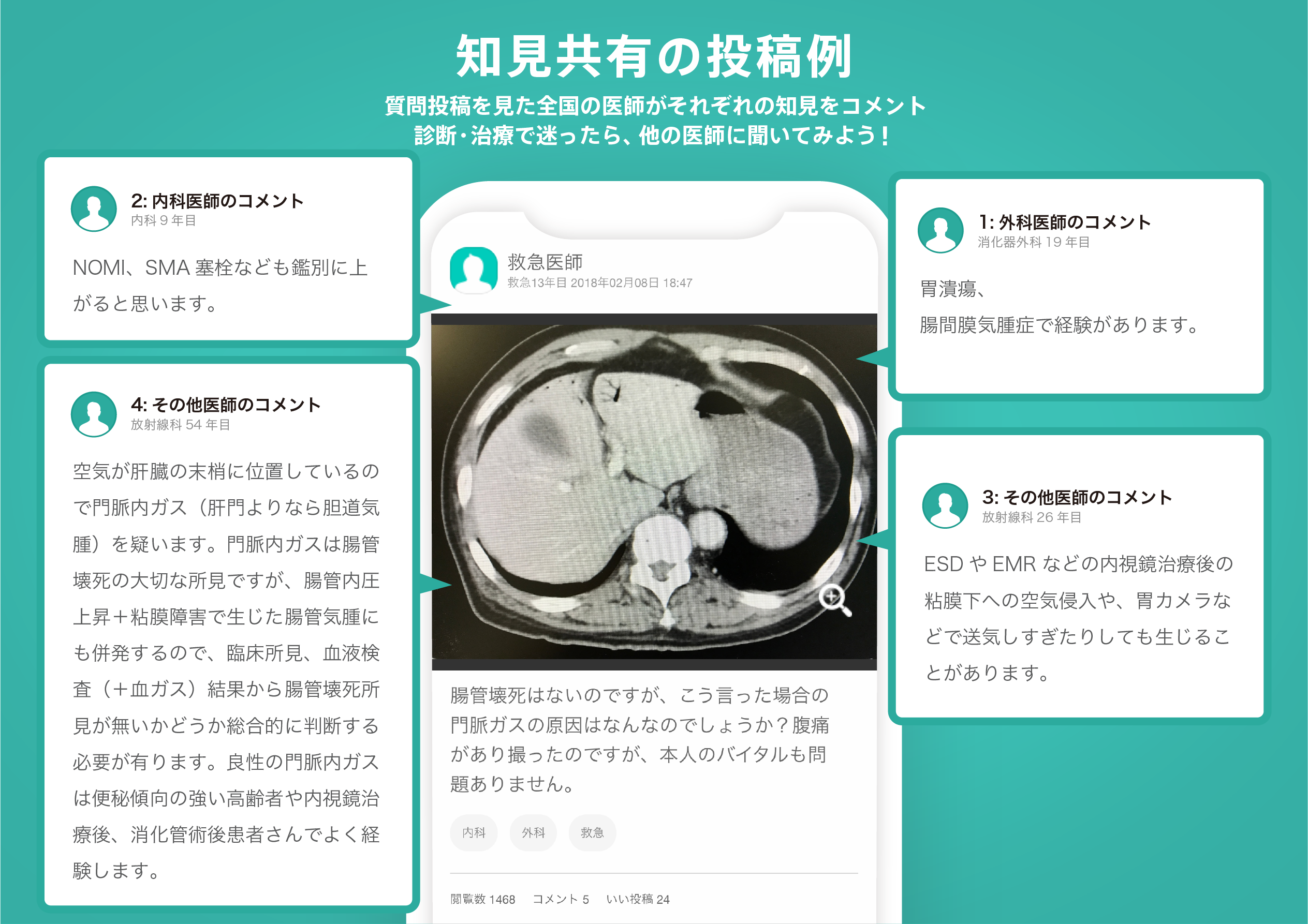
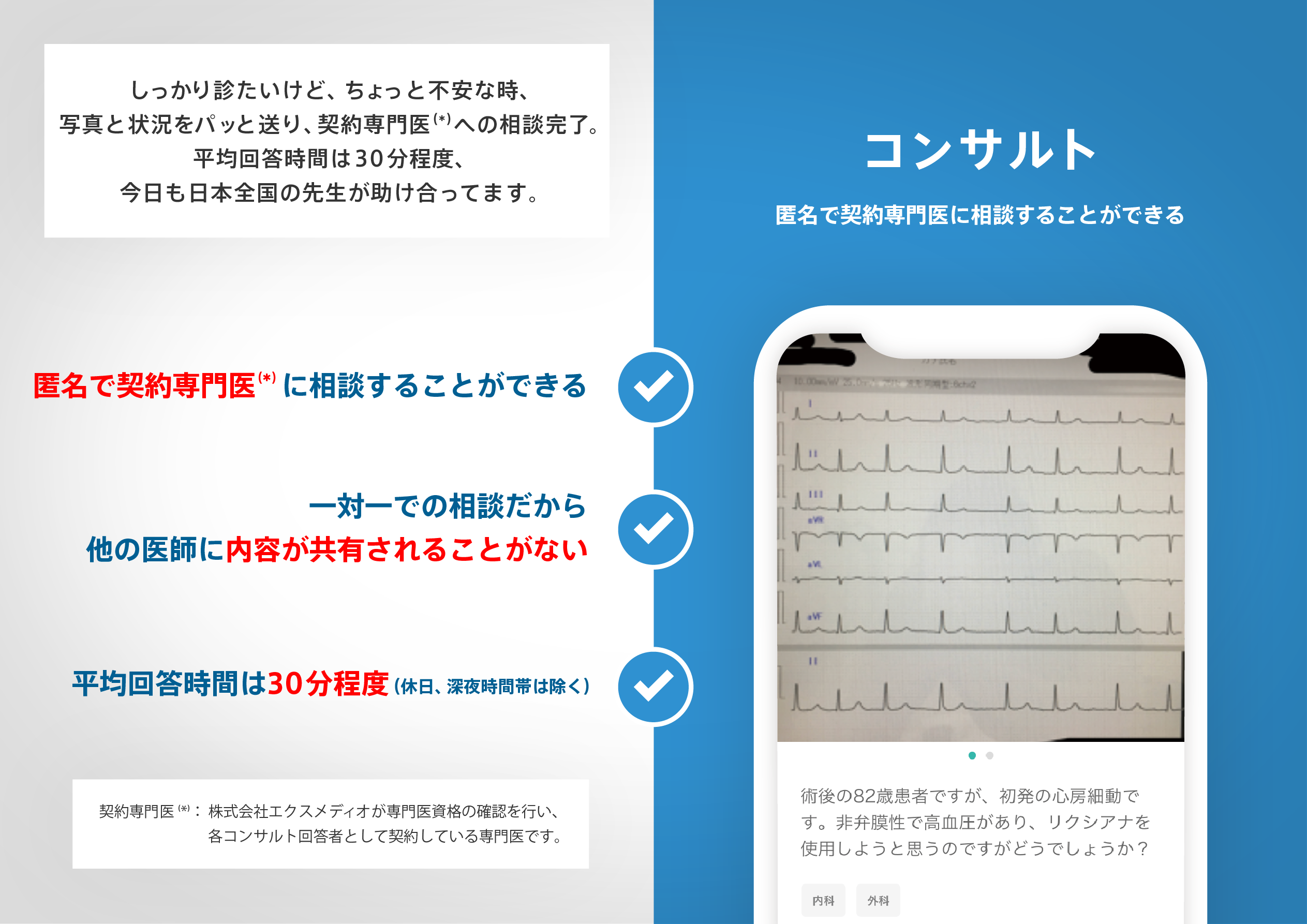
ヒポクラ x マイナビのご紹介

無料会員登録していただくと、さらに便利で効率的な検索が可能になります。