背景: スクリーニングからの紹介後の不参加は、アフリカにおける糖尿病性網膜症スクリーニングプログラムの大きな課題の 1 つです。糖尿病性網膜症を識別するための人工知能 (AI) システムは、スクリーニング時点での結果を提供できるため、即時のカウンセリングが可能になります。私たちは、スクリーニング結果と対面カウンセリングを伴う AI 支援の糖尿病性網膜症スクリーニングが、人間によるグレーディングと電話カウンセリングを延期した標準的な糖尿病性網膜症スクリーニングと比較して、中央眼科紹介クリニックに参加した真の糖尿病性網膜症患者の割合を増加させるかどうかを調査することを目的としました。 方法:この二群並行群別ランダム化対照試験は、タンザニアのキリマンジャロとアルーシャ地域にある24の病院の非感染性疾患または糖尿病クリニックで実施された。対象となる参加者(年齢 18 歳以上)は糖尿病を患っており、糖尿病網膜症のスクリーニングを受けていました。参加者は、スクリーニング結果の時点でのAI支援による糖尿病性網膜症スクリーニングと対面カウンセリング(AI介入グループ)、または人間の網膜画像評価と電話カウンセリングを延期した標準治療の糖尿病網膜症スクリーニング(標準治療グループ)のいずれかを受けるようにランダムに(1:1)に割り当てられた。参加者は両目の網膜写真を撮影しました。AI介入グループの画像はAIソフトウェアに送信され、参加者にはスクリーニング結果(紹介不可、紹介可能、または評定不能)と、撮影室を出る前に対面カウンセリングが与えられ、AI出力が参照可能または評定不能の場合には中央眼科クリニックへの紹介が与えられた。標準治療グループの参加者は、数週間後に適切なカウンセリングとともにスクリーニング結果を電話で受け取りました。主要評価項目は、英国の覆面認定採点者によって真に紹介可能な糖尿病性網膜症であると分類された参加者のうち、スクリーニング後8週間以内に中央眼科クリニックを受診することであった。この試験は ISRCTN レジストリ ISRCTN18317152 に登録されており、完了しています。 調査結果:2023年3月8日から2024年8月31日までに、2,439人の参加者が適格性について評価され、2,378人が登録され、そのうち1,192人がAI介入グループに、1,186人が標準治療グループにランダムに割り当てられた。904 人の参加者が真の糖尿病性網膜症を患っており、その内訳は AI 介入グループが 437 人、標準治療グループが 467 人でした。AI介入グループの参加者のうち、8週間以内に中央眼科クリニックを受診したのは437人中157人(35.9%)であったのに対し、標準治療グループでは467人中85人(18.2%)であり、絶対差は17.7パーセント(95% CI 12.0-23.4; オッズ比 2.52 [95% CI])でした。1・86-3・42]; p<0・0001)。 解釈: 時点でのスクリーニング結果と対面カウンセリングを備えた AI 支援スクリーニングにより、タンザニアの標準治療と比較して、スクリーニング後に中央眼科クリニックを訪れた真の糖尿病性網膜症患者の割合が増加しました。このような AI を活用したスクリーニング経路は、アフリカにおける糖尿病性網膜症のスクリーニング プログラムを改善する可能性があります。 資金提供: 英国失明予防評議会、クリスチャンブラインドミッション、およびサー・ハレー・スチュワート・トラスト。
背景: スクリーニングからの紹介後の不参加は、アフリカにおける糖尿病性網膜症スクリーニングプログラムの大きな課題の 1 つです。糖尿病性網膜症を識別するための人工知能 (AI) システムは、スクリーニング時点での結果を提供できるため、即時のカウンセリングが可能になります。私たちは、スクリーニング結果と対面カウンセリングを伴う AI 支援の糖尿病性網膜症スクリーニングが、人間によるグレーディングと電話カウンセリングを延期した標準的な糖尿病性網膜症スクリーニングと比較して、中央眼科紹介クリニックに参加した真の糖尿病性網膜症患者の割合を増加させるかどうかを調査することを目的としました。 方法:この二群並行群別ランダム化対照試験は、タンザニアのキリマンジャロとアルーシャ地域にある24の病院の非感染性疾患または糖尿病クリニックで実施された。対象となる参加者(年齢 18 歳以上)は糖尿病を患っており、糖尿病網膜症のスクリーニングを受けていました。参加者は、スクリーニング結果の時点でのAI支援による糖尿病性網膜症スクリーニングと対面カウンセリング(AI介入グループ)、または人間の網膜画像評価と電話カウンセリングを延期した標準治療の糖尿病網膜症スクリーニング(標準治療グループ)のいずれかを受けるようにランダムに(1:1)に割り当てられた。参加者は両目の網膜写真を撮影しました。AI介入グループの画像はAIソフトウェアに送信され、参加者にはスクリーニング結果(紹介不可、紹介可能、または評定不能)と、撮影室を出る前に対面カウンセリングが与えられ、AI出力が参照可能または評定不能の場合には中央眼科クリニックへの紹介が与えられた。標準治療グループの参加者は、数週間後に適切なカウンセリングとともにスクリーニング結果を電話で受け取りました。主要評価項目は、英国の覆面認定採点者によって真に紹介可能な糖尿病性網膜症であると分類された参加者のうち、スクリーニング後8週間以内に中央眼科クリニックを受診することであった。この試験は ISRCTN レジストリ ISRCTN18317152 に登録されており、完了しています。 調査結果:2023年3月8日から2024年8月31日までに、2,439人の参加者が適格性について評価され、2,378人が登録され、そのうち1,192人がAI介入グループに、1,186人が標準治療グループにランダムに割り当てられた。904 人の参加者が真の糖尿病性網膜症を患っており、その内訳は AI 介入グループが 437 人、標準治療グループが 467 人でした。AI介入グループの参加者のうち、8週間以内に中央眼科クリニックを受診したのは437人中157人(35.9%)であったのに対し、標準治療グループでは467人中85人(18.2%)であり、絶対差は17.7パーセント(95% CI 12.0-23.4; オッズ比 2.52 [95% CI])でした。1・86-3・42]; p<0・0001)。 解釈: 時点でのスクリーニング結果と対面カウンセリングを備えた AI 支援スクリーニングにより、タンザニアの標準治療と比較して、スクリーニング後に中央眼科クリニックを訪れた真の糖尿病性網膜症患者の割合が増加しました。このような AI を活用したスクリーニング経路は、アフリカにおける糖尿病性網膜症のスクリーニング プログラムを改善する可能性があります。 資金提供: 英国失明予防評議会、クリスチャンブラインドミッション、およびサー・ハレー・スチュワート・トラスト。
BACKGROUND: Non-attendance after referral from screening is one of the major challenges for diabetic retinopathy screening programmes in Africa. Artificial intelligence (AI) systems for the identification of diabetic retinopathy can provide point-of-screening results and therefore enable immediate counselling. We aimed to investigate whether AI-supported diabetic retinopathy screening, with a point-of-screening result and face-to-face counselling, increased the proportion of people with true referable diabetic retinopathy who attended the central ophthalmology referral clinic when compared with standard diabetic retinopathy screening with deferred human grading and telephone counselling. METHODS: This two-arm, parallel-group, individually randomised controlled trial was conducted at non-communicable disease or diabetic clinics in 24 hospitals in the Kilimanjaro and Arusha regions of Tanzania. Eligible participants (aged ≥18 years) had diabetes and attended diabetic retinopathy screening. Participants were randomly assigned (1:1) to receive either AI-supported diabetic retinopathy screening with a point-of-screening result and face-to-face counselling (the AI-intervention group) or standard-of-care diabetic retinopathy screening with deferred human retinal image assessment and telephone counselling (the standard-of-care group). Participants had retinal photographs taken of both eyes. Images from the AI-intervention group were submitted to the AI software, and these participants were given their screening result (non-referable, referable, or ungradable) plus face-to-face counselling before leaving the photography room, with a referral to the central ophthalmology clinic if the AI output was referable or ungradable. Participants in the standard-of-care group received their screening result, along with appropriate counselling, by telephone a few weeks later. The primary outcome was attendance at the central ophthalmology clinic within 8 weeks of screening among participants classified by masked UK-certified graders as having true referable diabetic retinopathy. This trial was registered with the ISRCTN Registry, ISRCTN18317152, and is complete. FINDINGS: Between March 8, 2023, and Aug 31, 2024, 2439 participants were assessed for eligibility and 2378 were enrolled, of whom 1192 were randomly assigned to the AI-intervention group and 1186 to the standard-of-care group. 904 participants had true referable diabetic retinopathy, comprising 437 in the AI-intervention group and 467 in the standard-of-care group. Of the participants in the AI-intervention group, 157 (35·9%) of 437 attended the central ophthalmology clinic within 8 weeks, compared with 85 (18·2%) of 467 in the standard-of-care group, an absolute difference of 17·7 percentage points (95% CI 12·0-23·4; odds ratio 2·52 [95% CI 1·86-3·42]; p<0·0001). INTERPRETATION: AI-supported screening, with a point-of-screening result and face-to-face counselling, increased the proportion of people with true referable diabetic retinopathy that attended the central ophthalmology clinic after screening compared with the standard of care in Tanzania. Such AI-enabled screening pathways have the potential to improve diabetic retinopathy screening programmes in Africa. FUNDING: British Council for the Prevention of Blindness, Christian Blind Mission, and the Sir Halley Stewart Trust.
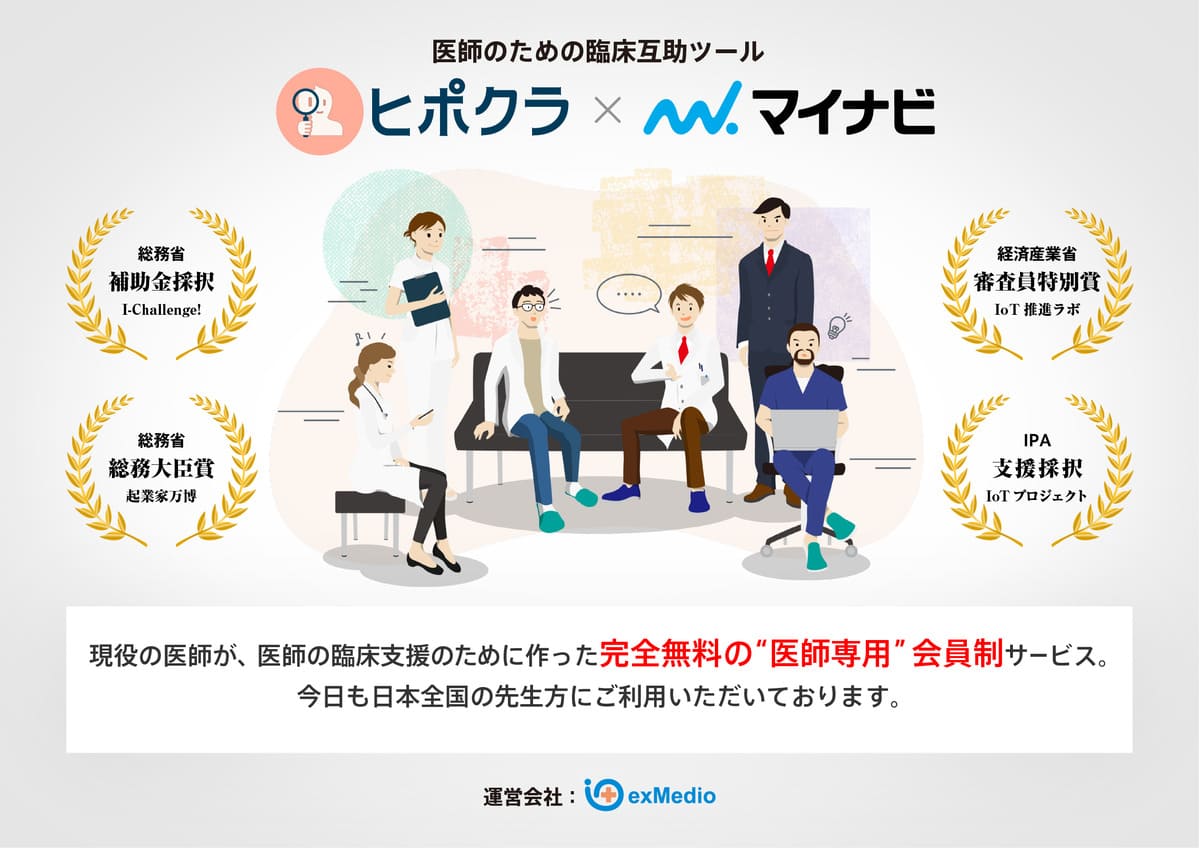
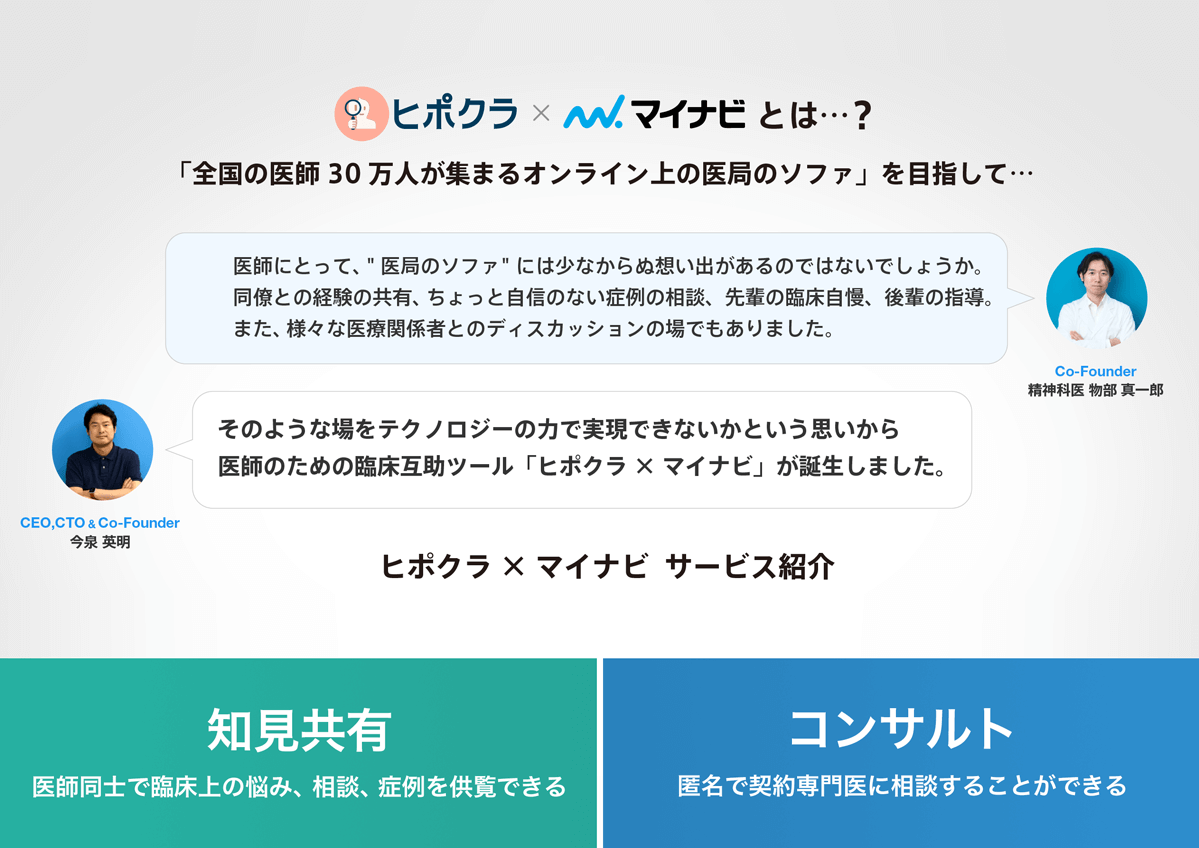
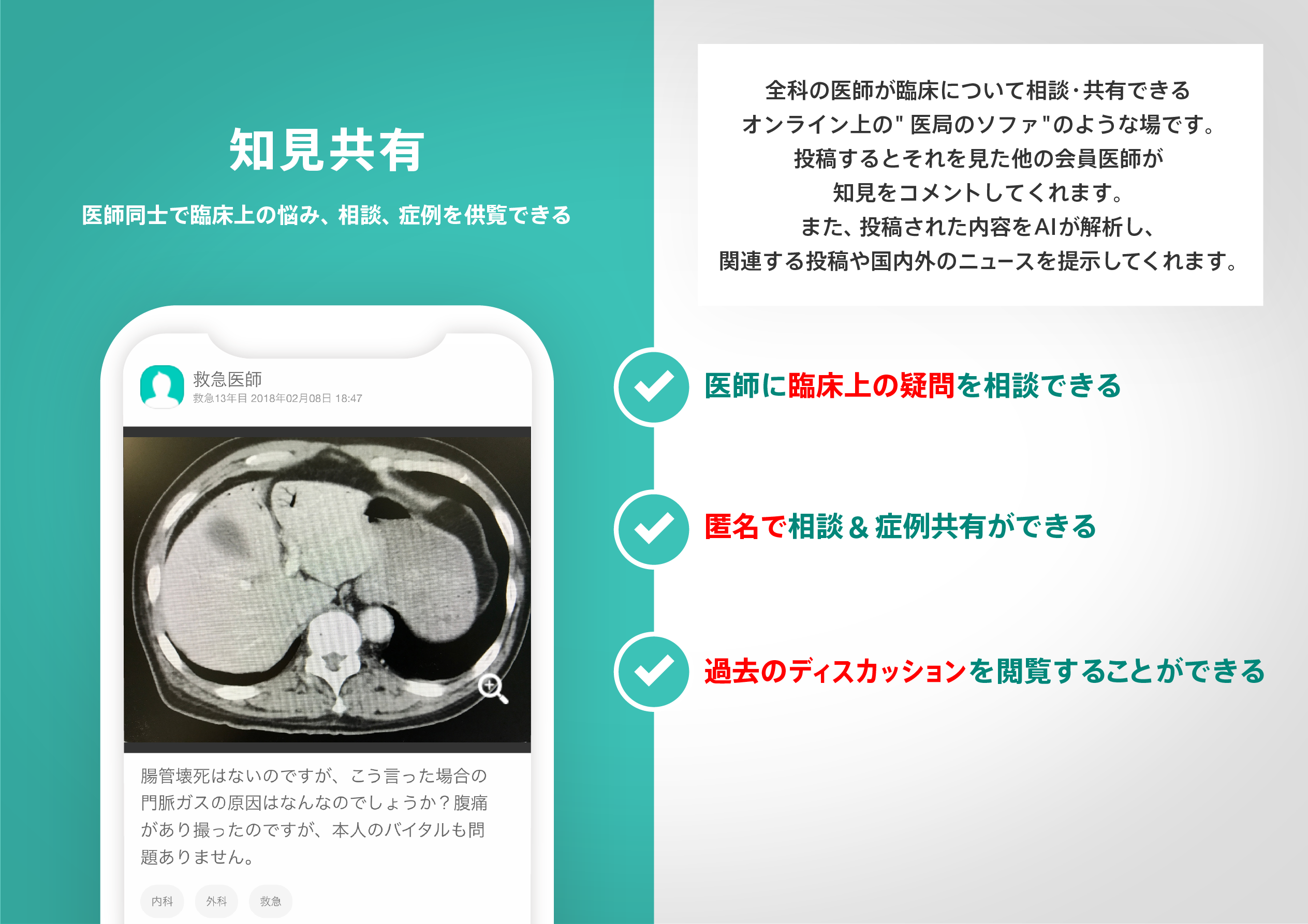
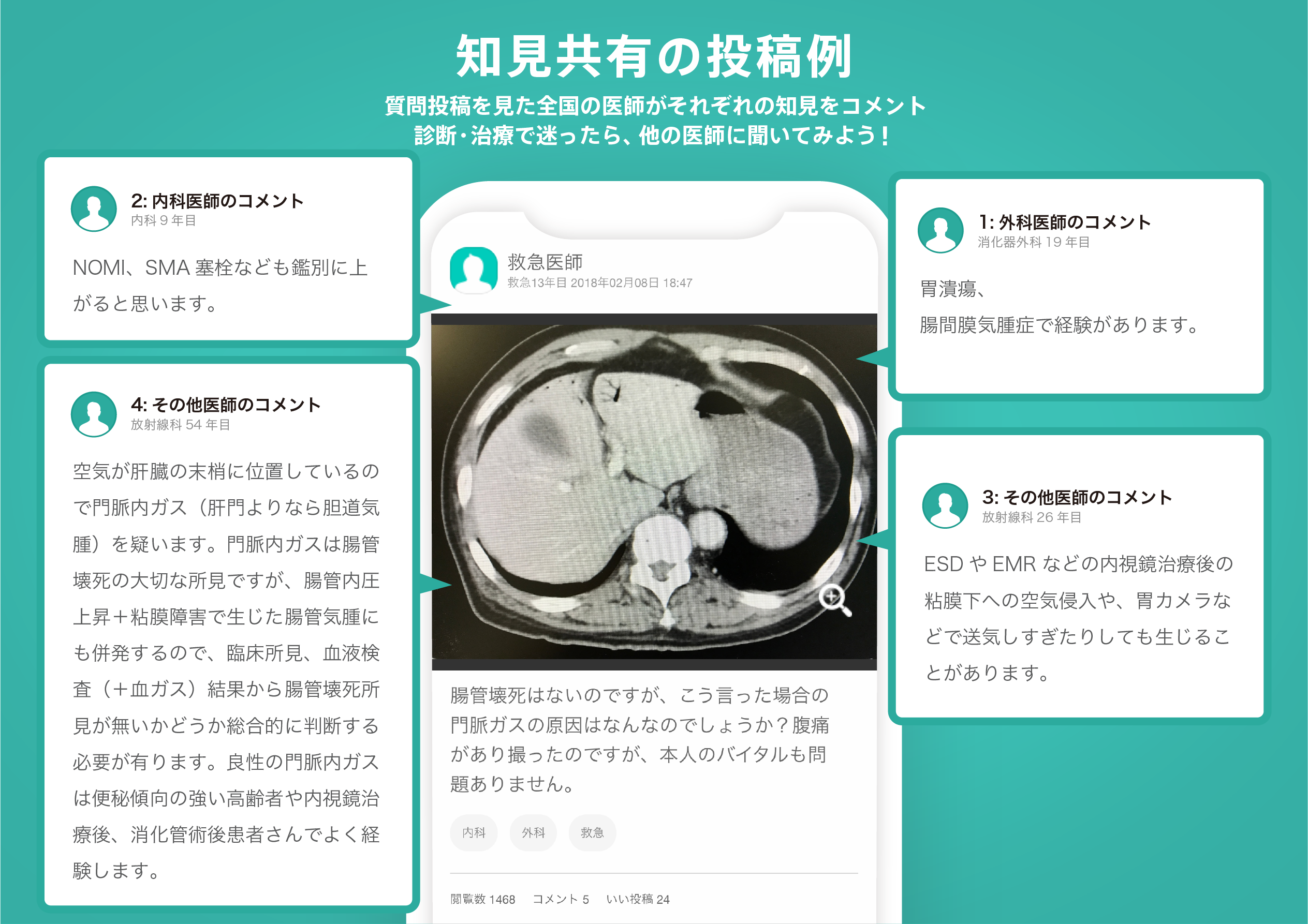
医師のための臨床サポートサービス
ヒポクラ x マイナビのご紹介
無料会員登録していただくと、さらに便利で効率的な検索が可能になります。