目的: 歯科インプラントの失敗と 10 年を超えた生存率の推定値を更新し、成功の定義と生物学的転帰が長期パフォーマンスの解釈にどのような影響を与えるかを調査する。 材料と方法:ランダム化比較試験、前向きコホート、少なくとも10 年間の追跡調査を行った後ろ向きコホートが含まれました。失敗率は、クラスタリング補正と予測間隔を備えた変量効果モデルを使用した研究デザインによってプールされました。感度分析では、影響力のある研究、バイアスのリスク、表層時代、およびクラスタリングの仮定を評価しました。成功、プロービング深さ (PD)、辺縁骨損失 (MBL)、およびインプラント周囲炎が説明的にまとめられました。 結果: 7522 人の患者と 20 445 個のインプラントを含む 34 件の研究が分析されました。プールされた失敗率は、前向き研究で 5.1% (95% CI、3.0% ~ 8.7%)、後ろ向き研究で 4.9% (95% CI、3.3% ~ 7.1%)、ランダム化試験で 4.8% (95% CI、3.2% ~ 7.1%) で、生存率は約 94.9%、95.1%、およびそれぞれ95.2%。成功率は 14 件の研究で平均 85.1% でしたが、定義は大きく異なりました。記述平均は、PDで2.99 mm、MBLで1.30 mm、インプラントレベルのインプラント周囲炎で10.8%(範囲、3.0%~39.9%)でした。 結論: 歯科インプラントは保持力の点で非常に耐久性があり、10~25 年後の生存率は約 95% です。しかし、高い生存率は長期的な生物学的健康や真の治療成功を確立するものではありません。成功率は低く、定義に依存しており、インプラント周囲疾患はかなりのばらつきを示しました。したがって、長期にわたるインプラント治療を判断するには、保持率は必要ではありますが、不十分な評価項目となります。 臨床関連性: 長期評価では、生物学的、X線撮影、技術的、機能的、そして患者中心の結果を統合する必要があります。
目的: 歯科インプラントの失敗と 10 年を超えた生存率の推定値を更新し、成功の定義と生物学的転帰が長期パフォーマンスの解釈にどのような影響を与えるかを調査する。 材料と方法:ランダム化比較試験、前向きコホート、少なくとも10 年間の追跡調査を行った後ろ向きコホートが含まれました。失敗率は、クラスタリング補正と予測間隔を備えた変量効果モデルを使用した研究デザインによってプールされました。感度分析では、影響力のある研究、バイアスのリスク、表層時代、およびクラスタリングの仮定を評価しました。成功、プロービング深さ (PD)、辺縁骨損失 (MBL)、およびインプラント周囲炎が説明的にまとめられました。 結果: 7522 人の患者と 20 445 個のインプラントを含む 34 件の研究が分析されました。プールされた失敗率は、前向き研究で 5.1% (95% CI、3.0% ~ 8.7%)、後ろ向き研究で 4.9% (95% CI、3.3% ~ 7.1%)、ランダム化試験で 4.8% (95% CI、3.2% ~ 7.1%) で、生存率は約 94.9%、95.1%、およびそれぞれ95.2%。成功率は 14 件の研究で平均 85.1% でしたが、定義は大きく異なりました。記述平均は、PDで2.99 mm、MBLで1.30 mm、インプラントレベルのインプラント周囲炎で10.8%(範囲、3.0%~39.9%)でした。 結論: 歯科インプラントは保持力の点で非常に耐久性があり、10~25 年後の生存率は約 95% です。しかし、高い生存率は長期的な生物学的健康や真の治療成功を確立するものではありません。成功率は低く、定義に依存しており、インプラント周囲疾患はかなりのばらつきを示しました。したがって、長期にわたるインプラント治療を判断するには、保持率は必要ではありますが、不十分な評価項目となります。 臨床関連性: 長期評価では、生物学的、X線撮影、技術的、機能的、そして患者中心の結果を統合する必要があります。
OBJECTIVES: To update dental implant failure and survival estimates beyond 10 years and examine how success definitions and biological outcomes affect interpretation of long-term performance. MATERIALS AND METHODS: Randomized controlled trials, prospective cohorts, and retrospective cohorts with at least 10 years of follow-up were included. Failure proportions were pooled by study design using random-effects models with clustering corrections and prediction intervals. Sensitivity analyses assessed influential studies, risk of bias, surface era, and clustering assumptions. Success, probing depth (PD), marginal bone loss (MBL), and peri-implantitis were summarized descriptively. RESULTS: Thirty-four studies including 7522 patients and 20 445 implants were analyzed. Pooled failure was 5.1% in prospective studies (95% CI, 3.0%-8.7%), 4.9% in retrospective studies (95% CI, 3.3%-7.1%), and 4.8% in randomized trials (95% CI, 3.2%-7.1%), corresponding to survival of approximately 94.9%, 95.1%, and 95.2%, respectively. Success averaged 85.1% across 14 studies, but definitions varied substantially. Descriptive means were 2.99 mm for PD, 1.30 mm for MBL, and 10.8% for implant-level peri-implantitis (range, 3.0%-39.9%). CONCLUSIONS: Dental implants are highly durable in terms of retention, with approximately 95% survival after 10-25 years. However, high survival does not establish long-term biological health or true treatment success: success rates were lower and definition-dependent, and peri-implant disease showed substantial variability. Retention is therefore a necessary but insufficient endpoint for judging long-term implant therapy. CLINICAL RELEVANCE: Long-term assessment should integrate biological, radiographic, technical, functional, and patient-centered outcomes.
医師のための臨床サポートサービス
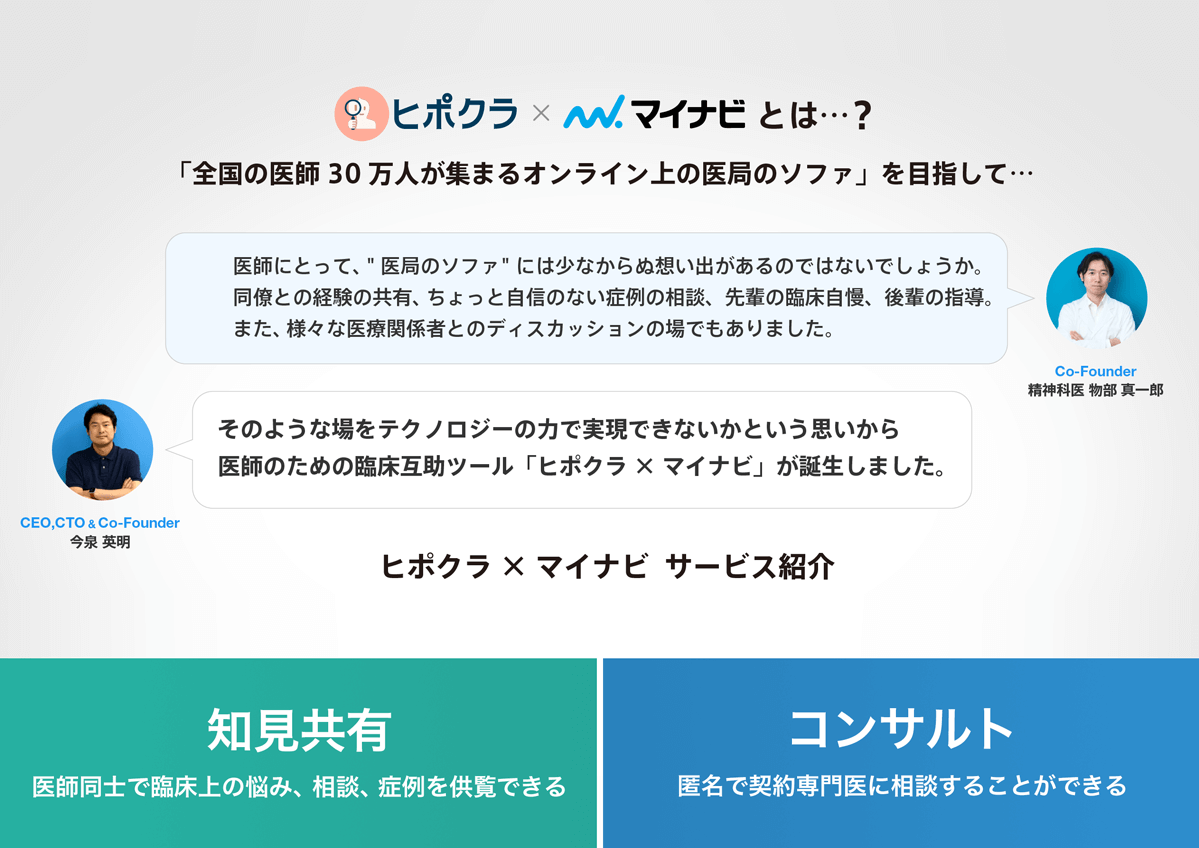
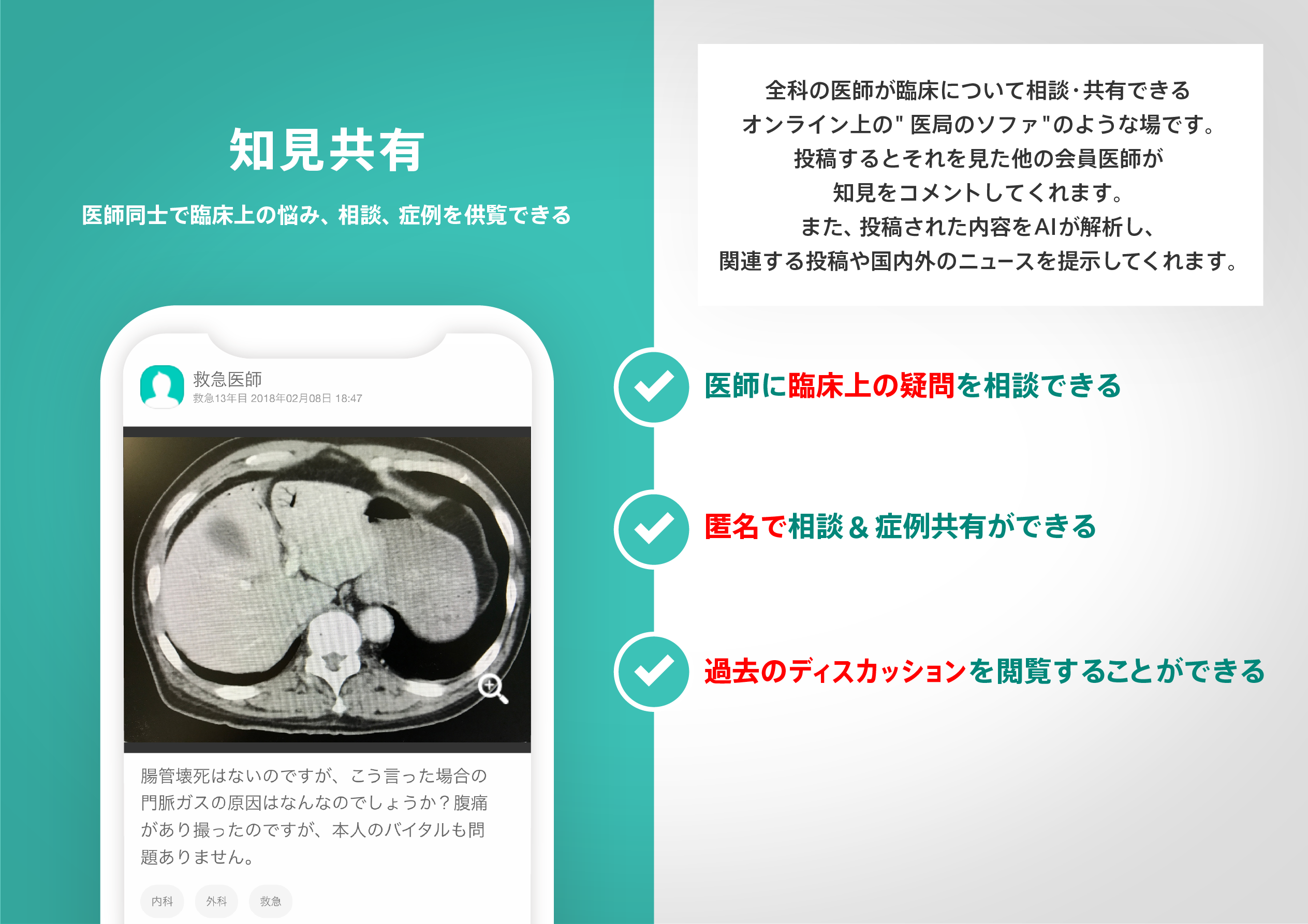
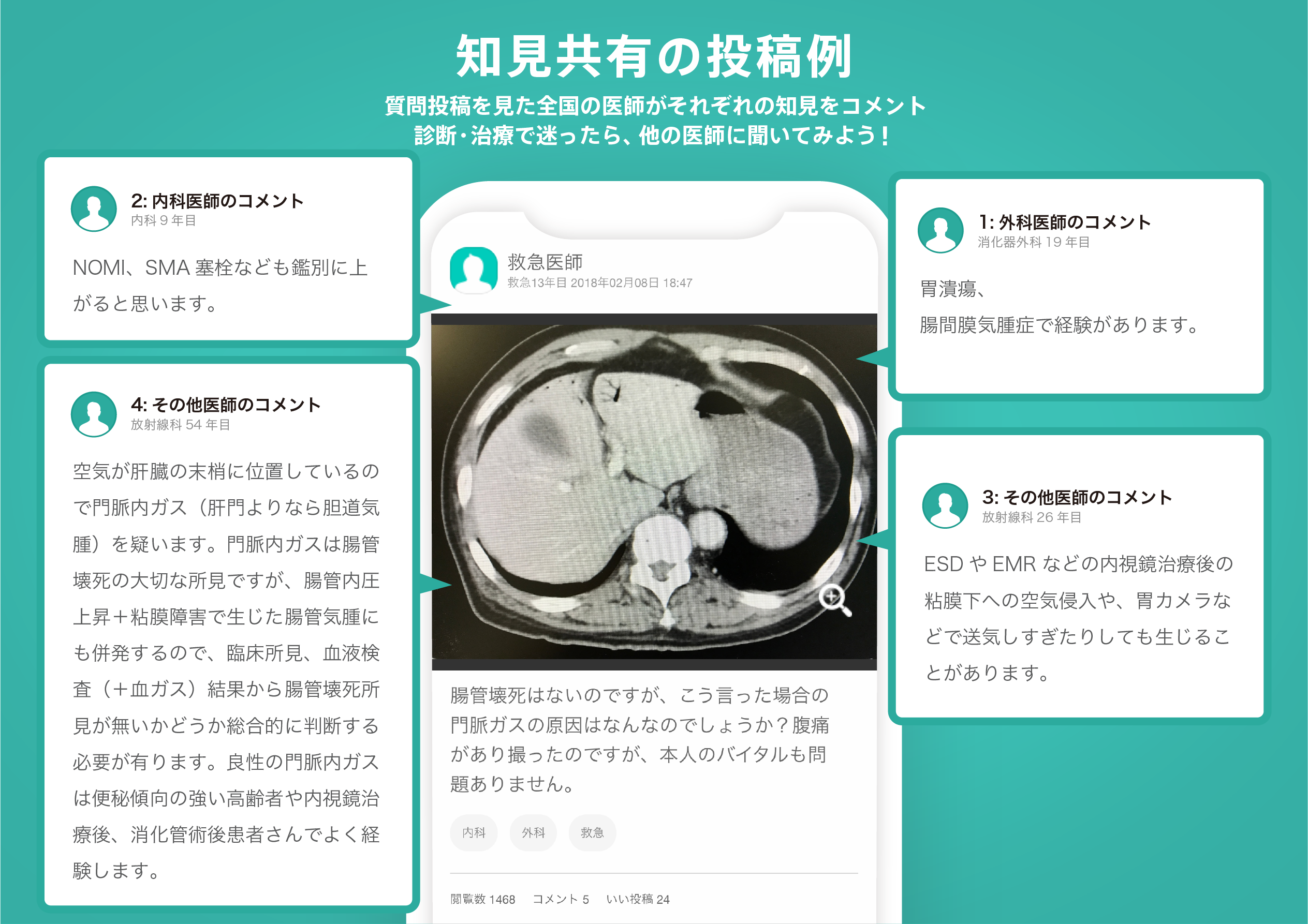
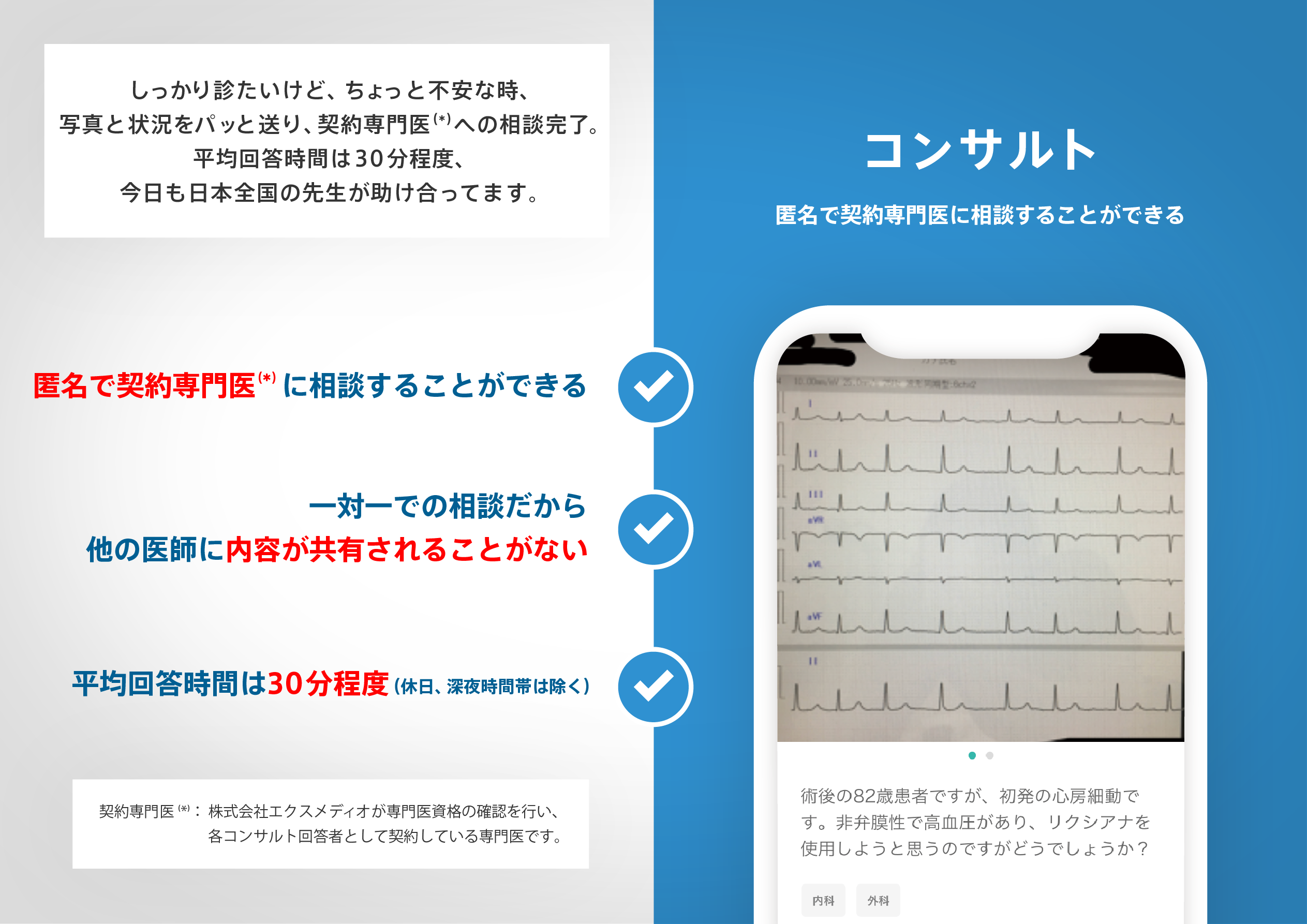
ヒポクラ x マイナビのご紹介

無料会員登録していただくと、さらに便利で効率的な検索が可能になります。