目的:クロスオーバーランダム化比較試験(RCT)後に三次元(3D)プリンティング(CAD-3DP)で製造された総義歯を装着し続けた無歯顎患者の2年間の累積成功率と生存率、口腔健康関連生活の質(OHRQoL)の変化、患者満足度を評価する。 方法:RCT後に上顎および下顎のCAD-3DPを装着した無歯顎患者18名(義歯36本)を前向きに追跡調査した。イベントは、義歯の破損、修復、裏張り、または咬合再建(成功率)および使用の中止(生存率)でした。OHRQoL (合計および 7 つのサブドメイン スコア) および患者満足度 (視覚的アナログ スケール) は、RCT の結論時 (T0) および 6 か月ごとに 24 か月まで (T4) 評価され、T0 と比較されました。 結果: 24 個の義歯 (患者 12 人) が 2 年間の観察を完了しました。成功分析では、唯一の出来事は 4 つの上顎義歯の骨折であり、すべて 1 年以内に発生しました。生存率分析では、上顎骨骨折後に 4 本の義歯 (2 人の患者) が中止されました。2 年間の累積成功率と生存率は、それぞれ 88% と 87% でした。骨折した義歯の口蓋厚は、設計範囲 (2.0 ~ 2.5 mm) の下端である 2.0 ~ 2.1 mm に設定されていました。追跡調査中のOHRQoL合計スコア、その7つのサブドメインのいずれか、または患者満足度には、T0からの有意な変化は検出されませんでした。 結論: CAD-3DP は、OHRQoL と患者満足度を維持しながら、高い 2 年成功率と生存率を示し、無歯顎患者にとって効果的な補綴治療の選択肢となり得る。 臨床的意義: 2 年間の前向きデータは、3D プリント総義歯の臨床応用可能性を裏付けています。すべての骨折は口蓋厚が薄い設定の上顎義歯で発生しており、義歯の設計に注意を払うことが骨折の防止に役立つ可能性があることを示唆しています。 トライアル登録: UMIN000037947。
目的:クロスオーバーランダム化比較試験(RCT)後に三次元(3D)プリンティング(CAD-3DP)で製造された総義歯を装着し続けた無歯顎患者の2年間の累積成功率と生存率、口腔健康関連生活の質(OHRQoL)の変化、患者満足度を評価する。 方法:RCT後に上顎および下顎のCAD-3DPを装着した無歯顎患者18名(義歯36本)を前向きに追跡調査した。イベントは、義歯の破損、修復、裏張り、または咬合再建(成功率)および使用の中止(生存率)でした。OHRQoL (合計および 7 つのサブドメイン スコア) および患者満足度 (視覚的アナログ スケール) は、RCT の結論時 (T0) および 6 か月ごとに 24 か月まで (T4) 評価され、T0 と比較されました。 結果: 24 個の義歯 (患者 12 人) が 2 年間の観察を完了しました。成功分析では、唯一の出来事は 4 つの上顎義歯の骨折であり、すべて 1 年以内に発生しました。生存率分析では、上顎骨骨折後に 4 本の義歯 (2 人の患者) が中止されました。2 年間の累積成功率と生存率は、それぞれ 88% と 87% でした。骨折した義歯の口蓋厚は、設計範囲 (2.0 ~ 2.5 mm) の下端である 2.0 ~ 2.1 mm に設定されていました。追跡調査中のOHRQoL合計スコア、その7つのサブドメインのいずれか、または患者満足度には、T0からの有意な変化は検出されませんでした。 結論: CAD-3DP は、OHRQoL と患者満足度を維持しながら、高い 2 年成功率と生存率を示し、無歯顎患者にとって効果的な補綴治療の選択肢となり得る。 臨床的意義: 2 年間の前向きデータは、3D プリント総義歯の臨床応用可能性を裏付けています。すべての骨折は口蓋厚が薄い設定の上顎義歯で発生しており、義歯の設計に注意を払うことが骨折の防止に役立つ可能性があることを示唆しています。 トライアル登録: UMIN000037947。
OBJECTIVES: To evaluate 2-year cumulative success and survival rates, changes in oral health-related quality of life (OHRQoL), and patient satisfaction among edentulous patients who continued to wear complete dentures fabricated by three-dimensional (3D) printing (CAD-3DPs) after a crossover randomized controlled trial (RCT). METHODS: Eighteen edentulous patients (36 dentures) wearing maxillary and mandibular CAD-3DPs after the RCT were prospectively followed. Events were denture fracture, repair, relining, or occlusal reconstruction (success rate) and discontinuation of use (survival rate). OHRQoL (total and seven subdomain scores) and patient satisfaction (visual analogue scale) were assessed at RCT conclusion (T0) and every 6 months up to 24 months (T4), and compared with T0. RESULTS: Twenty-four dentures (12 patients) completed 2-year observation. In the success analysis, the only events were fractures of four maxillary dentures, all occurring within the first year; in the survival analysis, four dentures (two patients) were discontinued after maxillary fracture. Two-year cumulative success and survival rates were 88% and 87%, respectively. Palatal thickness of fractured dentures had been set at 2.0-2.1 mm, at the lower end of the design range (2.0-2.5 mm). No significant changes from T0 were detected in the OHRQoL total score, any of its seven subdomains, or patient satisfaction during follow-up. CONCLUSIONS: CAD-3DPs showed high 2-year success and survival rates, with maintained OHRQoL and patient satisfaction, and can be an effective prosthetic treatment option for edentulous patients. CLINICAL SIGNIFICANCE: Two-year prospective data support the clinical applicability of 3D-printed complete dentures. All fractures occurred in maxillary dentures with a thin palatal thickness setting, suggesting that attention to the denture design may help prevent fracture. TRIAL REGISTRATION: UMIN000037947.
医師のための臨床サポートサービス
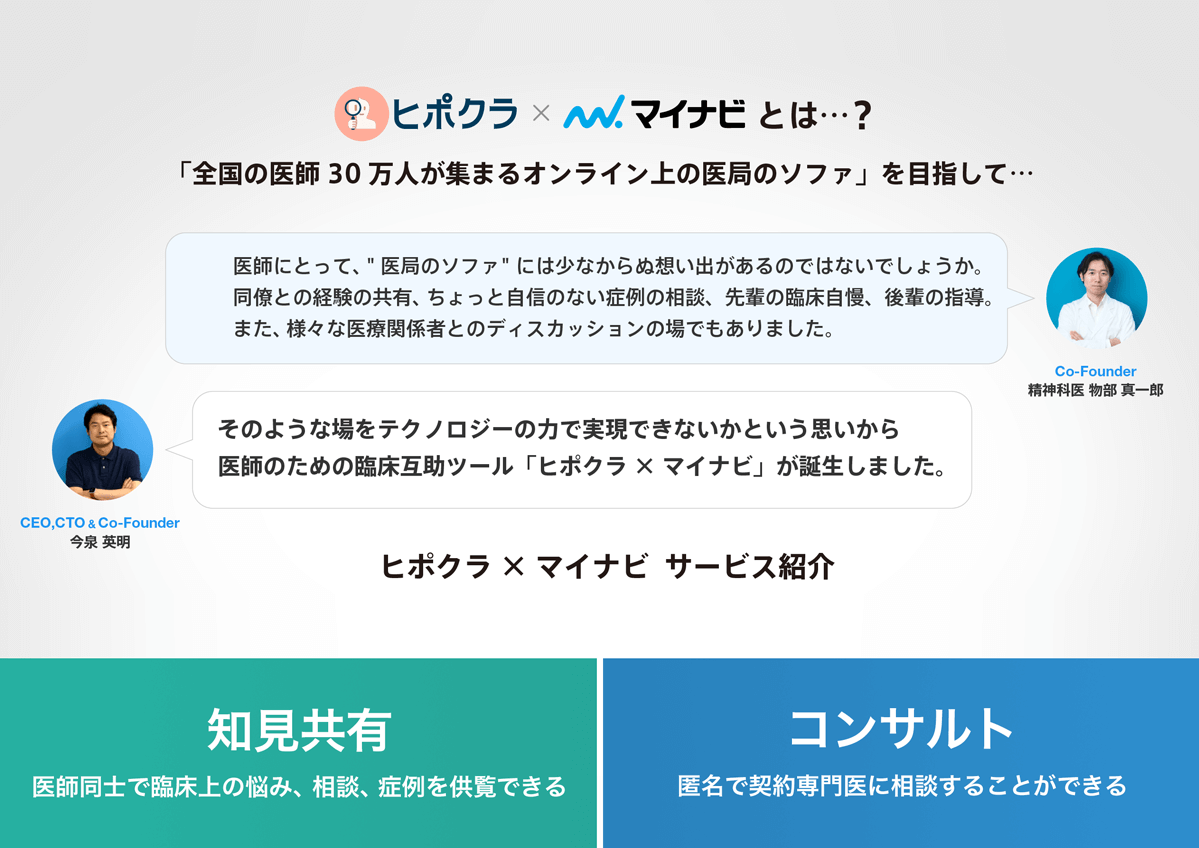
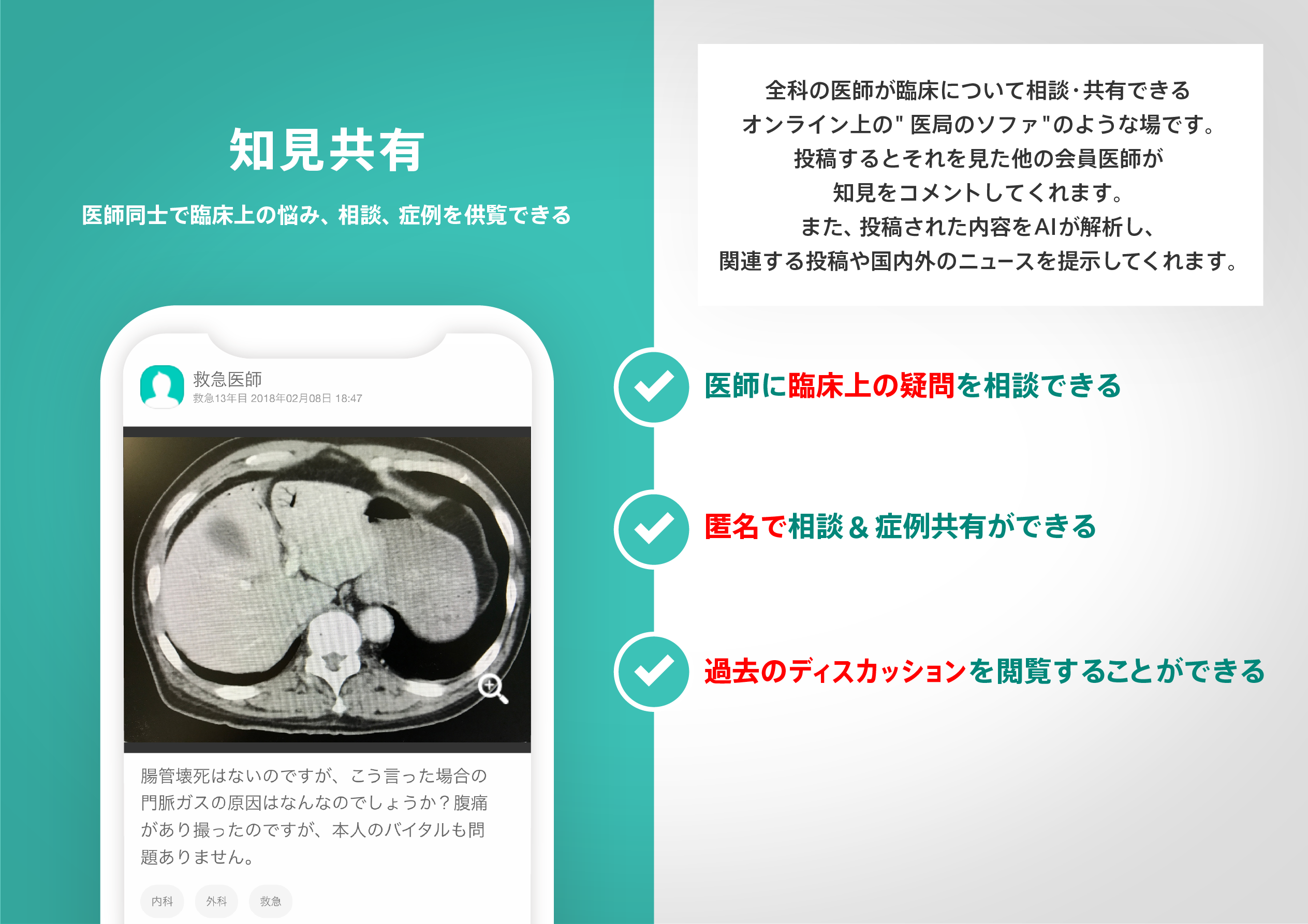
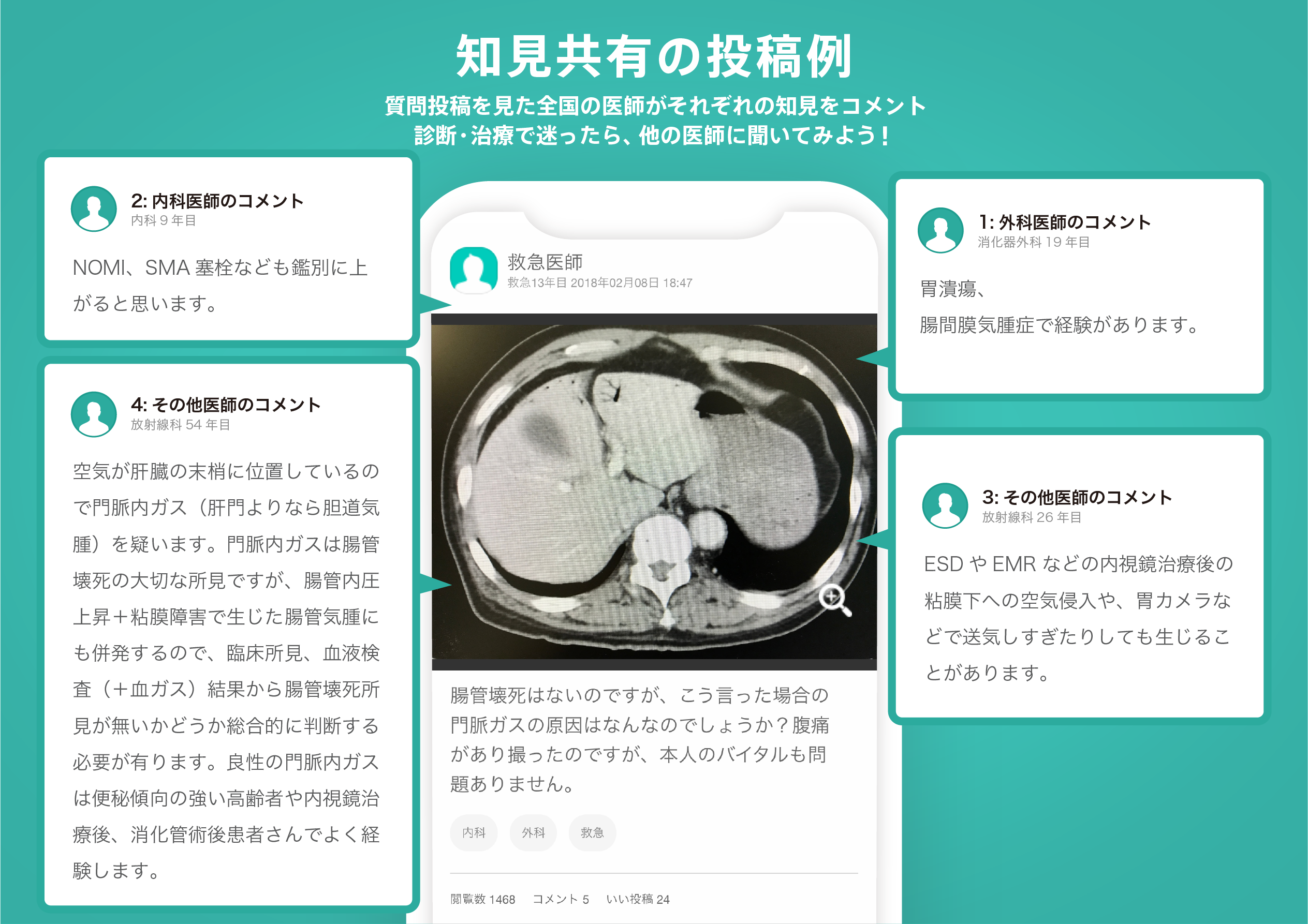
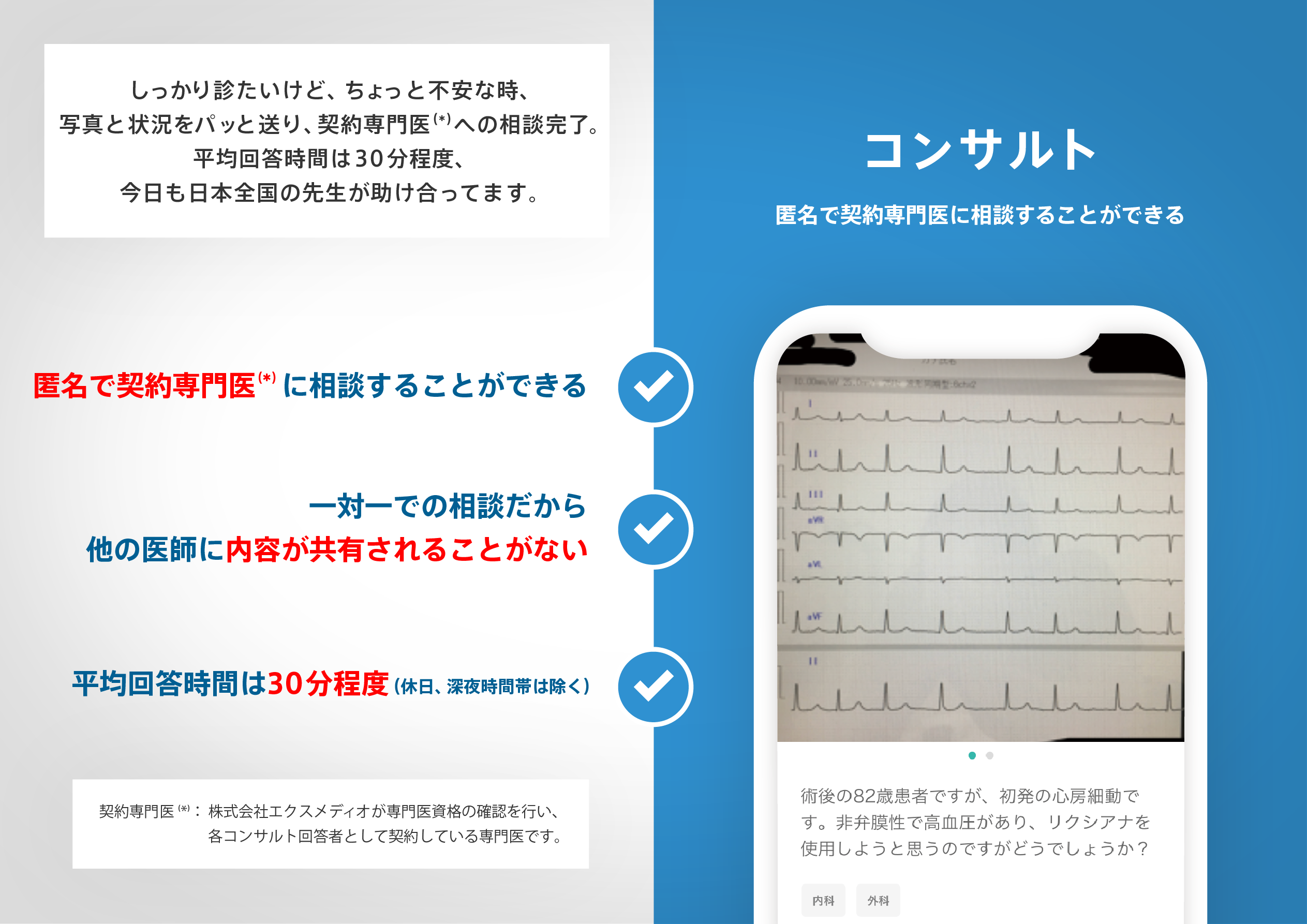
ヒポクラ x マイナビのご紹介

無料会員登録していただくと、さらに便利で効率的な検索が可能になります。