背景: 小児肝移植後の肝動脈血栓症は、急性移植片不全を引き起こす可能性がある重篤な合併症であり、多くの場合、緊急の再移植が必要となります。私たちは、小児肝移植後の肝動脈血栓症患者における、1年間の移植片喪失と死亡の発生率を評価し、肝動脈血栓症のタイミングと治療アプローチに応じて転帰を評価することを目的としました。 方法:この国際的な多施設共同後ろ向き研究では、2025年12月時点で21カ国33施設に登録されている肝レジストリを用いて、2002年1月1日から2021年12月31日までの間に小児肝移植後18歳未満で肝動脈血栓症を発症し、肝動脈血栓症の診断を受けた、または肝疾患の介入を受けた患者を特定した。地域の医療記録から収集されたドナー関連、レシピエント関連、および移植関連の特徴は、参加センターによって電子症例報告書に遡及的に入力され、一元的なデータ品質管理が行われました。主要アウトカムは、肝動脈血栓症診断後の1年間の移植片喪失と死亡率であった。転帰は、小児肝移植後に肝動脈血栓症が発生した時期(早期[7日以内] vs 後期[7日以上])、一次管理戦略(保存的管理、外科的血行再建術、血管内治療、または再移植の即時リスト)、および移植時期(5年間隔)に基づいて検討された。レジストリは ClinicalTrials.gov、NCT05818644 に登録されました。 所見:肝動脈血栓症は415人の患者で発生し、そのうち216人(52%)が女性、199人(48%)が男性で、年齢中央値は1・7歳(IQR 0・8~6・5)であった。追跡調査期間の中央値は50・9か月(IQR 17・0-112・6)でした。移植片喪失は1か月までに180人の患者(累積発生率43% [95% CI 38-48])、1年までに222人(54% [49-58])に発生した。51人の患者(12%[9-15])が1ヶ月までに死亡し、77人(19%[15-22])が1年までに死亡した。外科的血行再建術は、195 人 (47%) の患者における第一選択の治療アプローチでした。その他の戦略には、99 人 (24%) で再移植、79 人 (19%) で保存的管理、42 人 (10%) で血管内治療が含まれていました。治療アプローチは時間の経過とともに変化し、保存的管理と血管内治療の使用が増加し、再移植のリストが減少しました(p<0.0001)が、時代を超えた1年死亡率に付随する変化はありませんでした(p=0.14)。早期(7 日以内)の肝動脈血栓症は 282 人(68%)の患者に発生し、後期(7 日以上)肝動脈血栓症よりも高い 1 年間の移植片喪失と関連していました(累積発生率 57% [95% CI 51-63] vs 47% [37-55]、ログランク p=0.010)。外科的血行再建術は167人(59%)の患者に使用され、早期肝動脈血栓症の患者66人(23%)には再移植のリストが示されたが、保存的管理は51人(38%)の患者に使用され、血管内治療は後期肝動脈血栓症の患者21人(16%)に使用された。しかし、早期肝動脈血栓症患者と後期肝動脈血栓症患者の1年死亡率は治療戦略間で差がなかった。 解釈:小児肝移植後の肝動脈血栓症は、特に肝動脈血栓症が術後 7 日以内に発生した場合、1 年間の移植片喪失率と死亡率が著しく高いことに関連しています。肝動脈血栓症の管理戦略は、移植後の肝動脈血栓症の発生時期によって異なります。過去 20 年にわたる管理の変化にも関わらず、転帰は依然として芳しくなく、この合併症に対する治療戦略を改善する必要性が強調されています。 資金: なし。
背景: 小児肝移植後の肝動脈血栓症は、急性移植片不全を引き起こす可能性がある重篤な合併症であり、多くの場合、緊急の再移植が必要となります。私たちは、小児肝移植後の肝動脈血栓症患者における、1年間の移植片喪失と死亡の発生率を評価し、肝動脈血栓症のタイミングと治療アプローチに応じて転帰を評価することを目的としました。 方法:この国際的な多施設共同後ろ向き研究では、2025年12月時点で21カ国33施設に登録されている肝レジストリを用いて、2002年1月1日から2021年12月31日までの間に小児肝移植後18歳未満で肝動脈血栓症を発症し、肝動脈血栓症の診断を受けた、または肝疾患の介入を受けた患者を特定した。地域の医療記録から収集されたドナー関連、レシピエント関連、および移植関連の特徴は、参加センターによって電子症例報告書に遡及的に入力され、一元的なデータ品質管理が行われました。主要アウトカムは、肝動脈血栓症診断後の1年間の移植片喪失と死亡率であった。転帰は、小児肝移植後に肝動脈血栓症が発生した時期(早期[7日以内] vs 後期[7日以上])、一次管理戦略(保存的管理、外科的血行再建術、血管内治療、または再移植の即時リスト)、および移植時期(5年間隔)に基づいて検討された。レジストリは ClinicalTrials.gov、NCT05818644 に登録されました。 所見:肝動脈血栓症は415人の患者で発生し、そのうち216人(52%)が女性、199人(48%)が男性で、年齢中央値は1・7歳(IQR 0・8~6・5)であった。追跡調査期間の中央値は50・9か月(IQR 17・0-112・6)でした。移植片喪失は1か月までに180人の患者(累積発生率43% [95% CI 38-48])、1年までに222人(54% [49-58])に発生した。51人の患者(12%[9-15])が1ヶ月までに死亡し、77人(19%[15-22])が1年までに死亡した。外科的血行再建術は、195 人 (47%) の患者における第一選択の治療アプローチでした。その他の戦略には、99 人 (24%) で再移植、79 人 (19%) で保存的管理、42 人 (10%) で血管内治療が含まれていました。治療アプローチは時間の経過とともに変化し、保存的管理と血管内治療の使用が増加し、再移植のリストが減少しました(p<0.0001)が、時代を超えた1年死亡率に付随する変化はありませんでした(p=0.14)。早期(7 日以内)の肝動脈血栓症は 282 人(68%)の患者に発生し、後期(7 日以上)肝動脈血栓症よりも高い 1 年間の移植片喪失と関連していました(累積発生率 57% [95% CI 51-63] vs 47% [37-55]、ログランク p=0.010)。外科的血行再建術は167人(59%)の患者に使用され、早期肝動脈血栓症の患者66人(23%)には再移植のリストが示されたが、保存的管理は51人(38%)の患者に使用され、血管内治療は後期肝動脈血栓症の患者21人(16%)に使用された。しかし、早期肝動脈血栓症患者と後期肝動脈血栓症患者の1年死亡率は治療戦略間で差がなかった。 解釈:小児肝移植後の肝動脈血栓症は、特に肝動脈血栓症が術後 7 日以内に発生した場合、1 年間の移植片喪失率と死亡率が著しく高いことに関連しています。肝動脈血栓症の管理戦略は、移植後の肝動脈血栓症の発生時期によって異なります。過去 20 年にわたる管理の変化にも関わらず、転帰は依然として芳しくなく、この合併症に対する治療戦略を改善する必要性が強調されています。 資金: なし。
BACKGROUND: Hepatic artery thrombosis after paediatric liver transplantation is a severe complication that can lead to acute graft failure, often requiring urgent re-transplantation. We aimed to assess the 1-year incidence of graft loss and mortality and to evaluate outcomes according to the timing of hepatic artery thrombosis and the treatment approaches in patients with hepatic artery thrombosis after paediatric liver transplantation. METHODS: In this international, multicentre, retrospective study, the HEPATIC registry, which had 33 centres across 21 countries as of December, 2025, was used to identify patients who developed hepatic artery thrombosis at age younger than 18 years after paediatric liver transplantation between Jan 1, 2002, and Dec 31, 2021, and who either received a diagnosis of or received an intervention for hepatic artery thrombosis before Jan 1, 2023. Donor-related, recipient-related, and transplantation-related characteristics collected from local medical records were entered retrospectively into electronic case reports by participating centres, with centralised data quality control. Primary outcomes were 1-year graft loss and mortality after hepatic artery thrombosis diagnosis. The outcomes were examined based on when hepatic artery thrombosis occurred after paediatric liver transplantation (early [≤7 days] vs late [>7 days]), primary management strategy (conservative management, surgical revascularisation, endovascular therapy, or immediate listing for re-transplantation), and transplantation era (in 5-year intervals). The registry was registered with ClinicalTrials.gov, NCT05818644. FINDINGS: Hepatic artery thrombosis occurred in 415 patients, of whom 216 (52%) were female and 199 (48%) were male, and median age was 1·7 years (IQR 0·8-6·5). Median follow-up was 50·9 months (IQR 17·0-112·6). Graft loss occurred in 180 patients by 1 month (cumulative incidence 43% [95% CI 38-48]) and 222 by 1 year (54% [49-58]); 51 patients died by 1 month (12% [9-15]) and 77 by 1 year (19% [15-22]). Surgical revascularisation was the first-line treatment approach in 195 (47%) patients. Other strategies included listing for re-transplantation in 99 (24%), conservative management in 79 (19%), and endovascular therapy in 42 (10%). Treatment approaches changed over time, with increased use of conservative management and endovascular therapy and reduced listing for re-transplantation (p<0·0001), with no accompanying change in 1-year mortality across eras (p=0·14). Early (≤7 days) hepatic artery thrombosis occurred in 282 (68%) patients and was associated with higher 1-year graft loss than late (>7 days) hepatic artery thrombosis (cumulative incidence 57% [95% CI 51-63] vs 47% [37-55], log-rank p=0·010). Surgical revascularisation was used in 167 (59%) patients and listing for re-transplantation in 66 (23%) patients with early hepatic artery thrombosis, whereas conservative management was used in 51 (38%) patients and endovascular therapy in 21 (16%) patients with late hepatic artery thrombosis; however, 1-year mortality did not differ between treatment strategies among patients with early versus late hepatic artery thrombosis. INTERPRETATION: Hepatic artery thrombosis after paediatric liver transplantation is associated with notably high 1-year graft loss and mortality, particularly if hepatic artery thrombosis occurs within 7 days after the procedure. The management strategies for hepatic artery thrombosis differ according to the post-transplantation timing of hepatic artery thrombosis occurrence. Despite changes in management over the past 20 years, outcomes have remained poor, underscoring the need to improve therapeutic strategies for this complication. FUNDING: None.
医師のための臨床サポートサービス
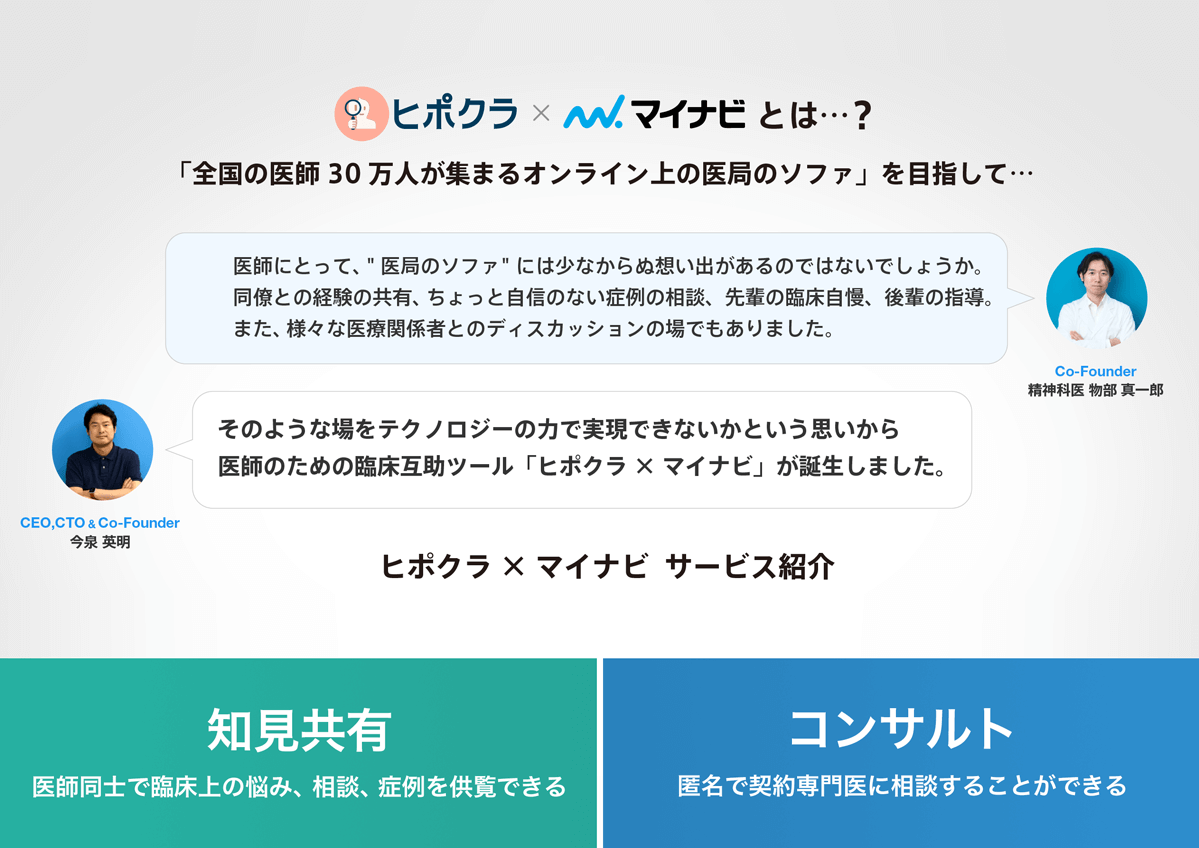
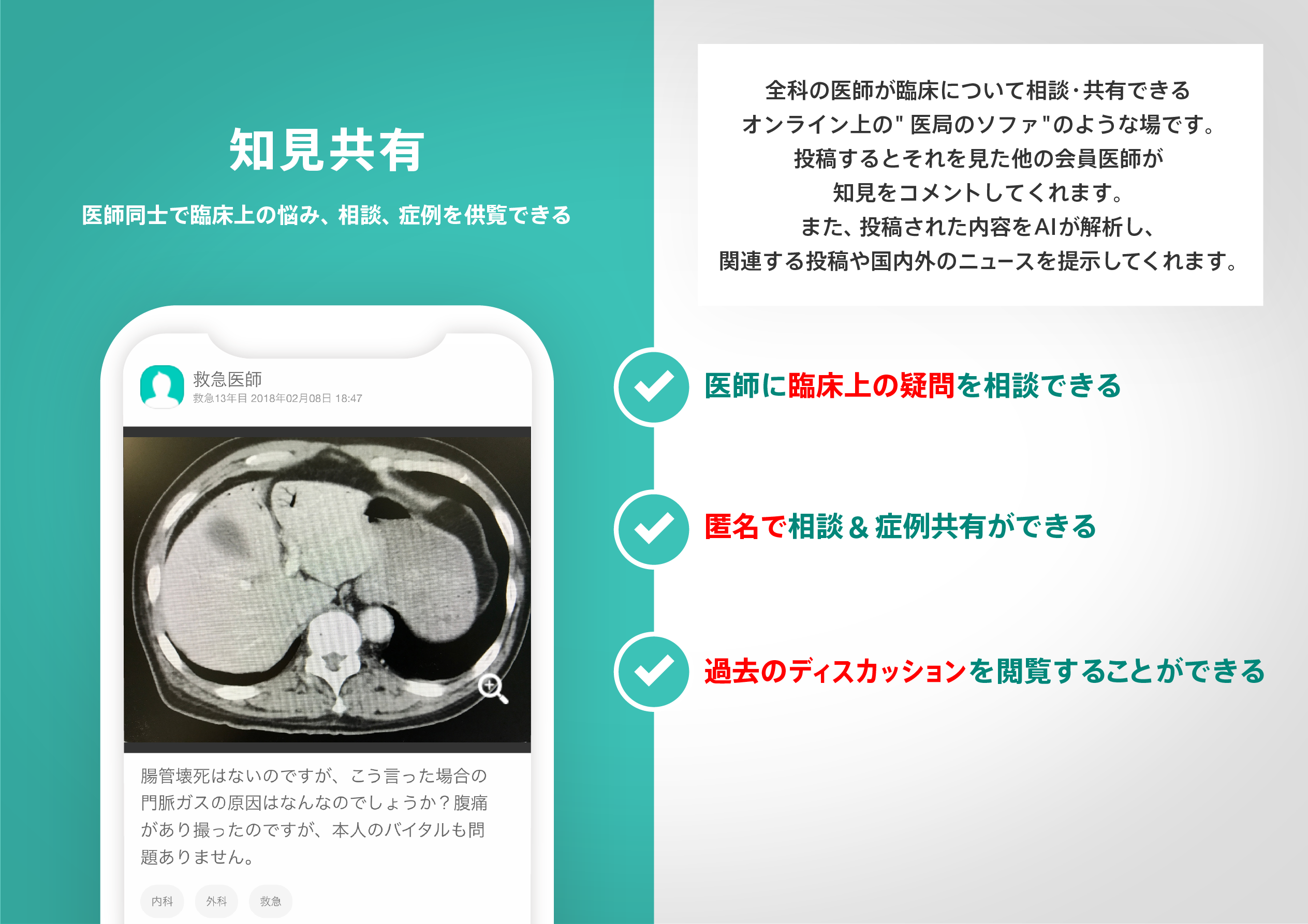
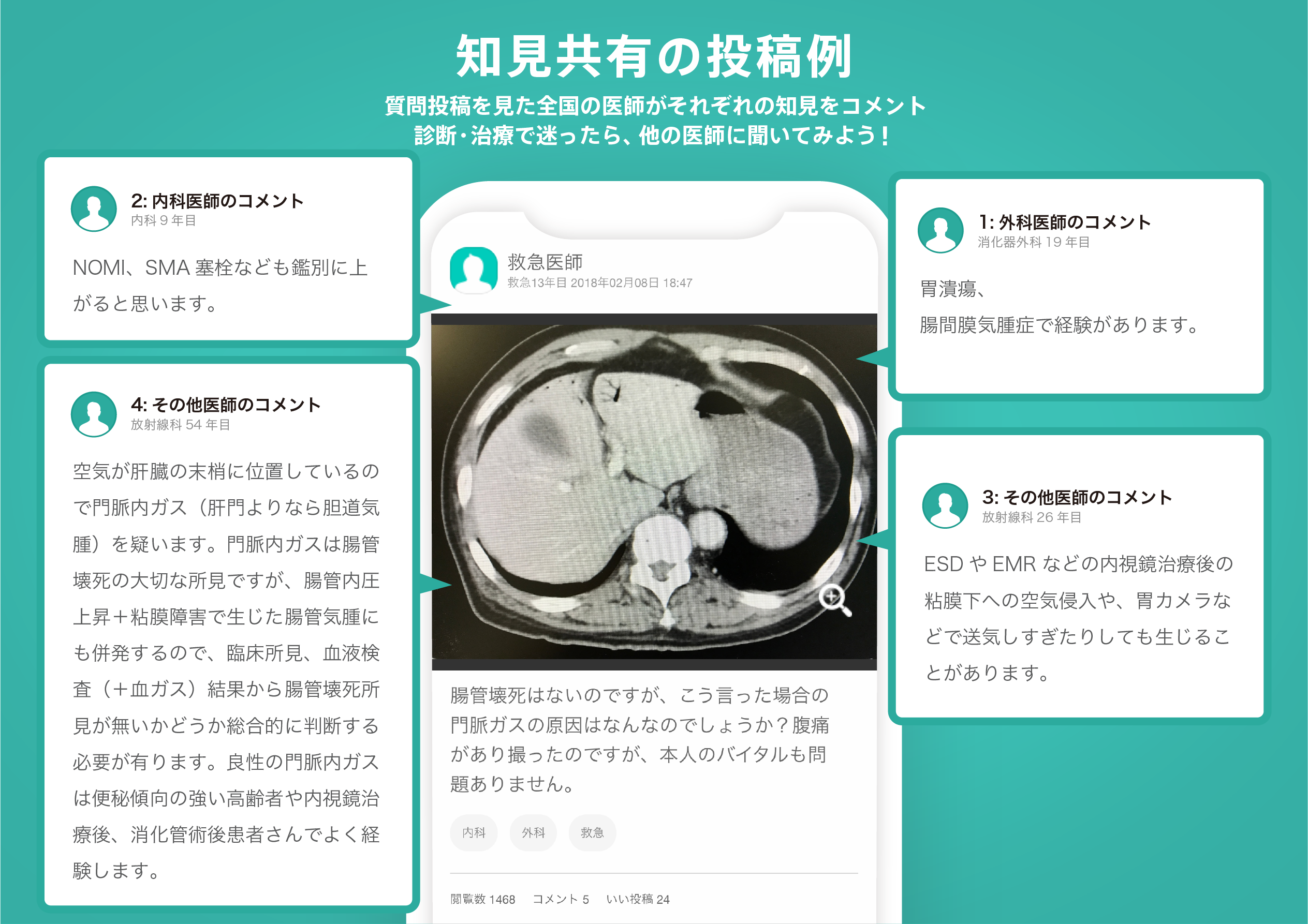
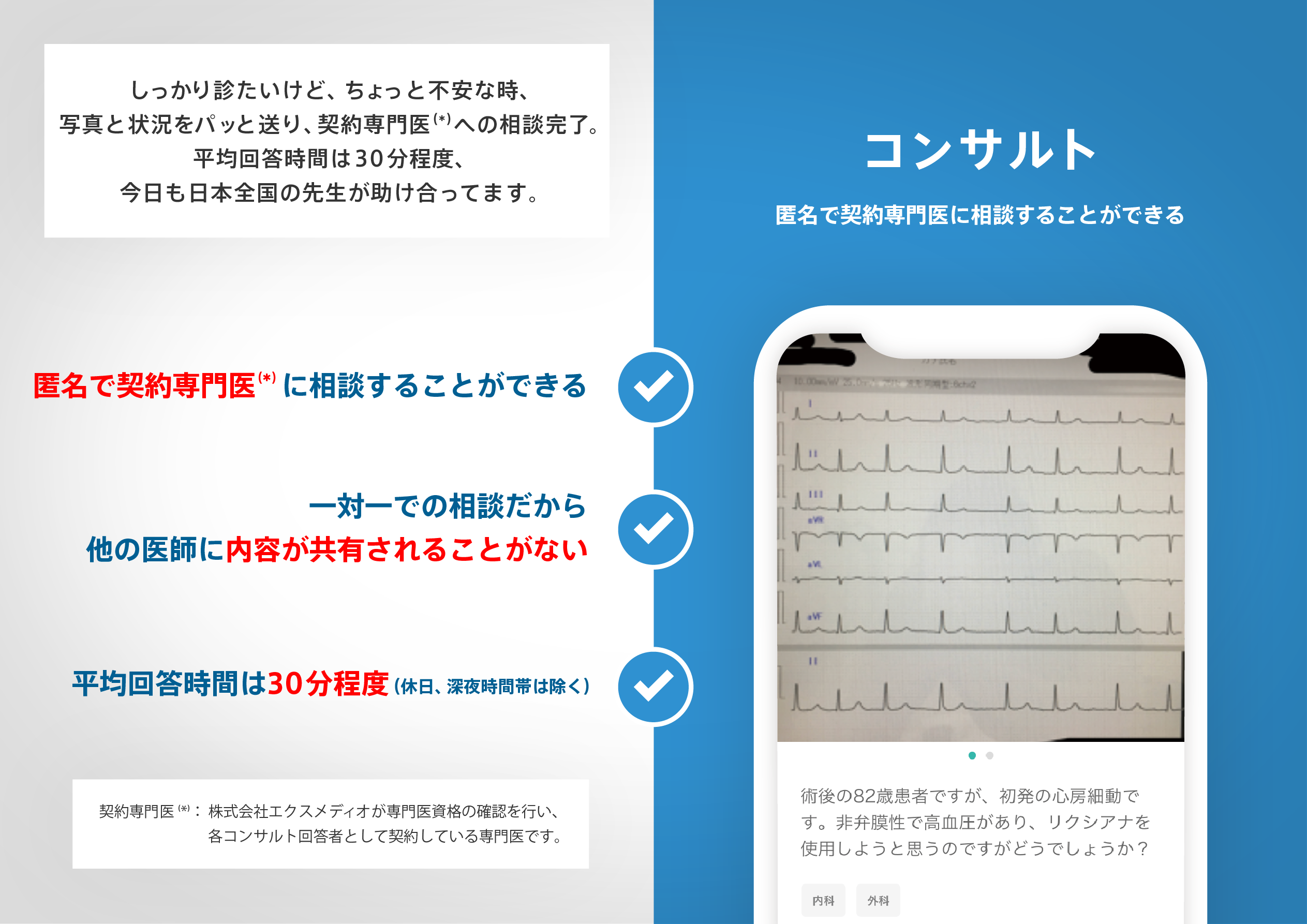
ヒポクラ x マイナビのご紹介

無料会員登録していただくと、さらに便利で効率的な検索が可能になります。