目的: 出産に対する出生前の恐怖を軽減し、関連する妊産婦の転帰を改善するためのデジタル介入の有効性を評価すること。 デザイン: ランダム化比較試験の体系的レビューとメタ分析。 データソース: PubMed、Scopus、Web of Science、Cochrane Library、Google Scholar で、2015 年 1 月から 2025 年 12 月までに発表された研究を検索しました。参考文献リストもスクリーニングされました。 適格基準: 18 歳以上の女性を対象とした、妊娠中に開始された構造化されたデジタル行動、教育、または心理的介入のランダム化試験が適格でした。分娩中のみの気晴らし介入は除外された。 方法: 2 人の査読者が独立して研究をスクリーニングし、完全なレポートに対して結果レベルのデータを再検証し、RoB 2 を使用してバイアスのリスクを評価し、GRADE を使用して確実性を等級付けしました。Hedges の g は、REML 変量効果モデル、Hartung-Knapp 信頼区間、予測区間とともにプールされました。プーリングに適さない結果は SWiM を使用して合成されました。 結果: 14 件の独立した試験 (ランダム化された参加者 1,563 名、主要評価項目分析では 1,334 名) が含まれました。デジタル介入は、出産に対する出生前恐怖の低下と関連していた(g=-1.54、95% CI -2.66 ~ -0.43、I2=96.8%、95% 予測区間 -5.81 ~ 2.72、非常に低い確実性の証拠)。出産の自己効力感は有意に改善されませんでした (g=2.64、95% CI -1.27 ~ 6.55; I2=97.1%; 確実性が非常に低い証拠)。産後早期の恐怖は、探索的分析における介入を支持した(g=-1.81、95% CI -3.58 ~ -0.03; I2=97.3%; 予測区間 -6.73 ~ 3.12)。うつ病、陣痛、不安、出産経験、産科転帰は、尺度、タイミング、概念が十分に比較できなかったため、メタ分析なしで総合されました。 結論:平均的な推定値は、デジタル介入が出産前の恐怖を軽減する可能性があることを示唆していますが、極端な不均一性、ゼロを超える予測間隔、影響力の大きな効果、および非常に低い確実性により、普遍的な有効性を主張することはできません。自己効力感やその他の母親の成果に関する証拠は依然として決定的ではありません。 登録: プロスペロ CRD420251252742。
目的: 出産に対する出生前の恐怖を軽減し、関連する妊産婦の転帰を改善するためのデジタル介入の有効性を評価すること。 デザイン: ランダム化比較試験の体系的レビューとメタ分析。 データソース: PubMed、Scopus、Web of Science、Cochrane Library、Google Scholar で、2015 年 1 月から 2025 年 12 月までに発表された研究を検索しました。参考文献リストもスクリーニングされました。 適格基準: 18 歳以上の女性を対象とした、妊娠中に開始された構造化されたデジタル行動、教育、または心理的介入のランダム化試験が適格でした。分娩中のみの気晴らし介入は除外された。 方法: 2 人の査読者が独立して研究をスクリーニングし、完全なレポートに対して結果レベルのデータを再検証し、RoB 2 を使用してバイアスのリスクを評価し、GRADE を使用して確実性を等級付けしました。Hedges の g は、REML 変量効果モデル、Hartung-Knapp 信頼区間、予測区間とともにプールされました。プーリングに適さない結果は SWiM を使用して合成されました。 結果: 14 件の独立した試験 (ランダム化された参加者 1,563 名、主要評価項目分析では 1,334 名) が含まれました。デジタル介入は、出産に対する出生前恐怖の低下と関連していた(g=-1.54、95% CI -2.66 ~ -0.43、I2=96.8%、95% 予測区間 -5.81 ~ 2.72、非常に低い確実性の証拠)。出産の自己効力感は有意に改善されませんでした (g=2.64、95% CI -1.27 ~ 6.55; I2=97.1%; 確実性が非常に低い証拠)。産後早期の恐怖は、探索的分析における介入を支持した(g=-1.81、95% CI -3.58 ~ -0.03; I2=97.3%; 予測区間 -6.73 ~ 3.12)。うつ病、陣痛、不安、出産経験、産科転帰は、尺度、タイミング、概念が十分に比較できなかったため、メタ分析なしで総合されました。 結論:平均的な推定値は、デジタル介入が出産前の恐怖を軽減する可能性があることを示唆していますが、極端な不均一性、ゼロを超える予測間隔、影響力の大きな効果、および非常に低い確実性により、普遍的な有効性を主張することはできません。自己効力感やその他の母親の成果に関する証拠は依然として決定的ではありません。 登録: プロスペロ CRD420251252742。
OBJECTIVE: To evaluate the effectiveness of digital interventions for reducing antenatal fear of childbirth and improving related maternal outcomes. DESIGN: Systematic review and meta-analysis of randomized controlled trials. DATA SOURCES: PubMed, Scopus, Web of Science, the Cochrane Library, and Google Scholar were searched for studies published from January 2015 through December 2025; reference lists were also screened. ELIGIBILITY CRITERIA: Randomized trials of structured digital behavioural, educational, or psychological interventions initiated during pregnancy for women aged 18 years or older were eligible. Intrapartum-only distraction interventions were excluded. METHODS: Two reviewers independently screened studies, re-verified outcome-level data against full reports, assessed risk of bias using RoB 2, and graded certainty using GRADE. Hedges' g was pooled with REML random-effects models, Hartung-Knapp confidence intervals, and prediction intervals. Outcomes unsuitable for pooling were synthesized using SWiM. RESULTS: Fourteen independent trials (1563 randomized participants; 1334 in the primary endpoint analysis) were included. Digital interventions were associated with lower antenatal fear of childbirth (g = -1.54, 95% CI -2.66 to -0.43; I2 = 96.8%; 95% prediction interval -5.81 to 2.72; very-low-certainty evidence). Childbirth self-efficacy was not significantly improved (g = 2.64, 95% CI -1.27 to 6.55; I2 = 97.1%; very-low-certainty evidence). Early postpartum fear favoured intervention in an exploratory analysis (g = -1.81, 95% CI -3.58 to -0.03; I2 = 97.3%; prediction interval -6.73 to 3.12). Depression, labour pain, anxiety, childbirth experience, and obstetric outcomes were synthesized without meta-analysis because measures, timings, or constructs were not sufficiently comparable. CONCLUSIONS: The average estimate suggests that digital interventions may reduce antenatal fear of childbirth, but extreme heterogeneity, a prediction interval crossing the null, influential large effects, and very-low certainty preclude a universal effectiveness claim. Evidence for self-efficacy and other maternal outcomes remains inconclusive. REGISTRATION: PROSPERO CRD420251252742.
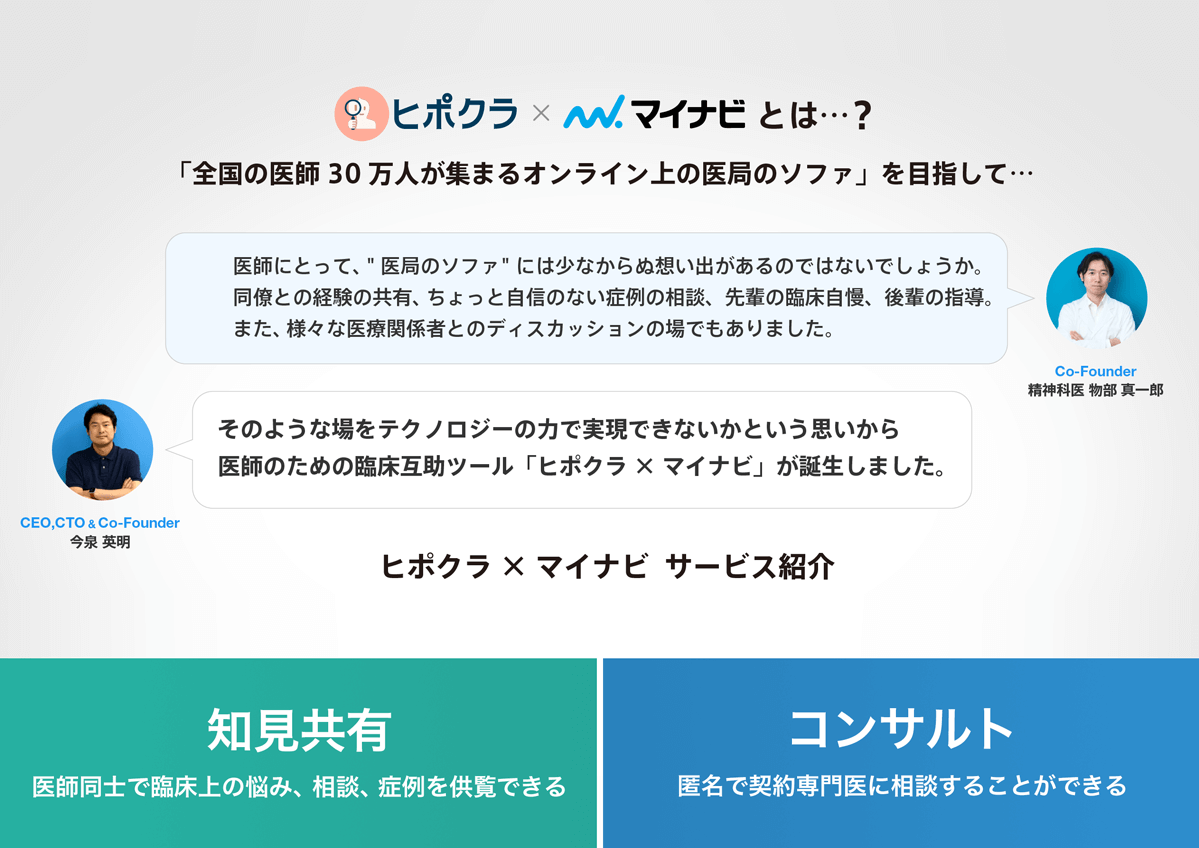
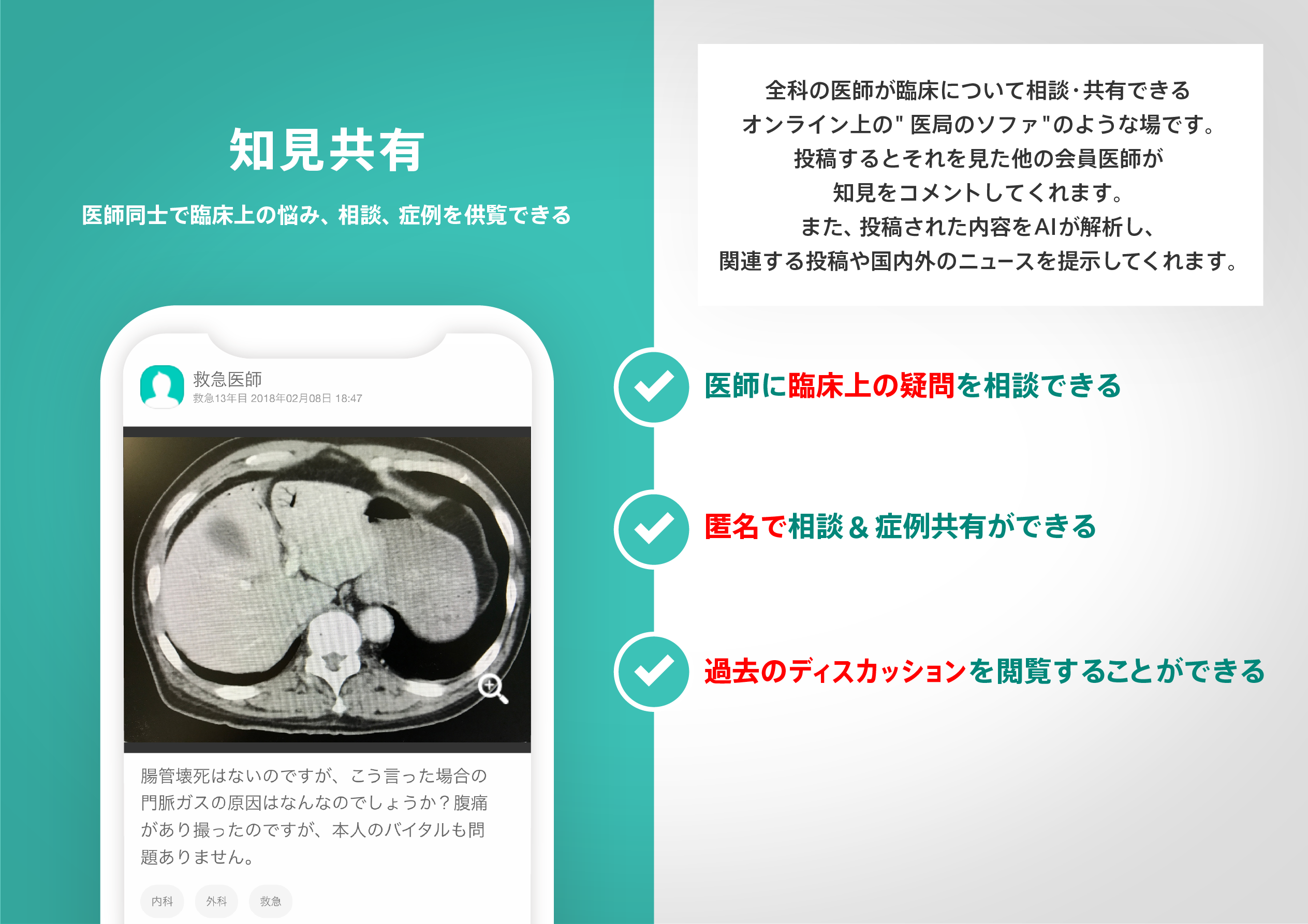
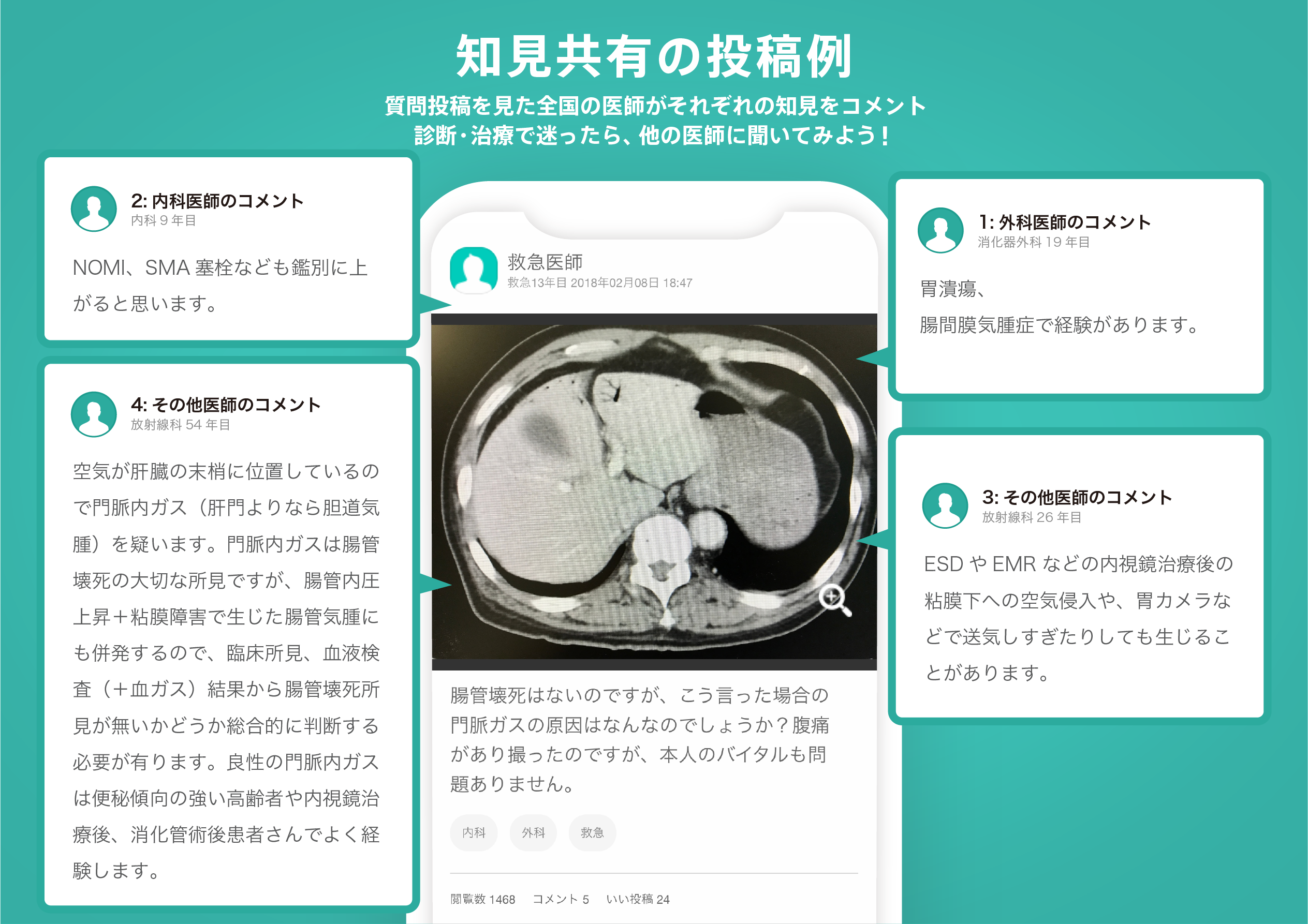
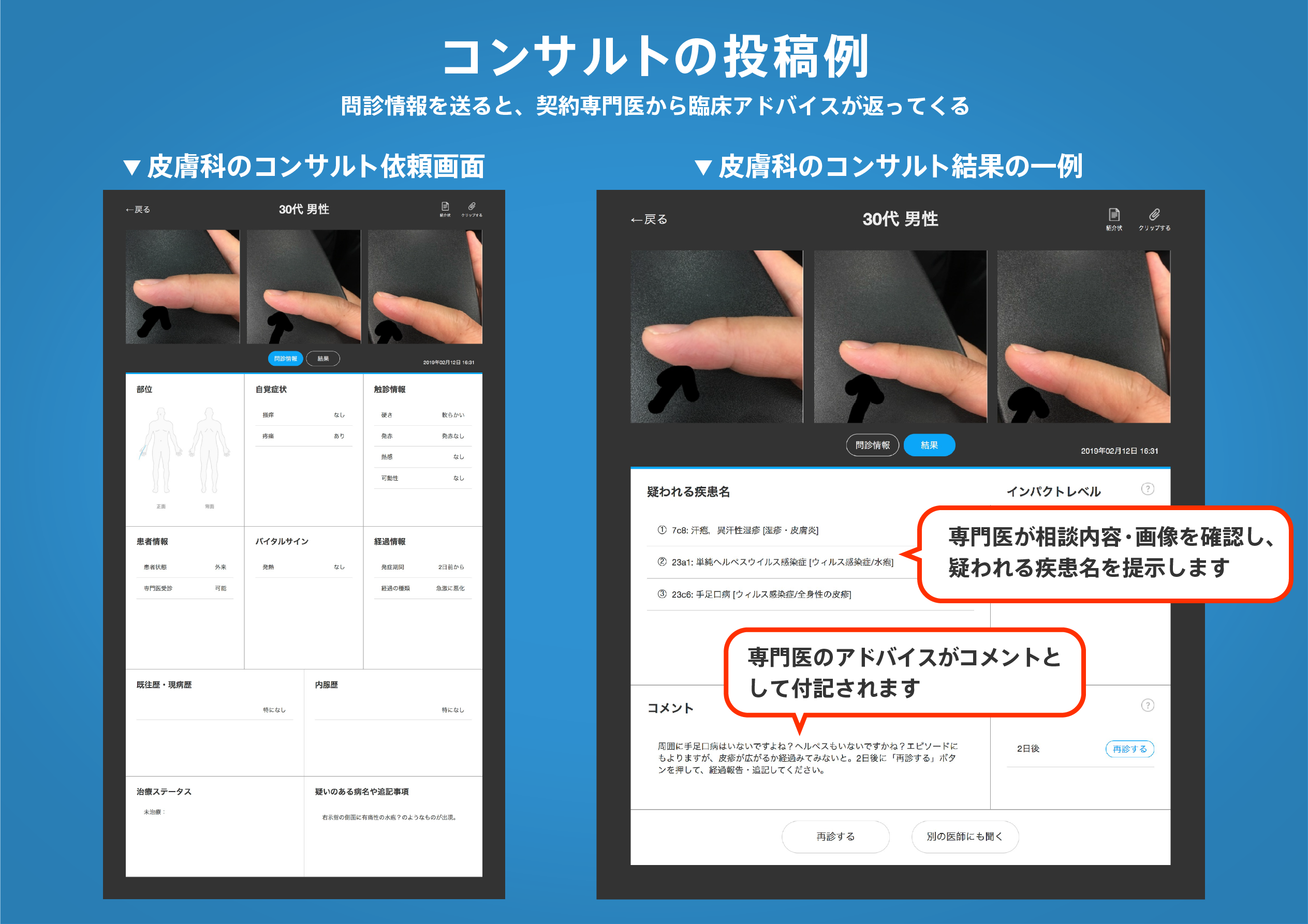
医師のための臨床サポートサービス
ヒポクラ x マイナビのご紹介


無料会員登録していただくと、さらに便利で効率的な検索が可能になります。