外傷性脳損傷(TBI)後に入院リハビリテーションを受けている患者の介護者は、退院後に大きな負担と満たされていないニーズを経験することがよくあります。移行期は困難な時期であり、外来診療への紹介を伴う標準的な退院計画では、通常、この重要な段階を十分にサポートできません。私たちは、標準的なリハビリテーション退院計画(RDP)と比較して、入院後のリハビリテーション患者/介護者の介入(リハビリテーション移行計画、RTP)が介護者の負担と生活の質に及ぼす影響を評価しようとしました。6 つの入院リハビリテーションセンターで無作為化された患者参加者 925 人のうち、591 人に介護者がこの研究に参加した。RTP グループの患者と介護者(N = 295)は、退院後 6 か月間、最大 12 件の遠隔フォローアップ サポートの連絡を受けました。RDP 対照群 (n = 296) は標準的な退院計画を受けました。介護者のアウトカム (Bakas、Zarit、PROMIS、SF-12 身体的/精神的) は 6 か月目と 12 か月目に評価されました。データ分析には治療意図の原則が使用されました。6 か月または 12 か月の時点で、RTP 群と RDP 群の間で介護者のアウトカム測定に有意差は観察されませんでした。探索的分析では、治療の割り当てに関係なく、患者側のより大きな機能障害、援助の必要性、および以前の精神的健康問題の履歴は、介護者の負担の増大と生活の質の低下に関連していた。女性の介護者、白人の介護者、および高学歴の介護者は、一部の措置に対してより大きな負担を示す傾向がありました。患者または介護者の属性が、介入に対する反応の違いと一貫して関連することはありませんでした。将来の研究では、介入に応じた評価と全体的な結果の尺度の両方を使用して、この脆弱な人々に対する代替的またはよりターゲットを絞った介入を探求する必要があります。
外傷性脳損傷(TBI)後に入院リハビリテーションを受けている患者の介護者は、退院後に大きな負担と満たされていないニーズを経験することがよくあります。移行期は困難な時期であり、外来診療への紹介を伴う標準的な退院計画では、通常、この重要な段階を十分にサポートできません。私たちは、標準的なリハビリテーション退院計画(RDP)と比較して、入院後のリハビリテーション患者/介護者の介入(リハビリテーション移行計画、RTP)が介護者の負担と生活の質に及ぼす影響を評価しようとしました。6 つの入院リハビリテーションセンターで無作為化された患者参加者 925 人のうち、591 人に介護者がこの研究に参加した。RTP グループの患者と介護者(N = 295)は、退院後 6 か月間、最大 12 件の遠隔フォローアップ サポートの連絡を受けました。RDP 対照群 (n = 296) は標準的な退院計画を受けました。介護者のアウトカム (Bakas、Zarit、PROMIS、SF-12 身体的/精神的) は 6 か月目と 12 か月目に評価されました。データ分析には治療意図の原則が使用されました。6 か月または 12 か月の時点で、RTP 群と RDP 群の間で介護者のアウトカム測定に有意差は観察されませんでした。探索的分析では、治療の割り当てに関係なく、患者側のより大きな機能障害、援助の必要性、および以前の精神的健康問題の履歴は、介護者の負担の増大と生活の質の低下に関連していた。女性の介護者、白人の介護者、および高学歴の介護者は、一部の措置に対してより大きな負担を示す傾向がありました。患者または介護者の属性が、介入に対する反応の違いと一貫して関連することはありませんでした。将来の研究では、介入に応じた評価と全体的な結果の尺度の両方を使用して、この脆弱な人々に対する代替的またはよりターゲットを絞った介入を探求する必要があります。
Caregivers of individuals admitted to inpatient rehabilitation following traumatic brain injury (TBI) often experience high burden and unmet needs after hospital discharge. Transitional periods are challenging, and standard discharge planning with referrals to outpatient care is typically not enough support for this critical phase. We sought to evaluate the impact of a post-inpatient rehabilitation patient/caregiver intervention (rehabilitation transition planning; RTP) on caregiver burden and quality of life, compared to standard rehabilitation discharge planning (RDP). Of 925 randomized patient participants at six inpatient rehabilitation centers, 591 had caregivers who enrolled in the study. Patients and caregivers in the RTP group (N = 295) received up to 12 remote follow-up support contacts for 6 months post-discharge. The RDP control group (n = 296) received standard discharge planning. Caregiver outcomes (Bakas, Zarit, PROMIS, SF-12 Physical/Mental) were assessed at 6 and 12 months. Data analysis used intention-to-treat principles. No significant differences were observed in any caregiver outcome measures at 6 or 12 months between RTP and RDP groups. In exploratory analyses, greater functional impairment, need for assistance, and a history of prior mental health problems on the part of the patient were associated with greater burden and reduced quality of life for caregivers irrespective of treatment assignment. Female caregivers, White caregivers, and those with greater education tended to show greater burden on some measures. No patient or caregiver attributes were consistently associated with a differential response to the intervention. Future research should explore alternative or more targeted interventions for this vulnerable population using both intervention-sensitive and global measures of outcome.
医師のための臨床サポートサービス
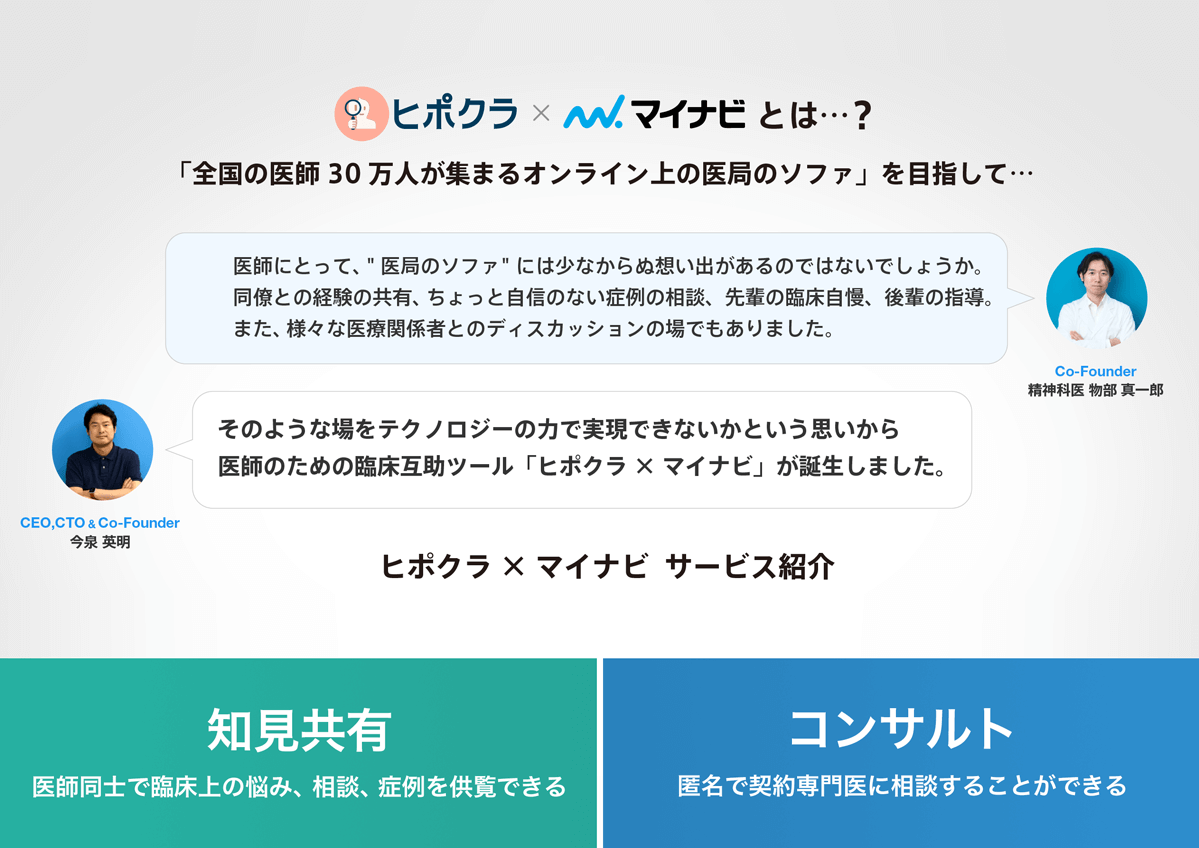
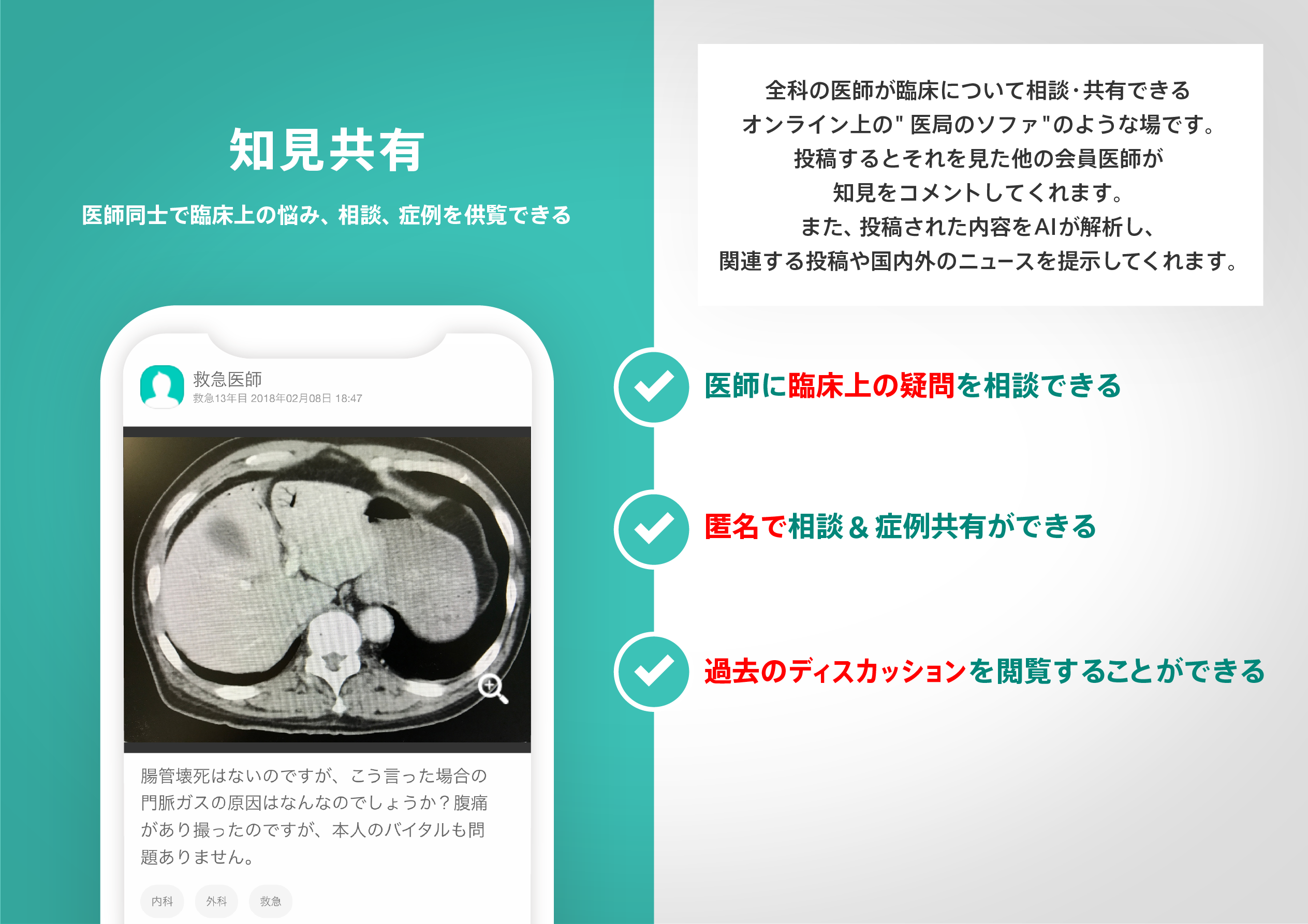
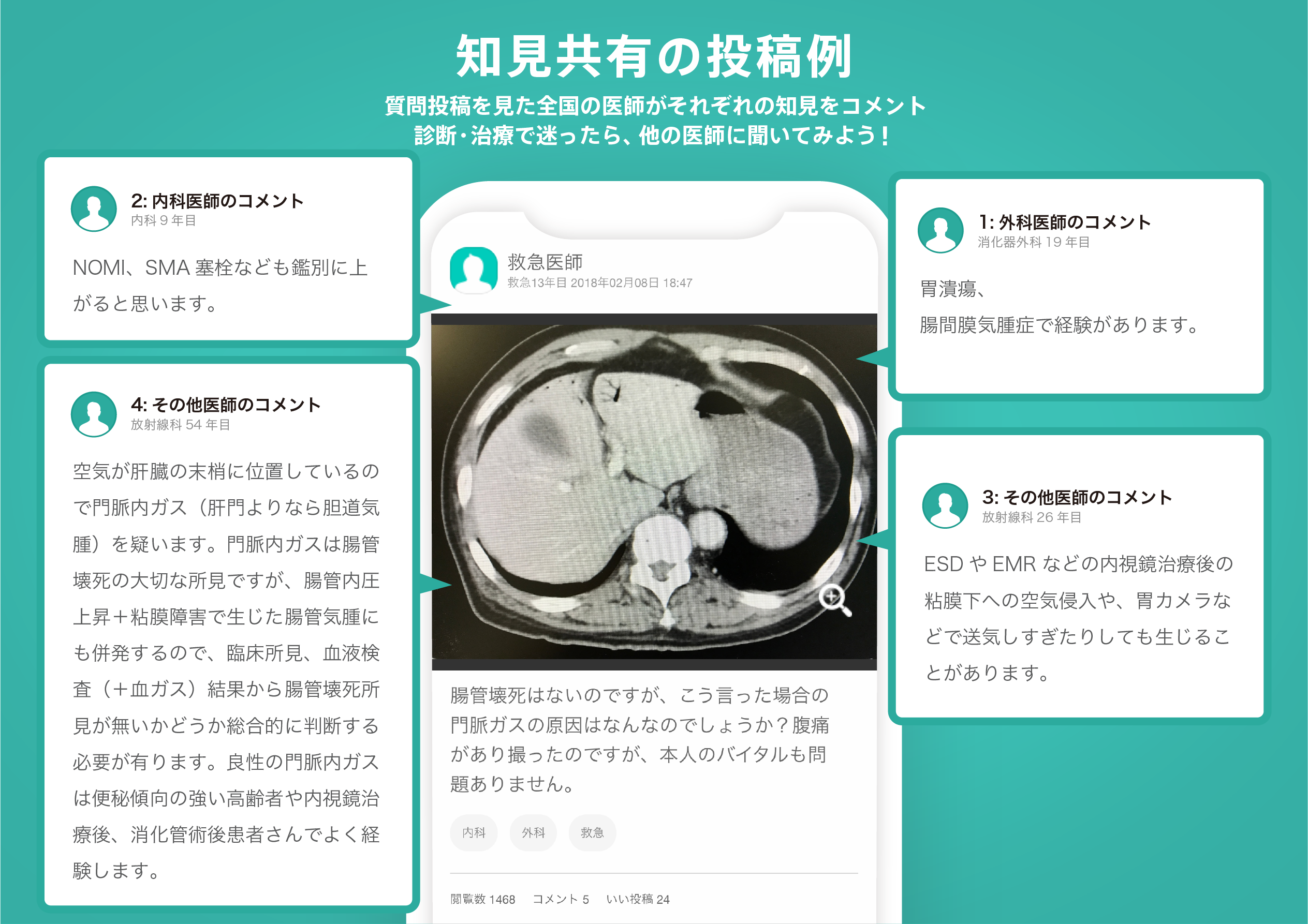
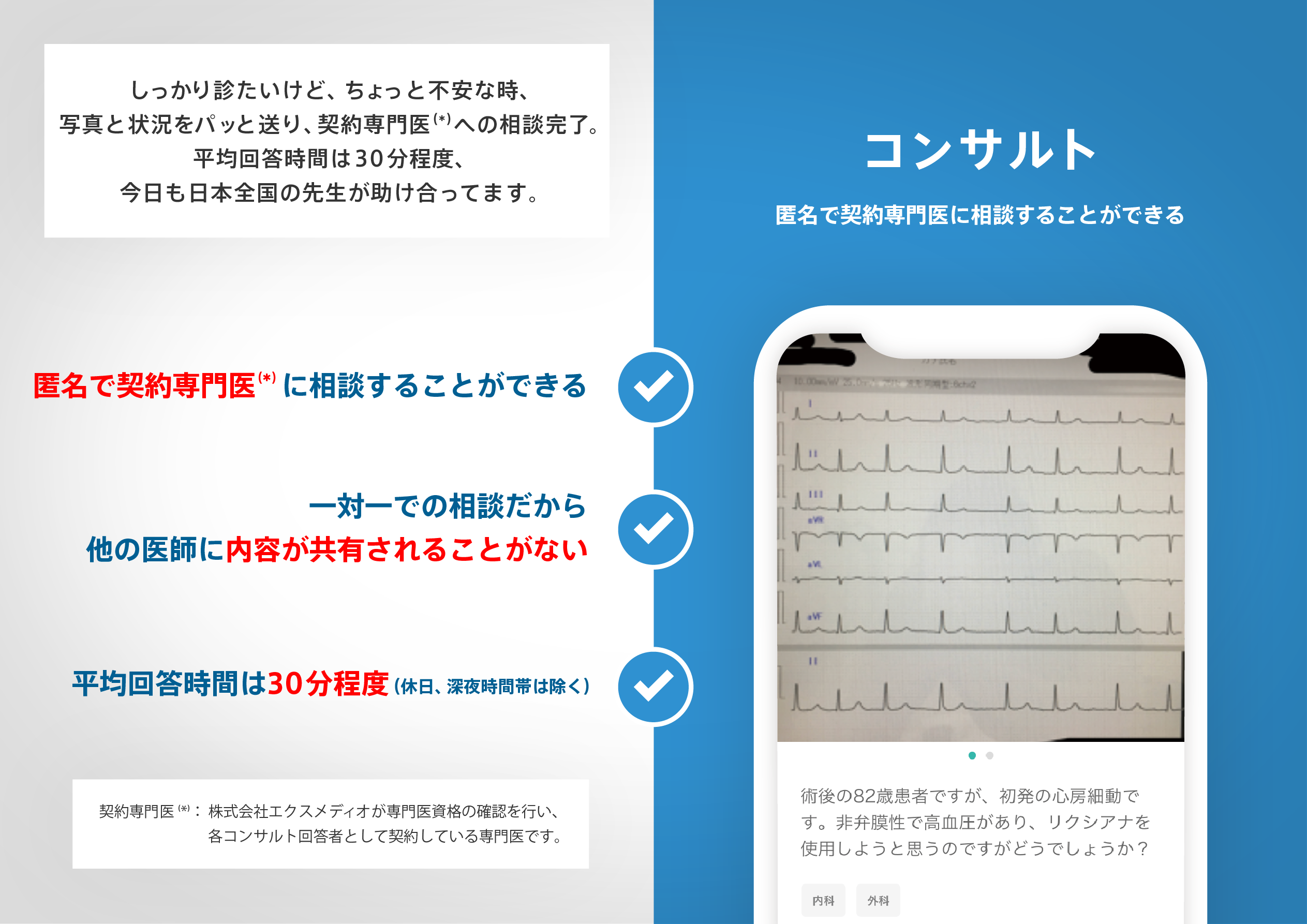
ヒポクラ x マイナビのご紹介

無料会員登録していただくと、さらに便利で効率的な検索が可能になります。