はじめに: 膝窩動脈と膝関節包の間の浸潤 (IPACK) と選択的脛骨神経ブロックは、全膝関節置換術後の膝の後面に鎮痛をもたらします。このランダム化対照三重盲検試験では、IPACK が全膝関節置換術後の選択的脛骨神経ブロックに対して優れた鎮痛効果をもたらすという仮説が検証されました。 方法:脊椎麻酔下で大腿三角ブロックによる全膝関節形成術を受けた患者は、19 ml ロピバカイン 0.2% を含む IPACK または 5 ml ロピバカイン 0.75% を含む選択的脛骨神経ブロックのいずれかを受ける群にランダムに割り当てられた。術後の鎮痛戦略にはパラセタモールが含まれていました。イブプロフェン;モルヒネの静脈内投与による患者管理による鎮痛。一次アウトカムは、術後 1 日目の累積静脈内モルヒネ摂取量でした。二次鎮痛アウトカムには、術後 1、2、3 日目に測定された安静時および運動時の疼痛スコアが含まれていました。機能的アウトカムは大腿四頭筋の筋力でした。徒歩圏内。そして可動範囲。 結果: 合計 90 人の患者からのデータが分析されました (45 人が各グループに割り当てられました)。術後 1 日目の累積静脈内モルヒネ摂取量は、IPACK 群と選択的脛骨神経ブロック群に割り当てられた患者間で同様でした (それぞれ平均 (SD) 6 (7) mg 対 5 (6) mg; p = 0.36)。選択的脛骨神経ブロックを受けた 4 人の患者 (9%) には総腓骨神経の運動ブロックがありました。副次的結果においてグループ間に他の差異は見られなかった。 考察:IPACK と選択的脛骨神経ブロックは、大腿三角ブロックによる脊椎麻酔下での全膝関節置換術後に同様の鎮痛をもたらします。
はじめに: 膝窩動脈と膝関節包の間の浸潤 (IPACK) と選択的脛骨神経ブロックは、全膝関節置換術後の膝の後面に鎮痛をもたらします。このランダム化対照三重盲検試験では、IPACK が全膝関節置換術後の選択的脛骨神経ブロックに対して優れた鎮痛効果をもたらすという仮説が検証されました。 方法:脊椎麻酔下で大腿三角ブロックによる全膝関節形成術を受けた患者は、19 ml ロピバカイン 0.2% を含む IPACK または 5 ml ロピバカイン 0.75% を含む選択的脛骨神経ブロックのいずれかを受ける群にランダムに割り当てられた。術後の鎮痛戦略にはパラセタモールが含まれていました。イブプロフェン;モルヒネの静脈内投与による患者管理による鎮痛。一次アウトカムは、術後 1 日目の累積静脈内モルヒネ摂取量でした。二次鎮痛アウトカムには、術後 1、2、3 日目に測定された安静時および運動時の疼痛スコアが含まれていました。機能的アウトカムは大腿四頭筋の筋力でした。徒歩圏内。そして可動範囲。 結果: 合計 90 人の患者からのデータが分析されました (45 人が各グループに割り当てられました)。術後 1 日目の累積静脈内モルヒネ摂取量は、IPACK 群と選択的脛骨神経ブロック群に割り当てられた患者間で同様でした (それぞれ平均 (SD) 6 (7) mg 対 5 (6) mg; p = 0.36)。選択的脛骨神経ブロックを受けた 4 人の患者 (9%) には総腓骨神経の運動ブロックがありました。副次的結果においてグループ間に他の差異は見られなかった。 考察:IPACK と選択的脛骨神経ブロックは、大腿三角ブロックによる脊椎麻酔下での全膝関節置換術後に同様の鎮痛をもたらします。
INTRODUCTION: Infiltration between the popliteal artery and the capsule of the knee (IPACK) and the selective tibial nerve block provide analgesia for the posterior aspect of the knee after total knee arthroplasty. This randomised controlled triple-blinded trial tested the hypothesis that IPACK provides superior analgesia to selective tibial nerve block after total knee arthroplasty. METHODS: Patients having total knee arthroplasty under spinal anaesthesia with a femoral triangle block were allocated randomly to receive either IPACK with 19 ml ropivacaine 0.2% or a selective tibial nerve block with 5 ml ropivacaine 0.75%. The postoperative analgesic strategy included paracetamol; ibuprofen; and intravenous morphine patient-controlled analgesia. Primary outcome was cumulative intravenous morphine consumption on postoperative day 1. Secondary analgesic outcomes included pain scores at rest and during movement measured on postoperative days 1, 2 and 3. Functional outcomes were quadriceps strength; walking distance; and range of motion. RESULTS: In total, data from 90 patients were analysed (45 allocated to each group). Cumulative intravenous morphine consumption on postoperative day 1 was similar between the patients allocated to the IPACK and selective tibial nerve block groups (mean (SD) 6 (7) mg vs. 5 (6) mg, respectively; p = 0.36). Four patients (9%) who received selective tibial nerve block had motor block of the common peroneal nerve. No other differences were seen between groups in secondary outcomes. DISCUSSION: The IPACK and selective tibial nerve block provide similar analgesia after total knee arthroplasty under spinal anaesthesia with a femoral triangle block.
医師のための臨床サポートサービス
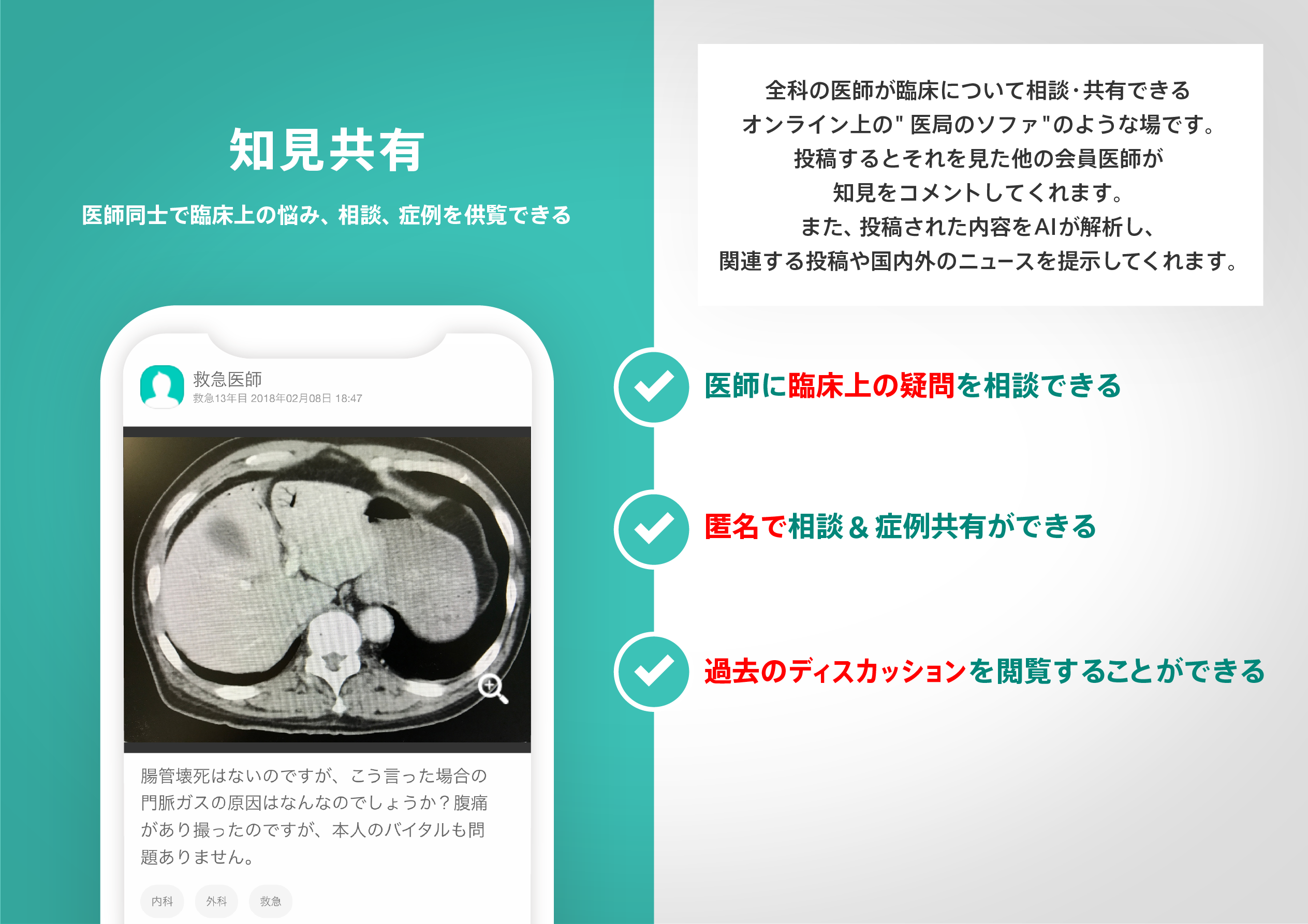
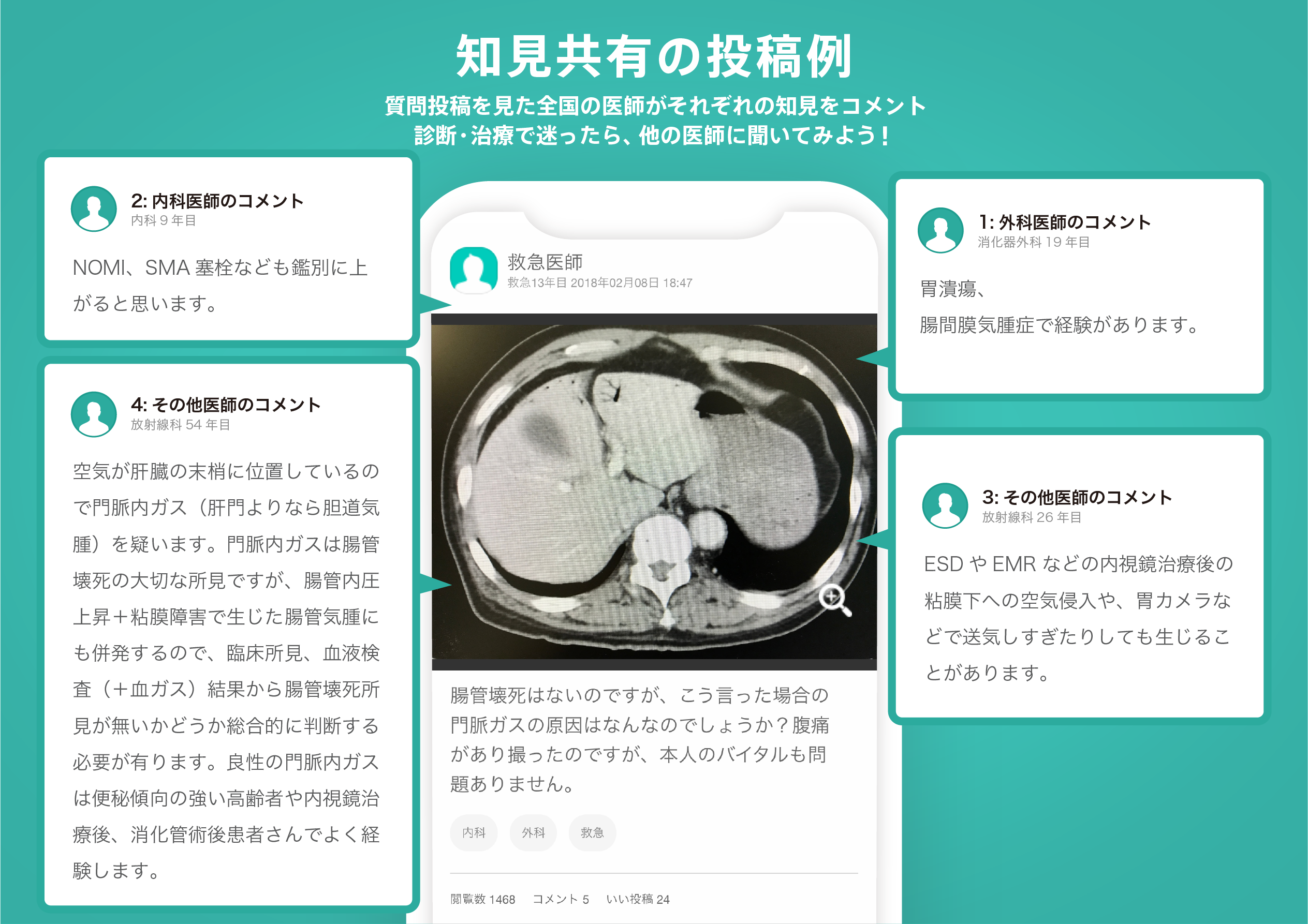
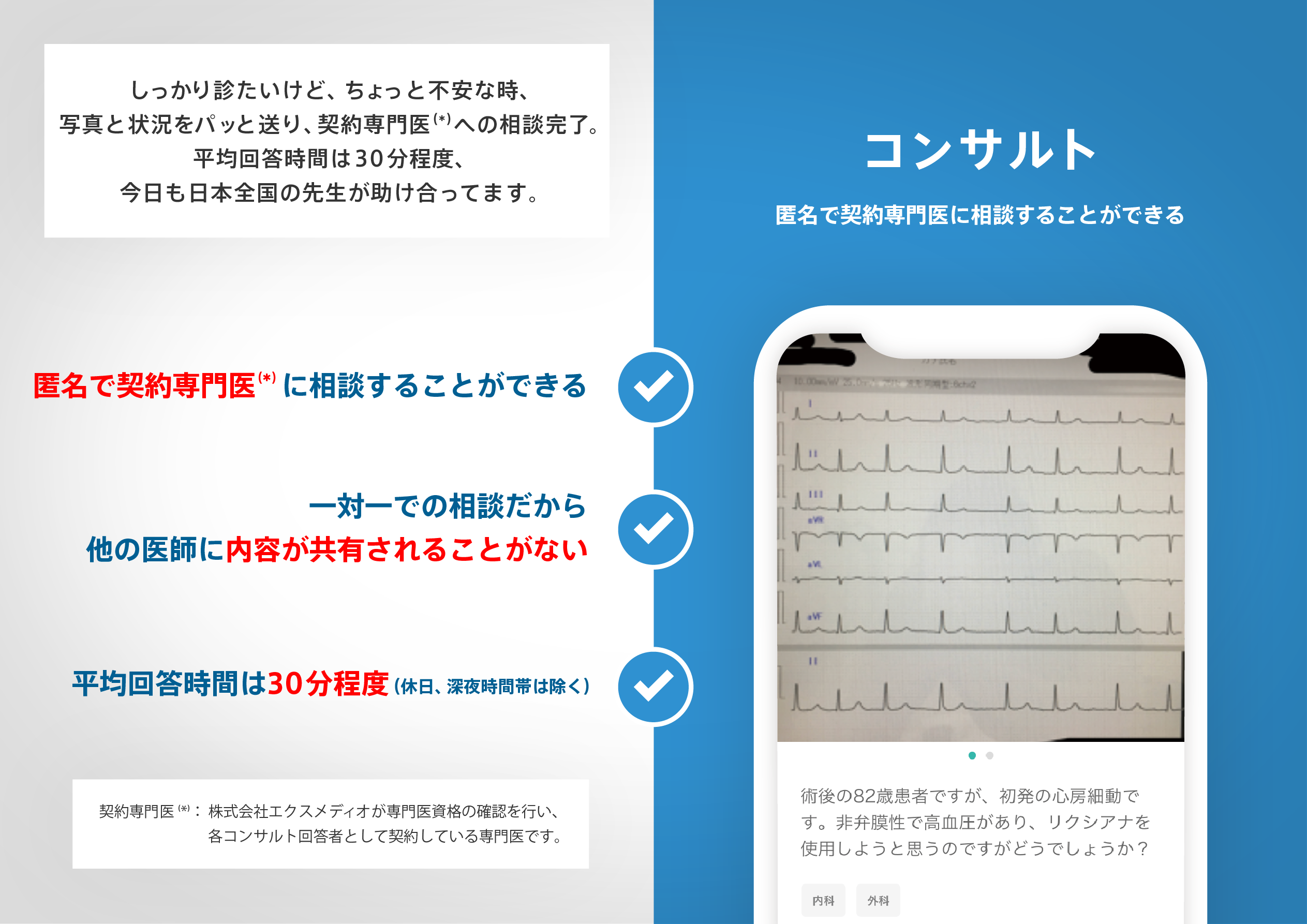
ヒポクラ x マイナビのご紹介

無料会員登録していただくと、さらに便利で効率的な検索が可能になります。