病的肥満患者は、うつ病と不安症状を併発するリスクが高くなります。肥満手術は効果的な治療法ですが、従来のオピオイドベースの麻酔には重大な周術期リスクが伴います。オピオイドフリー麻酔 (OFA) は、より安全な代替手段となります。エスケタミンは、その二重の鎮痛効果と即効性の抗うつ効果で知られており、OFA の有望な成分です。しかし、肥満患者の身体的回復と精神的回復の両方に同時に有益であることを裏付ける臨床証拠は依然として限られています。この二重盲検ランダム化臨床試験では、腹腔鏡下スリーブ状胃切除術を予定されている患者が、手術中にエスケタミンベースの麻酔またはレミフェンタニルによるオピオイドベースの麻酔のいずれかを受けるようにランダムに割り当てられました(1:1)。副主要アウトカムは、最初の 24 時間以内の術後疼痛の強度と術後 3 か月後の精神的健康状態でした。副次的転帰にはエスケタミンの薬物動態および有害事象が含まれた。合計 84 人の患者が無作為化され、42 人が各グループに割り当てられました。74 人の参加者 (88.1%) が 3 か月の追跡調査を完了しました。エスケタミン群の患者は、術後24 時間以内に術後の痛みの強度が大幅に低下し(P < 0.01)、中等度から重度の痛みの発生率が減少しました(P < 0.05)。3か月後のメンタルヘルス転帰もエスケタミン群で有意に良好であり、有害事象の発生率には大きな差はなかった。薬物動態分析により、血漿エスケタミン濃度が点滴中に急速に増加し、活性代謝物 (S)-ノルケタミンが早期に形成されることが示されました。オピオイドベースの麻酔と比較して、エスケタミンベースのオピオイドフリー麻酔は、肥満手術を受ける病的肥満患者において、有害事象を増加させることなく、術後鎮痛の改善とメンタルヘルスの転帰の改善に関連していた。
病的肥満患者は、うつ病と不安症状を併発するリスクが高くなります。肥満手術は効果的な治療法ですが、従来のオピオイドベースの麻酔には重大な周術期リスクが伴います。オピオイドフリー麻酔 (OFA) は、より安全な代替手段となります。エスケタミンは、その二重の鎮痛効果と即効性の抗うつ効果で知られており、OFA の有望な成分です。しかし、肥満患者の身体的回復と精神的回復の両方に同時に有益であることを裏付ける臨床証拠は依然として限られています。この二重盲検ランダム化臨床試験では、腹腔鏡下スリーブ状胃切除術を予定されている患者が、手術中にエスケタミンベースの麻酔またはレミフェンタニルによるオピオイドベースの麻酔のいずれかを受けるようにランダムに割り当てられました(1:1)。副主要アウトカムは、最初の 24 時間以内の術後疼痛の強度と術後 3 か月後の精神的健康状態でした。副次的転帰にはエスケタミンの薬物動態および有害事象が含まれた。合計 84 人の患者が無作為化され、42 人が各グループに割り当てられました。74 人の参加者 (88.1%) が 3 か月の追跡調査を完了しました。エスケタミン群の患者は、術後24 時間以内に術後の痛みの強度が大幅に低下し(P < 0.01)、中等度から重度の痛みの発生率が減少しました(P < 0.05)。3か月後のメンタルヘルス転帰もエスケタミン群で有意に良好であり、有害事象の発生率には大きな差はなかった。薬物動態分析により、血漿エスケタミン濃度が点滴中に急速に増加し、活性代謝物 (S)-ノルケタミンが早期に形成されることが示されました。オピオイドベースの麻酔と比較して、エスケタミンベースのオピオイドフリー麻酔は、肥満手術を受ける病的肥満患者において、有害事象を増加させることなく、術後鎮痛の改善とメンタルヘルスの転帰の改善に関連していた。
Patients with morbid obesity are at a high risk of comorbid depressive and anxiety symptoms. While bariatric surgery is an effective treatment, conventional opioid-based anesthesia carries significant perioperative risks. Opioid-free anesthesia (OFA) presents a safer alternative. Esketamine, known for its dual analgesic and rapid antidepressant effects, is a promising component of OFA. However, clinical evidence supporting its simultaneous benefits for both physical and psychological recovery in bariatric patients remains limited. In this double-blind, randomized clinical trial, patients scheduled for laparoscopic sleeve gastrectomy were randomly assigned (1:1) to receive either esketamine-based anaesthesia or opioid-based anaesthesia with remifentanil during surgery. The co-primary outcomes were postoperative pain intensity within the first 24 h and mental health status at three months after surgery. Secondary outcomes included pharmacokinetics of esketamine and adverse events. A total of 84 patients were randomized, with 42 allocated to each group. Seventy-four participants (88.1%) completed the 3-month follow-up. Patients in the esketamine group experienced significantly lower postoperative pain intensity (P < 0.01) and a reduced incidence of moderate-to-severe pain (P < 0.05) within 24 h after surgery. Mental health outcomes at 3 months were also significantly better in the esketamine group, and adverse events rate did not differ significantly. Pharmacokinetic analysis showed that plasma esketamine concentrations increased rapidly during infusion, with early formation of the active metabolite (S)-norketamine. Compared to opioid-based anaesthesia, esketamine-based opioid-free anaesthesia was associated with improved postoperative analgesia and better mental health outcomes in morbidly obese patients undergoing bariatric surgery, without increasing adverse events.
医師のための臨床サポートサービス
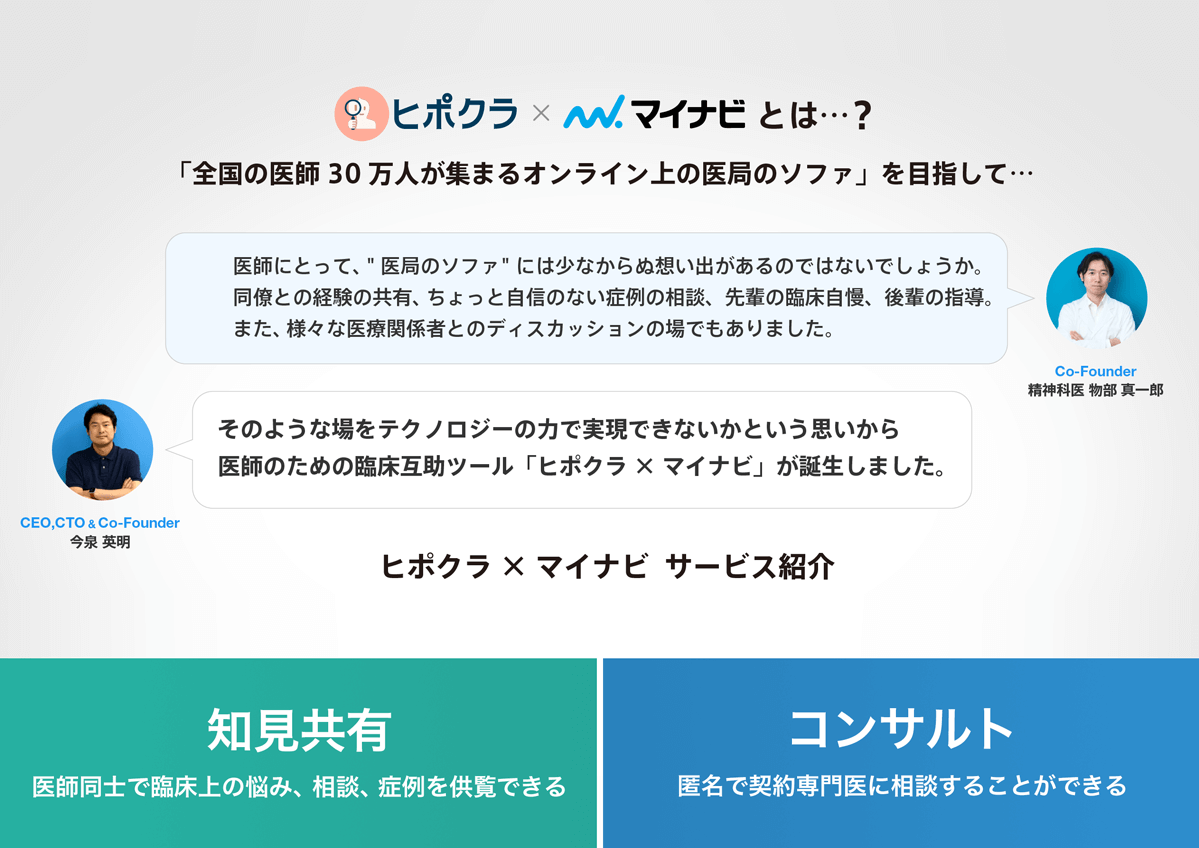
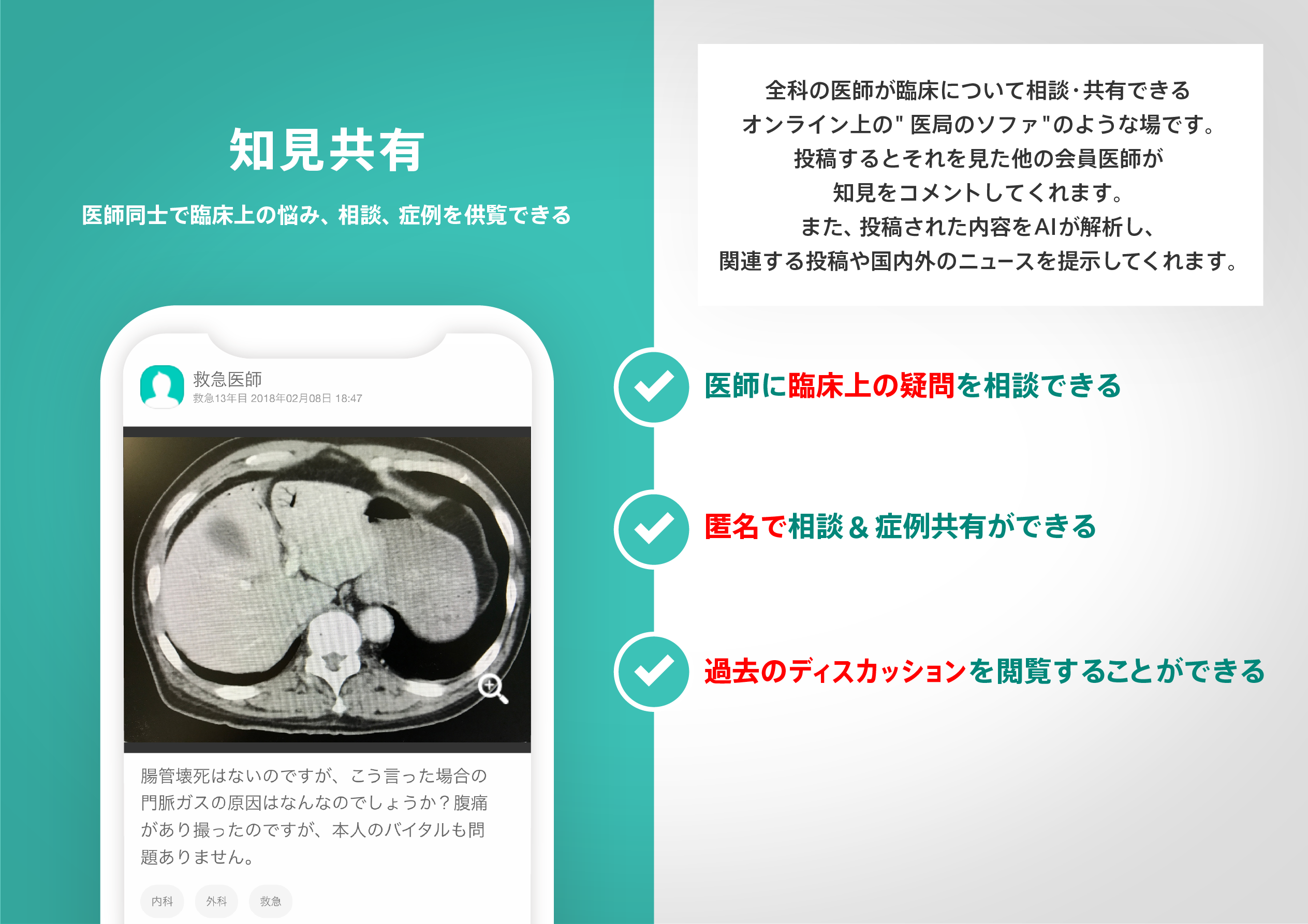
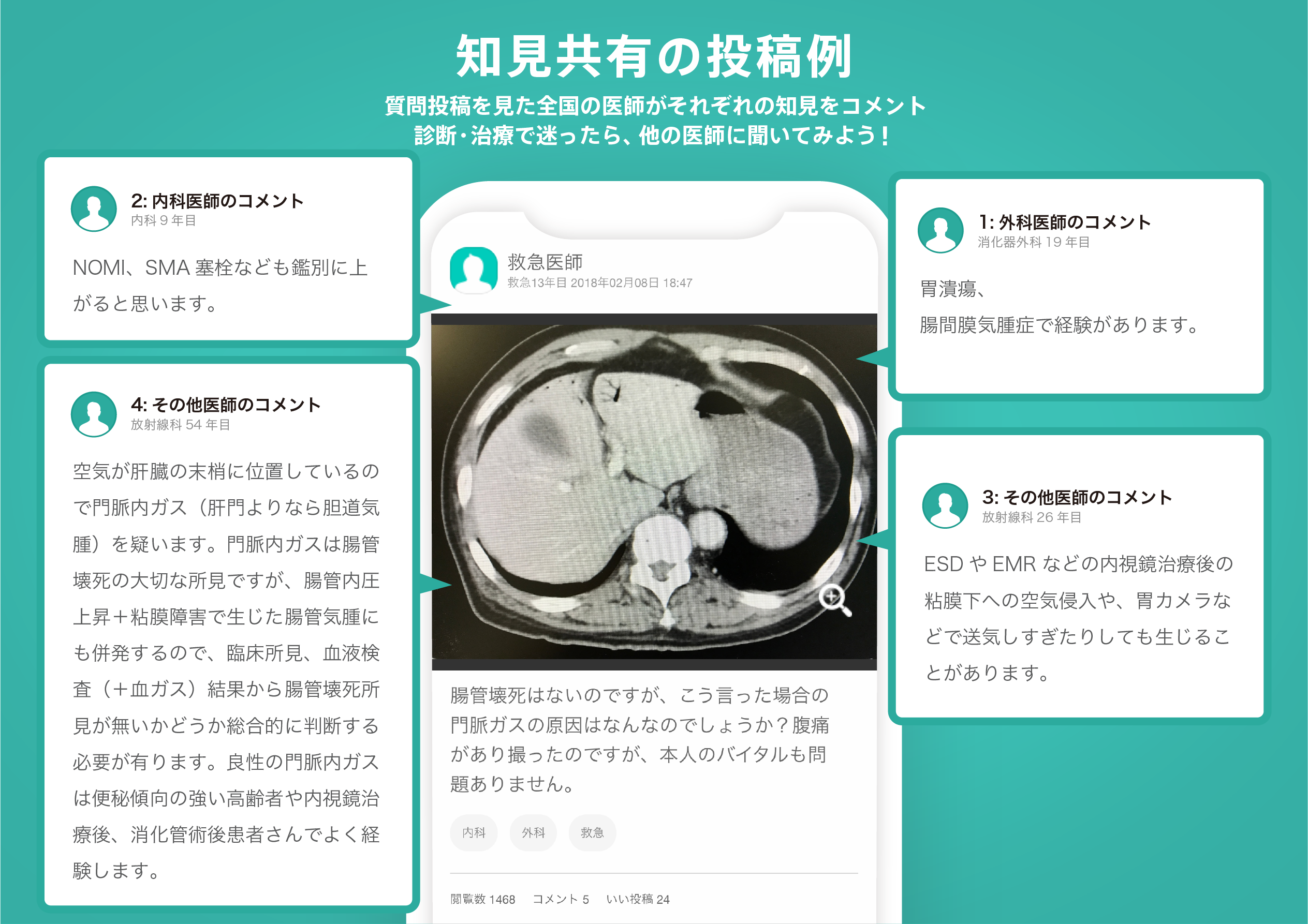
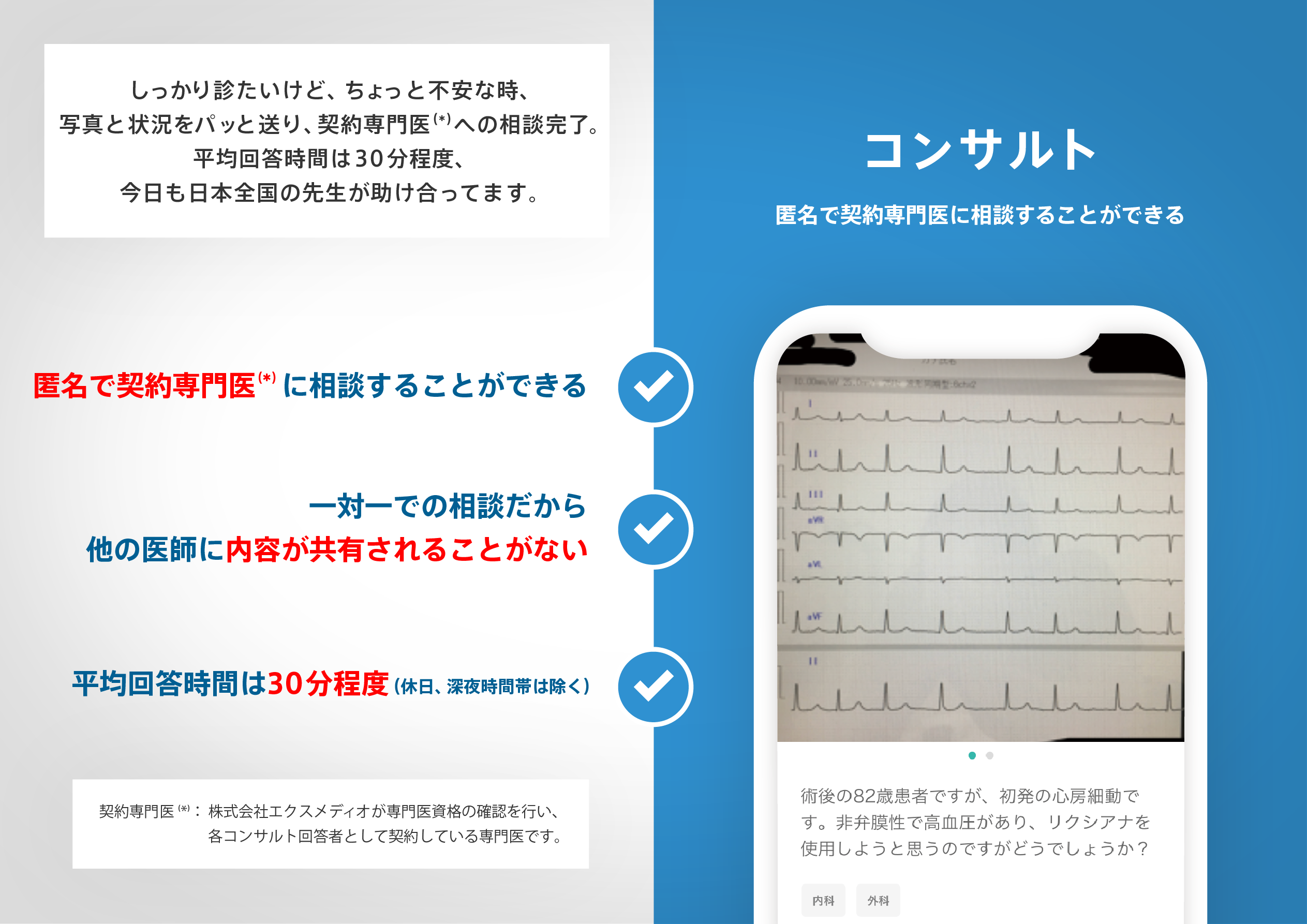
ヒポクラ x マイナビのご紹介

無料会員登録していただくと、さらに便利で効率的な検索が可能になります。