背景: 膵管腺癌 (PDAC) は転帰が悪く、局所再発率が高い。MASTERPLAN は、定位放射線治療 (SBRT) が高リスクの局所 PDAC 患者における局所領域再発を軽減するかどうかを評価しました。 方法: MASTERPLAN は、オーストラリアとニュージーランドの 14 の病院で実施された非盲検無作為化第 2 相試験でした。適格な参加者は、東部協力腫瘍学グループのパフォーマンスステータスが0~1の18歳以上で、4cmを超える腫瘍サイズ、膵臓外進展、リンパ節陽性疾患、切除可能境界線疾患、または局所進行疾患など、少なくとも1つの高リスク特徴を有する局所性PDACを未治療で有した。参加者は、最小化法を用いて、SBRTの有無にかかわらず、研究者が選択した化学療法にランダムに(2:1)割り当てられ、参加者コホート(手術可能な可能性がある vs 手術不可能)、計画された化学療法レジメン、化学療法開始前または最初の28日以内の無作為化、および施設によって層別化された。化学療法は、mFOLFIRINOX(初日オキサリプラチン 85 mg/m2、イリノテカン 150 mg/m2、ロイコボリン 50 mg、およびフルオロウラシル 2400 mg/m2 を 46 時間かけて 14 日ごとに 6 サイクル、すべて静脈内投与)またはゲムシタビンと nab-パクリタキセル(ゲムシタビン 1000mg/m2 と nab-パクリタキセル 125 mg/m2 を 28 日ごとに 1 日目、8 日目、および 15 日目に 3 サイクル行います。SBRT は 40 Gy を 5 回に分けて照射され、1 週間に 2 ~ 4 回に分けて照射され、リアルタイムの放射線治療の品質保証が行われました。導入療法後に外科的切除が考慮され、その後、mFOLFIRINOX またはゲムシタビンとカペシタビンのいずれかを使用する補助化学療法がさらに 12 週間計画されました(28 日サイクルで 1,000 mg/m2 の静脈内ゲムシタビンを 1、8、15 日目に投与し、830 mg/m2 の経口カペシタビンを 1 ~ 21 日目に 1 日 2 回投与)。手術に適さないと判断された参加者は、外科的適合性の再評価が許可された状態でさらに 12 週間同じ化学療法を継続し、合計 24 週間の計画された化学療法期間となりました。主要評価項目は、治療意図のある集団における12か月の局所領域再発であり、安全性評価項目は受けた治療ごとに分析された。この治験は120名の患者を募集する予定でしたが、患者数の増加が遅れたため、2025年1月6日早朝に募集を終了しました。治験の終了とデータベースのロックは2026年7月21日に発生しました。この治験はオーストラリア・ニュージーランド臨床試験レジストリ(ACTRN12619000409178)およびClinicalTrials.gov(NCT04089150)に登録されており、完了しています。 調査結果:2020年2月26日から2025年1月6日までに、74人の参加者(男性43人[58%]、女性31人[42%])が化学療法とSBRT(n=49)または化学療法単独(n=25)に無作為に割り当てられた。中央値3.2年の追跡調査(IQR 1.9-4.3)後、12か月の局所再発率はSBRT群で20.2%(95% CI 9.9-33.1)、化学療法単独群で52.0%(30.3-69.9)でした(部分分布ハザード比0.44 [95% CI])0・22-0・88]; p=0・022)。グレード3以上の有害事象は、SBRT群では参加者47名中33名(70%)、化学療法単独群では参加者25名中16名(64%)で発生し(p=0・27)、化学療法単独群では胆道感染症に続発する治療関連死亡が1名(4%)であった。最も一般的なグレード 3~4 の有害事象は、下痢 (SBRT 群で 7 件 [15%] 対、化学療法単独群で 5 件 [20%])、および血栓塞栓性イベント (3 件 [6%] 対 1 件 [4%]) でした。全体としてグレード3以上の重篤な有害事象は、SBRT群では参加者47名中30名(64%)、化学療法単独群では参加者25名中14名(56%)に発生した(p=0・24)。SBRT に起因する重大な有害事象が 2 件ありました。グレード2の小腸閉塞とグレード3の膵炎。 解釈:高リスクの局所性 PDAC 患者において、化学療法に SBRT を追加すると、毒性が大幅に増加することなく、局所再発が大幅に減少することが示されており、大規模な研究でさらなる調査が必要である。 資金提供: Medical Research Future Fund、Australasian Gastro-Intestinal Trials Group、National Health and Medical Research Council Clinical Trials Center (シドニー大学)、およびニュージーランド腸がん財団。
背景: 膵管腺癌 (PDAC) は転帰が悪く、局所再発率が高い。MASTERPLAN は、定位放射線治療 (SBRT) が高リスクの局所 PDAC 患者における局所領域再発を軽減するかどうかを評価しました。 方法: MASTERPLAN は、オーストラリアとニュージーランドの 14 の病院で実施された非盲検無作為化第 2 相試験でした。適格な参加者は、東部協力腫瘍学グループのパフォーマンスステータスが0~1の18歳以上で、4cmを超える腫瘍サイズ、膵臓外進展、リンパ節陽性疾患、切除可能境界線疾患、または局所進行疾患など、少なくとも1つの高リスク特徴を有する局所性PDACを未治療で有した。参加者は、最小化法を用いて、SBRTの有無にかかわらず、研究者が選択した化学療法にランダムに(2:1)割り当てられ、参加者コホート(手術可能な可能性がある vs 手術不可能)、計画された化学療法レジメン、化学療法開始前または最初の28日以内の無作為化、および施設によって層別化された。化学療法は、mFOLFIRINOX(初日オキサリプラチン 85 mg/m2、イリノテカン 150 mg/m2、ロイコボリン 50 mg、およびフルオロウラシル 2400 mg/m2 を 46 時間かけて 14 日ごとに 6 サイクル、すべて静脈内投与)またはゲムシタビンと nab-パクリタキセル(ゲムシタビン 1000mg/m2 と nab-パクリタキセル 125 mg/m2 を 28 日ごとに 1 日目、8 日目、および 15 日目に 3 サイクル行います。SBRT は 40 Gy を 5 回に分けて照射され、1 週間に 2 ~ 4 回に分けて照射され、リアルタイムの放射線治療の品質保証が行われました。導入療法後に外科的切除が考慮され、その後、mFOLFIRINOX またはゲムシタビンとカペシタビンのいずれかを使用する補助化学療法がさらに 12 週間計画されました(28 日サイクルで 1,000 mg/m2 の静脈内ゲムシタビンを 1、8、15 日目に投与し、830 mg/m2 の経口カペシタビンを 1 ~ 21 日目に 1 日 2 回投与)。手術に適さないと判断された参加者は、外科的適合性の再評価が許可された状態でさらに 12 週間同じ化学療法を継続し、合計 24 週間の計画された化学療法期間となりました。主要評価項目は、治療意図のある集団における12か月の局所領域再発であり、安全性評価項目は受けた治療ごとに分析された。この治験は120名の患者を募集する予定でしたが、患者数の増加が遅れたため、2025年1月6日早朝に募集を終了しました。治験の終了とデータベースのロックは2026年7月21日に発生しました。この治験はオーストラリア・ニュージーランド臨床試験レジストリ(ACTRN12619000409178)およびClinicalTrials.gov(NCT04089150)に登録されており、完了しています。 調査結果:2020年2月26日から2025年1月6日までに、74人の参加者(男性43人[58%]、女性31人[42%])が化学療法とSBRT(n=49)または化学療法単独(n=25)に無作為に割り当てられた。中央値3.2年の追跡調査(IQR 1.9-4.3)後、12か月の局所再発率はSBRT群で20.2%(95% CI 9.9-33.1)、化学療法単独群で52.0%(30.3-69.9)でした(部分分布ハザード比0.44 [95% CI])0・22-0・88]; p=0・022)。グレード3以上の有害事象は、SBRT群では参加者47名中33名(70%)、化学療法単独群では参加者25名中16名(64%)で発生し(p=0・27)、化学療法単独群では胆道感染症に続発する治療関連死亡が1名(4%)であった。最も一般的なグレード 3~4 の有害事象は、下痢 (SBRT 群で 7 件 [15%] 対、化学療法単独群で 5 件 [20%])、および血栓塞栓性イベント (3 件 [6%] 対 1 件 [4%]) でした。全体としてグレード3以上の重篤な有害事象は、SBRT群では参加者47名中30名(64%)、化学療法単独群では参加者25名中14名(56%)に発生した(p=0・24)。SBRT に起因する重大な有害事象が 2 件ありました。グレード2の小腸閉塞とグレード3の膵炎。 解釈:高リスクの局所性 PDAC 患者において、化学療法に SBRT を追加すると、毒性が大幅に増加することなく、局所再発が大幅に減少することが示されており、大規模な研究でさらなる調査が必要である。 資金提供: Medical Research Future Fund、Australasian Gastro-Intestinal Trials Group、National Health and Medical Research Council Clinical Trials Center (シドニー大学)、およびニュージーランド腸がん財団。
BACKGROUND: Pancreatic ductal adenocarcinoma (PDAC) has poor outcomes and high rates of locoregional recurrence. MASTERPLAN evaluated whether stereotactic body radiotherapy (SBRT) reduced locoregional recurrence in patients with high-risk, localised PDAC. METHODS: MASTERPLAN was an open-label, randomised, phase 2 trial conducted across 14 hospitals in Australia and New Zealand. Eligible participants were aged 18 years or older with an Eastern Cooperative Oncology Group performance status of 0-1, and had previously untreated localised PDAC with at least one high-risk feature, including tumour size more than 4 cm, extrapancreatic extension, node-positive disease, borderline resectable disease, or locally advanced disease. Participants were randomly assigned (2:1) using the method of minimisation to investigator-choice chemotherapy, with or without SBRT, stratified by participant cohort (potentially operable vs inoperable), planned chemotherapy regimen, randomisation before or within the first 28 days of chemotherapy, and institution. Chemotherapy consisted of mFOLFIRINOX (day 1 oxaliplatin 85 mg/m2, irinotecan 150 mg/m2, leucovorin 50 mg, and fluorouracil 2400 mg/m2 over 46 h every 14 days for six cycles; all intravenous) or gemcitabine plus nab-paclitaxel (gemcitabine 1000 mg/m2 and nab-paclitaxel 125 mg/m2 on days 1, 8, and 15 every 28 days for three cycles; both intravenous). SBRT was delivered as 40 Gy in five fractions, with two to four fractions delivered per week, with real-time radiotherapy quality assurance. Surgical resection was considered following induction therapy, followed by a planned further 12 weeks of adjuvant chemotherapy with either mFOLFIRINOX or gemcitabine plus capecitabine (28-day cycles of 1000 mg/m2 intravenous gemcitabine administered on days 1, 8, and 15 with 830 mg/m2 oral capecitabine twice daily administered on days 1-21). Participants deemed not suitable for surgery continued the same chemotherapy for an additional 12 weeks with reassessment for surgical suitability permitted, for a total planned duration of chemotherapy of 24 weeks. The primary endpoint was 12-month locoregional recurrence in the intention-to-treat population, with safety endpoints analysed by treatment received. The trial planned to recruit 120 patients but due to slow accrual closed to recruitment early on Jan 6, 2025. Trial closure and database lock occurred on July 21, 2026. This trial was registered with the Australian New Zealand Clinical Trial Registry (ACTRN12619000409178) and ClinicalTrials.gov (NCT04089150), and is complete. FINDINGS: Between Feb 26, 2020, and Jan 6, 2025, 74 participants (43 [58%] male, 31 [42%] female) were randomly assigned to chemotherapy and SBRT (n=49) or chemotherapy alone (n=25). After a median follow-up of 3·2 years (IQR 1·9-4·3), 12-month locoregional recurrence was 20·2% (95% CI 9·9-33·1) in the SBRT group and 52·0% (30·3-69·9) in the chemotherapy alone group (subdistribution hazard ratio 0·44 [95% CI 0·22-0·88]; p=0·022). Grade 3 or higher adverse events occurred in 33 (70%) of 47 participants in the SBRT group and 16 (64%) of 25 participants in the chemotherapy alone group (p=0·27), with one (4%) treatment-related death secondary to biliary tract infection in the chemotherapy alone group. The most common grade 3-4 adverse events were diarrhoea (seven [15%] in the SBRT group vs five [20%] in the chemotherapy alone group), and thromboembolic events (three [6%]) vs one [4%]). Overall grade 3 or higher serious adverse events occurred in 30 (64%) of 47 participants in the SBRT group, and 14 (56%) of 25 participants in the chemotherapy alone group (p=0·24). There were two serious adverse events attributable to SBRT; grade 2 small bowel obstruction and grade 3 pancreatitis. INTERPRETATION: In patients with high-risk, localised PDAC, the addition of SBRT to chemotherapy was associated with significantly reduced locoregional recurrence without a significant increase in toxicity and warrants further investigation in larger studies. FUNDING: Medical Research Future Fund, Australasian Gastro-Intestinal Trials Group, National Health and Medical Research Council Clinical Trials Centre (University of Sydney), and Gut Cancer Foundation, New Zealand.
医師のための臨床サポートサービス
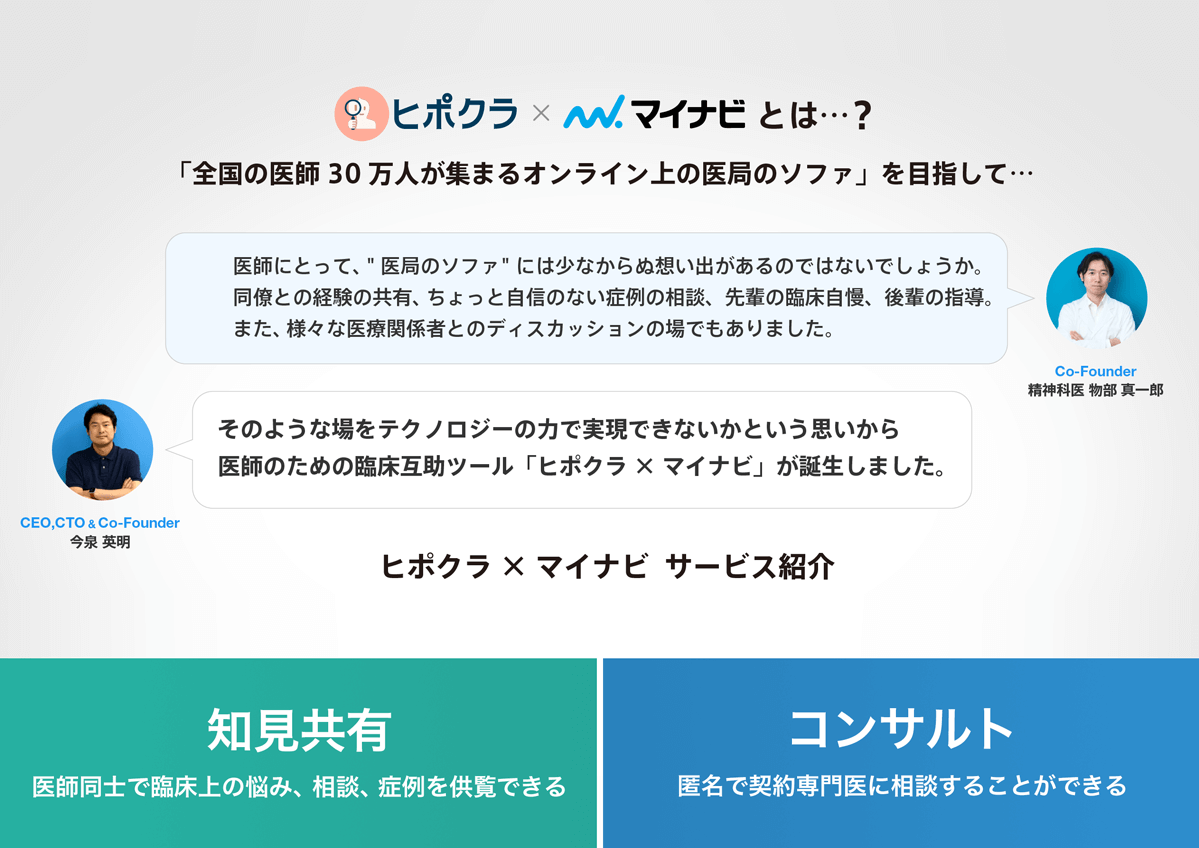
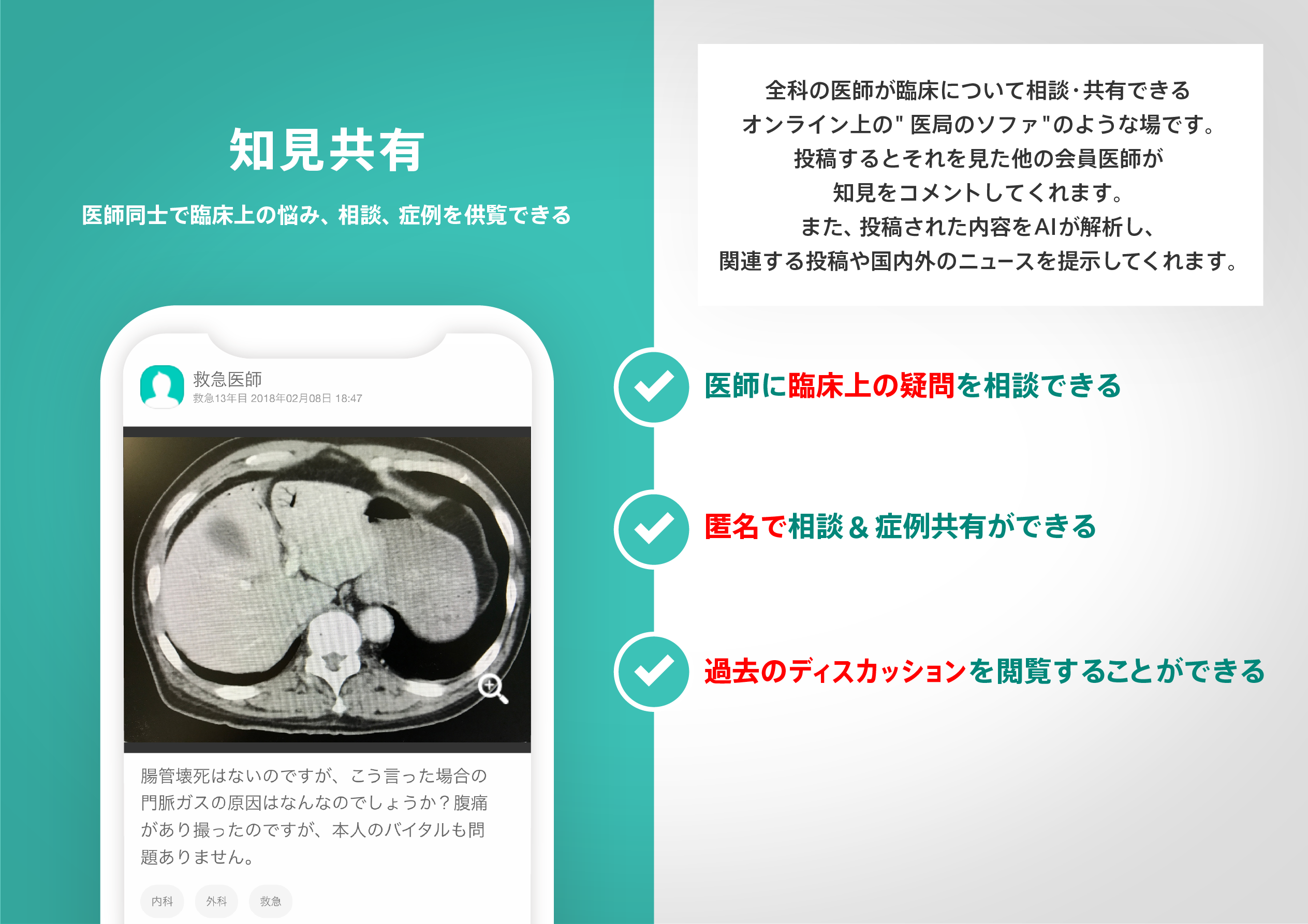
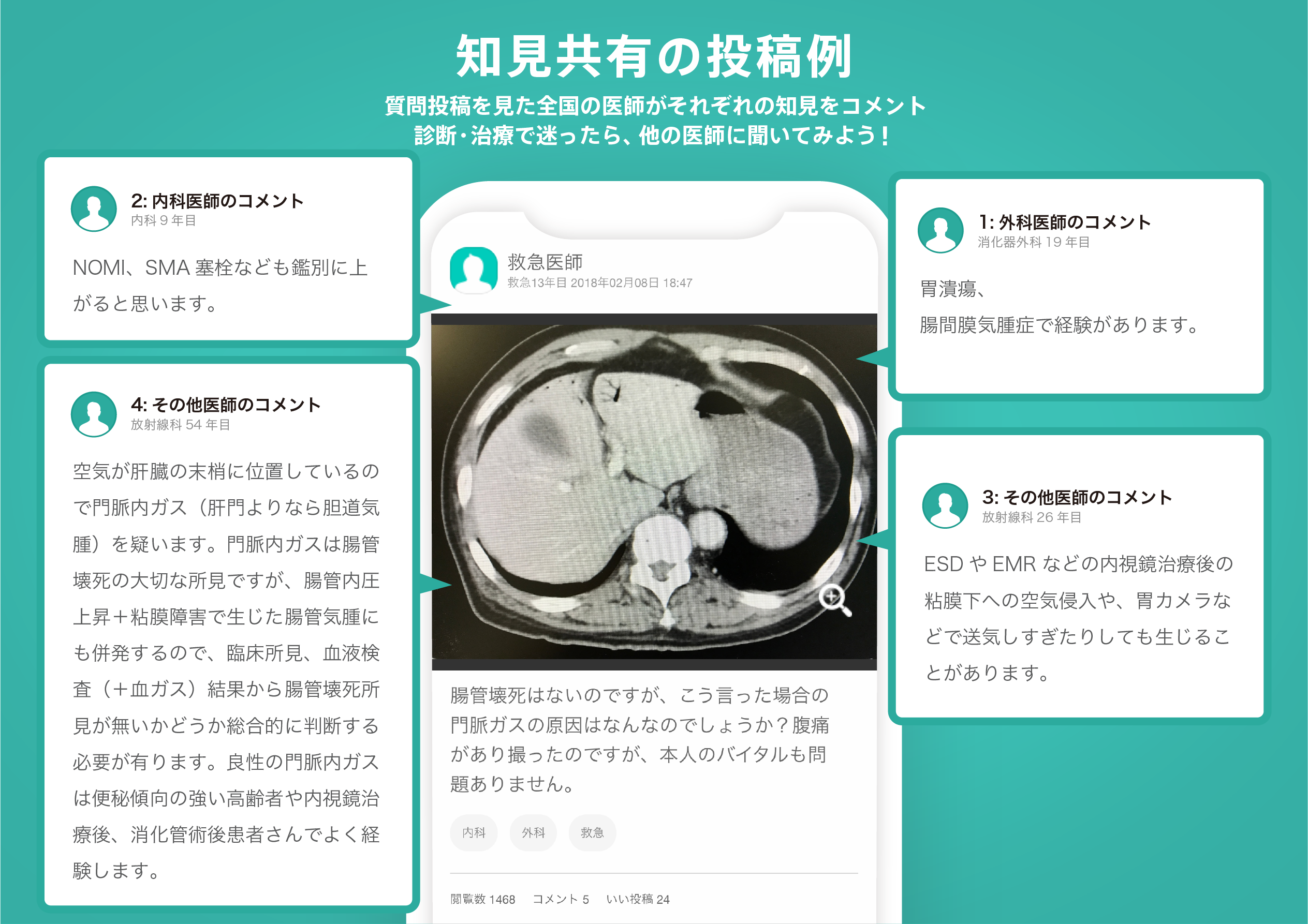
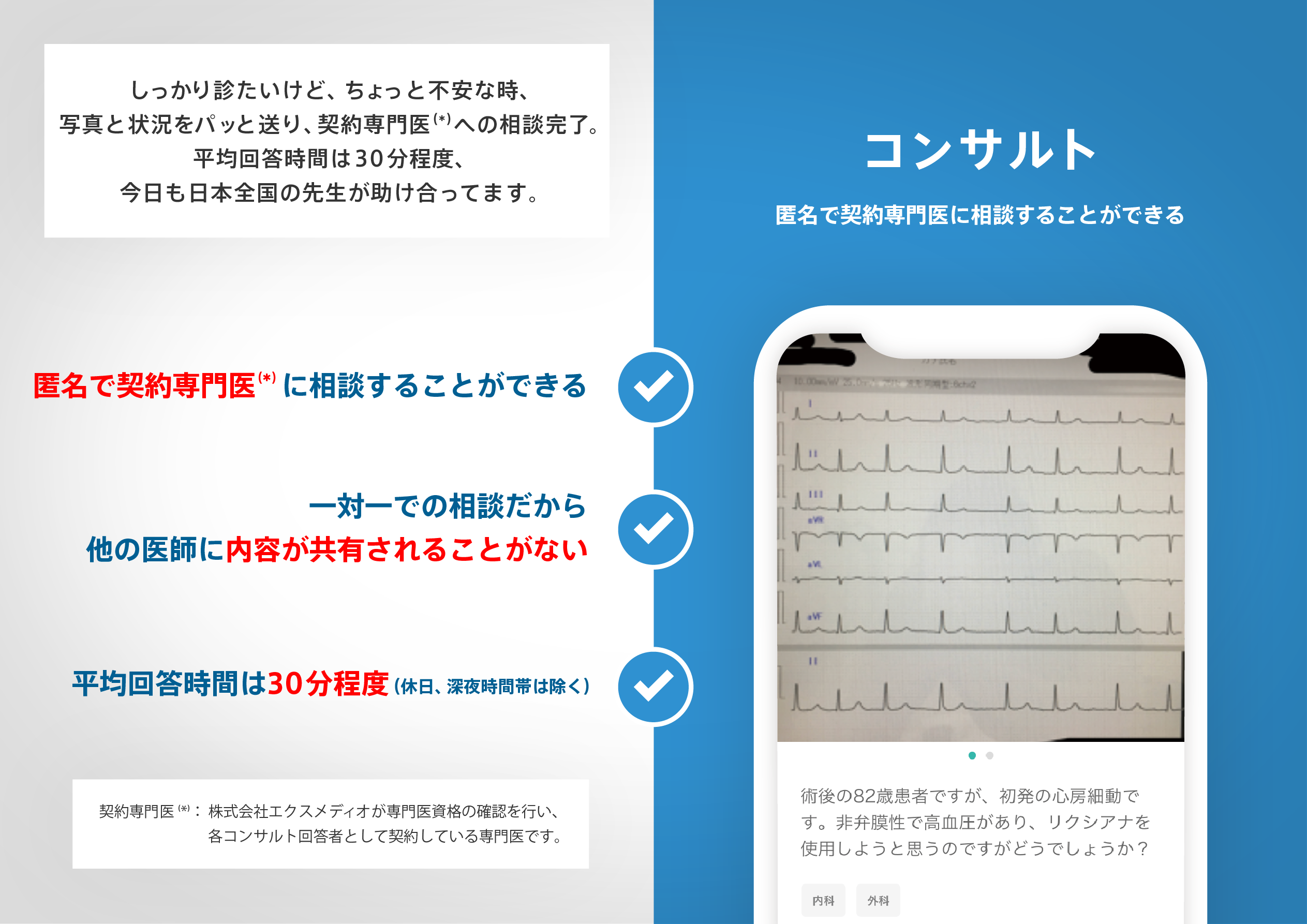
ヒポクラ x マイナビのご紹介

無料会員登録していただくと、さらに便利で効率的な検索が可能になります。