背景: クラミジア・トラコマチス、淋菌、および膣トリコモナスは、主に有害な出生転帰に関連する無症候性の治癒可能な性感染症(STI)です。出生前性感染症検査によって出生転帰が改善されるかどうかは依然として不透明である。 方法:この無作為化試験(NCT04446611)では、18歳以上の妊婦を妊娠27週前に(1)登録時に治癒試験(1回スクリーニング)を伴うトラコマチス菌、淋菌、膣トリコ状菌のスクリーニングと治療に割り当てた。(2) 登録時のスクリーニングと治療、30~34週間ごとに繰り返す(2回スクリーニング)。または (3) 標準治療 (症候群管理)。主要アウトカムは、早産(在胎 37 週未満)または低出生体重(2500 g 未満)の複合でした。各コンポーネントは副次的結果として個別に評価されました。 結果: 登録した 2,247 人のうち、1,910 人が出産しました。複合転帰は、標準治療群の23.2%と比較して、1回スクリーニング群の22.9%(RR 0.99; 95% CI .81-1.21)、2回スクリーニング群の20.6%(RR 0.89; 95% CI .72-1.09)で発生した。早産は1回スクリーニング群の18.9%(RR 1.00; 95% CI .80-1.26)、2回スクリーニング群の14.5%(RR 0.77; 95% CI .60-0.99)、標準治療群の18.8%で発生した。低出生体重児は、1回スクリーニング群の14.1%(RR 1.10; 95% CI .83-1.46)、2回スクリーニング群の12.9%(RR 1.01; 95% CI .76-1.35)、および標準治療群の12.8%で発生した。 結論: どちらの STI スクリーニング戦略も、主要な複合アウトカムや低出生体重単独を減少させることはありませんでした。2 回のスクリーニング戦略により、早産が 23% 減少しました。
背景: クラミジア・トラコマチス、淋菌、および膣トリコモナスは、主に有害な出生転帰に関連する無症候性の治癒可能な性感染症(STI)です。出生前性感染症検査によって出生転帰が改善されるかどうかは依然として不透明である。 方法:この無作為化試験(NCT04446611)では、18歳以上の妊婦を妊娠27週前に(1)登録時に治癒試験(1回スクリーニング)を伴うトラコマチス菌、淋菌、膣トリコ状菌のスクリーニングと治療に割り当てた。(2) 登録時のスクリーニングと治療、30~34週間ごとに繰り返す(2回スクリーニング)。または (3) 標準治療 (症候群管理)。主要アウトカムは、早産(在胎 37 週未満)または低出生体重(2500 g 未満)の複合でした。各コンポーネントは副次的結果として個別に評価されました。 結果: 登録した 2,247 人のうち、1,910 人が出産しました。複合転帰は、標準治療群の23.2%と比較して、1回スクリーニング群の22.9%(RR 0.99; 95% CI .81-1.21)、2回スクリーニング群の20.6%(RR 0.89; 95% CI .72-1.09)で発生した。早産は1回スクリーニング群の18.9%(RR 1.00; 95% CI .80-1.26)、2回スクリーニング群の14.5%(RR 0.77; 95% CI .60-0.99)、標準治療群の18.8%で発生した。低出生体重児は、1回スクリーニング群の14.1%(RR 1.10; 95% CI .83-1.46)、2回スクリーニング群の12.9%(RR 1.01; 95% CI .76-1.35)、および標準治療群の12.8%で発生した。 結論: どちらの STI スクリーニング戦略も、主要な複合アウトカムや低出生体重単独を減少させることはありませんでした。2 回のスクリーニング戦略により、早産が 23% 減少しました。
BACKGROUND: Chlamydia trachomatis, Neisseria gonorrhoeae, and Trichomonas vaginalis are predominantly asymptomatic curable sexually transmitted infections (STIs) associated with adverse birth outcomes. Whether antenatal STI screening improves birth outcomes remains uncertain. METHODS: In this randomized trial (NCT04446611), pregnant women ≥18 years were assigned before 27 weeks' gestation to (1) screening and treatment for C. trachomatis, N. gonorrhoeae, and T. vaginalis at enrollment, with tests-of-cure (1-Time Screening); (2) screening and treatment at enrollment, repeated at 30-34 weeks (2-Time Screening); or (3) Standard-of-Care (syndromic management). The primary outcome was a composite of preterm birth (<37 weeks' gestation) or low birthweight (<2500 g); each component was evaluated individually as a secondary outcome. RESULTS: Of 2247 enrolled, 1910 had live births. The composite outcome occurred in 22.9% of the 1-Time Screening (RR 0.99; 95% CI .81-1.21) and 20.6% of the 2-Time Screening groups (RR 0.89; 95% CI .72-1.09), compared with 23.2% of the Standard-of-Care group. Preterm birth occurred in 18.9% of the 1-Time Screening group (RR 1.00; 95% CI .80-1.26), 14.5% of the 2-Time Screening group (RR 0.77; 95% CI .60-0.99), and 18.8% of the Standard-of-Care group. Low birthweight occurred in 14.1% of the 1-Time Screening group (RR 1.10; 95% CI .83-1.46), 12.9% of the 2-Time Screening group (RR 1.01; 95% CI .76-1.35), and 12.8% of the Standard-of-Care group. CONCLUSIONS: Neither STI screening strategy reduced the primary composite outcome or low birthweight alone. The 2-Time Screening strategy reduced preterm birth by 23%.
医師のための臨床サポートサービス
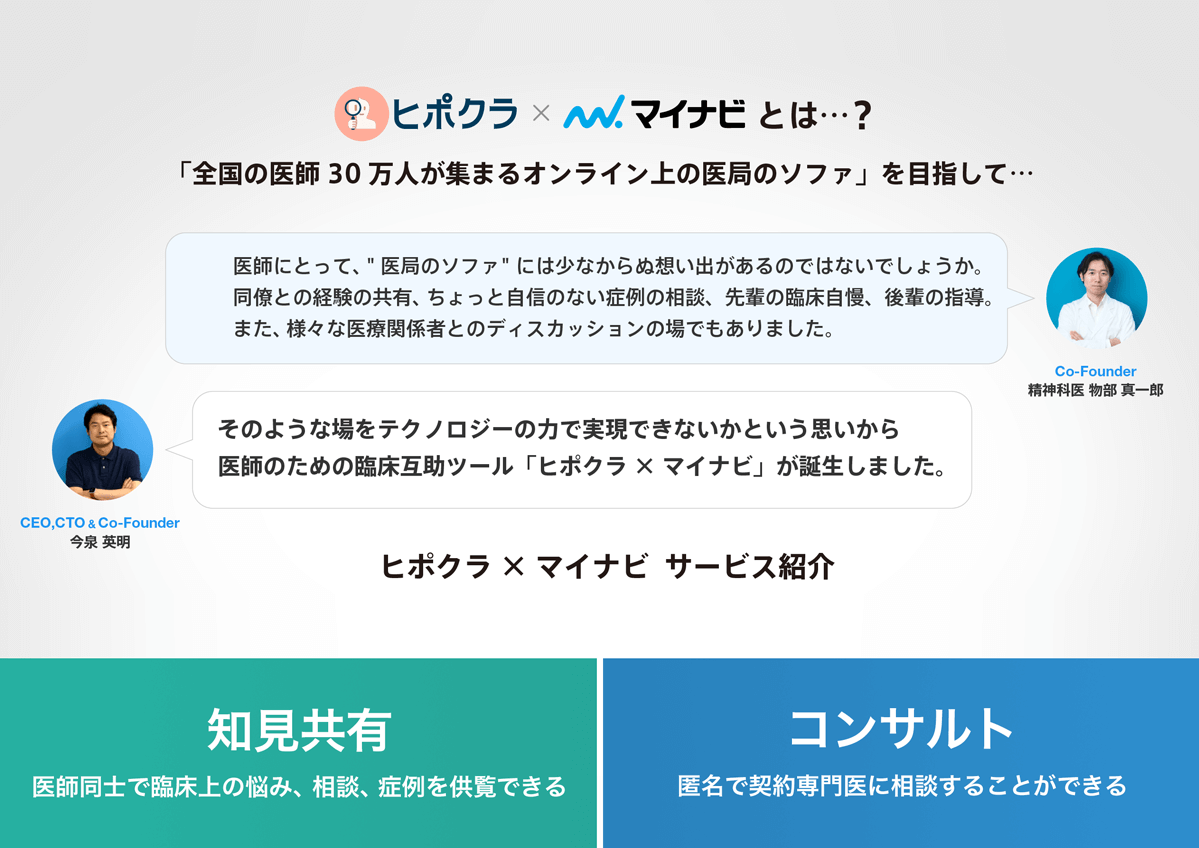
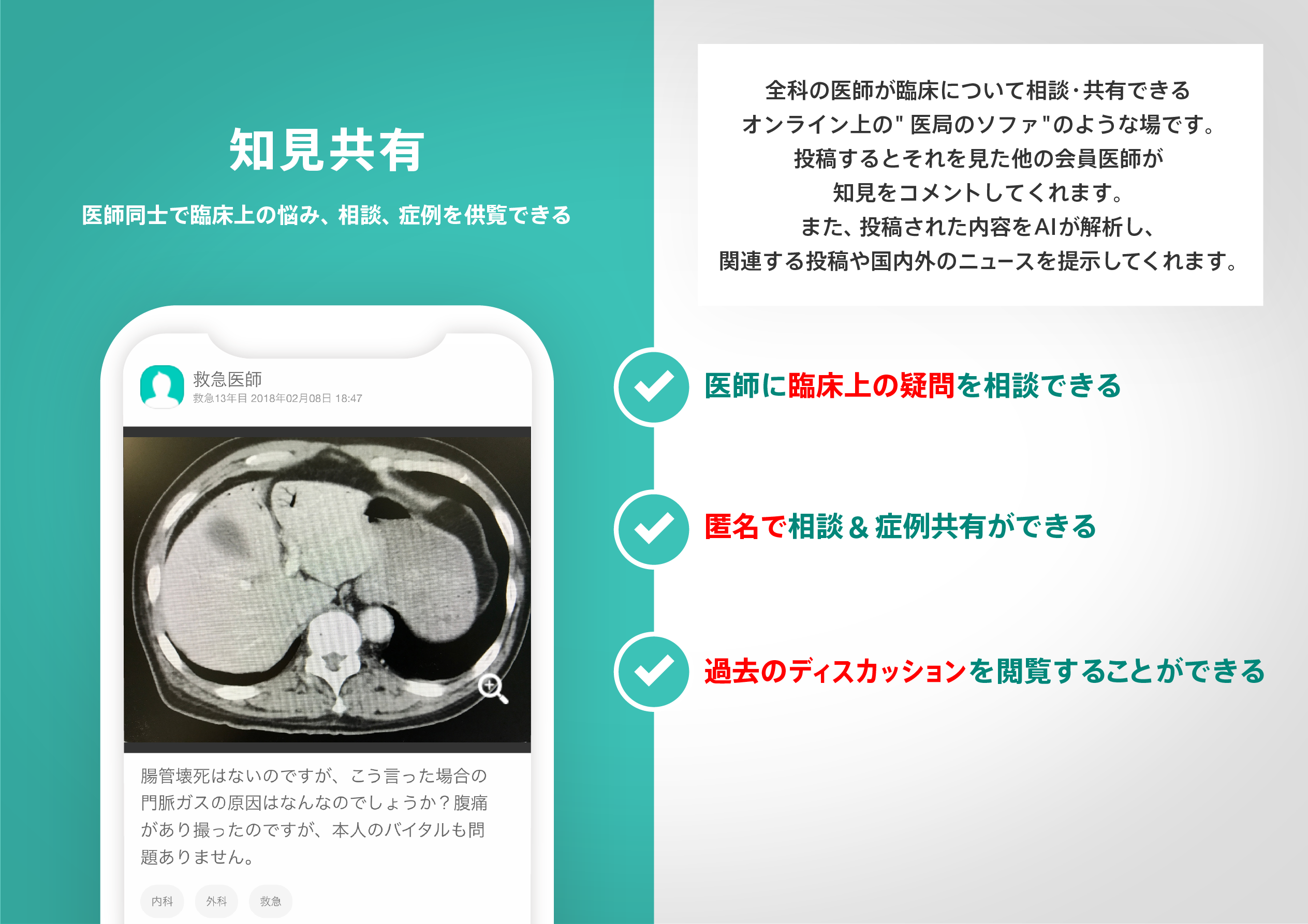
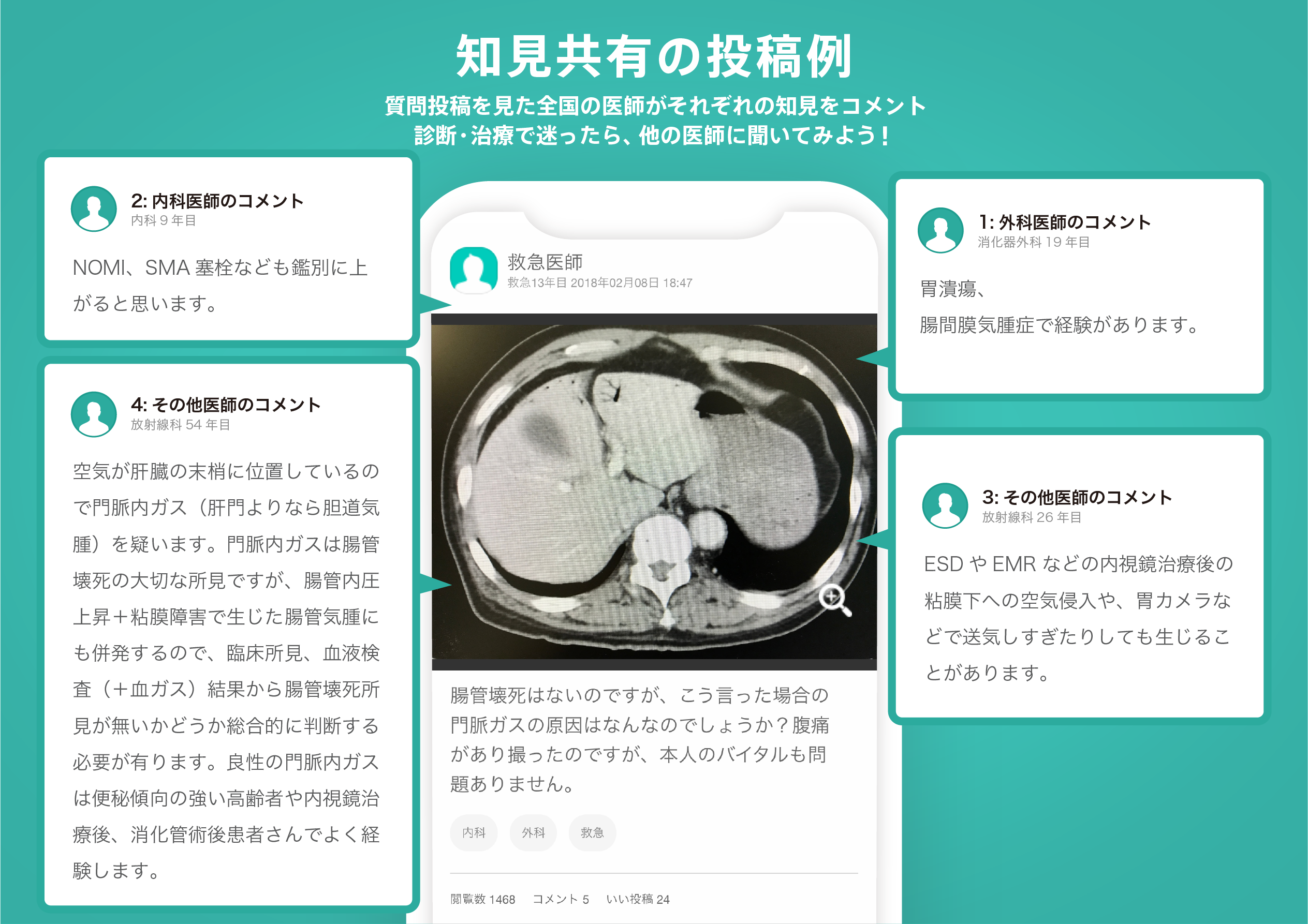
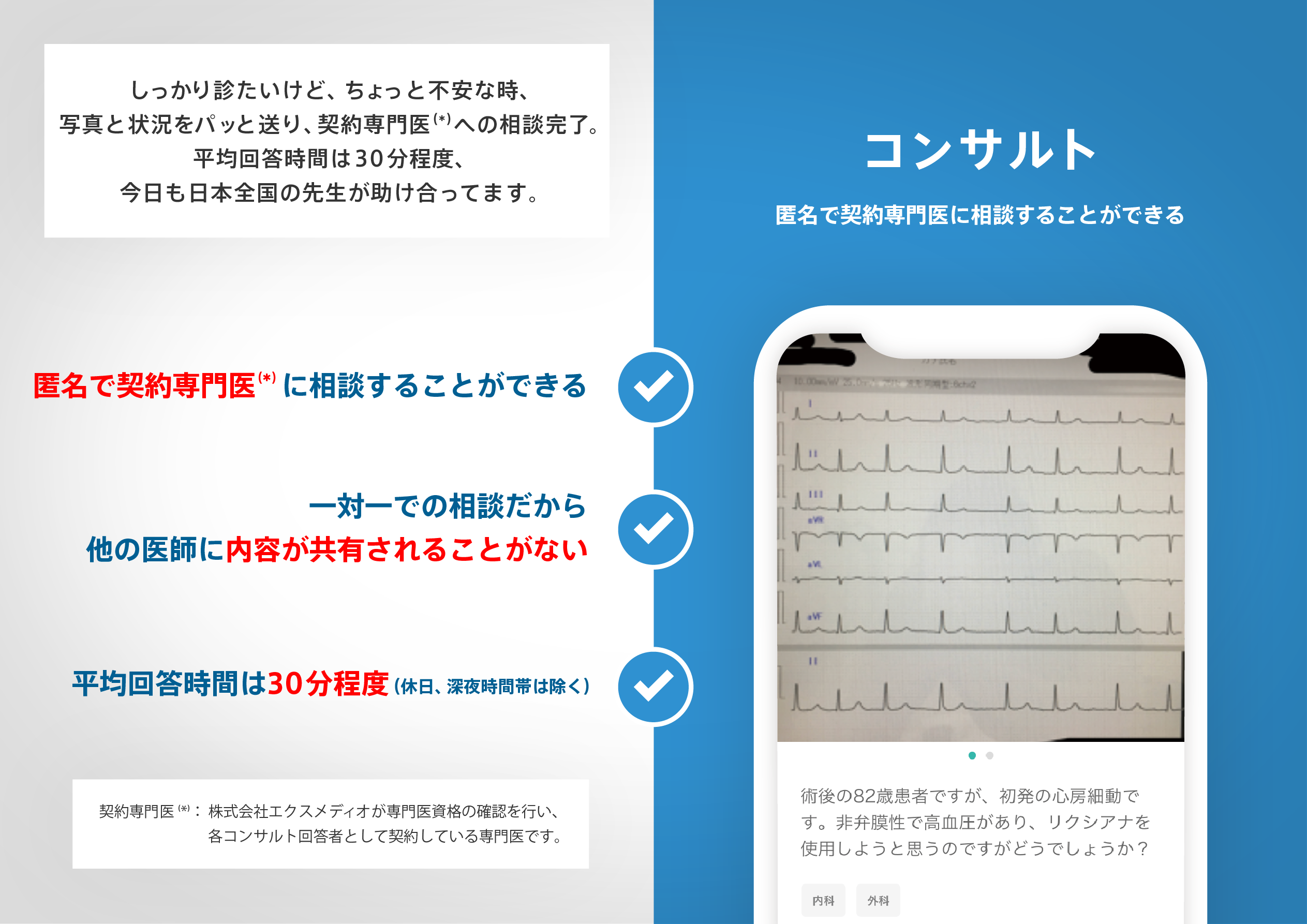
ヒポクラ x マイナビのご紹介

無料会員登録していただくと、さらに便利で効率的な検索が可能になります。