背景/目的: 慢性腎臓病 (CKD) 患者に対する食事の推奨は複雑であり、日常生活に組み込むのが難しい場合があります。モバイルヘルス (mHealth) 介入は、食育、自己モニタリング、疾病管理をサポートする可能性があります。ただし、CKD における栄養関連および臨床転帰に対するそれらの影響は依然として不明です。この体系的レビューとメタ分析では、成人 CKD の栄養関連および臨床転帰に対する mHealth 介入の有効性が評価されました。 方法: レビューは、系統的レビューおよびメタ分析のための優先報告項目 (PRISMA) ガイドラインに従って実施されました。開始から 2026 年 2 月までに 5 つのデータベースが検索されました。mHealth 介入を評価し、栄養関連および/または臨床アウトカムを報告する対照試験、準実験デザイン、事前事後研究が対象となりました。定量的合成には、同等の結果と十分なデータを備えたランダム化対照試験と対照準実験研究が含まれています。同時比較対象が存在しない場合、ベースラインからの変化と時間的影響を区別できないため、事前事後研究は物語的に合成されました。バイアスのリスクは、Cochrane Risk of Bias ツールと ROBINS-I を使用して評価されました。 結果: 23 件の研究がレビューに含まれ、そのうち 8 件がメタ分析の対象基準を満たしました。透析を受けている成人の定量的合成では、生化学的結果や透析間の体重増加に有意な影響は示されませんでした。いくつかの事前事後研究では、ナトリウム摂取量を含む食事摂取量と血圧の結果の改善が研究内で報告されています。同時対照群が存在しないため、観察された変化が特に mHealth 介入によるものであると考えることができないため、これらの結果は慎重に解釈される必要があります。 結論: mHealth の介入は、CKD 成人における特定の食事および臨床転帰の改善をサポートする可能性がある。ただし、ランダム化比較試験から得られた証拠は依然として限られています。事前/事後研究で報告された改善は慎重に解釈されるべきであり、CKD集団全体での有効性を判定するには、追加の適切に設計されたランダム化比較試験が必要です。
背景/目的: 慢性腎臓病 (CKD) 患者に対する食事の推奨は複雑であり、日常生活に組み込むのが難しい場合があります。モバイルヘルス (mHealth) 介入は、食育、自己モニタリング、疾病管理をサポートする可能性があります。ただし、CKD における栄養関連および臨床転帰に対するそれらの影響は依然として不明です。この体系的レビューとメタ分析では、成人 CKD の栄養関連および臨床転帰に対する mHealth 介入の有効性が評価されました。 方法: レビューは、系統的レビューおよびメタ分析のための優先報告項目 (PRISMA) ガイドラインに従って実施されました。開始から 2026 年 2 月までに 5 つのデータベースが検索されました。mHealth 介入を評価し、栄養関連および/または臨床アウトカムを報告する対照試験、準実験デザイン、事前事後研究が対象となりました。定量的合成には、同等の結果と十分なデータを備えたランダム化対照試験と対照準実験研究が含まれています。同時比較対象が存在しない場合、ベースラインからの変化と時間的影響を区別できないため、事前事後研究は物語的に合成されました。バイアスのリスクは、Cochrane Risk of Bias ツールと ROBINS-I を使用して評価されました。 結果: 23 件の研究がレビューに含まれ、そのうち 8 件がメタ分析の対象基準を満たしました。透析を受けている成人の定量的合成では、生化学的結果や透析間の体重増加に有意な影響は示されませんでした。いくつかの事前事後研究では、ナトリウム摂取量を含む食事摂取量と血圧の結果の改善が研究内で報告されています。同時対照群が存在しないため、観察された変化が特に mHealth 介入によるものであると考えることができないため、これらの結果は慎重に解釈される必要があります。 結論: mHealth の介入は、CKD 成人における特定の食事および臨床転帰の改善をサポートする可能性がある。ただし、ランダム化比較試験から得られた証拠は依然として限られています。事前/事後研究で報告された改善は慎重に解釈されるべきであり、CKD集団全体での有効性を判定するには、追加の適切に設計されたランダム化比較試験が必要です。
BACKGROUND/OBJECTIVES: Diet recommendations for individuals with chronic kidney disease (CKD) are complex and can be challenging to integrate into daily routines. Mobile health (mHealth) interventions may support dietary education, self-monitoring, and disease management; however, their effects on nutrition-related and clinical outcomes in CKD remain unclear. This systematic review and meta-analysis evaluated the effectiveness of mHealth interventions on nutrition-related and clinical outcomes among adults with CKD. METHODS: The review was conducted according to the Preferred Reporting Items for Systematic Review and Meta-analysis (PRISMA) guidelines. Five databases were searched from inception through February 2026. Controlled trials, quasi-experimental designs and pre-post studies evaluating mHealth interventions and reporting nutrition-related and/or clinical outcomes were eligible for inclusion. Randomized controlled trials and controlled quasi-experimental studies with comparable outcomes and sufficient data were included in the quantitative synthesis. Pre-post studies were synthesized narratively because changes from baseline could not be distinguished from temporal effects in the absence of a concurrent comparator. Risk of bias was assessed using the Cochrane Risk of Bias tool and ROBINS-I. RESULTS: Twenty-three studies were included in the review, with eight meeting the inclusion criteria for a meta-analysis. Among the quantitative synthesis of adults on dialysis, no significant effects were shown with biochemical outcomes or interdialytic weight gain. Several pre-post studies reported within-study improvements in dietary intake, including sodium intake, and blood pressure outcomes. These findings should be interpreted cautiously because the absence of a concurrent control group precludes attributing observed changes specifically to the mHealth intervention. CONCLUSIONS: mHealth interventions may support improvements in selected dietary and clinical outcomes among adults with CKD; however, evidence from randomized controlled trials remains limited. Improvements reported in pre/post studies should be interpreted cautiously and additional well-designed randomized controlled trials are needed to determine their effectiveness across CKD populations.
医師のための臨床サポートサービス
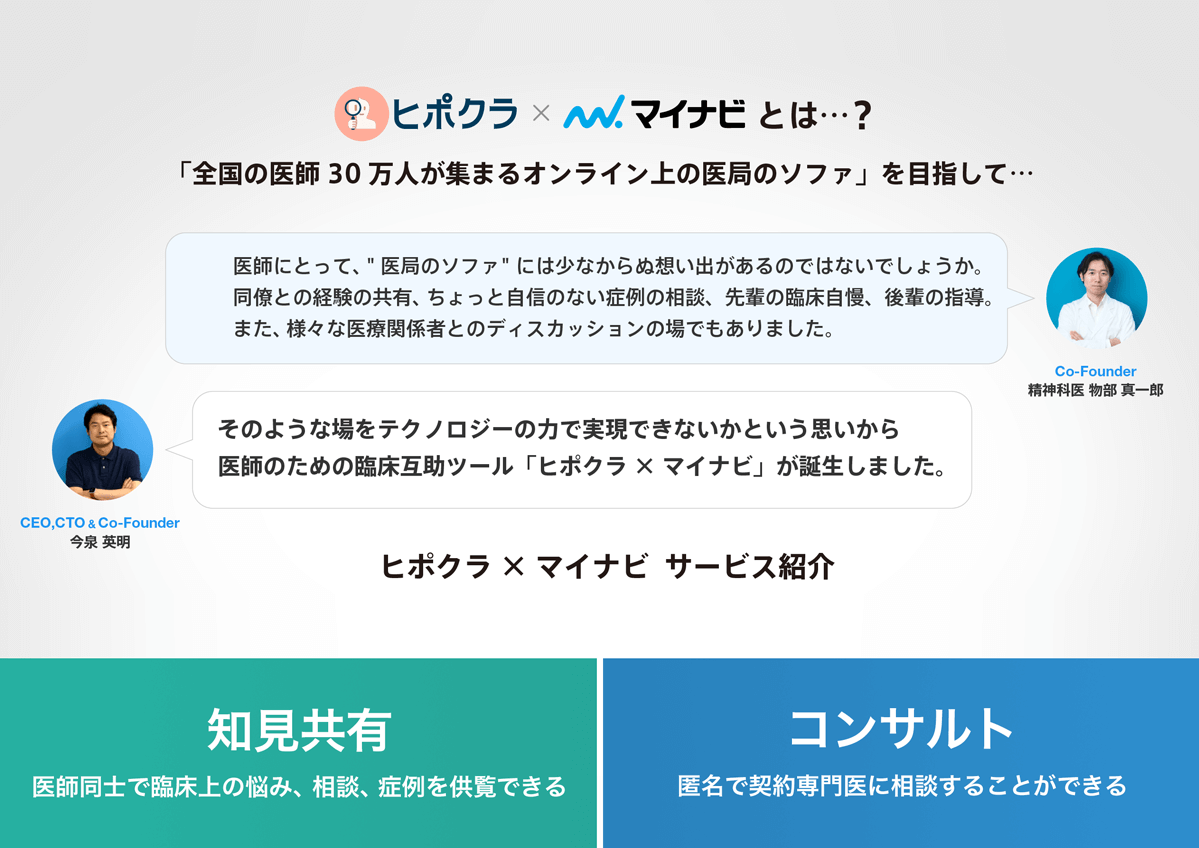
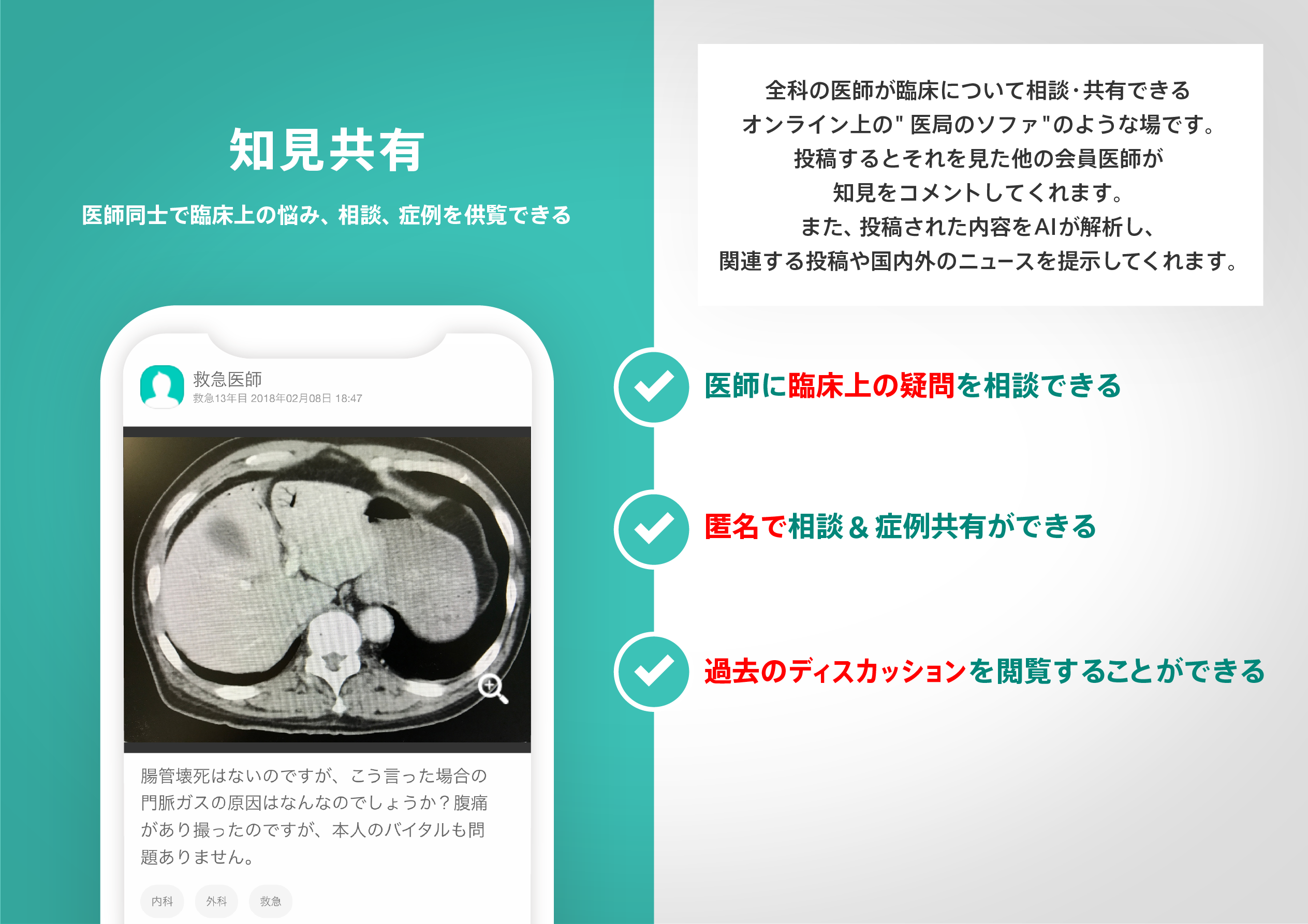
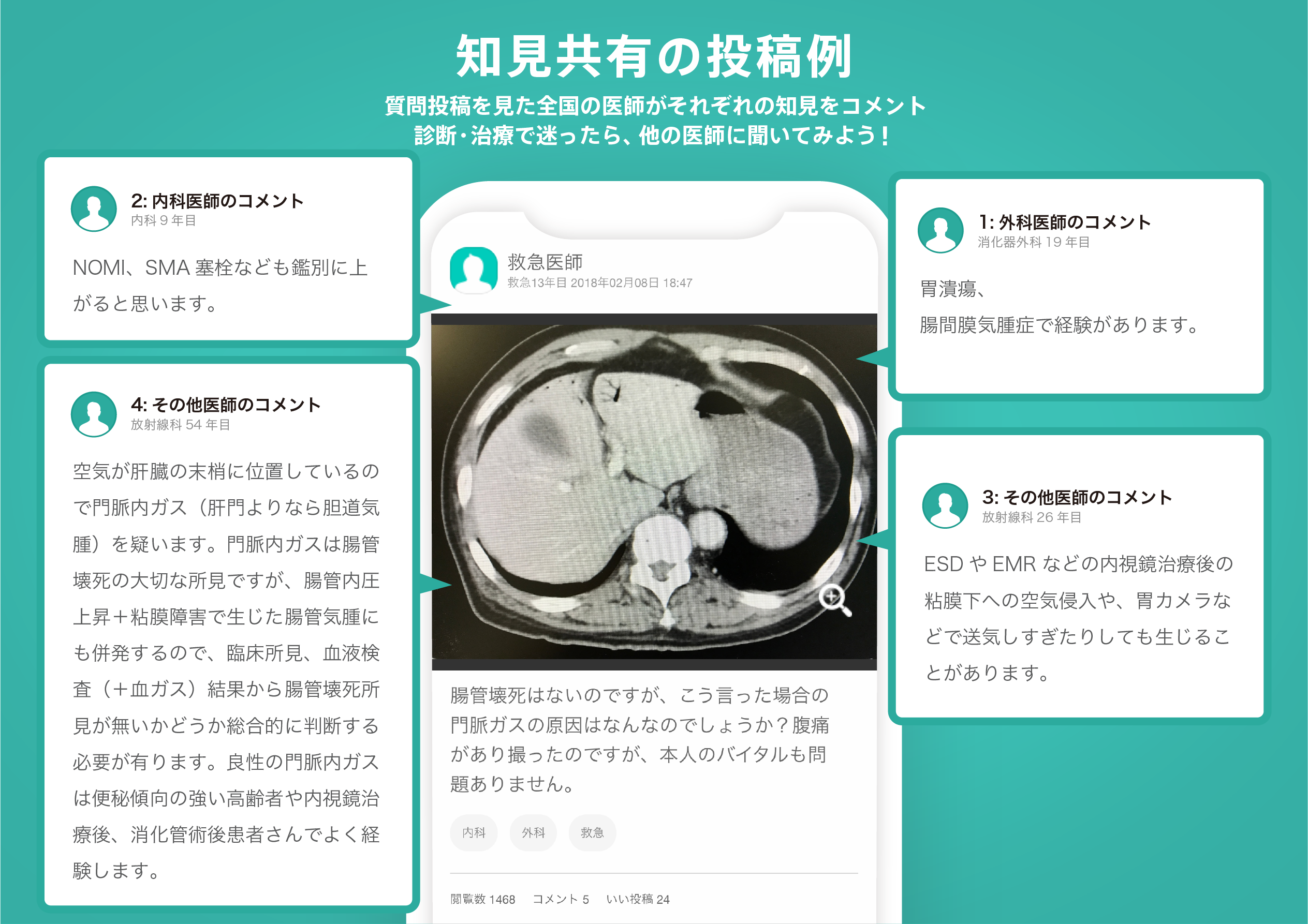
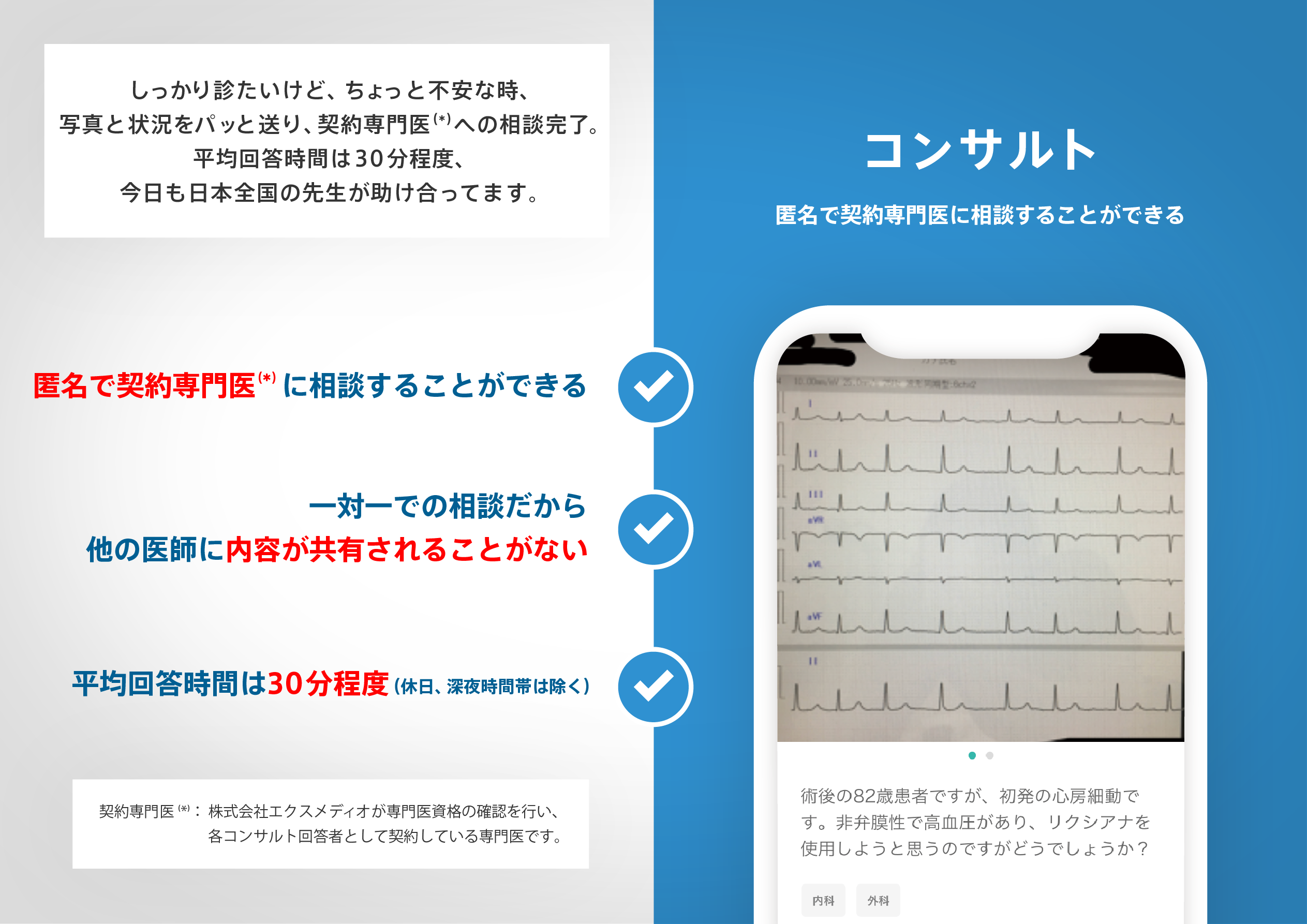
ヒポクラ x マイナビのご紹介

無料会員登録していただくと、さらに便利で効率的な検索が可能になります。