背景/目的: 産後のライフスタイル介入は、妊娠高血圧症候群 (HDP) 後の心血管疾患 (CVD) リスクの増加を軽減する可能性があります。この研究は、HDP後のライフスタイル行動と健康的な生活に対する女性の認識の長期的な変化を調査することを目的としていました。 方法:この研究は、HDP後の女性を対象とした3群多施設産後血圧(BP2)ランダム化対照試験の縦断的サブ研究であり、産後6~12か月のさまざまな産後ケア/ライフスタイル介入戦略と、産後3~4年間の介入後の観察追跡調査で構成されている。ニューサウスウェールズ州健康人口調査では、産後 6 ~ 12 か月後のライフスタイル変数が収集されました。HDP の 3 ~ 4 年後、オーストラリアの食事調査と国際身体活動アンケートが、それぞれ食事と身体活動について交互に使用されました。線形混合効果モデルは、野菜/果物の毎日の摂取量、中程度から激しい身体活動 (MVPA)、および動機付け、障壁、および満足度に関する健康的な生活の認識スコアを分析しました。 結果: 180人の参加者において、報告された平均(SD)野菜/果物1日摂取量が増加した(野菜1食分/日: 2.6 (1.3)、6ヶ月 vs 2.7 (1.4)、12ヶ月 vs 4.2 (2.0)、3~4年、p < 0.001; 果物1日当たりの摂取量: 1.7 (1.0)、6ヶ月 vs 1.7(1.0)、12 か月 vs. 2.2 (1.3)、3 ~ 4 年、p < 0.001)、その他の好ましくない食事の変更を伴いました。報告された中央値 [IQR] MVPA は増加しました (分/週、330 [280]、6 か月 vs. 313 [331]、12 か月 vs. 515 [690]、3 ~ 4 年、p < 0.001)。健康的な行動をする動機は減少し(p < 0.001)、認識されている障壁は増加し(p < 0.001)、食事と体の外観に対する満足度は時間の経過とともに悪化しました(p < 0.001)。 結論: 全体として、女性は健康促進食品と健康促進効果の低い食品の両方の摂取量が高く、MVPA が高いと報告しました。ただし、ライフスタイルの測定には異なるツールが使用されました。同じ装置を使用して、知覚の悪化が観察されました。
背景/目的: 産後のライフスタイル介入は、妊娠高血圧症候群 (HDP) 後の心血管疾患 (CVD) リスクの増加を軽減する可能性があります。この研究は、HDP後のライフスタイル行動と健康的な生活に対する女性の認識の長期的な変化を調査することを目的としていました。 方法:この研究は、HDP後の女性を対象とした3群多施設産後血圧(BP2)ランダム化対照試験の縦断的サブ研究であり、産後6~12か月のさまざまな産後ケア/ライフスタイル介入戦略と、産後3~4年間の介入後の観察追跡調査で構成されている。ニューサウスウェールズ州健康人口調査では、産後 6 ~ 12 か月後のライフスタイル変数が収集されました。HDP の 3 ~ 4 年後、オーストラリアの食事調査と国際身体活動アンケートが、それぞれ食事と身体活動について交互に使用されました。線形混合効果モデルは、野菜/果物の毎日の摂取量、中程度から激しい身体活動 (MVPA)、および動機付け、障壁、および満足度に関する健康的な生活の認識スコアを分析しました。 結果: 180人の参加者において、報告された平均(SD)野菜/果物1日摂取量が増加した(野菜1食分/日: 2.6 (1.3)、6ヶ月 vs 2.7 (1.4)、12ヶ月 vs 4.2 (2.0)、3~4年、p < 0.001; 果物1日当たりの摂取量: 1.7 (1.0)、6ヶ月 vs 1.7(1.0)、12 か月 vs. 2.2 (1.3)、3 ~ 4 年、p < 0.001)、その他の好ましくない食事の変更を伴いました。報告された中央値 [IQR] MVPA は増加しました (分/週、330 [280]、6 か月 vs. 313 [331]、12 か月 vs. 515 [690]、3 ~ 4 年、p < 0.001)。健康的な行動をする動機は減少し(p < 0.001)、認識されている障壁は増加し(p < 0.001)、食事と体の外観に対する満足度は時間の経過とともに悪化しました(p < 0.001)。 結論: 全体として、女性は健康促進食品と健康促進効果の低い食品の両方の摂取量が高く、MVPA が高いと報告しました。ただし、ライフスタイルの測定には異なるツールが使用されました。同じ装置を使用して、知覚の悪化が観察されました。
BACKGROUND/OBJECTIVES: Postpartum lifestyle interventions may mitigate increased cardiovascular disease (CVD) risks following hypertensive disorders of pregnancy (HDP). The study aimed to examine longitudinal changes in post-HDP lifestyle behaviors and women's perceptions towards healthy living. METHODS: This study was a longitudinal sub-study of the 3-armed, multicenter Blood Pressure Postpartum (BP2) randomized controlled trial in post-HDP women, comprising different postpartum care/lifestyle intervention strategies 6-12 months postpartum and post-intervention observational follow-up to 3-4 years postpartum. The NSW Health Population Survey captured lifestyle variables 6-12 months postpartum. At 3-4 years post-HDP, the Australian Eating Survey and the International Physical Activity Questionnaire were alternatively used for diet and physical activity, respectively. Linear mixed-effects models analyzed daily consumption of vegetables/fruit, moderate-to-vigorous physical activity (MVPA), and perception scores of healthy living for motivators, barriers, and satisfaction. RESULTS: In 180 participants, reported mean (SD) vegetable/fruit daily intake increased (vegetable servings/day: 2.6 (1.3), 6 months vs. 2.7 (1.4), 12 months vs. 4.2 (2.0), 3-4 years, p < 0.001; fruit servings/day: 1.7 (1.0), 6 months vs. 1.7 (1.0), 12 months vs. 2.2 (1.3), 3-4 years, p < 0.001), while accompanied by other unfavorable dietary changes. Reported median [IQR] MVPA increased (minutes/week, 330 [280], 6 months vs. 313 [331], 12 months vs. 515 [690], 3-4 years, p < 0.001). Motivators to engage in healthy behaviors decreased (p < 0.001), perceived barriers increased (p < 0.001), and satisfaction with diet and body appearance worsened over time (p < 0.001). CONCLUSIONS: Overall, women reported higher intake of both health-promoting and less health-promoting foods and higher MVPA; however, different tools were used for lifestyle measurement. Worsening perceptions were observed using the same instrument.
医師のための臨床サポートサービス
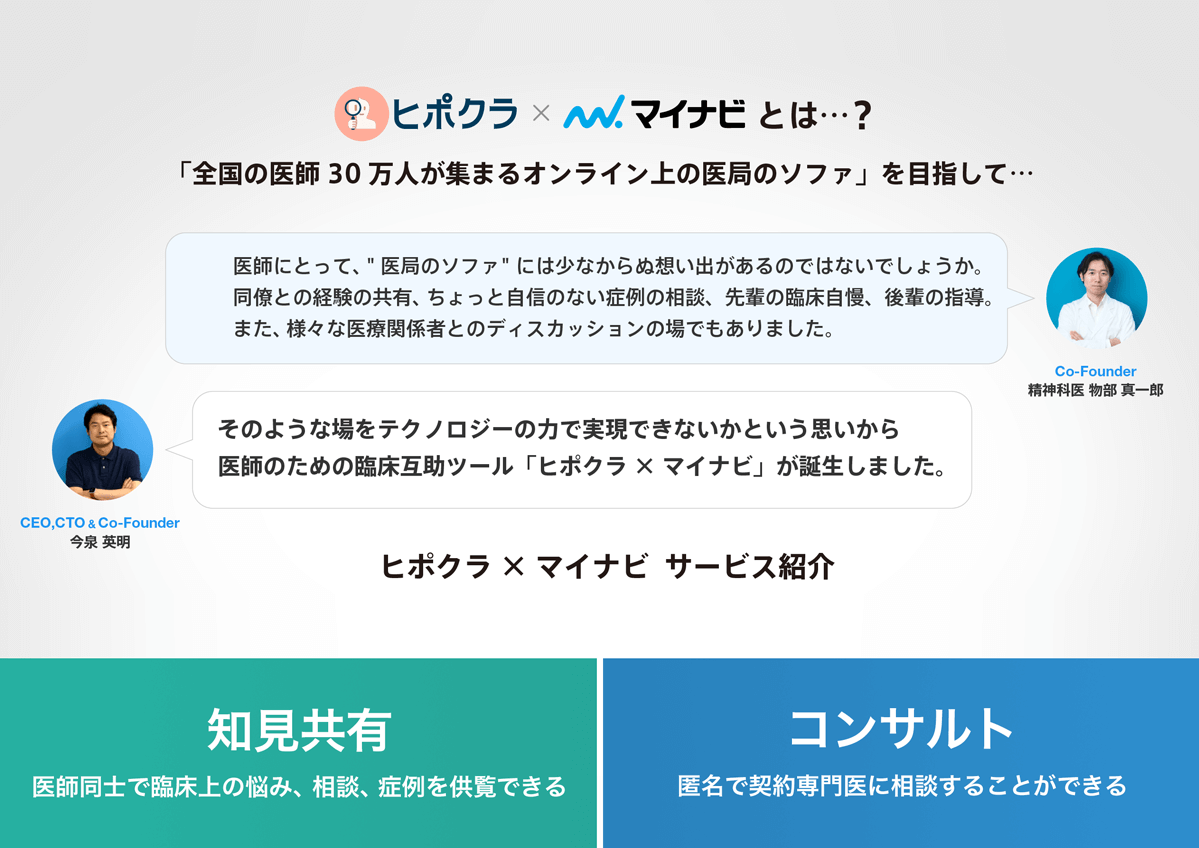
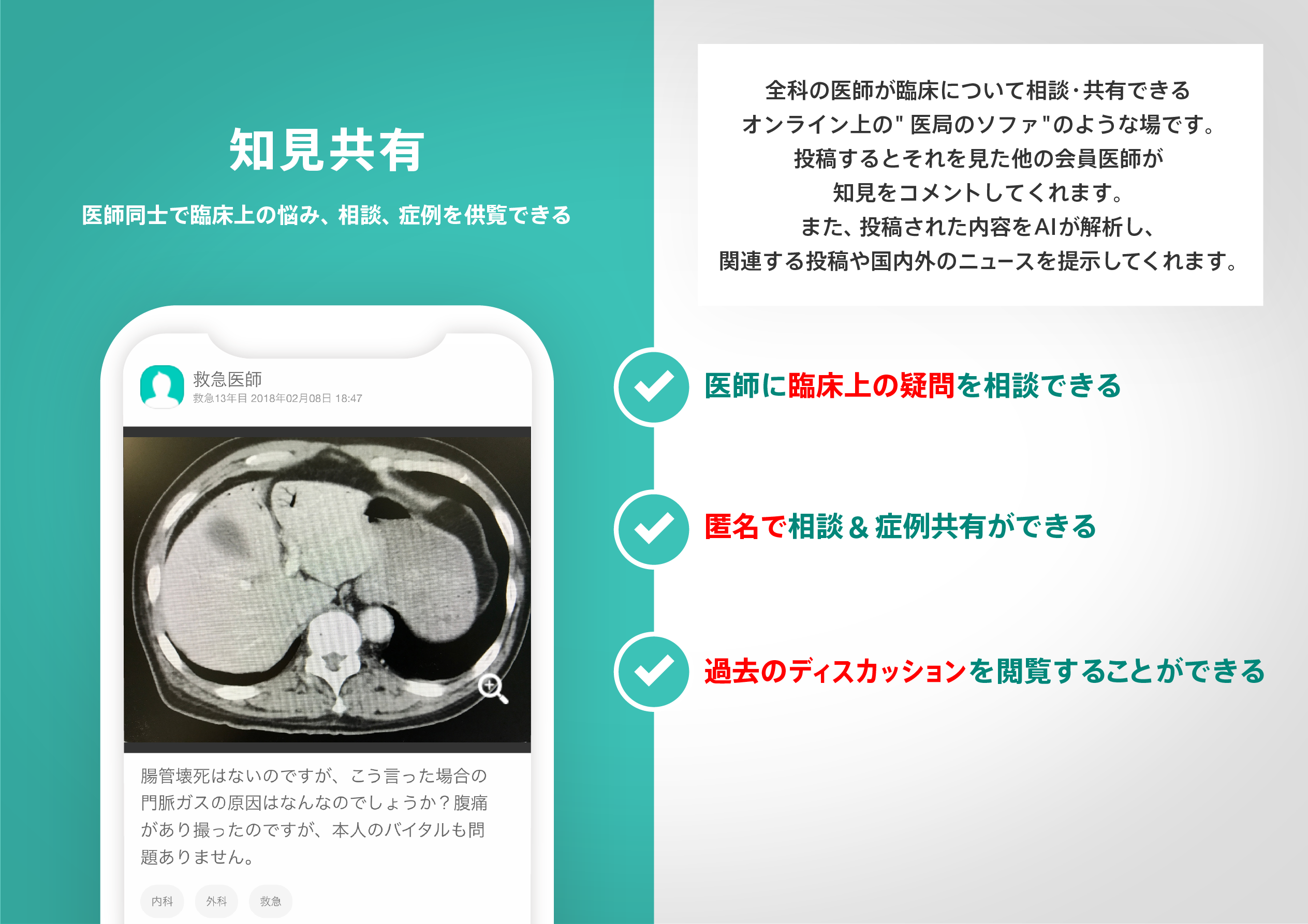
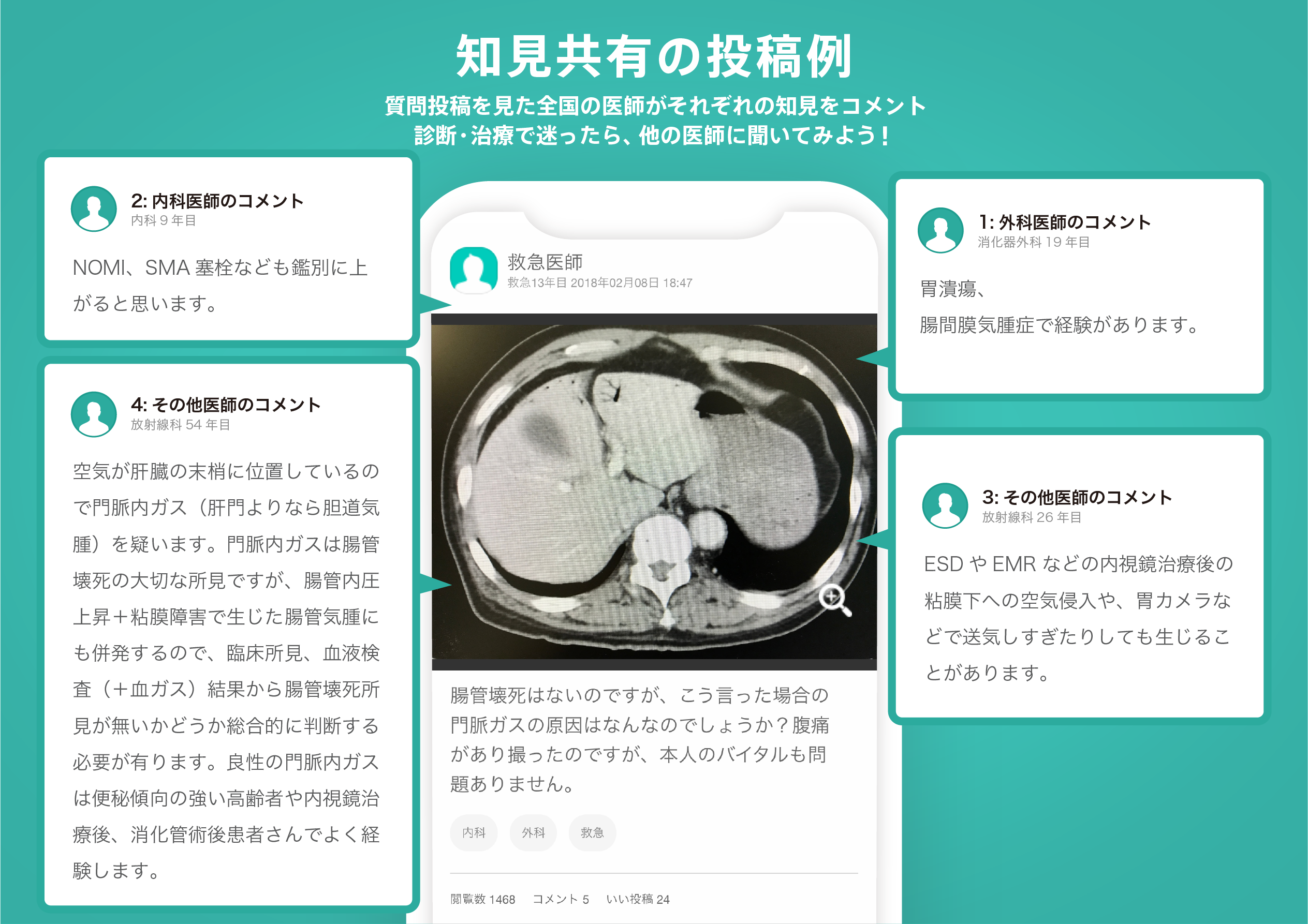
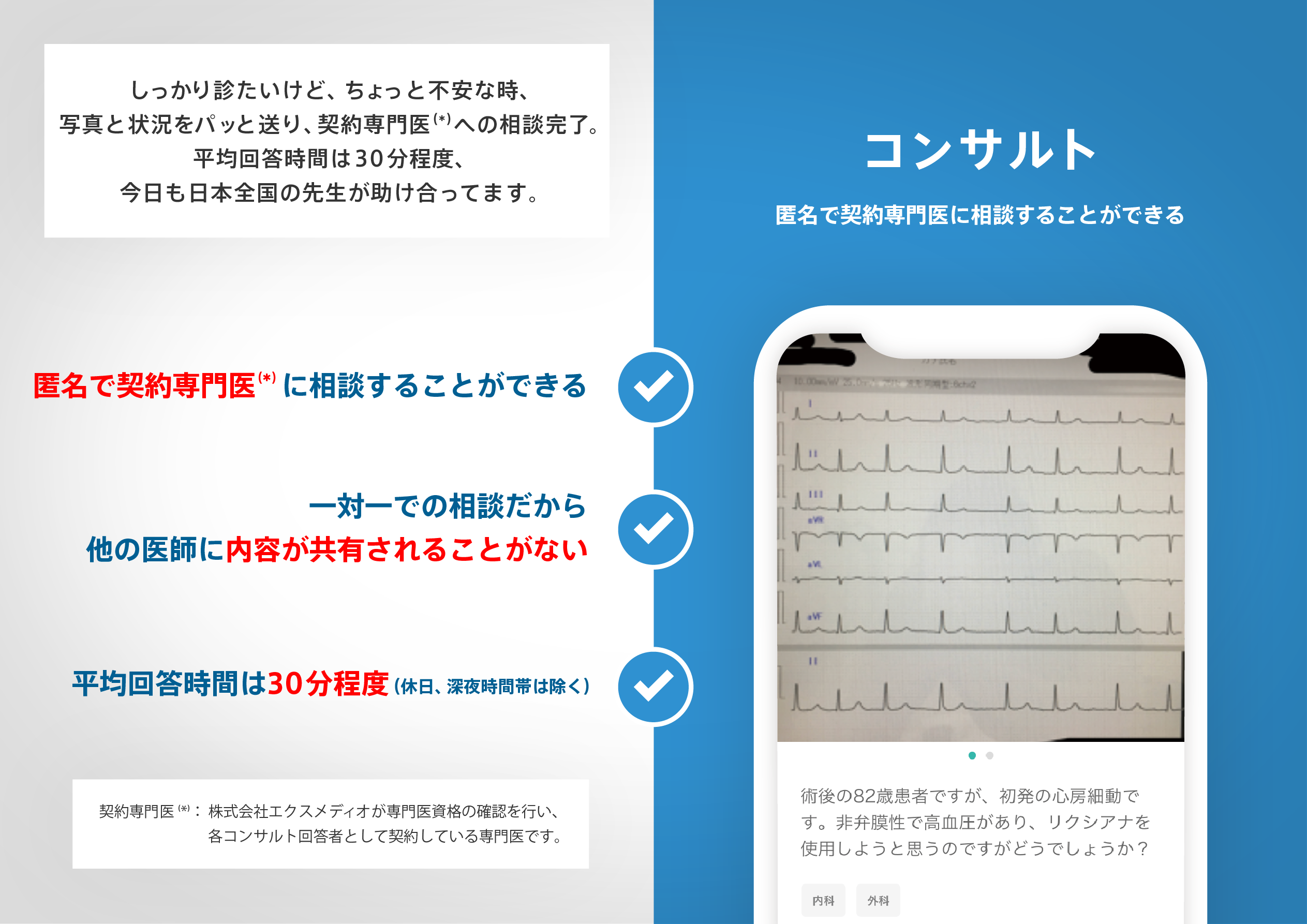
ヒポクラ x マイナビのご紹介

無料会員登録していただくと、さらに便利で効率的な検索が可能になります。