背景: 腰痛は、世界中で障害の主な原因となっています。国際的な臨床ガイドラインでは数多くの治療アプローチが推奨されていますが、どの介入が費用対効果が最も優れているかについてはまだ理解が進んでいません。私たちは、腰痛(LBP)を管理するための最近のガイドラインで承認されている介入の費用対効果とコストに関する証拠を、通常のケアと比較して批判的に評価し、要約することを目的としました。 方法と結果:非特異的LBPを管理するためにガイドラインが推奨する治療法の費用対効果研究について、開始から2026年2月9日までに10の電子データベース(MEDLINE(OvidSP)、EMBASE(OvidSP)、PsycINFO(OvidSP)など)を検索しました。主要な結果はコスト/品質調整生存年 (QALY) であり、2024 年の英国ポンドの価値に換算され、表が作成され、定性的に要約されました。副次的アウトカムは、直接費用(総費用、介入費用、医療サービスの利用、地域サービスおよび自己負担費用)および間接費用(例:賃金の損失、生産性の損失、欠勤)でした。試験内の経済評価にはコンセンサス医療経済基準(CHEC)チェックリスト、またはモデリング研究にはフィリップスのチェックリストを使用して、方法論の品質を評価しました。私たちのレビューには、2005年から2026年の間に発表された20件の研究(17件の治験内経済評価と3件のモデリング研究)が含まれていました。半数(n = 10)は慢性LBP(3か月以上の期間)に焦点を当てており、8件には混合集団(つまり、急性、亜急性、慢性)が含まれていました。すべての研究は、非薬理学的、非外科的介入、単一療法介入と複合療法介入(例:運動と脊椎操作、食事と身体活動)の両方に関するものでした。ほとんどの介入は、支払意思額が 20,000 ポンドであれば費用対効果が高くなります。さらに、慢性LBP患者の恐怖やストレスの軽減や自己管理のサポートを目的とした介入、ならびにヨガ、鍼治療、認知療法、自己管理サポートなどの臨床医が提供する介入は、通常のケア(アドバイスや投薬を含むファーストコンタクト管理など)より効果的かつ低コストであるため、医療、社会、支払者の観点から見てコスト削減となる可能性がある。すべての証拠は高所得国と、かなり多様な文献から得られています。低所得国および中所得国における費用対効果の高い治療に関する証拠は依然として限られています。 結論:教育、心理的サポート、鍼治療、運動などの非薬理学的、非外科的介入は、通常のケアと比較してLBPの管理に費用対効果が高いと思われる。これらの効果的な治療法へのアクセスとその実施を改善し、より多くの人が日常的な治療でその恩恵を受けられるようにすることが緊急に必要とされています。 登録: レビューは PROSPERO (https://www.crd.york.ac.uk; CRD42024510270) に登録されました。
背景: 腰痛は、世界中で障害の主な原因となっています。国際的な臨床ガイドラインでは数多くの治療アプローチが推奨されていますが、どの介入が費用対効果が最も優れているかについてはまだ理解が進んでいません。私たちは、腰痛(LBP)を管理するための最近のガイドラインで承認されている介入の費用対効果とコストに関する証拠を、通常のケアと比較して批判的に評価し、要約することを目的としました。 方法と結果:非特異的LBPを管理するためにガイドラインが推奨する治療法の費用対効果研究について、開始から2026年2月9日までに10の電子データベース(MEDLINE(OvidSP)、EMBASE(OvidSP)、PsycINFO(OvidSP)など)を検索しました。主要な結果はコスト/品質調整生存年 (QALY) であり、2024 年の英国ポンドの価値に換算され、表が作成され、定性的に要約されました。副次的アウトカムは、直接費用(総費用、介入費用、医療サービスの利用、地域サービスおよび自己負担費用)および間接費用(例:賃金の損失、生産性の損失、欠勤)でした。試験内の経済評価にはコンセンサス医療経済基準(CHEC)チェックリスト、またはモデリング研究にはフィリップスのチェックリストを使用して、方法論の品質を評価しました。私たちのレビューには、2005年から2026年の間に発表された20件の研究(17件の治験内経済評価と3件のモデリング研究)が含まれていました。半数(n = 10)は慢性LBP(3か月以上の期間)に焦点を当てており、8件には混合集団(つまり、急性、亜急性、慢性)が含まれていました。すべての研究は、非薬理学的、非外科的介入、単一療法介入と複合療法介入(例:運動と脊椎操作、食事と身体活動)の両方に関するものでした。ほとんどの介入は、支払意思額が 20,000 ポンドであれば費用対効果が高くなります。さらに、慢性LBP患者の恐怖やストレスの軽減や自己管理のサポートを目的とした介入、ならびにヨガ、鍼治療、認知療法、自己管理サポートなどの臨床医が提供する介入は、通常のケア(アドバイスや投薬を含むファーストコンタクト管理など)より効果的かつ低コストであるため、医療、社会、支払者の観点から見てコスト削減となる可能性がある。すべての証拠は高所得国と、かなり多様な文献から得られています。低所得国および中所得国における費用対効果の高い治療に関する証拠は依然として限られています。 結論:教育、心理的サポート、鍼治療、運動などの非薬理学的、非外科的介入は、通常のケアと比較してLBPの管理に費用対効果が高いと思われる。これらの効果的な治療法へのアクセスとその実施を改善し、より多くの人が日常的な治療でその恩恵を受けられるようにすることが緊急に必要とされています。 登録: レビューは PROSPERO (https://www.crd.york.ac.uk; CRD42024510270) に登録されました。
BACKGROUND: Low back pain is the leading cause of disability worldwide. Although numerous treatment approaches are recommended by international clinical guidelines, there is still limited understanding of which interventions provide the best value for money. We aimed to critically appraise and summarise the evidence on the cost-effectiveness and costs of interventions endorsed in recent guidelines to manage low back pain (LBP), compared to usual care. METHODS AND FINDINGS: We searched 10 electronic databases (e.g., MEDLINE (OvidSP), EMBASE (OvidSP), PsycINFO (OvidSP)) from inception to 9th of February 2026 for cost-effectiveness studies of guideline-recommended treatments to manage non-specific LBP. The primary outcome was cost/quality-adjusted life year (QALY), which was converted to 2024 Great British Pound values, tabulated and summarised qualitatively. Secondary outcomes were direct costs (total, interventional, health service use, community services and out-of-pocket costs) and indirect costs (e.g., lost wages, lost productivity, absenteeism). We assessed methodological quality using the Consensus Health Economics Criteria (CHEC) checklist for within-trial economic evaluations or the Philips checklist for modelling studies. Our review included 20 studies (17 within-trial economic evaluations and three modelling studies), published between 2005 and 2026. Half (n = 10) focussed on chronic LBP (>3-month duration), and eight included mixed populations (i.e., acute, subacute and chronic). All studies were of non-pharmacological, non-surgical interventions, both single-modality and multimodal interventions (e.g., exercise plus spinal manipulation; diet plus physical activity). Most interventions are cost-effective at a willingness-to-pay threshold of £20,000. Moreover, interventions aiming to reduce fear and stress or support self-management in people with chronic LBP, as well as clinician-delivered interventions including yoga, acupuncture, cognitive therapy and self-management support are potentially cost-saving from the healthcare, societal and payer's perspectives, as they are both more effective and less costly than usual care (e.g., first contact management, including advice and medication). All of the evidence is derived from high-income countries, and from a considerable heterogenous body of literature. Evidence on cost-effective treatments in low- and middle-income countries remains limited. CONCLUSIONS: Non-pharmacological, non-surgical interventions that include education, psychological support, acupuncture and exercise seem to be cost-effective for managing LBP, compared to usual care. Improved access to and implementation of these effective treatments is urgently needed so more people can benefit from them in routine care. REGISTRATION: The review was registered on PROSPERO (https://www.crd.york.ac.uk; CRD42024510270).
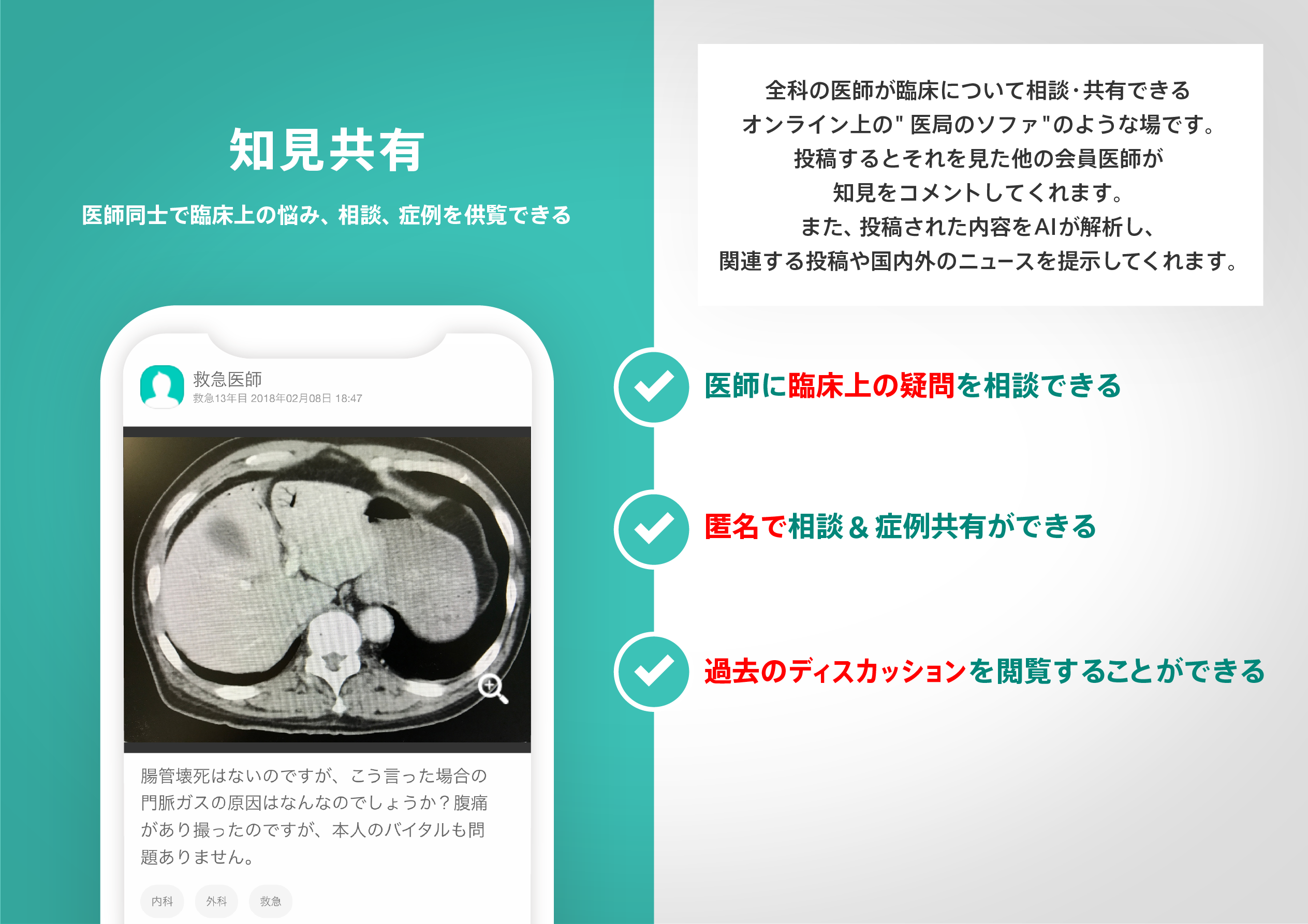
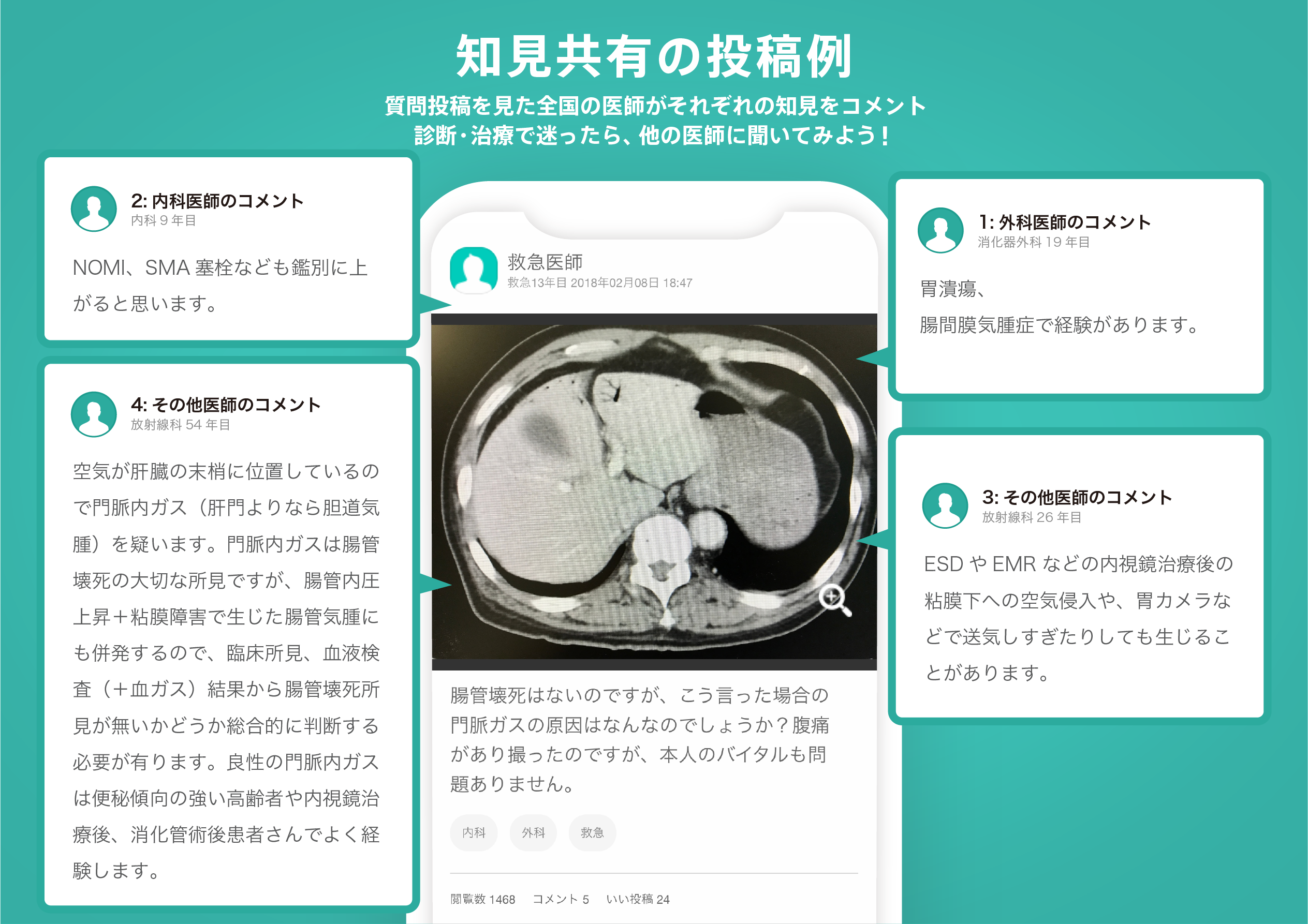
医師のための臨床サポートサービス
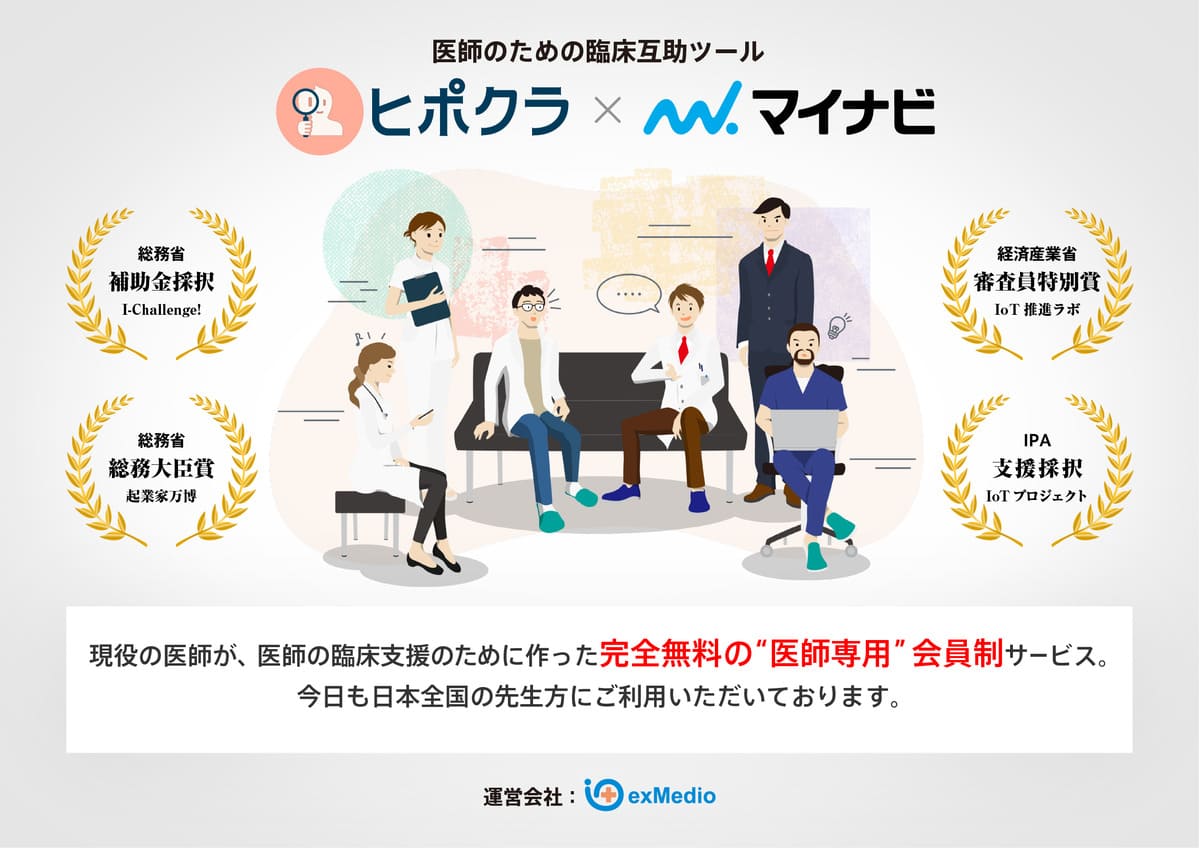
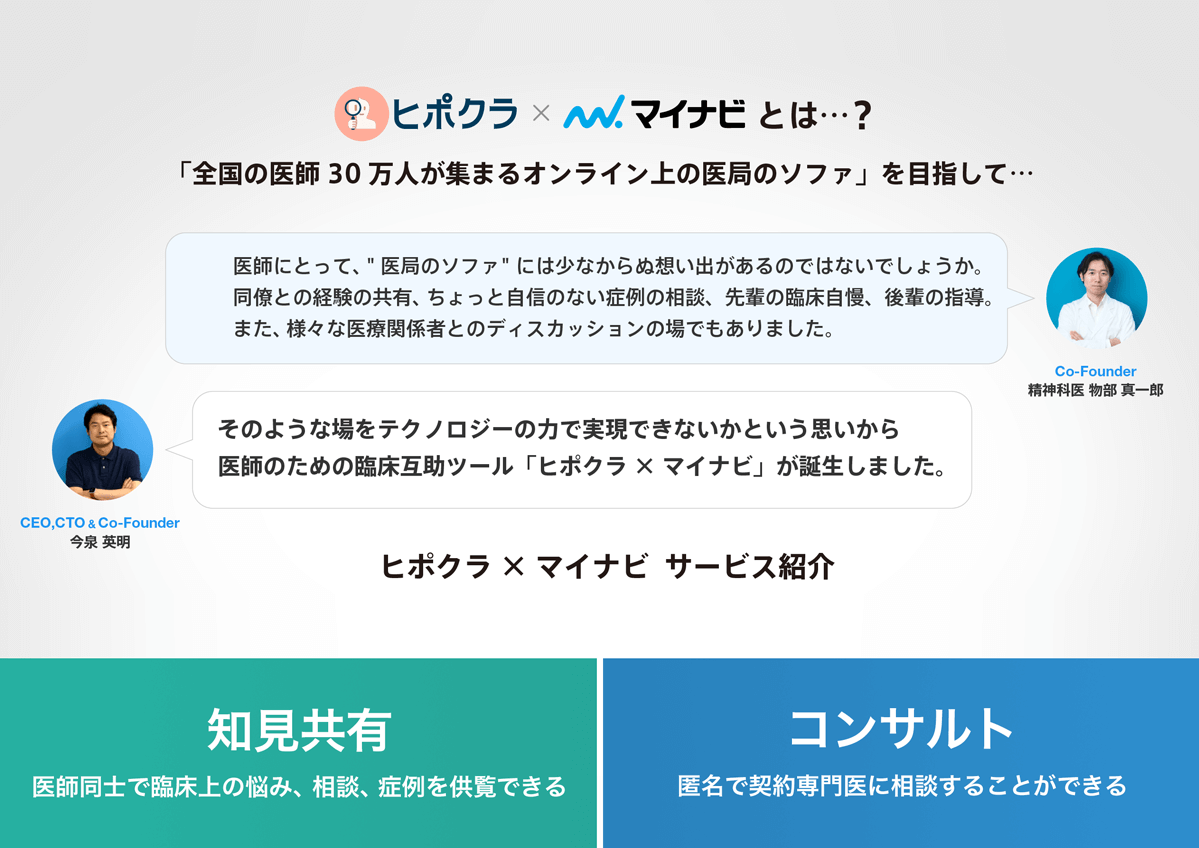
ヒポクラ x マイナビのご紹介
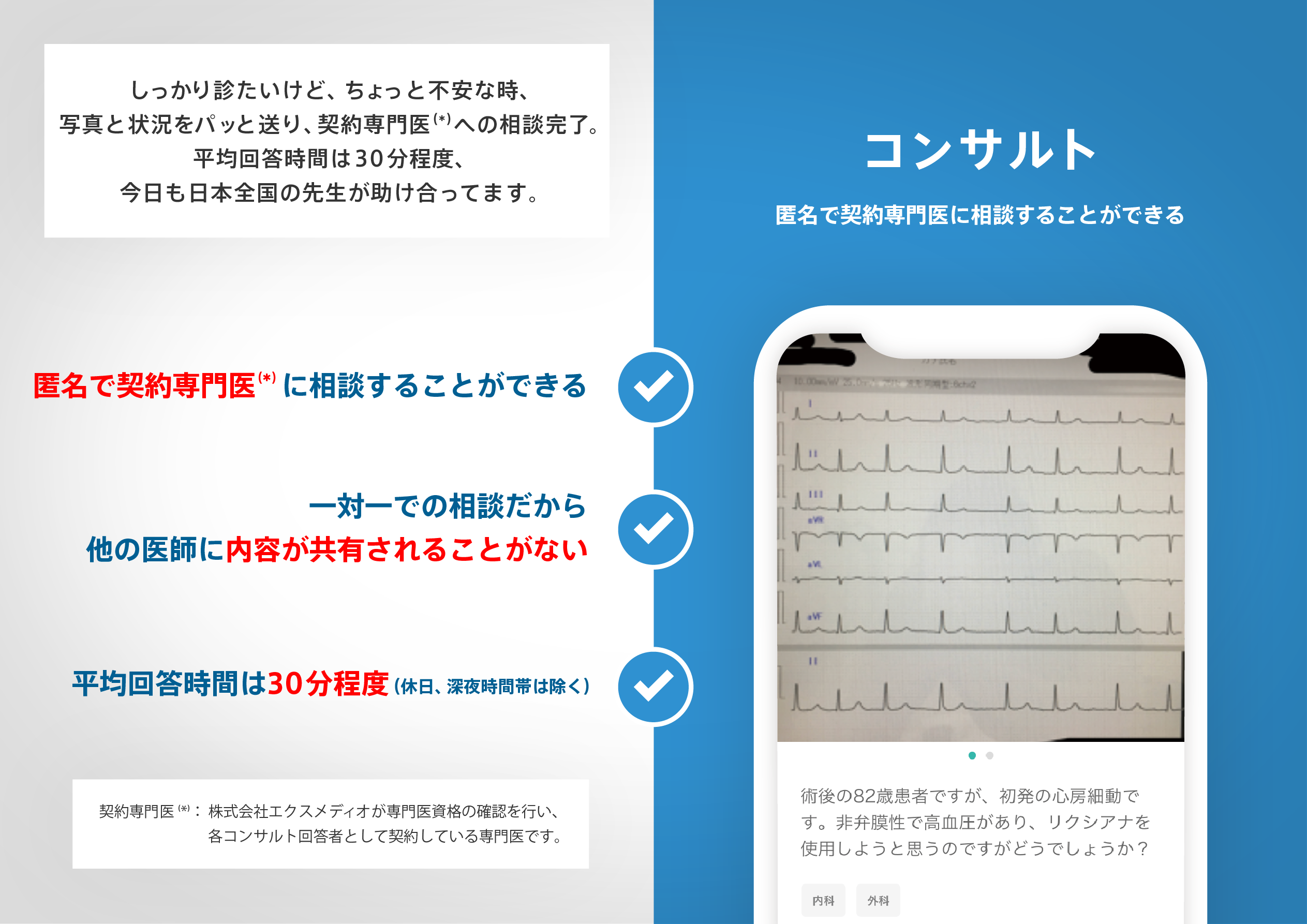
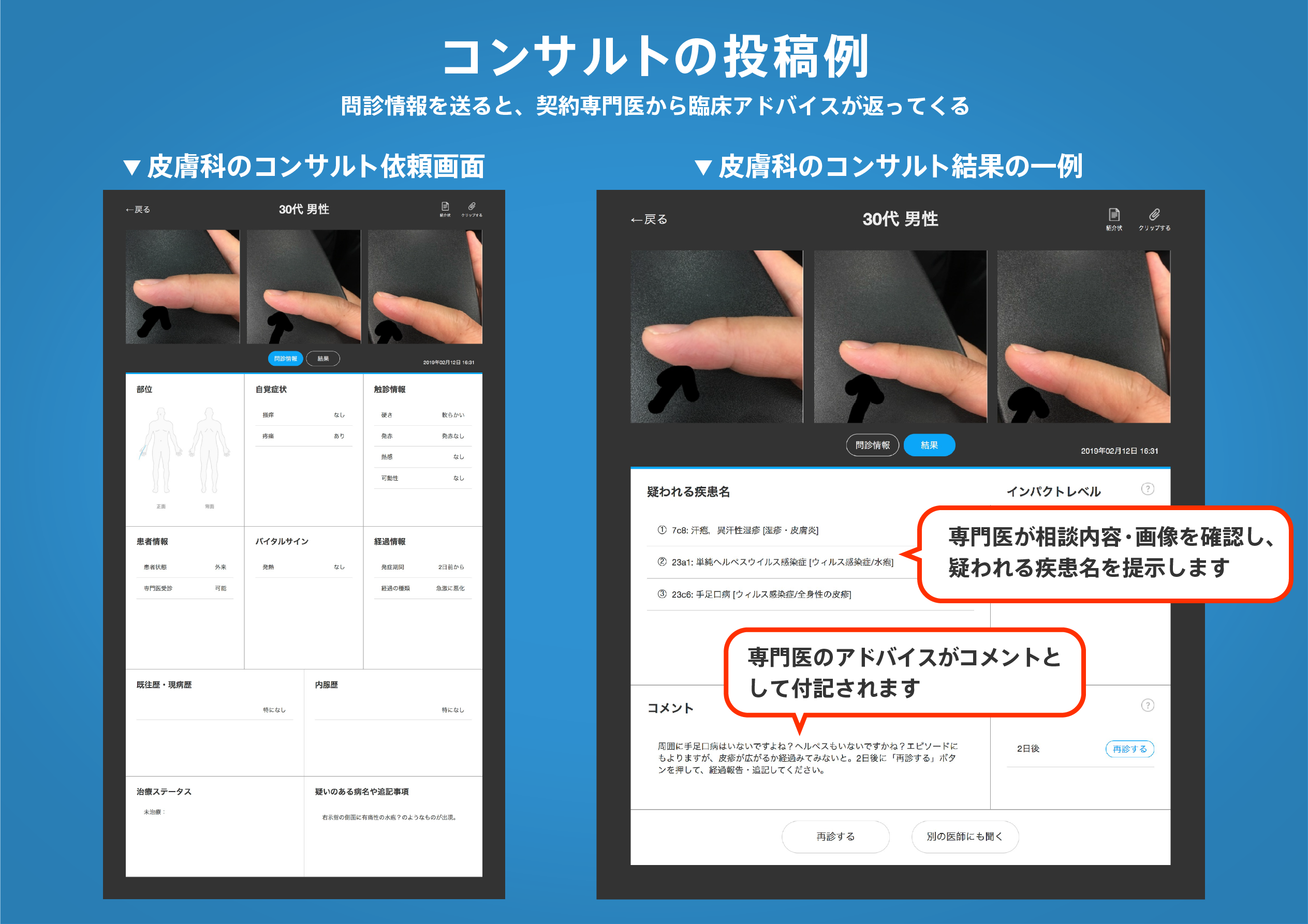
無料会員登録していただくと、さらに便利で効率的な検索が可能になります。