目的: ゾーン 1 および 2 の屈筋腱修復後の 3 つの副木、すなわち前腕ベース (長い)、マンチェスター ショート (短い) および相対運動屈曲 (ミニ) の副木の臨床的有効性を比較すること。 デザイン: 前向き、ランダム化、並行グループ、実用的、優位性、臨床試験。 設定: 英国の 26 の病院。 参加者: 英国手の外科学会のガイドラインに従って、手の 1 本または 2 本のゾーン 1 および 2 の屈筋腱の一次修復後にリハビリテーションが必要な 430 名の参加者 (16 歳以上)。 介入: 参加者は、長副木、短副木、またはミニ副木に 1:1:1 でランダムに割り当てられました。添え木は 5 週間継続的に装着され、夜間や公共環境などの脆弱な状況ではさらに 1 週間断続的に装着されました。介入の性質上、参加者をマスクすることはできませんでした。 主な結果の測定: 主要な結果は、6、12、26、および 52 週間の患者評価手首および手の評価 (PRWHE) 機器の無作為化後の平均スコアであり、治療意図別に分析されました。 結果: 430 人の参加者が長い副木 (n=143)、短い副木 (n=140)、またはミニ副木 (n=147) に無作為に割り付けられ、403 人が治療意図分析の対象となった。少なくとも 5 週間副木を装着することとして定義されるアドヒアランスは、長い副木では 83% (118/143)、短い副木では 76% (106/140)、そしてミニ副子では 78% (115/147) でした。無作為化後の平均 PRWHE スコアは、長い副木群で 24.5 (標準偏差 15.5)、短い副木群で 23.5 (16.7)、ミニ副木群で 22.4 (15.0) で、長いものと短いものについてのグループ間差は調整後 0.3 (98.3% 信頼区間 -4.0 ~ 4.6、P=0.88) でした。長いスプリントとミニスプリントの場合は 2.3 (-1.9 ~ 6.5、P=0.19)、短いスプリントとミニスプリントの場合は 2.0 (-2.2 ~ 6.3、P=0.25)。重篤な有害事象の発生率は、ロングスプリント群では参加者の10%(14/143人)、ショートスプリントグループでは11%(15/140人)、ミニスプリントグループでは11%(16/147人)で発生した。 結論: この試験では、長い副木、短い副木、ミニ副木の間で臨床効果に統計的に有意な差は見られませんでした。いくつかの小さな違いは別として、二次転帰は 3 つのグループすべてで同等でした。 トライアル登録: ISRCTN レジストリ ISRCTN10236011。
目的: ゾーン 1 および 2 の屈筋腱修復後の 3 つの副木、すなわち前腕ベース (長い)、マンチェスター ショート (短い) および相対運動屈曲 (ミニ) の副木の臨床的有効性を比較すること。 デザイン: 前向き、ランダム化、並行グループ、実用的、優位性、臨床試験。 設定: 英国の 26 の病院。 参加者: 英国手の外科学会のガイドラインに従って、手の 1 本または 2 本のゾーン 1 および 2 の屈筋腱の一次修復後にリハビリテーションが必要な 430 名の参加者 (16 歳以上)。 介入: 参加者は、長副木、短副木、またはミニ副木に 1:1:1 でランダムに割り当てられました。添え木は 5 週間継続的に装着され、夜間や公共環境などの脆弱な状況ではさらに 1 週間断続的に装着されました。介入の性質上、参加者をマスクすることはできませんでした。 主な結果の測定: 主要な結果は、6、12、26、および 52 週間の患者評価手首および手の評価 (PRWHE) 機器の無作為化後の平均スコアであり、治療意図別に分析されました。 結果: 430 人の参加者が長い副木 (n=143)、短い副木 (n=140)、またはミニ副木 (n=147) に無作為に割り付けられ、403 人が治療意図分析の対象となった。少なくとも 5 週間副木を装着することとして定義されるアドヒアランスは、長い副木では 83% (118/143)、短い副木では 76% (106/140)、そしてミニ副子では 78% (115/147) でした。無作為化後の平均 PRWHE スコアは、長い副木群で 24.5 (標準偏差 15.5)、短い副木群で 23.5 (16.7)、ミニ副木群で 22.4 (15.0) で、長いものと短いものについてのグループ間差は調整後 0.3 (98.3% 信頼区間 -4.0 ~ 4.6、P=0.88) でした。長いスプリントとミニスプリントの場合は 2.3 (-1.9 ~ 6.5、P=0.19)、短いスプリントとミニスプリントの場合は 2.0 (-2.2 ~ 6.3、P=0.25)。重篤な有害事象の発生率は、ロングスプリント群では参加者の10%(14/143人)、ショートスプリントグループでは11%(15/140人)、ミニスプリントグループでは11%(16/147人)で発生した。 結論: この試験では、長い副木、短い副木、ミニ副木の間で臨床効果に統計的に有意な差は見られませんでした。いくつかの小さな違いは別として、二次転帰は 3 つのグループすべてで同等でした。 トライアル登録: ISRCTN レジストリ ISRCTN10236011。
OBJECTIVE: To compare the clinical effectiveness of three splints after repair of zone 1 and 2 flexor tendons: forearm based (long), Manchester short (short), and relative motion flexion (mini) splints. DESIGN: Prospective, randomised, parallel group, pragmatic, superiority, clinical trial. SETTING: 26 UK hospitals. PARTICIPANTS: 430 participants (aged ≥16 years) requiring rehabilitation after primary repair of zone 1 and 2 flexor tendons in one or two fingers of the hand according to British Society for Surgery of the Hand guidelines. INTERVENTIONS: Participants were randomly assigned 1:1:1 to the long, short, or mini splint. Splints were worn continuously for five weeks and intermittently for a further week at night and in vulnerable situations such as public environments. Masking participants was not possible owing to the nature of the intervention. MAIN OUTCOME MEASURES: The primary outcome was the mean post-randomisation score on the patient-rated wrist and hand evaluation (PRWHE) instrument at 6, 12, 26, and 52 weeks, analysed by intention to treat. RESULTS: 430 participants were randomised to the long splint (n=143), short splint (n=140), or mini splint (n=147) and 403 were included in the intention-to-treat analysis. Adherence, defined as wearing the splint for a minimum of five weeks, was 83% (118/143) for the long splint, 76% (106/140) for the short splint, and 78% (115/147) for the mini splint. Mean post-randomisation PRWHE scores were 24.5 (standard deviation 15.5) in the long splint group, 23.5 (16.7) in the short splint group, and 22.4 (15.0) in the mini splint group, with adjusted between group differences of 0.3 (98.3% confidence interval -4.0 to 4.6, P=0.88) for the long versus short splint, 2.3 (-1.9 to 6.5, P=0.19) for the long versus mini splint, and 2.0 (-2.2 to 6.3, P=0.25) for the short versus mini splint. Serious adverse event rates occurred in 10% (14/143) of participants in the long splint group, 11% (15/140) in the short splint group, and 11% (16/147) in the mini splint group. CONCLUSION: This trial found no statistically significant difference in clinical effectiveness between the long, short, and mini splint. Apart from some small differences, secondary outcomes were comparable across all three groups. TRIAL REGISTRATION: ISRCTN Registry ISRCTN10236011.
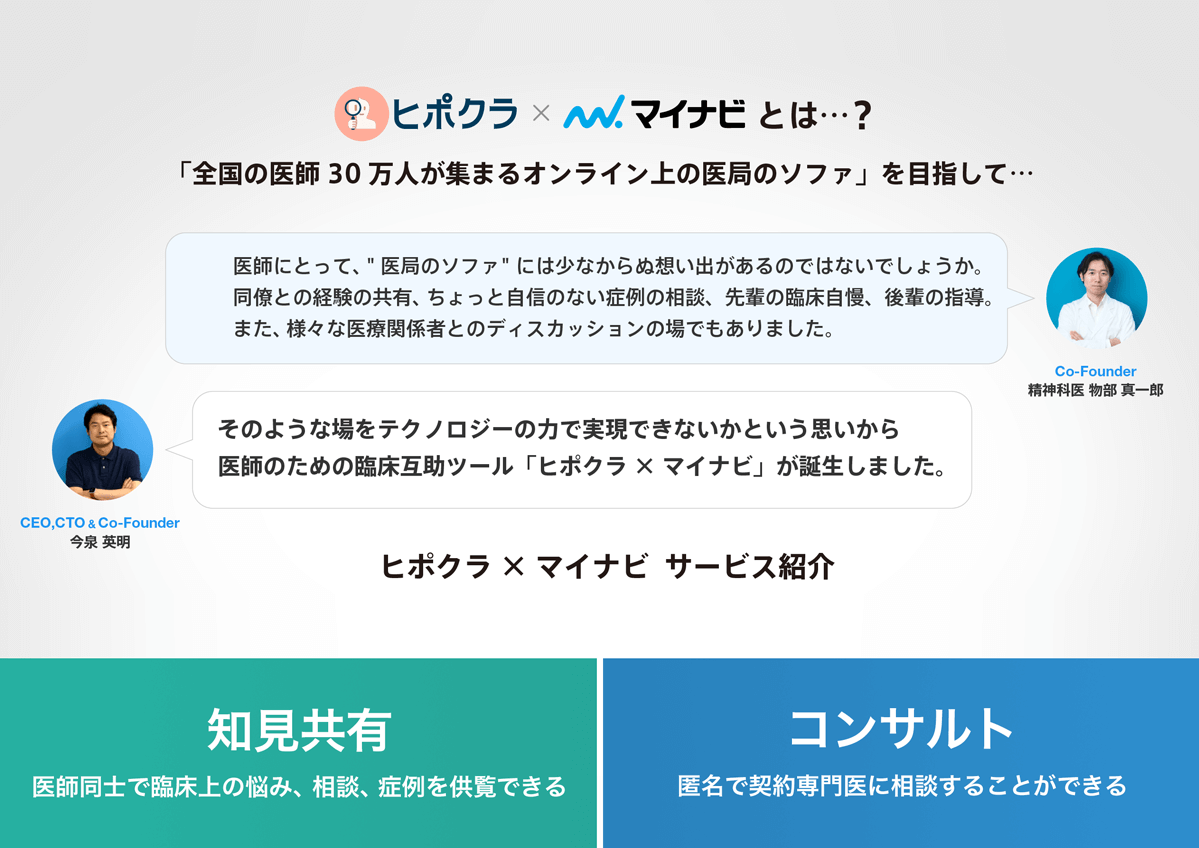
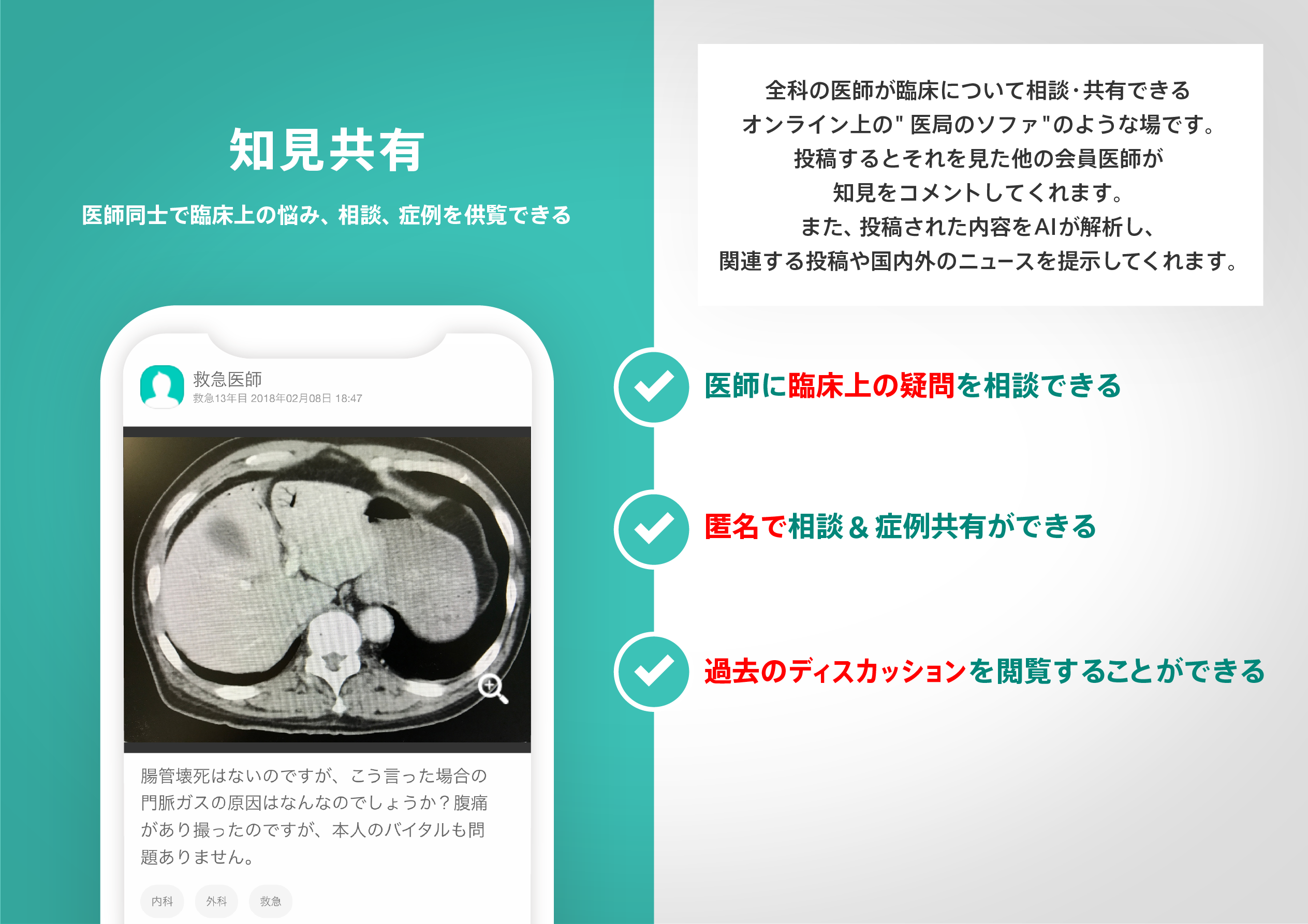
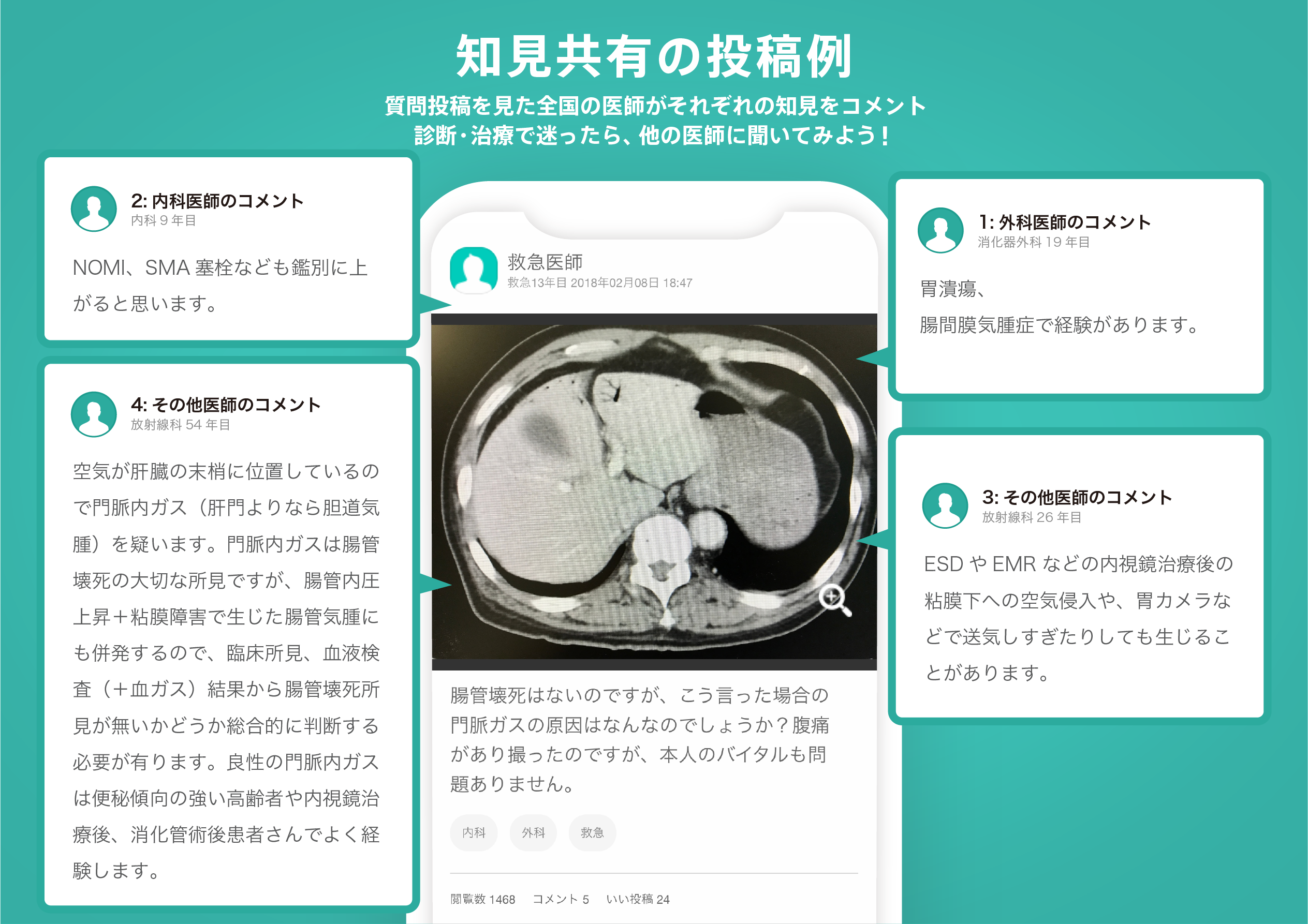
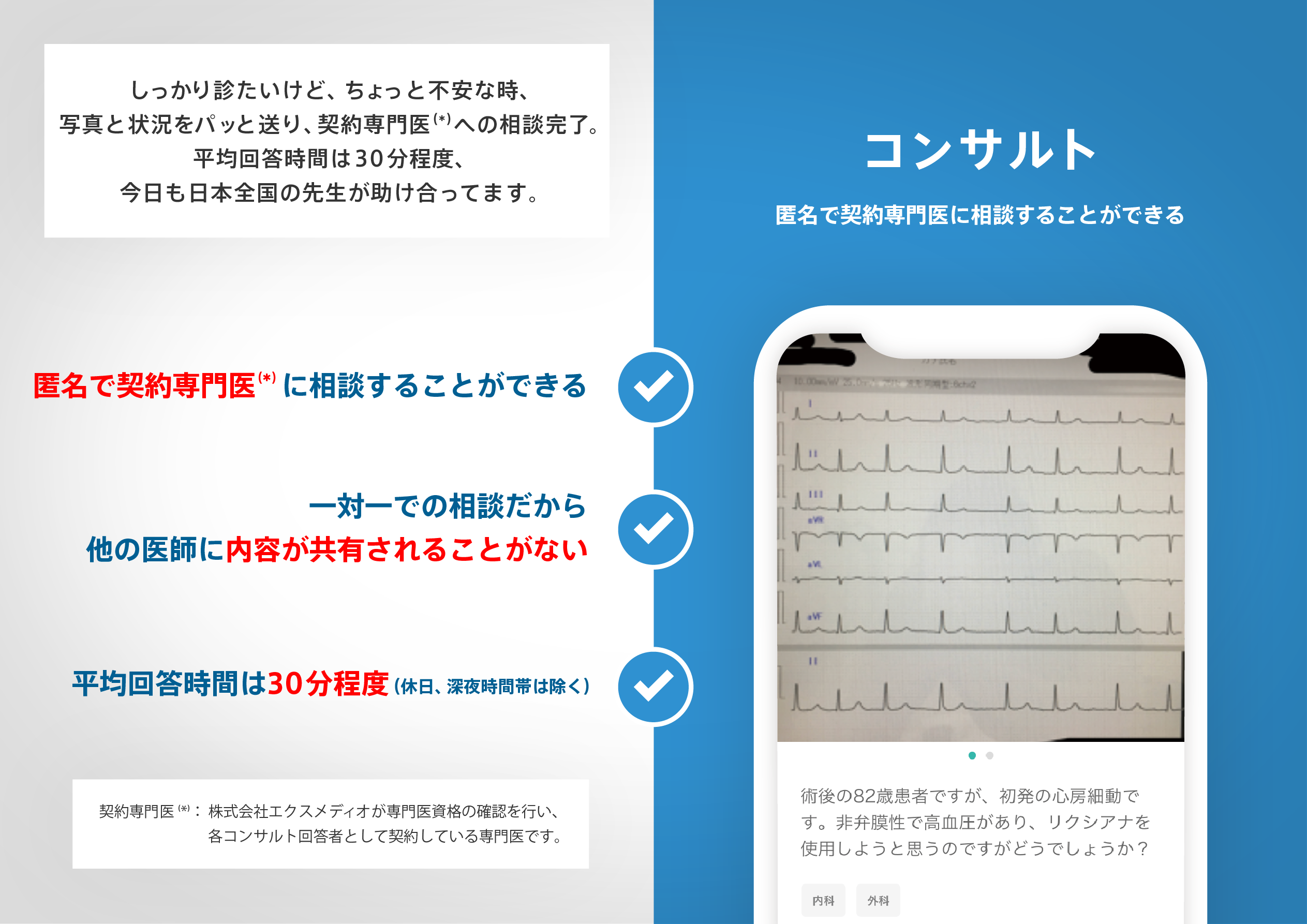
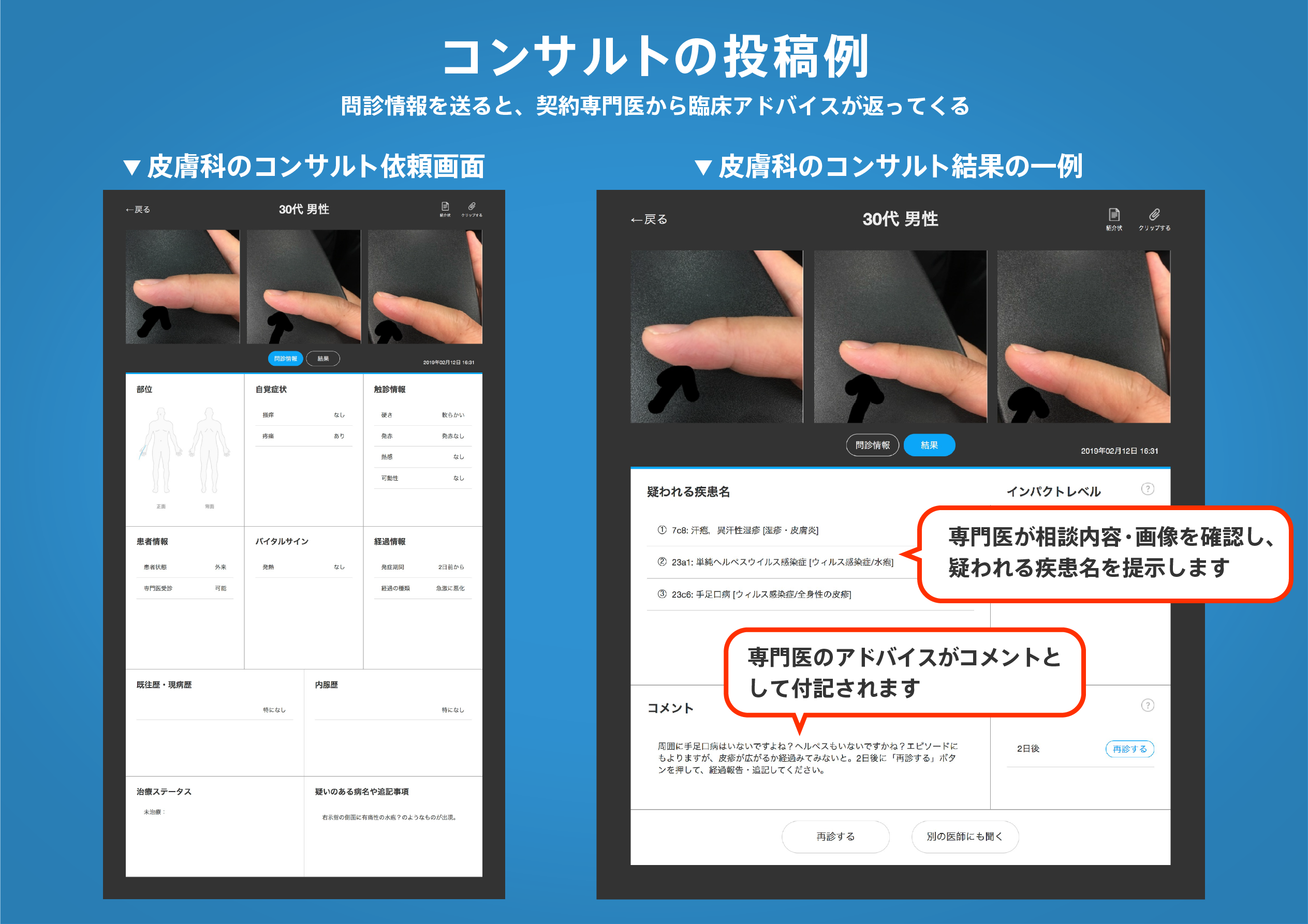
医師のための臨床サポートサービス
ヒポクラ x マイナビのご紹介

無料会員登録していただくと、さらに便利で効率的な検索が可能になります。